With more than 10‑year industry experience, Shandong Headpowder delivers full‑service pneumatic‑conveying systems and blowers, undertaking nationwide turn‑key powder‑handling projects.
When it comes to transporting magnesium silicate through pneumatic conveying systems, preventing pipeline blockages is a critical challenge. Magnesium silicate, with its unique physical properties such as high moisture content, abrasive nature, and tendency to agglomerate, can easily lead to system inefficiencies and downtime if not handled properly. This article explores effective strategies to mitigate blockages and highlights the key design parameters that must be considered for successful operation.
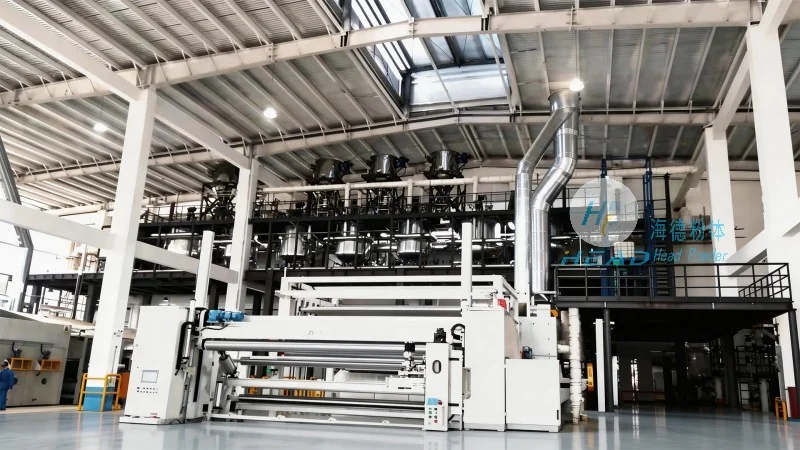
Magnesium silicate, often used in industrial applications like refractory materials, insulation, and chemical processing, presents specific challenges during pneumatic transport. Its tendency to stick to pipe walls, form clumps, and create high frictional resistance makes it prone to blockages. Traditional conveying methods may struggle to maintain consistent flow, leading to pressure surges and potential system failure. Therefore, a well-designed pneumatic system is essential to ensure smooth and reliable material transport.
Several critical design parameters play a pivotal role in preventing pipeline blockages in magnesium silicate conveying systems. These parameters are tailored to the material's characteristics and the system's operational requirements. The following sections outline the most important factors to consider:
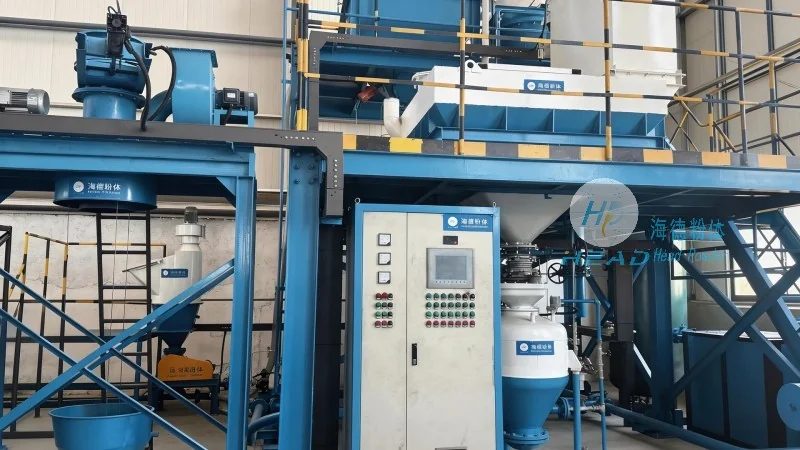
The pressure and air velocity within the pneumatic system are fundamental to preventing blockages. Higher air velocities help maintain the material in suspension, reducing the likelihood of particles settling and adhering to the pipe walls. However, excessive pressure can lead to increased wear and tear on components, while insufficient velocity may cause the material to settle and form deposits. For magnesium silicate, a balanced approach is crucial. The system must be designed to maintain a minimum air velocity that keeps the material in a fluidized state, typically ranging from 20 to 30 m/s depending on the particle size and density. This ensures that the material remains suspended and does not accumulate as a solid mass.
The size and distribution of magnesium silicate particles significantly impact the conveying process. Coarser particles are more likely to cause blockages due to their larger surface area and tendency to form agglomerates. Conversely, finer particles may require higher air velocities to remain in suspension, increasing energy consumption. To optimize performance, it is essential to analyze the particle size distribution and adjust the system design accordingly. For instance, if the material contains a high proportion of fine particles, the system may need to incorporate additional air flow or use a larger pipe diameter to prevent excessive pressure drops and blockages.
The diameter of the conveying pipe is another critical parameter. Larger pipe diameters reduce the frictional resistance and pressure drop, making it easier to transport the material. However, overly large pipes may increase the system's cost and energy consumption. The choice of pipe material is also important, as magnesium silicate's abrasive nature can cause wear on the pipe walls over time. Materials such as stainless steel or high-grade plastic are commonly used to withstand the abrasive effects of the material. The pipe diameter should be selected based on the material's flow characteristics and the desired air velocity, ensuring that the system operates within the optimal range to prevent blockages.
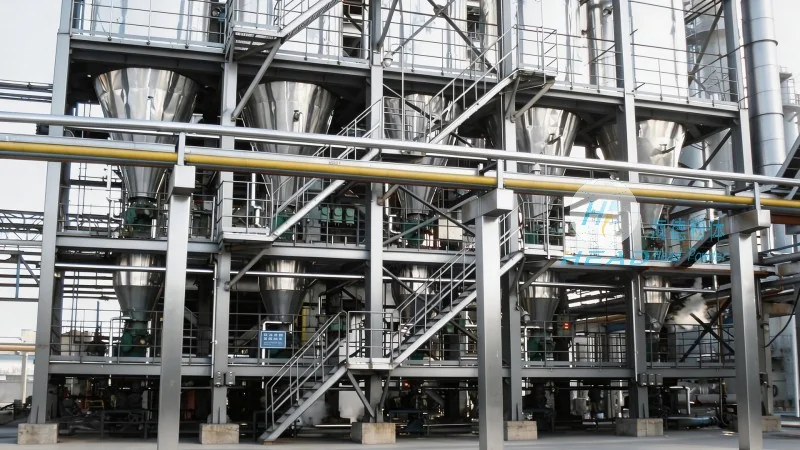
The gas-solid ratio, which is the ratio of the volume of air to the volume of material being conveyed, is a key design parameter. An appropriate GSR ensures that the material is adequately suspended and transported without excessive pressure losses. For magnesium silicate, the optimal GSR typically ranges from 0.5 to 1.5, depending on the particle size and system configuration. A higher GSR may be required for finer particles or when dealing with high moisture content, as this helps maintain the material in suspension and prevents agglomeration. Conversely, a lower GSR may be sufficient for coarser particles, reducing energy consumption. The GSR must be carefully calculated and adjusted during system operation to ensure efficient and blockage-free conveying.
The design of the inlet and outlet of the pneumatic system also plays a significant role in preventing blockages. The inlet should be designed to introduce the material and air smoothly, avoiding turbulence that could cause particle separation or deposition. A well-designed inlet reduces the risk of material sticking to the pipe walls and forming blockages. Similarly, the outlet should be designed to allow the material to discharge without creating pressure surges or causing the material to re-agglomerate. Properly sized and positioned inlet and outlet components help maintain the material's flow characteristics and prevent blockages at the system's ends.

 Shandong Headpowder Engineering Co., Ltd.
 156-6277-7102(Manager Zhang)
  0531-83386006
  Zhangqiu District, Jinan City, Shandong Province, China
telephone
WeChatconsult
top