Classification and Application Analysis of Foundry Sand Pneumatic Conveying Systems
Release time:2026-09-14 10:48:53
name of the company:Shandong Headpowder Engineering Co., Ltd.
telephone:156-6277-7102
contacts:Manager Zhang
HeadPowder, a leading provider of industrial conveying solutions, specializes in the design, manufacturing, and implementation of pneumatic conveying systems tailored for foundry sand applications. This article provides a comprehensive overview of the classification of these systems and their practical applications in modern foundry operations.
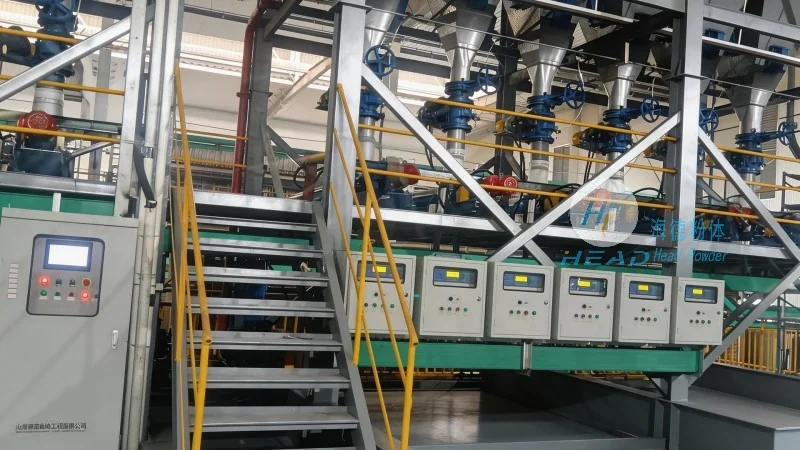
Introduction to Foundry Sand Pneumatic Conveying Systems
Foundry sand, a critical material in the casting process, requires efficient and reliable transportation from storage to processing points. Pneumatic conveying systems offer a versatile solution for handling these materials, which often present challenges such as dust generation, abrasive properties, and varying particle sizes. The systems are designed to maintain material integrity while ensuring minimal environmental impact and operational efficiency.
Classification of Foundry Sand Pneumatic Conveying Systems
Foundry sand pneumatic conveying systems can be broadly classified based on several key parameters, including the conveying principle, material handling capacity, and system configuration. The primary classifications include:
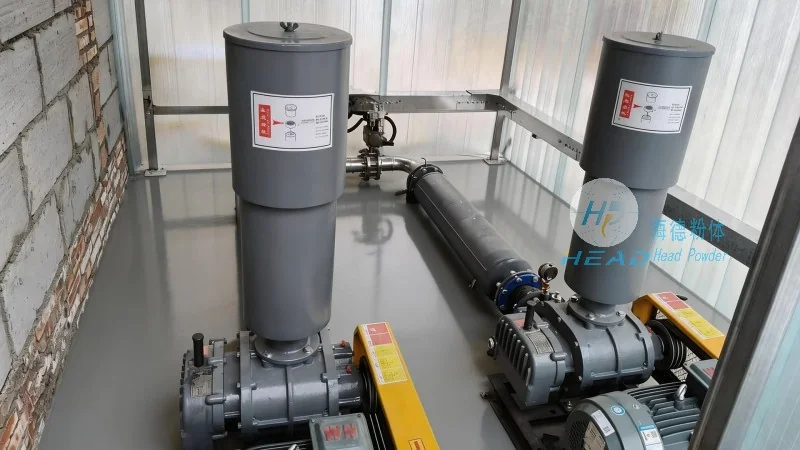
- Positive Pressure Systems: These systems use compressed air to push the material through the pipeline. They are suitable for handling fine powders and are effective in maintaining material flow without the need for vacuum suction.
- Negative Pressure (Vacuum) Systems: In this configuration, a vacuum is created at the receiver end to draw material from the source. This method is ideal for applications where material needs to be transported from multiple points to a central collection point.
- Combined (Bi-Directional) Systems: These systems utilize both positive and negative pressure to enhance flexibility. They can transport material in both directions, making them suitable for complex layouts and varying operational demands.
- Gravity-Driven Systems: Although less common for foundry sand due to the material's properties, gravity systems rely on the material's own weight to move through the pipeline. They are typically used for short distances and low-velocity applications.
Key Components of Foundry Sand Pneumatic Conveying Systems
Each classification of pneumatic conveying systems incorporates essential components that ensure optimal performance. These components include:
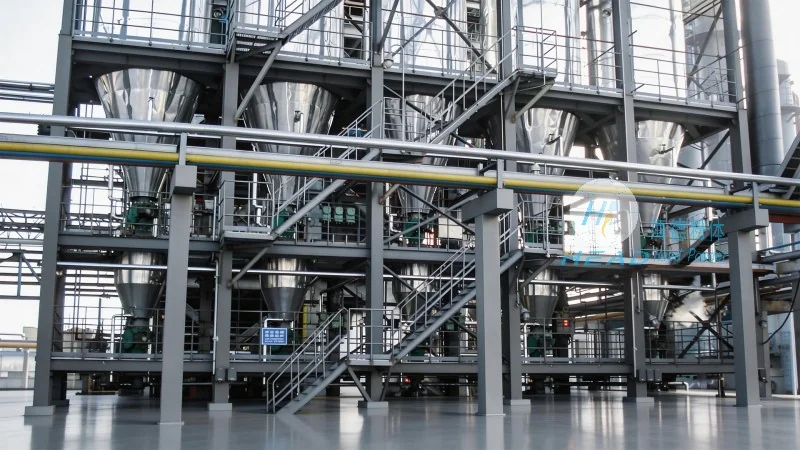
- Feeder/Loader: The device that introduces the foundry sand into the conveying line, ensuring a consistent and controlled flow. For abrasive materials like foundry sand, robust feeders are essential to prevent wear and maintain efficiency.
- Pipeline Network: The main pathway for material transport, constructed from materials resistant to corrosion and abrasion, such as stainless steel or high-density polyethylene. The design of the pipeline, including bends and elbows, is critical to minimize pressure drop and prevent material deposition.
- Compressor/Vacuum Pump: Provides the necessary pressure or vacuum to move the material through the system. The choice of compressor depends on the system type (positive or negative pressure) and the required flow rate.
- Receiver/Discharge Unit: The terminal point where the material is collected and discharged. This component must be designed to handle the material's characteristics, preventing blockages and ensuring clean discharge.
- Control System: Monitors and regulates the operation of the conveying system, ensuring safe and efficient performance. This includes sensors for pressure, flow, and material level, as well as automated controls for start-up and shutdown.
Applications of Foundry Sand Pneumatic Conveying Systems
The versatility of foundry sand pneumatic conveying systems makes them suitable for a wide range of applications in the foundry industry. Some key applications include:
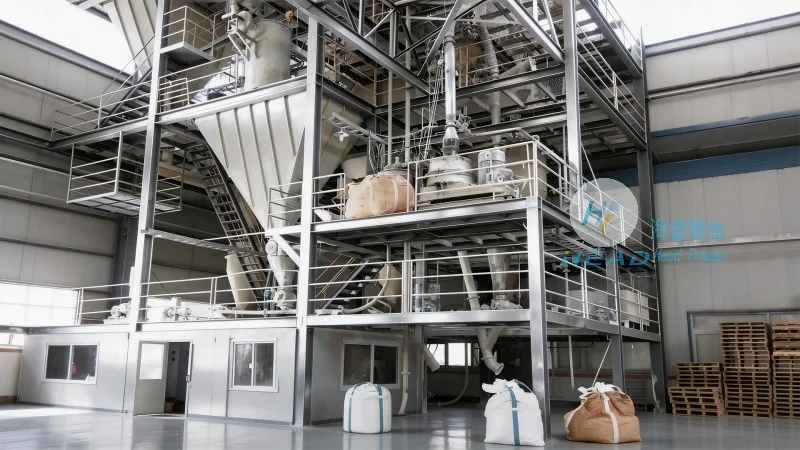
- Raw Material Transport: Moving foundry sand from storage silos to the molding and casting lines. This ensures a continuous supply of material without manual handling, reducing labor costs and improving safety.
- Recycling and Reclamation: Collecting and transporting reclaimed foundry sand from the casting process back to the reclamation system. This helps in reducing material waste and improving the overall efficiency of the foundry operation.
- Waste Management: Conveying waste materials, such as sand from the sandblasting process, to disposal or recycling facilities. This helps in maintaining a clean and organized foundry environment.
- Process Integration: Integrating the conveying system with other foundry processes, such as sand mixing and molding, to create a seamless production line. This enhances overall productivity and reduces downtime.
Benefits of Using Foundry Sand Pneumatic Conveying Systems
Implementing pneumatic conveying systems for foundry sand offers several significant benefits to foundry operations:
- Improved Efficiency: Automated material transport reduces labor requirements and minimizes downtime, leading to increased production output.
- Enhanced Safety: Eliminates manual handling of heavy or abrasive materials, reducing the risk of workplace injuries and improving overall safety standards.
- Reduced Environmental Impact: Properly designed systems minimize dust emissions and prevent material contamination, contributing to a cleaner and more sustainable foundry environment.
- Cost Savings: Long-term operational efficiency and reduced maintenance costs due to the durability and reliability of the system components.
- Flexibility and Scalability: Systems can be easily modified or expanded to accommodate changes in production volume or process requirements, ensuring long-term investment value.
Conclusion
Foundry sand pneumatic conveying systems represent a critical technology for modern foundry operations, offering efficient, safe, and environmentally friendly solutions for material handling. By understanding the classification and applications of these systems, foundry managers can make informed decisions to optimize their operations and enhance overall productivity. HeadPowder, with its expertise in industrial conveying solutions, provides tailored systems that meet the specific needs of foundry applications, ensuring reliable and effective material transport.

 Shandong Headpowder Engineering Co., Ltd.
 156-6277-7102(Manager Zhang)
  0531-83386006
  Zhangqiu District, Jinan City, Shandong Province, China