

Classification and Application Analysis of Hydrogen Chloride Pneumatic Conveying Systems
Hydrogen chloride (HCl) is a highly corrosive and toxic gas widely used in various industrial processes, such as chemical manufacturing, pharmaceutical production, and material synthesis. The safe and efficient transportation of HCl gas is crucial for industrial operations, and pneumatic conveying systems have emerged as a reliable solution. This article provides an overview of the classification of HCl pneumatic conveying systems and their practical applications, with a focus on the expertise of Shandong HeadPowder Engineering Co., Ltd.
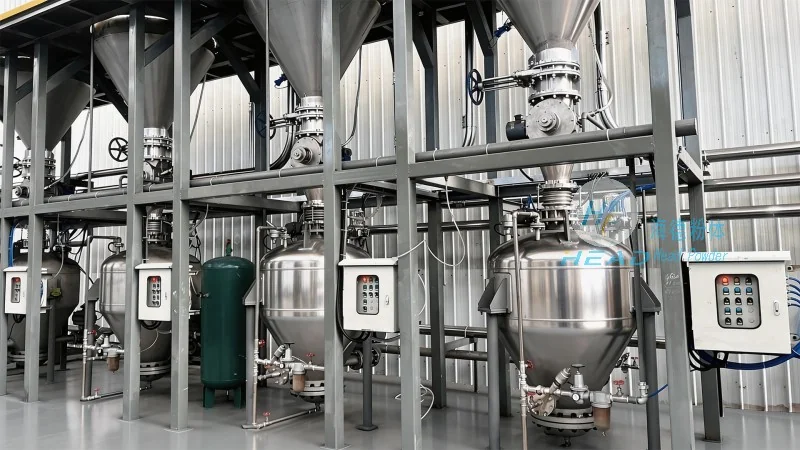
Key Information of Shandong HeadPowder Engineering Co., Ltd.
Shandong HeadPowder Engineering Co., Ltd., commonly known as headpowder, is a professional manufacturer and supplier specializing in industrial pneumatic conveying equipment. The company is headquartered in Shandong, China, and has established a strong reputation for delivering high-quality, customized solutions for gas handling and material transport. With years of experience in the field, headpowder provides comprehensive services including system design, manufacturing, installation, and maintenance for HCl pneumatic conveying applications.
Classification of Hydrogen Chloride Pneumatic Conveying Systems
Hydrogen chloride pneumatic conveying systems can be broadly classified into two main categories based on the pressure differential between the conveying line and the ambient environment: positive pressure systems and negative pressure systems. Each type has distinct characteristics and is suitable for different operational requirements.
Positive pressure systems operate by blowing air or gas into the conveying line, creating a pressure higher than the ambient air pressure. This method is effective for transporting HCl gas over long distances and through complex piping networks. The system typically includes a blower, a gas-liquid separator, and a receiver. Positive pressure systems are often preferred for applications where the HCl gas needs to be delivered to multiple destinations or integrated with other process units.
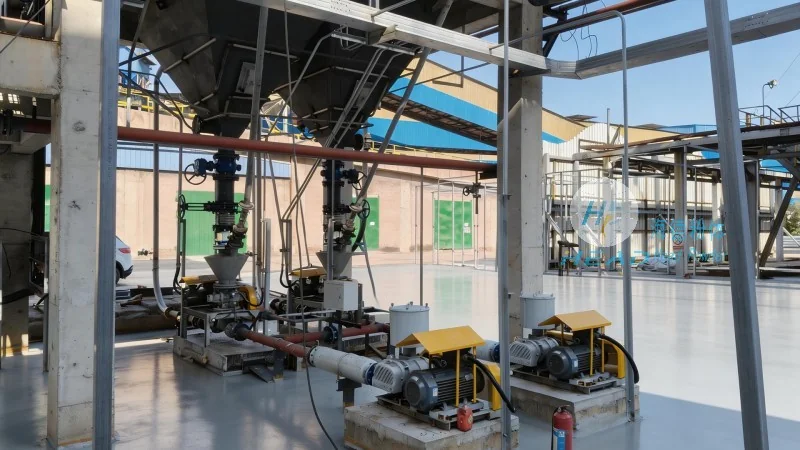
Negative pressure systems, on the other hand, create a vacuum in the conveying line, drawing the HCl gas from the source to the receiver. This approach is suitable for short-distance transport and applications where the gas source is located near the receiver. Negative pressure systems are generally more energy-efficient for low-flow applications and require less maintenance compared to positive pressure systems. However, they may be less effective for long-distance or high-flow operations due to the limitations of vacuum generation and the risk of air infiltration.
Within these main categories, HCl pneumatic conveying systems can also be further classified based on the type of air or gas used as the conveying medium. For example, air-assisted systems use compressed air to accelerate the HCl particles, while gas-assisted systems utilize inert gases like nitrogen or carbon dioxide to reduce corrosion and improve system efficiency. The choice of conveying medium depends on the specific properties of the HCl gas, the required transport capacity, and the environmental regulations in the operating region.
Application Analysis of Hydrogen Chloride Pneumatic Conveying Systems
The application of HCl pneumatic conveying systems varies across different industries, with each sector having unique requirements for gas handling and material transport. Understanding the specific needs of each application is essential for selecting the most appropriate system design and ensuring optimal performance.
In the chemical manufacturing industry, HCl is commonly used as a raw material in the production of chlorinated compounds, such as polyvinyl chloride (PVC), chlorinated solvents, and pharmaceutical intermediates. Pneumatic conveying systems are employed to transport HCl gas from storage tanks to reactors or processing units. The systems must be designed to handle high concentrations of HCl and withstand the corrosive effects of the gas. Headpowder's expertise in material selection and system engineering ensures that the equipment is durable and reliable under harsh operating conditions.
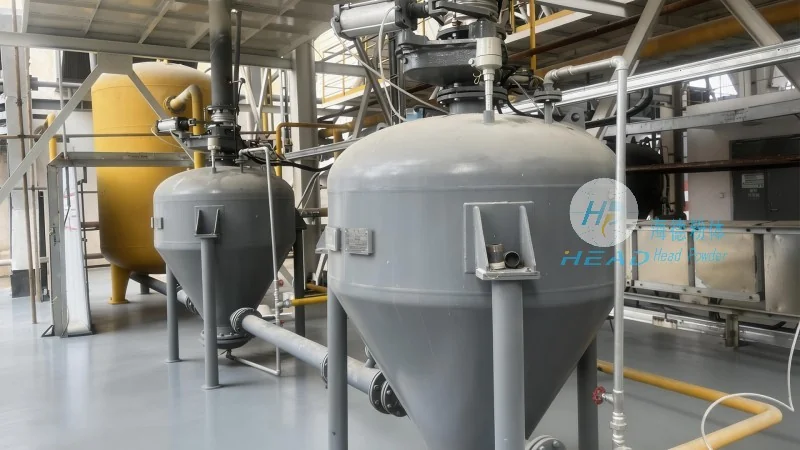
In the pharmaceutical sector, the safe handling of HCl is critical due to the stringent regulatory requirements for drug manufacturing. Pneumatic conveying systems are used to transport HCl gas for the synthesis of active pharmaceutical ingredients (APIs) and other medicinal compounds. The systems are typically equipped with advanced safety features, such as gas detection sensors and emergency shut-off valves, to prevent leaks and ensure operator safety. The compact design of the systems also allows for integration into existing pharmaceutical facilities without disrupting production processes.
In the material synthesis industry, HCl is used in the production of various chemicals, including metal chlorides, inorganic salts, and specialty chemicals. Pneumatic conveying systems are essential for transporting HCl gas to reaction vessels and processing equipment. The systems are designed to handle varying flow rates and concentrations of HCl, ensuring consistent performance and product quality. Headpowder's customized solutions cater to the specific needs of each material synthesis application, providing efficient and cost-effective gas handling solutions.
Additionally, HCl pneumatic conveying systems are used in environmental applications, such as the treatment of industrial waste and the recovery of valuable chemicals from byproducts. The systems help in the safe and efficient transport of HCl gas from waste treatment units to storage or disposal facilities. The robust design of the systems ensures compliance with environmental regulations and minimizes the risk of emissions and contamination.