With more than 10‑year industry experience, Shandong Headpowder delivers full‑service pneumatic‑conveying systems and blowers, undertaking nationwide turn‑key powder‑handling projects.
Electrode powder, also known as calcium carbide powder, is a critical raw material in the production of electrodes for electric arc furnaces and other industrial applications. The efficient and safe transportation of this fine, reactive powder is essential for maintaining production efficiency and ensuring workplace safety. This article explores the various methods used to convey electrode powder, detailing their principles, advantages, and typical applications. The information provided is based on the expertise of Shandong HeadPowder Engineering Co., Ltd., a leading manufacturer and supplier of electrode powder handling solutions based in China.
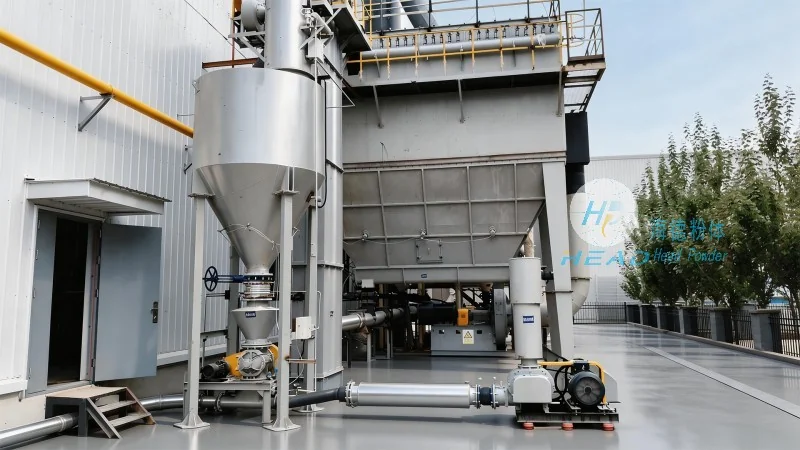
Electrode powder is a fine, granular material that requires specialized handling due to its reactivity with moisture and air. Conveying systems must be designed to minimize dust generation, prevent material degradation, and ensure consistent flow rates. The choice of conveying method depends on factors such as the powder's properties, the distance to be conveyed, the required flow rate, and the environmental conditions of the facility. Below are some of the most common and effective methods used in the industry.
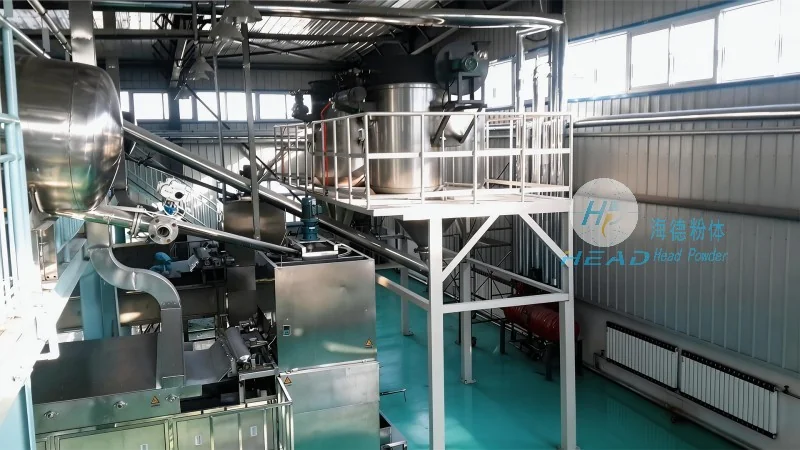
Pneumatic conveying, or air-powered transport, is one of the most widely used methods for handling electrode powder. This system uses compressed air to move the powder through a pipeline. There are two main types: pressure and vacuum systems. Pressure systems use high-pressure air to push the powder forward, while vacuum systems use a vacuum to pull the powder into the line. Pneumatic conveying offers several advantages, including the ability to transport powder over long distances, handle fine powders without clogging, and integrate with existing air handling systems. However, it requires careful control of air pressure and flow rates to prevent material degradation or system blockages. For electrode powder, which is highly reactive, pressure systems are often preferred as they provide better control over the material's exposure to air.
Screw conveyors, also known as auger conveyors, are another common method for conveying electrode powder. These systems consist of a rotating screw (auger) inside a cylindrical tube. The screw rotates, pushing the powder forward along the tube. Screw conveyors are particularly effective for handling bulk materials over short to medium distances, and they can be used horizontally or at a slight incline. One of the key advantages of screw conveyors is their simplicity and low maintenance requirements. They are also capable of handling a wide range of materials, including powders and granules. However, they may not be suitable for very fine powders, as the screw can cause excessive friction and heat generation, which could degrade the powder's quality. For electrode powder, which is often of a medium to fine particle size, screw conveyors are commonly used in feed systems and for transferring powder from storage bins to processing equipment.
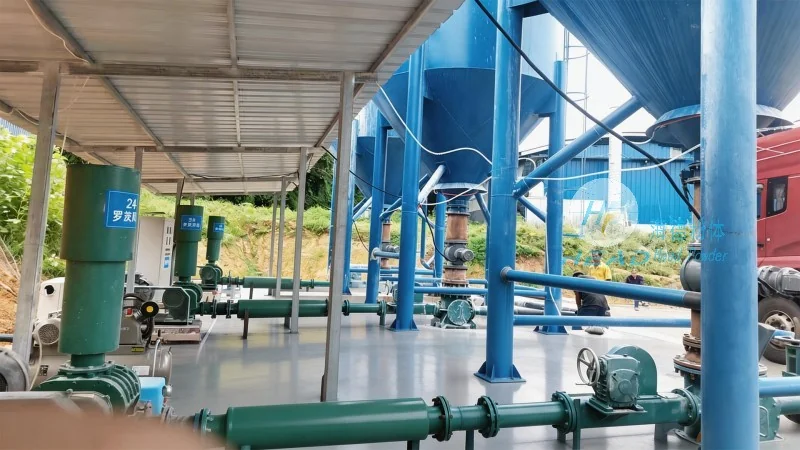
Bucket elevators are vertical or inclined conveyor systems that use a series of buckets attached to a chain or belt to lift and transport powder. The buckets are filled at the bottom of the elevator and then travel up the line, emptying at the top. This method is highly efficient for vertical or steeply inclined transport and is often used when the powder needs to be elevated to a higher level, such as from a storage silo to a processing plant. Bucket elevators are known for their high capacity and ability to handle large volumes of material. They are also relatively simple to install and maintain. However, they can be more complex than other systems and may require more power to operate. For electrode powder, which is often stored in large silos, bucket elevators are an ideal solution for vertical transport, ensuring that the powder is moved safely and efficiently to the next stage of production.

 Shandong Headpowder Engineering Co., Ltd.
 156-6277-7102(Manager Zhang)
  0531-83386006
  Zhangqiu District, Jinan City, Shandong Province, China
telephone
WeChatconsult
top