With more than 10‑year industry experience, Shandong Headpowder delivers full‑service pneumatic‑conveying systems and blowers, undertaking nationwide turn‑key powder‑handling projects.
Phosphate powder, a critical raw material in the production of fertilizers and other industrial chemicals, requires efficient and reliable transportation methods to ensure smooth operational processes. Among the various technologies available, pneumatic conveying systems have emerged as a preferred solution for handling phosphate powder due to their versatility, flexibility, and ability to maintain product integrity. This article explores the different types of pneumatic conveying systems used in phosphate powder handling and their practical applications, highlighting the expertise of Shandong HeadPowder Engineering Co., Ltd. in providing tailored solutions for industrial needs.
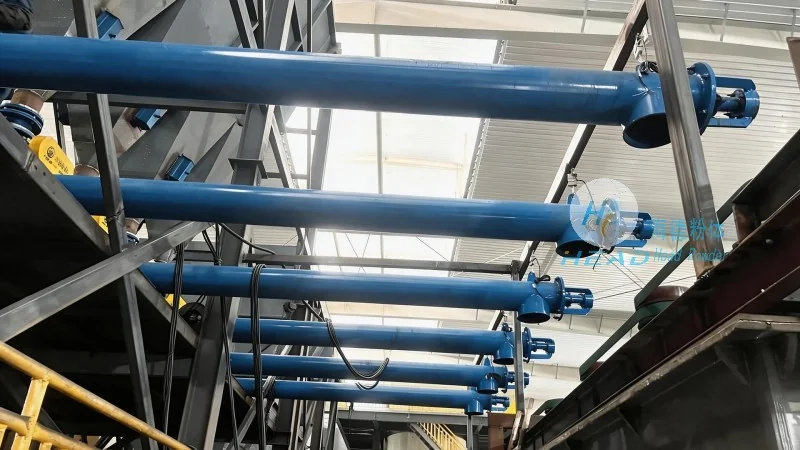
Pneumatic conveying systems utilize air or gas to transport bulk materials like phosphate powder through a pipeline network. These systems are categorized based on the pressure differential between the conveying line and the ambient environment. The primary types include positive pressure, negative pressure, and mixed pressure systems, each with distinct characteristics and suitability for different operational scenarios.
Positive pressure pneumatic conveying systems operate by blowing air or gas into the conveying line, creating a pressure higher than the ambient air. This method is effective for long-distance and high-capacity transport, as it can handle abrasive materials without causing excessive wear on equipment. The system typically includes a blower, a hopper for material storage, and a discharge point where the powder is released. Positive pressure systems are particularly suitable for applications where the material needs to be transported to multiple destinations or over significant distances.
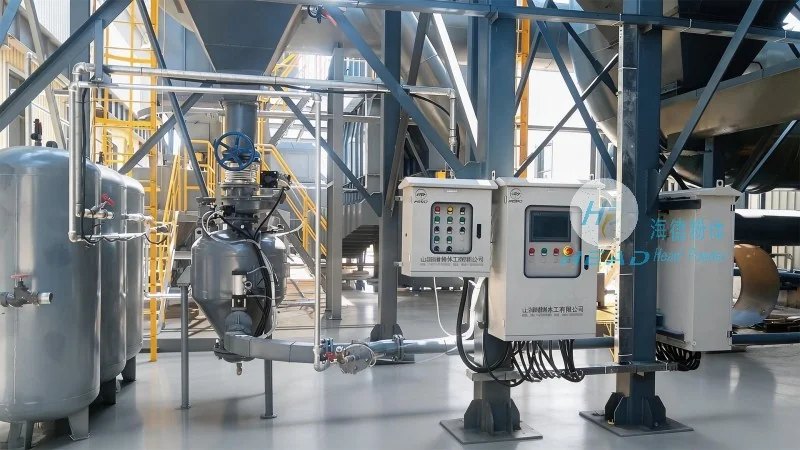
Negative pressure (or vacuum) pneumatic conveying systems, on the other hand, create a vacuum in the conveying line, drawing material from the source into the pipeline. This approach is ideal for handling fine powders and dust, as it minimizes product degradation and reduces the risk of dust emissions. Negative pressure systems are commonly used in applications where the material is to be collected from multiple points or where the discharge point is lower than the source. However, they are generally less efficient for long-distance transport compared to positive pressure systems due to the energy required to maintain a vacuum.
Mixed pressure pneumatic conveying systems combine elements of both positive and negative pressure systems. They use a combination of pressure and vacuum to transport materials, offering a balance between the efficiency of positive pressure and the dust control benefits of negative pressure. This type of system is often employed in complex conveying networks where both long-distance transport and precise material handling are required.
The choice of pneumatic conveying system depends on the specific requirements of the phosphate powder handling process, including material characteristics, distance, and operational constraints. Positive pressure systems are widely used in the phosphate industry for transporting raw phosphate ore from mines to processing facilities, as well as for moving finished phosphate products to storage or packaging areas. Their ability to handle high volumes and long distances makes them suitable for large-scale industrial operations.
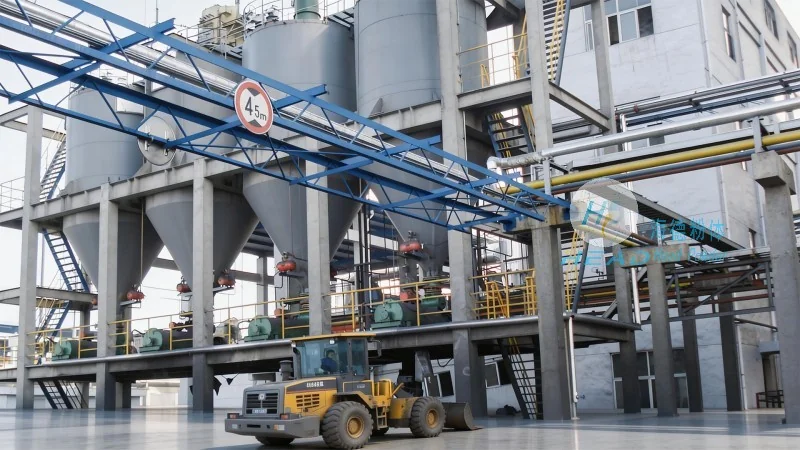
Negative pressure systems are commonly employed in applications where the phosphate powder is processed at multiple points or where dust control is a critical concern. For example, in the production of phosphoric acid, negative pressure conveying is used to transport fine phosphate powders from grinding mills to reactors, ensuring minimal product loss and environmental compliance. Additionally, these systems are effective in handling recycled materials or waste products from the phosphate processing plant, where maintaining product purity is essential.
Mixed pressure systems find application in integrated phosphate processing plants where materials need to be transported between various stages, such as from crushing and grinding to drying and packaging. By combining the strengths of both positive and negative pressure systems, these solutions provide flexibility and efficiency in complex material flow networks. Shandong HeadPowder Engineering Co., Ltd. specializes in designing and implementing such mixed pressure systems, ensuring optimal performance and cost-effectiveness for their clients.
Shandong HeadPowder Engineering Co., Ltd., a leading provider of industrial conveying solutions, has extensive experience in designing and manufacturing pneumatic conveying systems tailored to the unique needs of the phosphate industry. With a strong focus on innovation and customer satisfaction, the company offers comprehensive services, including system design, installation, and maintenance. HeadPowder's expertise lies in understanding the specific challenges of phosphate powder handling, such as its abrasive nature and tendency to agglomerate, and developing solutions that address these issues effectively.
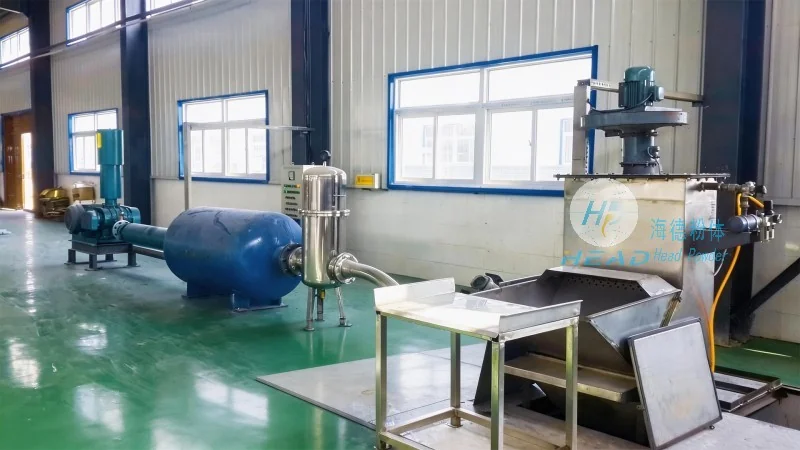
The company's team of engineers and technicians works closely with clients to assess their operational requirements, material characteristics, and site conditions. This collaborative approach ensures that the final pneumatic conveying system is optimized for performance, reliability, and cost-efficiency. HeadPowder's commitment to quality is evident in its adherence to international standards and rigorous testing protocols, guaranteeing that each system meets the highest industry benchmarks.
HeadPowder's facilities are located in Shandong, China, providing a strategic advantage in terms of accessibility and support for clients in the region. The company's state-of-the-art manufacturing capabilities enable it to produce customized components and systems that are tailored to the specific demands of phosphate powder handling. Whether it's a positive pressure, negative pressure, or mixed pressure system, HeadPowder delivers solutions that enhance productivity, reduce downtime, and improve overall operational efficiency for its clients in the phosphate industry.

 Shandong Headpowder Engineering Co., Ltd.
 156-6277-7102(Manager Zhang)
  0531-83386006
  Zhangqiu District, Jinan City, Shandong Province, China
telephone
WeChatconsult
top