With more than 10‑year industry experience, Shandong Headpowder delivers full‑service pneumatic‑conveying systems and blowers, undertaking nationwide turn‑key powder‑handling projects.
When it comes to transporting denitrator materials via pneumatic conveying systems, the choice between positive pressure and negative pressure methods is a critical decision that impacts operational efficiency, cost, and system reliability. Both approaches have distinct characteristics and are suited to different operational requirements. Understanding the differences and how to identify the right method is essential for optimizing the performance of your denitrator pneumatic conveying system.
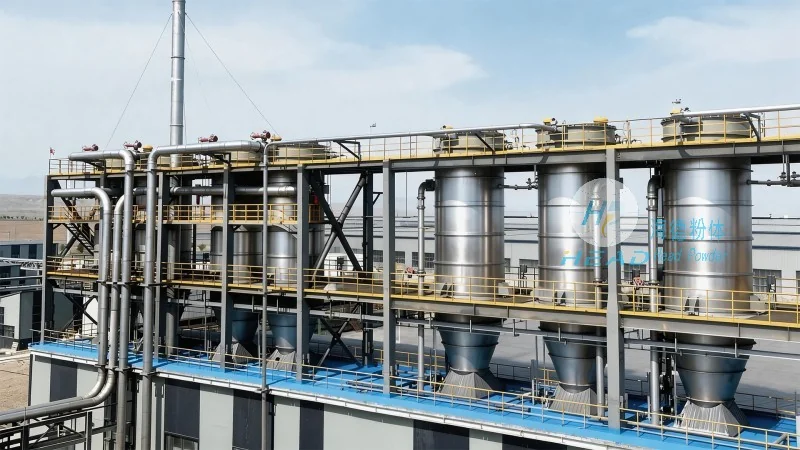
Positive pressure pneumatic conveying systems operate by blowing air or gas into the material stream, creating a pressure higher than the ambient environment. This method pushes the material through the system, typically using a positive displacement blower or a rotary lobe blower as the primary air source. The system is enclosed, and the material is transported under pressure, which helps maintain material integrity and reduces the risk of dust leakage. This approach is particularly effective for handling fine powders and granular materials where maintaining a clean and controlled environment is crucial.
Key advantages of positive pressure systems include their ability to handle abrasive materials without excessive wear on components, as the material is propelled forward under pressure rather than being pulled. Additionally, positive pressure systems are generally more suitable for long-distance conveying and can accommodate vertical lifts, making them ideal for applications where the material needs to be transported over significant heights or distances. The enclosed nature of the system also helps in controlling dust emissions, which is a significant consideration for industrial applications involving denitrator materials.
Negative pressure, or vacuum, pneumatic conveying systems work by creating a vacuum in the system, drawing the material into the conveying line. The air or gas is pulled through the system, and the material is entrained by the airflow. This method is often used for applications where the material needs to be collected from a source and transported to a destination without the need for high-pressure equipment. Negative pressure systems are typically more compact and can be easier to install in existing facilities, as they do not require the same level of pressure containment as positive pressure systems.
One of the main benefits of negative pressure systems is their lower initial cost and reduced energy consumption compared to positive pressure systems, especially for shorter conveying distances. They are also well-suited for handling materials that are sensitive to pressure changes or for applications where the material needs to be transported from a lower elevation to a higher one, as the vacuum can help pull the material upward. However, negative pressure systems may be less effective for handling highly abrasive or sticky materials, as the suction process can lead to increased wear on the system components and potential blockages.
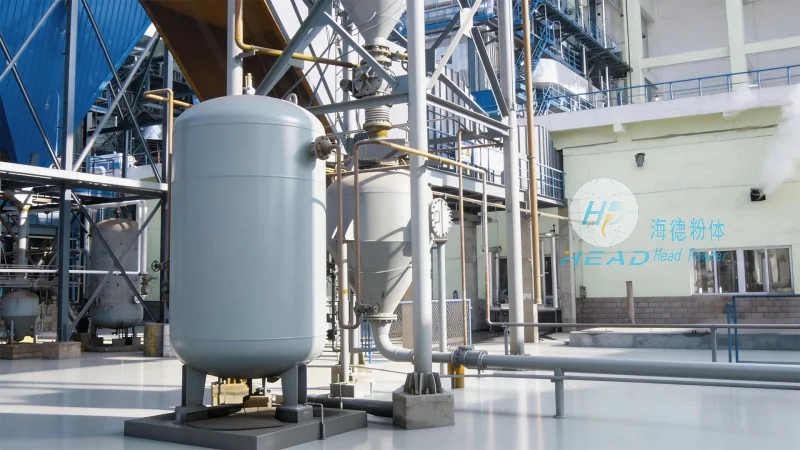
Identifying the appropriate pneumatic conveying method for denitrator applications involves evaluating several key factors. The first consideration is the nature of the material being transported. Fine, dry powders with low bulk density are often better suited for positive pressure systems, as they require a consistent pressure to maintain flow. In contrast, bulkier or more cohesive materials may perform better with negative pressure systems, where the suction action can help maintain material movement without excessive pressure.
Another critical factor is the distance and elevation changes involved in the conveying process. Positive pressure systems are generally preferred for long-distance or high-elevation conveying, as they can maintain sufficient pressure to overcome resistance over greater distances. Negative pressure systems are more suitable for shorter distances and when the material needs to be transported from a higher to a lower elevation, as the vacuum can assist in pulling the material downward or upward with less energy.
The system's environmental and safety requirements also play a role in the choice. Positive pressure systems are often preferred in applications where dust control and containment are paramount, as the enclosed system prevents dust from escaping into the environment. Negative pressure systems, while less effective at containing dust, are sometimes used in applications where the material is less hazardous or where the system is enclosed in a controlled environment.
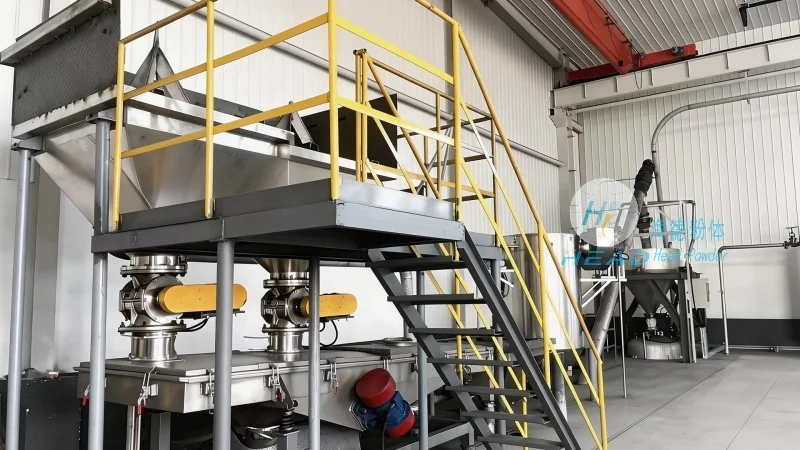
For denitrator applications, specific considerations may further influence the choice between positive and negative pressure systems. The denitrator material itself, which may include catalysts or other chemicals, often has unique properties that affect how it behaves in a conveying system. For example, materials that are prone to agglomeration or that require gentle handling may benefit from the lower pressure and gentler flow characteristics of negative pressure systems. Conversely, materials that are fine and easily airborne may require the higher pressure and controlled environment of positive pressure systems to prevent dust dispersion.
Operational efficiency and cost are also significant factors. Positive pressure systems may have higher energy consumption due to the need to maintain pressure, but they can offer higher throughput and more reliable performance for certain materials. Negative pressure systems, while more energy-efficient for short distances, may require more frequent maintenance due to the wear and tear from suction and potential blockages. The overall cost of ownership, including equipment, installation, and maintenance, should be evaluated when deciding between the two methods.
Choosing between positive pressure and negative pressure pneumatic conveying for denitrator applications requires a careful assessment of material properties, conveying distance, elevation changes, and environmental requirements. Positive pressure systems offer superior control, dust containment, and suitability for long-distance or high-elevation conveying, while negative pressure systems provide cost advantages and are better suited for shorter distances or when handling materials that are less sensitive to pressure changes. By understanding the characteristics of each system and evaluating the specific needs of your denitrator operation, you can select the most appropriate pneumatic conveying method to ensure efficient, reliable, and cost-effective material transport.
Shandong HeadPowder Engineering Co., Ltd., based in Shandong, China, specializes in providing advanced pneumatic conveying solutions tailored to the unique needs of industrial applications, including denitrator systems. With a focus on innovation and customer satisfaction, HeadPowder offers comprehensive engineering, design, and installation services to help clients optimize their material handling processes and achieve operational excellence.

 Shandong Headpowder Engineering Co., Ltd.
 156-6277-7102(Manager Zhang)
  0531-83386006
  Zhangqiu District, Jinan City, Shandong Province, China
telephone
WeChatconsult
top