With more than 10‑year industry experience, Shandong Headpowder delivers full‑service pneumatic‑conveying systems and blowers, undertaking nationwide turn‑key powder‑handling projects.
When it comes to industrial alkali gas pneumatic conveying, selecting the right system—whether positive pressure or negative pressure—is crucial for efficiency, safety, and operational costs. This guide will explore the key differences between these two methods and provide insights into how to make an informed decision for your specific application.
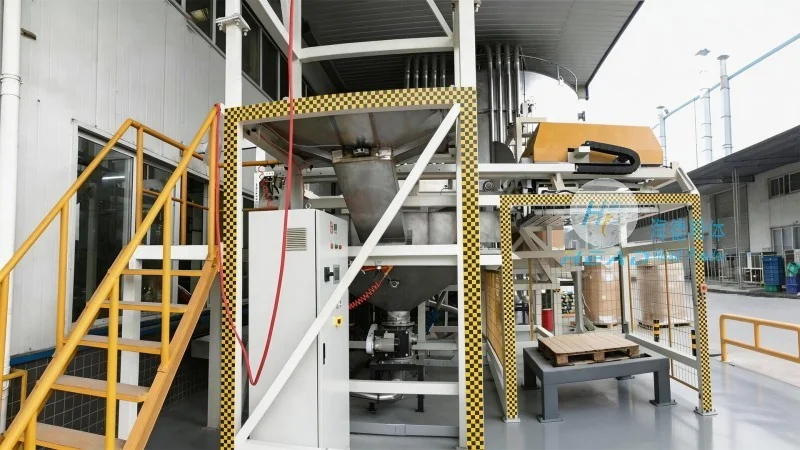
Industrial alkali gas conveying systems are designed to transport powders or bulk materials, such as caustic soda or other alkaline chemicals, through a pipeline using air or gas as the conveying medium. The choice between positive pressure and negative pressure systems depends on factors like material properties, system layout, and operational requirements.
Positive pressure systems operate by blowing air or gas into the conveying line, creating a pressure higher than the ambient air. This method is often preferred for applications involving abrasive or corrosive materials, as it reduces the risk of material degradation and equipment wear. The high-pressure air forces the material through the pipeline, ensuring consistent flow and minimal blockages.
For industrial alkali applications, positive pressure systems are particularly effective when dealing with fine powders that are prone to caking or agglomeration. The forced air helps maintain particle separation, preventing clumps from forming and ensuring smooth transport. Additionally, these systems are easier to integrate with existing infrastructure, as they do not require vacuum pumps or complex vacuum setups.
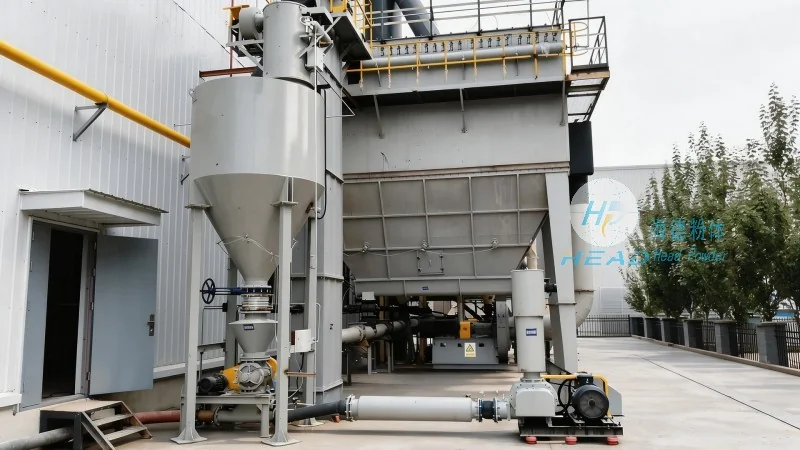
Negative pressure systems, on the other hand, create a vacuum in the conveying line, drawing material from the source into the system. This approach is often used for applications where the material is light and easily suspended in air, or when the system layout requires material to be drawn from a distance. Negative pressure systems are generally more energy-efficient for short-distance conveying, as they do not require high-pressure air to force material through the line.
In the context of industrial alkali gas conveying, negative pressure systems may be suitable for transporting less abrasive materials or when the source is located at a higher elevation than the destination. However, they are less effective for handling fine powders that tend to settle quickly or for applications requiring high throughput, as the vacuum may not maintain consistent material flow.
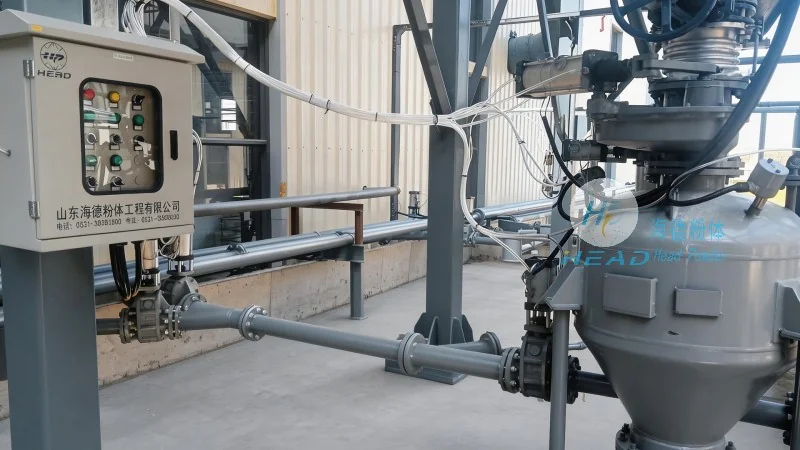
Several factors can help differentiate between positive and negative pressure systems for industrial alkali gas conveying:
When deciding between positive and negative pressure systems for industrial alkali gas conveying, it is essential to consider the specific characteristics of your material, the layout of your facility, and your operational goals. Consulting with experts from companies like Shandong HeadPowder Engineering Co., Ltd., based in China, can provide tailored solutions that optimize performance and reduce costs.
Shandong HeadPowder Engineering Co., Ltd. specializes in designing and manufacturing customized gas conveying systems for industrial applications, including those involving alkali chemicals. With years of experience in the field, their team of engineers can assess your unique requirements and recommend the most suitable positive or negative pressure system to ensure efficient and safe material transport.

 Shandong Headpowder Engineering Co., Ltd.
 156-6277-7102(Manager Zhang)
  0531-83386006
  Zhangqiu District, Jinan City, Shandong Province, China
telephone
WeChatconsult
top