With more than 10‑year industry experience, Shandong Headpowder delivers full‑service pneumatic‑conveying systems and blowers, undertaking nationwide turn‑key powder‑handling projects.
When it comes to air conveying systems for phosphates, selecting the right pressure type—positive or negative—is crucial for efficiency, cost-effectiveness, and operational safety. Understanding the differences between these two methods is essential for optimizing material handling processes in industrial applications. This article, brought to you by Shandong HeadPowder Engineering Co., Ltd. (HeadPowder), explores the key aspects of positive pressure and negative pressure air conveying for phosphates, providing insights into how to choose the appropriate system based on specific operational requirements.

Phosphate air conveying involves transporting powdered or granular phosphate materials through a pipeline using air as the conveying medium. This method is widely used in the chemical and fertilizer industries due to its ability to handle abrasive and corrosive materials like phosphates. The primary goal of any air conveying system is to move materials from a source (e.g., a storage silo or hopper) to a destination (e.g., a processing unit or packaging line) with minimal loss, energy consumption, and equipment wear. Two main pressure systems are employed: positive pressure and negative pressure. Each has distinct characteristics, advantages, and limitations that influence their suitability for phosphate handling.
Positive pressure air conveying, also known as pressure air conveying, operates by blowing air into the conveying line using a positive pressure blower or fan. The air pressure is higher than the ambient atmospheric pressure, which forces the phosphate material to move through the pipeline. This method is particularly effective for transporting materials over long distances or through complex network systems. The positive pressure system typically uses a high-pressure blower that generates sufficient air velocity to entrain and transport the phosphate particles. The key advantages of positive pressure conveyors include their ability to handle long horizontal and vertical distances, navigate through multiple bends and changes in elevation, and maintain consistent material flow rates. Additionally, positive pressure systems are generally more robust and less prone to clogging compared to negative pressure systems, as the high air pressure helps to break up agglomerates and keep the material in suspension.
For phosphates, positive pressure air conveying systems are often preferred when the material needs to be transported over extended distances or through challenging layouts. The high air pressure ensures that the phosphate particles remain suspended and move efficiently through the pipeline. This is especially beneficial for handling fine or powdery phosphates, which are prone to settling and clogging in low-pressure systems. The positive pressure method also allows for the use of larger pipe diameters, which can reduce pressure drop and energy consumption over long runs. Furthermore, positive pressure conveyors can be equipped with features such as pulse jets or rotary valves to control the material flow and prevent blockages, enhancing their reliability for phosphate handling.
Negative pressure air conveying, or vacuum air conveying, operates by creating a vacuum in the conveying line using a vacuum pump or fan. The air pressure inside the line is lower than the ambient atmospheric pressure, which draws the phosphate material into the pipeline. This method is commonly used for short-distance or low-velocity conveying applications, where the material is moved from a source to a destination with minimal pressure changes. The negative pressure system relies on the vacuum created by the pump to pull the material through the pipeline, and the air velocity is typically lower than in positive pressure systems. The key advantages of negative pressure conveyors include their lower initial cost, as they often use smaller and less powerful equipment compared to positive pressure systems. Additionally, negative pressure systems are quieter and can be more suitable for applications where noise levels are a concern. However, negative pressure conveyors have limitations, particularly when handling abrasive or fine materials like phosphates, as the lower air velocity can lead to increased wear on the system components and a higher risk of clogging.
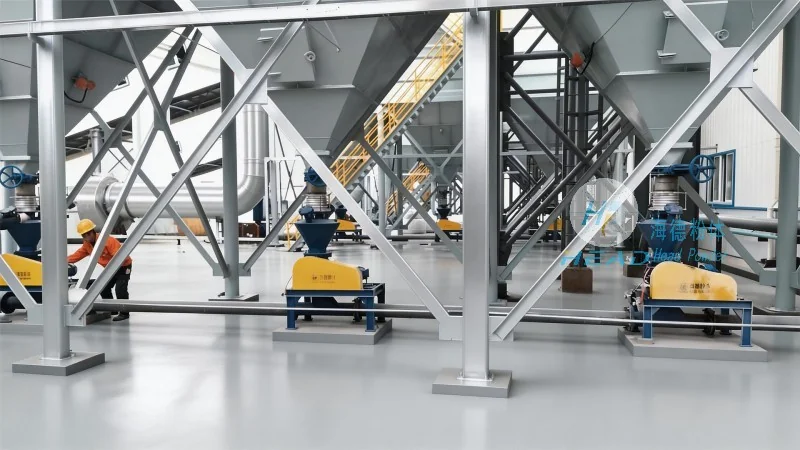
For phosphates, negative pressure air conveying is often used for short horizontal or vertical distances, such as moving material from a hopper to a nearby processing unit. The vacuum pump creates a sufficient negative pressure to draw the phosphate particles into the pipeline, and the material is transported at a lower velocity compared to positive pressure systems. The lower air velocity can result in higher pressure drop and energy consumption over short distances, but it is often acceptable for applications where the conveying distance is limited. Negative pressure systems are also more compact and can be installed in smaller spaces, making them suitable for facilities with space constraints. However, the risk of clogging is higher in negative pressure conveyors, as the lower air velocity may not be sufficient to keep fine phosphates in suspension, especially when dealing with high moisture content or agglomerated material.
Choosing between positive and negative pressure air conveying for phosphates requires careful consideration of several factors, including the conveying distance, material characteristics, system layout, and operational requirements. The following criteria can help in differentiating between the two methods:
Positive pressure systems are generally more suitable for long-distance or complex conveying layouts, as they can maintain consistent material flow rates over extended horizontal and vertical distances. Negative pressure systems are better suited for short-distance or simple layouts, where the material is moved over short horizontal or vertical distances. For example, if the phosphate material needs to be transported from a storage silo to a processing plant located several hundred meters away, a positive pressure system would be more appropriate due to its ability to handle long runs and elevation changes.
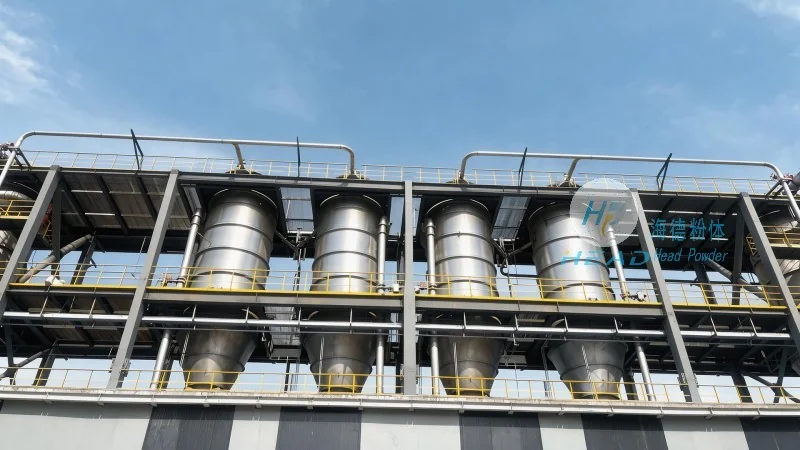
The physical properties of the phosphate material, such as particle size, moisture content, and abrasiveness, play a significant role in selecting the appropriate pressure type. Fine or powdery phosphates are more likely to require positive pressure conveyors, as the high air velocity helps to keep them in suspension and prevent clogging. Coarse or granular phosphates may be suitable for both positive and negative pressure systems, but positive pressure is often preferred for abrasive materials due to the higher air pressure that reduces wear on the system components. Additionally, if the phosphate material has high moisture content, which can cause agglomeration, a positive pressure system with pulse jets or rotary valves may be necessary to maintain consistent flow.
Energy consumption is a critical factor in selecting between positive and negative pressure systems. Positive pressure systems typically consume more energy due to the high air pressure required to move the material, but they are more efficient for long-distance conveying. Negative pressure systems consume less energy but may require more frequent maintenance due to the higher risk of clogging and wear. The initial cost of a positive pressure system is generally higher than that of a negative pressure system, as it includes larger and more powerful blowers or fans. However, the operational costs over time may be lower for positive pressure systems, especially when considering the reduced risk of downtime and material loss.
Positive pressure systems are generally more complex and require more maintenance due to the higher air pressure and the need for robust components to handle abrasive materials. Negative pressure systems are simpler and require less maintenance, but they may need more frequent cleaning and repair due to the higher risk of clogging. The choice between the two systems should also consider the availability of skilled personnel for maintenance and the overall operational reliability required for phosphate handling.
Choosing between positive pressure and negative pressure air conveying for phosphates is a decision that impacts the efficiency, cost, and safety of material handling operations. By understanding the characteristics and limitations of each system, and considering factors such as conveying distance, material properties, and operational requirements, industrial facilities can select the most appropriate air conveying method. Positive pressure systems are ideal for long-distance or complex layouts, while negative pressure systems are suitable for short-distance or simple applications. The key is to balance the advantages and disadvantages of each method to achieve optimal performance and minimize operational costs. For phosphates, the choice often depends on the specific material characteristics and the layout of the conveying system, with positive pressure generally being preferred for abrasive or fine materials over extended distances.

 Shandong Headpowder Engineering Co., Ltd.
 156-6277-7102(Manager Zhang)
  0531-83386006
  Zhangqiu District, Jinan City, Shandong Province, China
telephone
WeChatconsult
top