With more than 10‑year industry experience, Shandong Headpowder delivers full‑service pneumatic‑conveying systems and blowers, undertaking nationwide turn‑key powder‑handling projects.
When it comes to transporting barium carbonate, selecting the right pneumatic conveying method is crucial for efficiency and operational success. Two primary approaches dominate the industry: positive pressure conveying and negative pressure conveying. Understanding the differences between these systems is essential for optimizing material handling processes. This article explores the key factors that influence the choice between positive and negative pressure systems for barium carbonate transportation, helping you make an informed decision tailored to your specific needs.
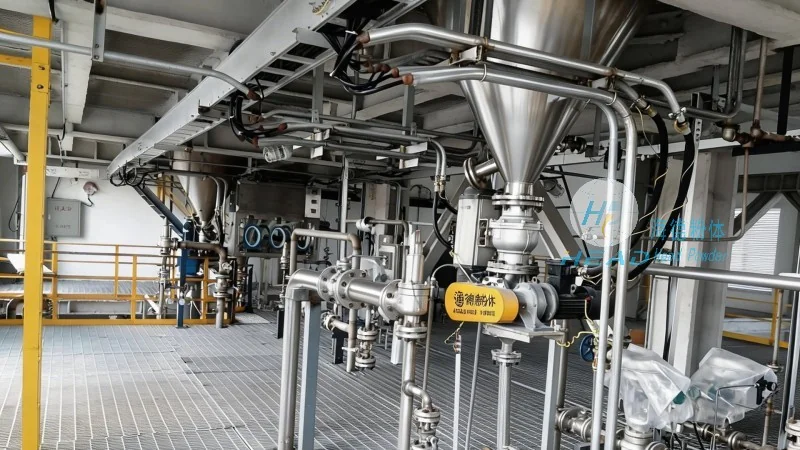
Positive pressure conveying, also known as pressure pneumatic conveying, involves blowing air or a gas mixture into the conveying line to move material. In this system, the conveying line is pressurized above atmospheric pressure, and the material is carried by the moving air stream. For barium carbonate applications, positive pressure systems are often preferred when dealing with abrasive or corrosive materials, as they can handle higher flow rates and provide better control over the material's trajectory. The equipment typically includes a positive displacement blower or a rotary lobe blower, which generates the necessary pressure to transport the material. This method is particularly effective for short to medium distance conveying and for applications where the material needs to be delivered to a specific location with minimal spillage.
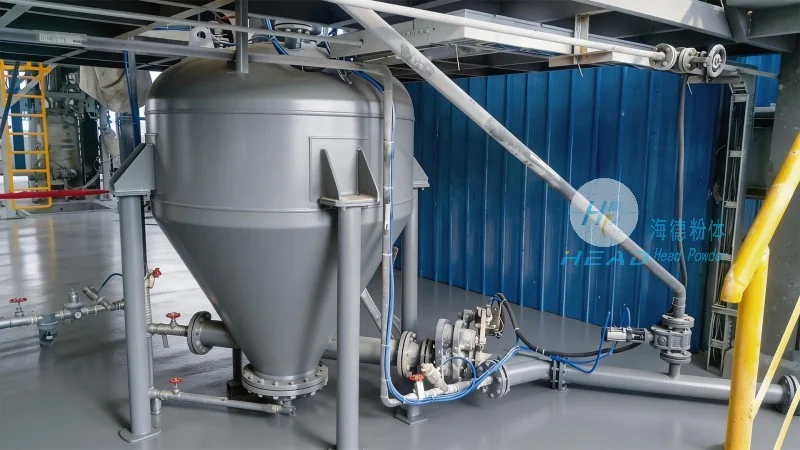
Positive pressure conveying offers several advantages when handling barium carbonate. Firstly, it provides consistent and reliable material flow, which is critical for maintaining production rates in industrial settings. The pressurized environment helps to prevent dust accumulation and ensures that the material moves smoothly through the system. Additionally, positive pressure systems are generally more robust and can handle higher material loads without compromising performance. This makes them suitable for applications where the barium carbonate is being transported in bulk quantities, such as in chemical manufacturing or mining operations. The equipment used in positive pressure systems is also designed to withstand the pressures involved, reducing the risk of leaks or system failures. Overall, positive pressure conveying is a versatile solution that can adapt to various operational conditions, making it a popular choice for many barium carbonate handling scenarios.
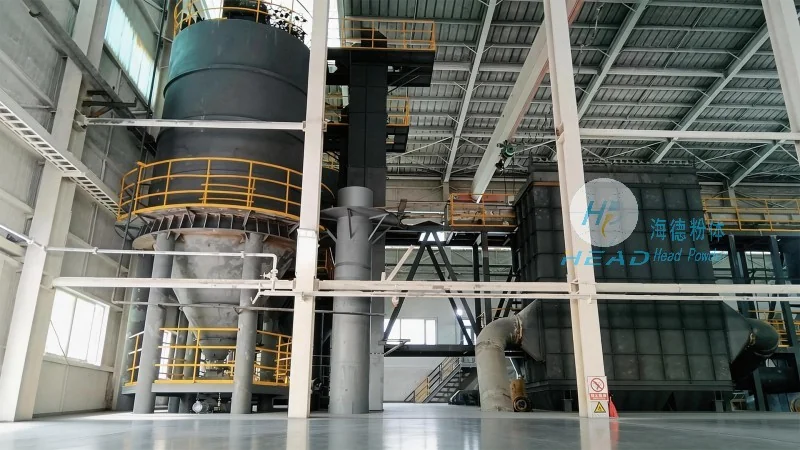
Negative pressure conveying, or vacuum pneumatic conveying, operates by creating a vacuum in the conveying line to draw material from the source. The material is then pulled through the system by the pressure differential between the source and the receiver. This method is often used for applications where the material needs to be transported over longer distances or where the source is located at a higher elevation than the receiver. Negative pressure systems are particularly effective for handling fine powders like barium carbonate, as they can minimize dust emissions and maintain a cleaner working environment. The equipment typically includes a vacuum pump or a rotary vane pump, which generates the necessary suction to move the material. This approach is ideal for applications where the material is sensitive to pressure changes or where the system needs to be enclosed to prevent contamination.
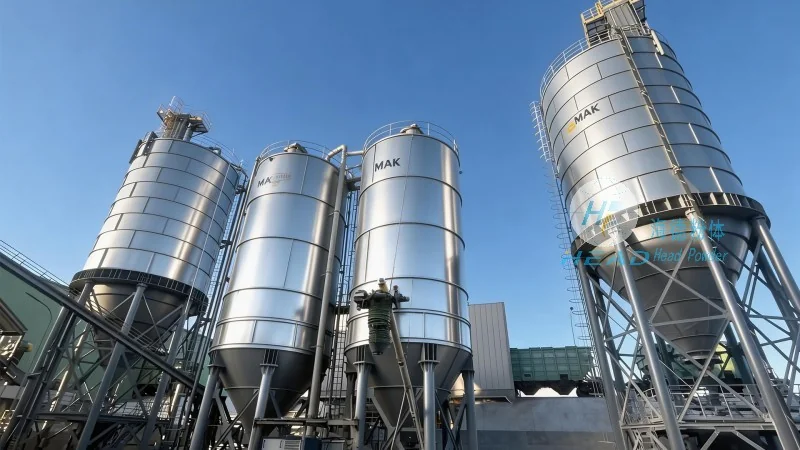
Negative pressure conveying offers distinct benefits for barium carbonate transportation. One of the primary advantages is its ability to handle long-distance conveying with minimal pressure loss. The vacuum created in the system allows the material to be drawn over greater distances without the need for additional boosters or pressure vessels. This makes it suitable for applications where the source and receiver are separated by significant distances, such as in large-scale industrial facilities or mining operations. Additionally, negative pressure systems are often more energy-efficient for long-distance transport, as they require less power to maintain the vacuum compared to the pressure required for positive conveying. The enclosed nature of negative pressure systems also helps to contain dust and prevent environmental contamination, which is important for handling materials like barium carbonate that may have health or safety implications. However, it's important to note that negative pressure systems may be less effective for handling abrasive or high-density materials, as the vacuum can sometimes lead to material buildup or blockages in the system.

 Shandong Headpowder Engineering Co., Ltd.
 156-6277-7102(Manager Zhang)
  0531-83386006
  Zhangqiu District, Jinan City, Shandong Province, China
telephone
WeChatconsult
top