With more than 10‑year industry experience, Shandong Headpowder delivers full‑service pneumatic‑conveying systems and blowers, undertaking nationwide turn‑key powder‑handling projects.
When it comes to transporting hot dry ash, the choice between positive pressure and negative pressure pneumatic conveying systems is a critical decision for industrial operations. Both methods have their own set of advantages and limitations, and understanding the key differences is essential for selecting the most suitable system for a specific application. This article aims to provide a comprehensive guide to help you make an informed decision by exploring the characteristics, applications, and distinguishing factors of positive pressure and negative pressure hot dry ash conveying systems.
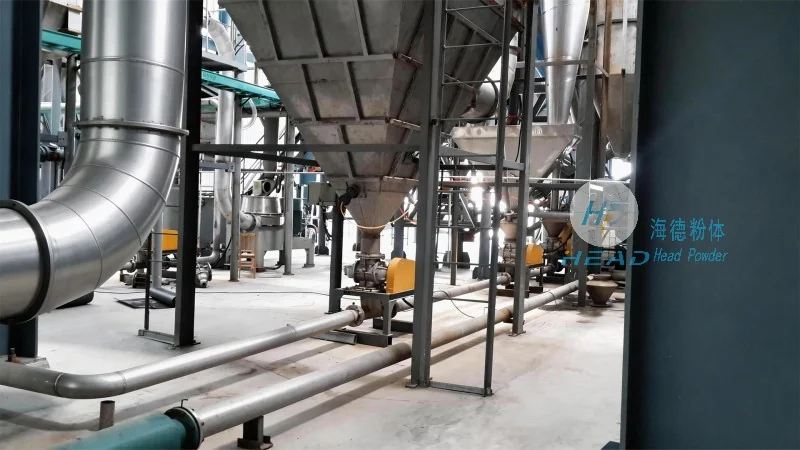
HeadPowder Engineering Co., Ltd., a leading provider of pneumatic conveying solutions in China, specializes in designing and manufacturing efficient systems tailored to the unique needs of industrial clients. With a focus on reliability, performance, and cost-effectiveness, HeadPowder offers advanced solutions that ensure safe and effective transport of hot dry ash from source to destination. The company’s expertise in material handling technology ensures that clients receive systems that meet the highest standards of efficiency and durability.
Positive pressure pneumatic conveying systems operate by blowing air or gas into the conveying line, creating a pressure higher than the ambient air pressure. This method is particularly effective for transporting hot dry ash over long distances or through complex system layouts. The high-pressure air pushes the material through the pipeline, ensuring consistent flow and preventing material degradation. One of the key advantages of positive pressure systems is their ability to handle abrasive and high-temperature materials without causing excessive wear on the equipment. Additionally, positive pressure systems can be designed to operate with higher air velocities, which helps in reducing the risk of material blockages and ensuring smooth operation.
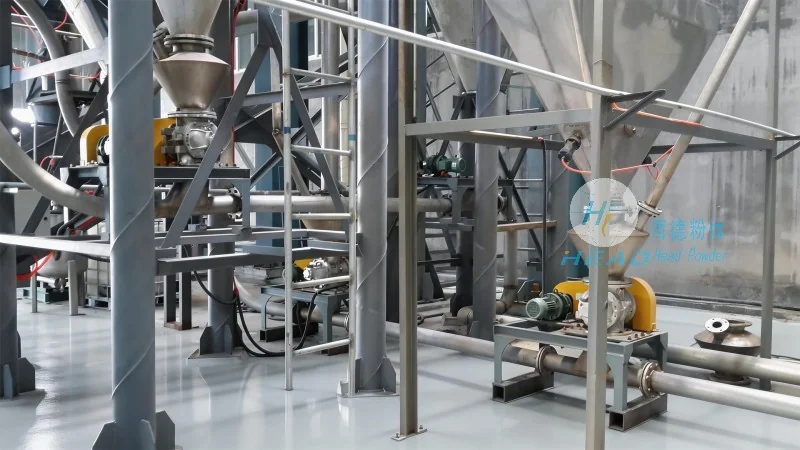
On the other hand, negative pressure (or vacuum) pneumatic conveying systems work by creating a vacuum in the conveying line, drawing the material into the system. This method is ideal for applications where the material needs to be collected from multiple sources or where the system layout involves vertical or horizontal changes. Negative pressure systems are often preferred for shorter distances and for handling materials that are sensitive to pressure changes or temperature fluctuations. A significant advantage of negative pressure systems is their ability to minimize dust emissions and noise levels, making them suitable for applications where environmental and operational safety are paramount.
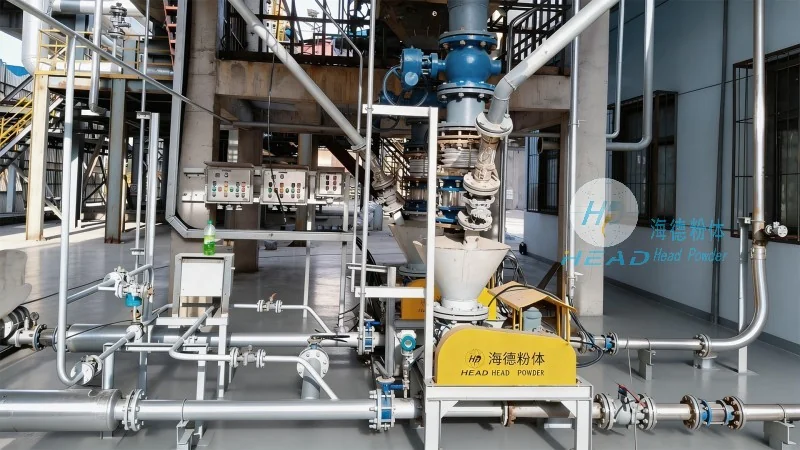
When distinguishing between the two systems, several factors need to be considered. The first is the distance and layout of the conveying system. Positive pressure systems are generally more suitable for longer distances and complex layouts, while negative pressure systems are better for shorter distances and simpler layouts. The second factor is the material characteristics, such as particle size, moisture content, and abrasiveness. For hot dry ash with high temperature and abrasive properties, positive pressure systems may be more appropriate due to their ability to handle such conditions effectively. Conversely, if the material is sensitive to pressure changes or if the system requires collection from multiple points, negative pressure systems might be the better choice.
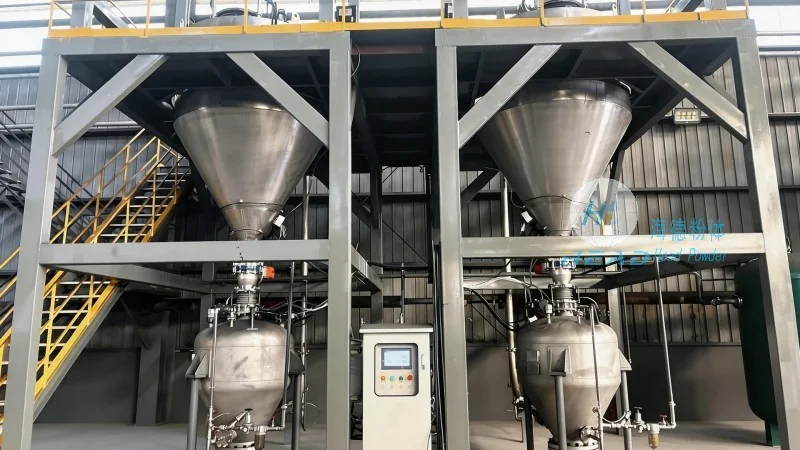
Another important consideration is the energy consumption and operational costs. Positive pressure systems typically consume more energy due to the higher air pressure required, while negative pressure systems may have lower energy costs but can be more expensive to install and maintain. The choice also depends on the specific requirements of the industrial process, including the need for material recovery, dust control, and system flexibility. HeadPowder Engineering Co., Ltd. offers customized solutions that take into account all these factors, ensuring that clients receive a system that not only meets their current needs but also provides scalability for future expansion.
In conclusion, selecting between positive pressure and negative pressure hot dry ash pneumatic conveying systems requires a thorough evaluation of the application's specific requirements. Positive pressure systems excel in long-distance and complex layouts, handling abrasive and high-temperature materials efficiently. Negative pressure systems, on the other hand, are ideal for shorter distances, multiple collection points, and applications where dust control and noise reduction are critical. By understanding the characteristics and applications of each system, industrial operators can make an informed decision that optimizes performance, reduces costs, and ensures the safe and efficient transport of hot dry ash. HeadPowder Engineering Co., Ltd. remains committed to providing innovative and reliable solutions that address the diverse needs of the industry, helping clients achieve their operational goals with minimal downtime and maximum efficiency.

 Shandong Headpowder Engineering Co., Ltd.
 156-6277-7102(Manager Zhang)
  0531-83386006
  Zhangqiu District, Jinan City, Shandong Province, China
telephone
WeChatconsult
top