With more than 10‑year industry experience, Shandong Headpowder delivers full‑service pneumatic‑conveying systems and blowers, undertaking nationwide turn‑key powder‑handling projects.
PVC powder, a widely used material in various industrial applications, often requires efficient and reliable transportation methods. Pneumatic conveying systems have become a preferred solution for handling PVC powders due to their ability to transport materials over long distances, minimize dust exposure, and maintain product integrity. However, the choice between positive pressure and negative pressure systems can significantly impact operational efficiency, cost, and safety. This article explores the key considerations for selecting the appropriate system for PVC powder pneumatic conveying and provides guidance on how to distinguish between the two.
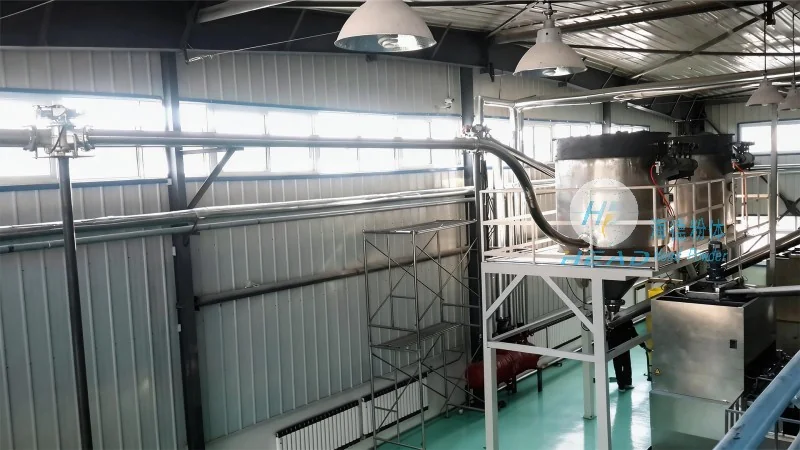
Positive pressure conveying systems operate by forcing air or a carrier gas through the material to be transported. The air is introduced at a higher pressure than the ambient environment, creating a flow that moves the powder from the source to the destination. This method is often used for short to medium distances and can handle materials with higher moisture content or those that are prone to caking. On the other hand, negative pressure (or vacuum) conveying systems draw air and material through a vacuum created by a fan or blower. The system pulls the powder from the source into the conveying line, making it suitable for longer distances and applications where dust containment is critical.
Several factors influence the decision between positive and negative pressure systems for PVC powder handling. The first is the distance between the source and destination. Positive pressure systems are generally more suitable for shorter distances, typically up to a few hundred meters, as the pressure drop over longer distances can reduce the conveying efficiency. Negative pressure systems, however, can effectively transport materials over longer distances, often exceeding 500 meters, by maintaining a consistent vacuum.
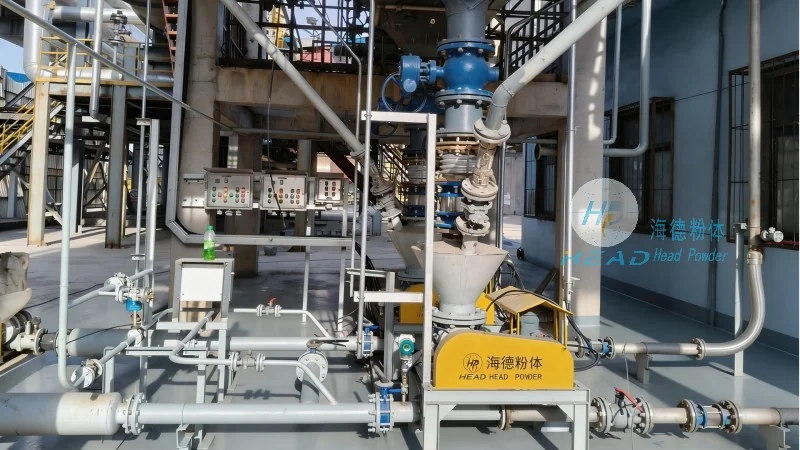
Another critical factor is the material properties of the PVC powder. Materials with high moisture content or those that are prone to agglomeration may require positive pressure systems, as the higher pressure can help break up clumps and ensure smooth flow. Conversely, materials that are sensitive to air exposure or require strict dust control may benefit from negative pressure systems, which minimize the release of particles into the environment.
Cost is also a significant consideration. Positive pressure systems often have lower initial investment costs and are simpler to install, as they do not require extensive vacuum equipment. However, they may incur higher operational costs due to the need for compressed air and potential energy consumption. Negative pressure systems, while having higher initial costs and requiring more complex vacuum equipment, can offer lower operational costs in terms of energy usage, especially for long-distance applications.
Safety considerations are another key aspect. Positive pressure systems can pose a risk of dust explosions if not properly designed, as the high-pressure air can disperse fine particles into the air. Negative pressure systems, by contrast, are generally safer as they draw material into the system, reducing the risk of dust release. This makes negative pressure systems more suitable for applications where explosion protection is a priority.
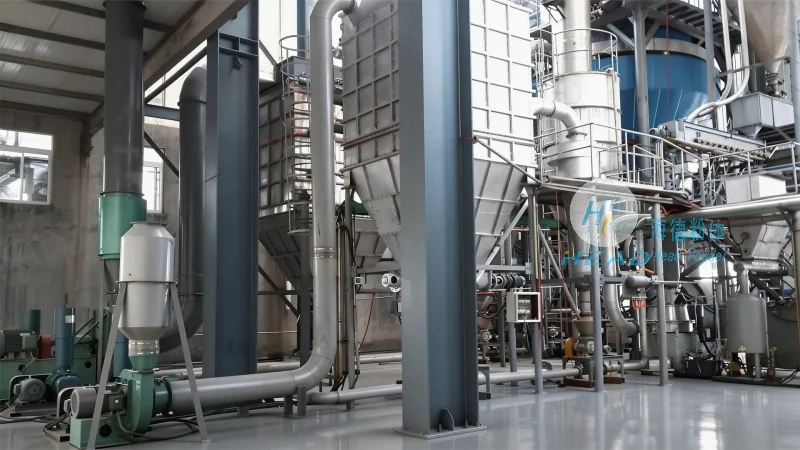
Distinguishing between positive and negative pressure pneumatic conveying systems involves understanding the fundamental principles of each system and evaluating the specific requirements of the PVC powder handling application. Here are some practical ways to identify the appropriate system:
- **Pressure Measurement**: Positive pressure systems operate at pressures above atmospheric, typically ranging from 0.5 to 2 bar, while negative pressure systems operate at pressures below atmospheric, often around -0.5 to -1 bar. Measuring the pressure at the inlet and outlet of the conveying line can help determine the system type.
- **Air Flow Direction**: In positive pressure systems, air flows from the compressor or blower into the conveying line, pushing the material forward. In negative pressure systems, air is drawn from the conveying line into the vacuum unit, pulling the material into the system.
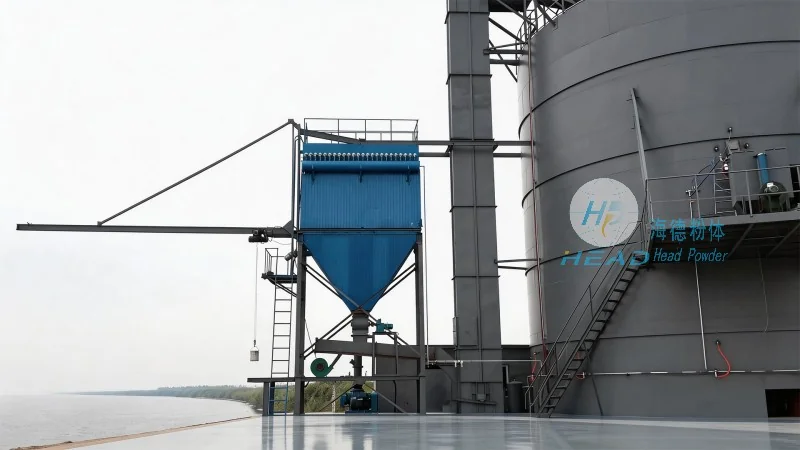
- **Equipment Configuration**: Positive pressure systems typically include a compressor, air filter, and material feed hopper, while negative pressure systems use a vacuum fan or blower, a dust collector, and a material receiver. The presence of a vacuum unit in the system indicates a negative pressure system.
- **Application Examples**: Positive pressure systems are commonly used in applications such as short-distance material transfer in chemical plants or food processing facilities. Negative pressure systems are often employed in long-distance dust collection and material transport in mining or construction industries.

 Shandong Headpowder Engineering Co., Ltd.
 156-6277-7102(Manager Zhang)
  0531-83386006
  Zhangqiu District, Jinan City, Shandong Province, China
telephone
WeChatconsult
top