With more than 10‑year industry experience, Shandong Headpowder delivers full‑service pneumatic‑conveying systems and blowers, undertaking nationwide turn‑key powder‑handling projects.
When it comes to handling aluminum dross through pneumatic conveying systems, the choice between positive pressure and negative pressure methods is a critical decision that impacts efficiency, cost, and operational safety. Aluminum dross, a byproduct of aluminum smelting processes, presents unique challenges due to its abrasive nature and varying particle sizes. Understanding the fundamental differences between positive and negative pressure conveying systems is essential for selecting the most suitable solution for your specific application. This article explores the key factors to consider when choosing between these two approaches, focusing on the technical aspects and practical implications for aluminum dross handling.

Pneumatic conveying is a widely used method for transporting bulk materials like aluminum dross over short to medium distances. It involves the use of air or gas to move material through a pipeline system. The two primary types of pneumatic conveying systems are positive pressure and negative pressure, each with distinct operational principles and applications. Positive pressure systems use a blower or compressor to generate air pressure that forces material through the pipeline, while negative pressure systems create a vacuum to draw material into the system.
The core distinction between positive and negative pressure conveying lies in the direction of air flow and the pressure differential within the system. Positive pressure systems operate by pushing material through the pipeline using compressed air, typically at pressures ranging from 0.5 to 2 bar. This method is generally more suitable for transporting abrasive materials like aluminum dross over longer distances or through complex piping networks. In contrast, negative pressure systems rely on a vacuum to pull material into the system, often using a fan or vacuum pump to create a pressure lower than atmospheric pressure. Negative pressure conveying is commonly used for shorter distances and for materials that are less abrasive or require a cleaner environment.
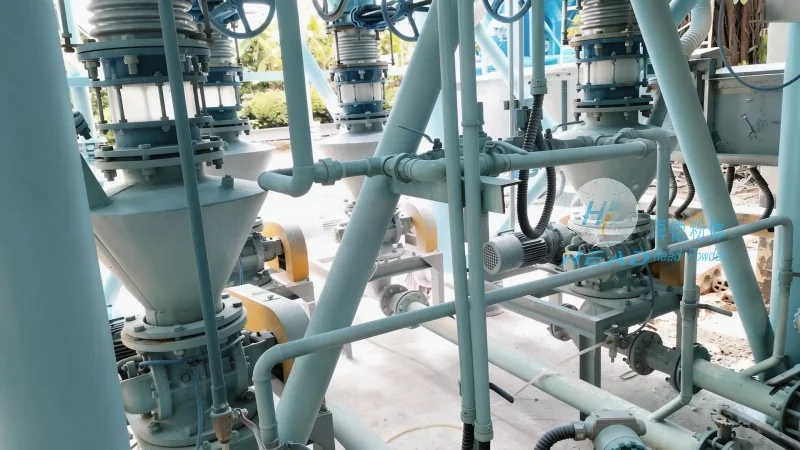
Several factors must be evaluated when deciding between positive and negative pressure pneumatic conveying for aluminum dross. These include the distance of material transport, the nature of the material (e.g., particle size, moisture content, and abrasiveness), the required system capacity, and the available space for equipment installation. The distance is a primary consideration, as positive pressure systems are generally more efficient for longer runs due to the ability to maintain consistent air pressure and material flow. For shorter distances, negative pressure systems may be more cost-effective and simpler to install. The abrasiveness of aluminum dross is another critical factor, as positive pressure systems can handle more abrasive materials without excessive wear on components, whereas negative pressure systems may require additional filtration to prevent dust accumulation.
Positive pressure pneumatic conveying systems typically consist of a blower, a hopper or feeder, a pipeline, and a receiver or discharge point. The blower generates compressed air that is directed into the pipeline, creating a pressure that propels the material forward. Key components include rotary airlocks, which prevent backflow and maintain system pressure, and pulse jet filters for air cleaning. For aluminum dross, which is often abrasive, positive pressure systems may incorporate wear-resistant materials in the pipeline and components to extend equipment life. The system capacity is determined by the blower's air volume and pressure, with higher capacities requiring larger blower units and more robust piping. The design of the system also considers the need for proper air filtration to comply with environmental regulations and to maintain the quality of the conveyed material.
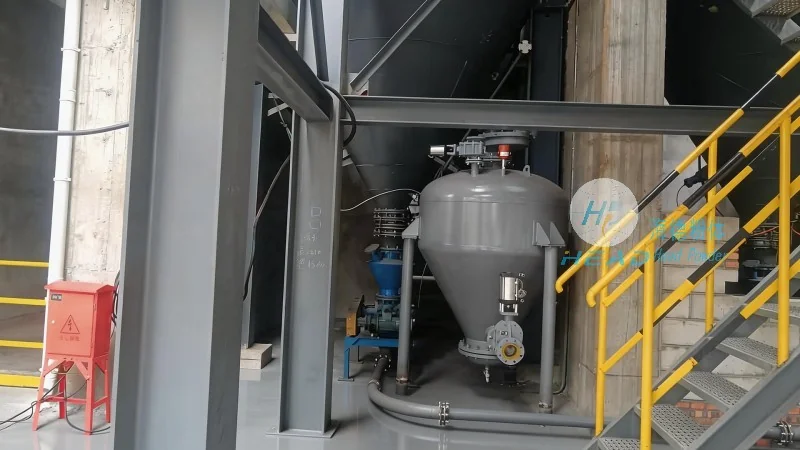
Negative pressure pneumatic conveying systems operate by creating a vacuum in the pipeline, which draws material from the source into the system. The system includes a vacuum fan or pump, a hopper or feeder, a pipeline, and a filter or dust collector to remove air contaminants. The vacuum level is typically maintained at 1 to 2 inches of mercury (inHg) or higher, depending on the material and distance. Key components include rotary valves or airlocks at the inlet to control material flow and prevent backflow, and high-efficiency particulate air (HEPA) filters to ensure clean air discharge. Negative pressure systems are often more compact and require less space for equipment installation compared to positive pressure systems. However, they may have lower system capacities and are more susceptible to clogging if the material contains large particles or high moisture content. The filtration system is critical in negative pressure conveying, as it must capture fine dust particles to prevent environmental contamination and maintain system performance.
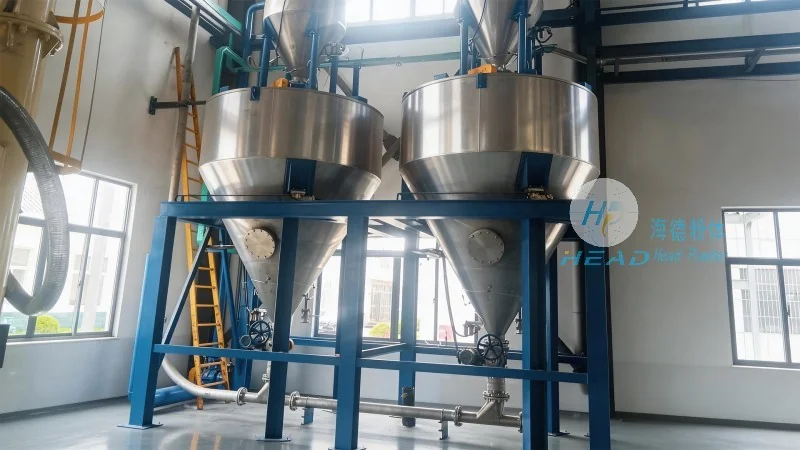
Real-world applications of positive and negative pressure pneumatic conveying for aluminum dross provide insights into their effectiveness. For instance, a large aluminum smelting plant in Shandong, China, uses a positive pressure system to transport aluminum dross from the processing line to a storage silo over a distance of 200 meters. The system employs a high-pressure blower and wear-resistant pipeline to handle the abrasive nature of the dross, achieving a conveying capacity of 50 tons per hour with minimal maintenance. In contrast, a smaller recycling facility uses a negative pressure system to transport dross from a collection bin to a processing unit over a distance of 50 meters. The negative pressure system, with its compact design and lower initial cost, meets the facility's needs for short-distance transport and provides a clean environment for material handling.
Choosing between positive and negative pressure pneumatic conveying for aluminum dross requires a thorough evaluation of operational requirements, material characteristics, and system constraints. Positive pressure systems are generally preferred for longer distances, higher capacities, and abrasive materials due to their superior efficiency and durability. Negative pressure systems are more suitable for shorter distances, lower capacities, and applications where a clean environment is critical. When selecting a system, it is essential to consider factors such as initial investment costs, operational costs (including energy consumption and maintenance), and the environmental impact of the system. Consulting with experienced engineers, such as those from Shandong HeadPowder Engineering Co., Ltd. based in Shandong, China, can provide valuable guidance in designing an optimal pneumatic conveying system tailored to specific aluminum dross handling needs. By carefully assessing these factors, industrial facilities can ensure efficient, cost-effective, and safe transport of aluminum dross, enhancing overall operational performance.

 Shandong Headpowder Engineering Co., Ltd.
 156-6277-7102(Manager Zhang)
  0531-83386006
  Zhangqiu District, Jinan City, Shandong Province, China
telephone
WeChatconsult
top