With more than 10‑year industry experience, Shandong Headpowder delivers full‑service pneumatic‑conveying systems and blowers, undertaking nationwide turn‑key powder‑handling projects.
For industries dealing with corn flour, the efficient and reliable operation of pneumatic conveying systems is crucial. However, one of the most common challenges is pipeline blockages, which can lead to downtime and increased maintenance costs. Understanding and implementing the right design parameters are essential to prevent such issues. This article explores how to effectively prevent pipeline blockages in corn flour conveying using pneumatic systems, with a focus on key design considerations.
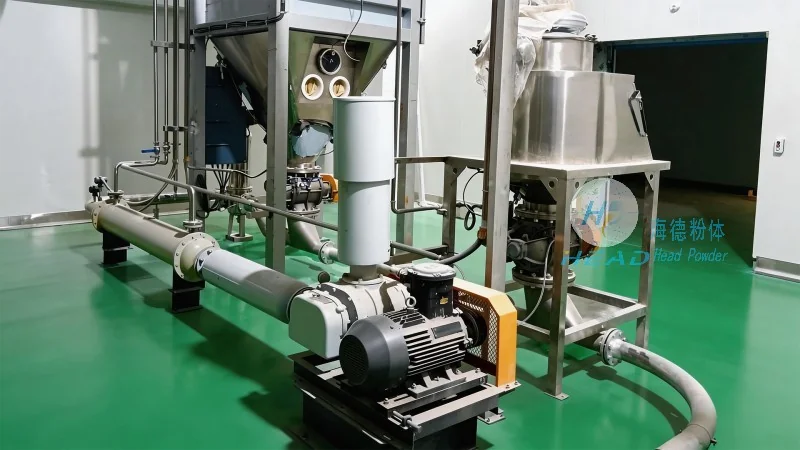
Pneumatic conveying systems are widely used in the food processing industry, particularly for handling fine powders like corn flour. These systems use air or gas to transport materials through pipelines, offering advantages such as low maintenance, flexibility, and the ability to handle sensitive products without contamination. However, the nature of corn flour—its fine particle size, hygroscopic properties, and tendency to agglomerate—makes it prone to causing blockages if the system is not properly designed and operated.
Several critical design parameters must be considered to ensure smooth operation and prevent blockages in pneumatic conveying systems for corn flour. These parameters include system pressure, air velocity, pipeline diameter, and material flow rate. Each plays a vital role in maintaining the integrity of the conveying process.
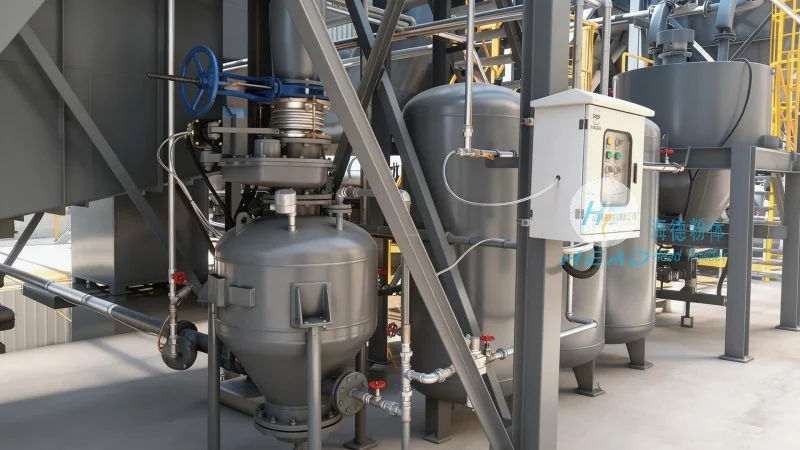
System pressure and the corresponding air velocity are fundamental to the performance of a pneumatic conveying system. Insufficient air velocity can cause particles to settle and accumulate in the pipeline, leading to blockages. Conversely, excessive air velocity may cause wear and tear on equipment and increase energy consumption. For corn flour, an optimal air velocity typically ranges from 20 to 30 meters per second, depending on the particle size and moisture content. Maintaining this velocity ensures that particles remain suspended and move efficiently through the pipeline.
The diameter of the conveying pipeline is another critical factor. Smaller diameters increase the risk of blockages as the cross-sectional area is reduced, making it harder for particles to move freely. Larger diameters, while reducing blockage risk, increase system cost and energy consumption. The length of the pipeline also impacts the system's performance; longer pipelines require higher air pressure to maintain the necessary velocity. Proper sizing of the pipeline diameter and length, based on the material's characteristics and the required conveying distance, is essential to prevent blockages.
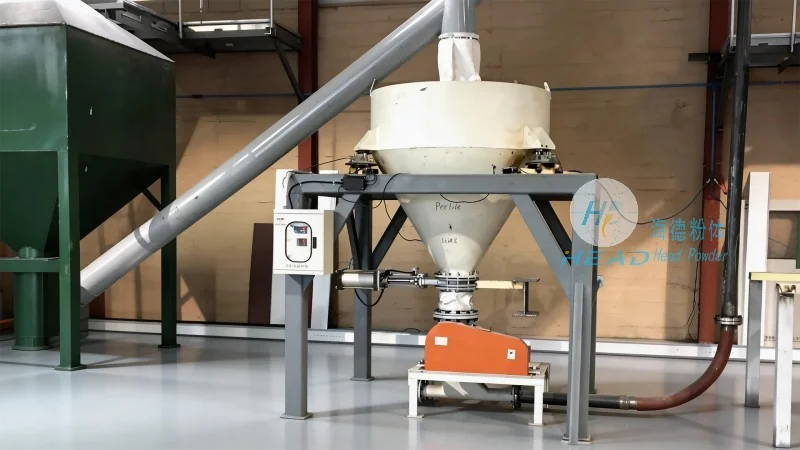
The flow rate of corn flour and the concentration of the material in the air stream are also important design parameters. A higher flow rate can increase the risk of blockages if the air velocity is not sufficient to keep particles suspended. The concentration of the material in the air stream, often referred to as the "concentration ratio," should be optimized to balance conveying efficiency and the risk of blockages. For corn flour, a concentration ratio of 10-15% is commonly recommended to ensure efficient transport without causing clogs.
The overall system configuration, including the type of conveying system (e.g., dilute-phase or dense-phase), and the components used, such as cyclones, filters, and check valves, also influence the risk of blockages. Dilute-phase systems, which use low material concentration, are generally more effective for preventing blockages in corn flour. Additionally, incorporating check valves and surge tanks can help regulate the flow and prevent backflow, which can contribute to blockages.
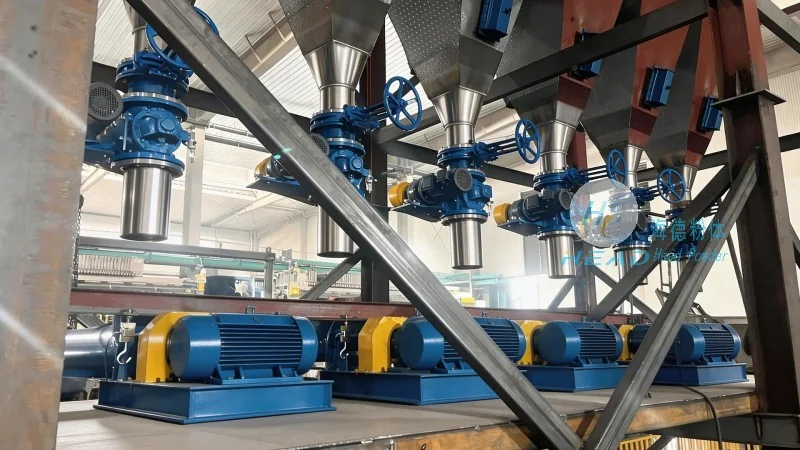
Shandong HeadPowder Engineering Co., Ltd., a leading provider of pneumatic conveying solutions, specializes in designing and manufacturing systems tailored to the specific needs of corn flour processing. With years of experience in the industry, HeadPowder understands the unique challenges of handling fine powders and provides customized solutions that incorporate the key design parameters discussed above. The company's expertise ensures that clients can achieve reliable and efficient conveying operations, minimizing the risk of blockages and maximizing productivity.
Preventing pipeline blockages in pneumatic conveying systems for corn flour requires a comprehensive approach that considers system pressure, air velocity, pipeline diameter, material flow rate, and system configuration. By optimizing these design parameters and working with experienced providers like Shandong HeadPowder Engineering Co., Ltd., industries can ensure smooth and efficient operation, reducing downtime and maintenance costs. The key is to balance the system's performance with the material's characteristics, creating a solution that is both effective and reliable.

 Shandong Headpowder Engineering Co., Ltd.
 156-6277-7102(Manager Zhang)
  0531-83386006
  Zhangqiu District, Jinan City, Shandong Province, China
telephone
WeChatconsult
top