With more than 10‑year industry experience, Shandong Headpowder delivers full‑service pneumatic‑conveying systems and blowers, undertaking nationwide turn‑key powder‑handling projects.
Hydroxide aluminum powder, a widely used industrial material, often requires efficient and reliable transportation methods for processing and distribution. Pneumatic conveying, a technology that utilizes air or gas to transport bulk materials, offers an effective solution for handling hydroxide aluminum powder. This article introduces the working principle of hydroxide aluminum powder pneumatic conveying and its classification applications, providing insights into the technology's practical implementation and benefits.
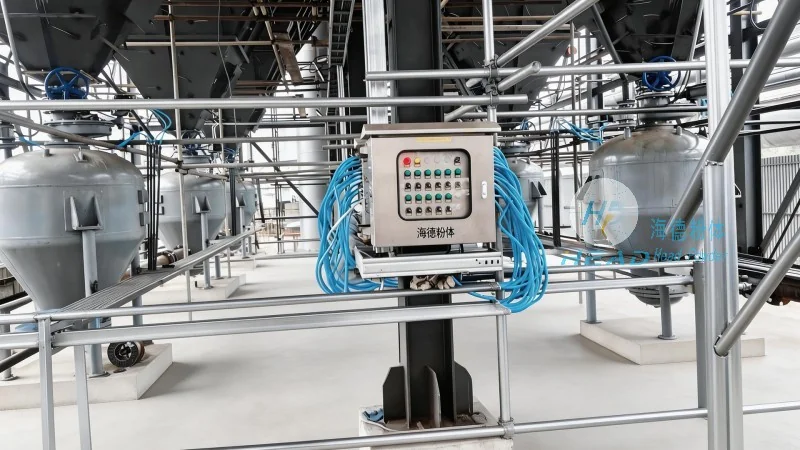
HeadPowder, short for Shandong HeadPowder Engineering Co., Ltd., is a professional manufacturer and supplier specializing in pneumatic conveying systems and related equipment. With a focus on innovation and quality, HeadPowder has established itself as a trusted partner in the industrial material handling sector. The company is headquartered in Shandong, China, and serves clients globally with customized solutions tailored to their specific needs.
Pneumatic conveying operates on the principle of transporting solid particles through a pipeline using air or gas. For hydroxide aluminum powder, the process typically involves creating a pressure differential or utilizing vacuum to move the powder from the source to the destination. The key components of a pneumatic conveying system include a hopper, a conveyor line, a fan or blower, and a receiver. The powder is first fed into the hopper, where it is then drawn into the conveyor line by the air flow generated by the fan. As the air and powder mixture travels through the pipeline, the powder is suspended and transported efficiently. The receiver at the end of the line collects the powder, separating it from the air using a filter or cyclone. This process ensures a clean and controlled transfer of hydroxide aluminum powder, minimizing dust and contamination.
Hydroxide aluminum powder pneumatic conveying systems can be classified into two main types based on the pressure used: pressure conveying and vacuum conveying. Each type has distinct characteristics and is suitable for different applications.
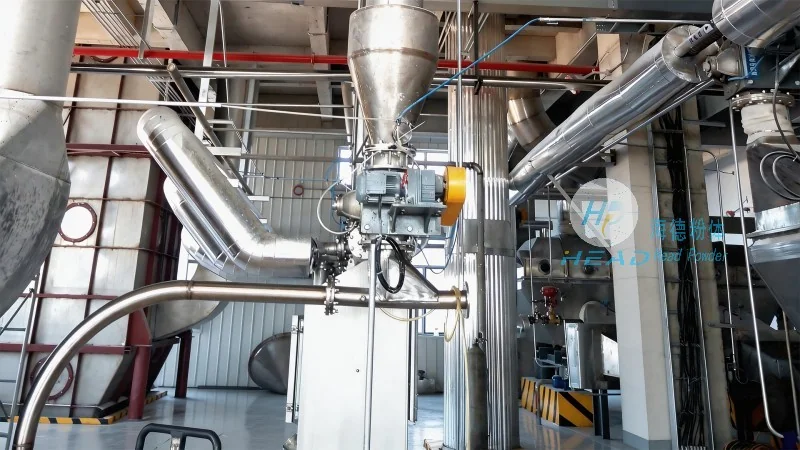
Pressure conveying systems operate by supplying air or gas under pressure to the conveyor line. The pressure is generated by a positive displacement blower or a centrifugal fan. This method is suitable for long-distance or high-volume transportation of hydroxide aluminum powder. The high-pressure air creates a strong flow that can overcome the resistance of the pipeline and the weight of the powder, ensuring efficient movement. Pressure conveying is often used in industrial settings where the powder needs to be transported from a central storage to multiple processing points or to a central processing facility.
Vacuum conveying systems, also known as suction conveying, operate by creating a vacuum in the conveyor line. The vacuum is generated by a vacuum pump or a fan. This method is ideal for short-distance or low-volume transportation of hydroxide aluminum powder, especially when the material needs to be collected from multiple points or from a difficult-to-access location. The vacuum draws the powder into the pipeline, and the air flow carries it to the receiver. Vacuum conveying is commonly used in applications where the powder is generated at the source and needs to be transported to a central collection point, such as in powder handling and processing plants.
The classification of pneumatic conveying systems allows for tailored solutions for various application scenarios of hydroxide aluminum powder. These applications range from industrial production to material processing and distribution.
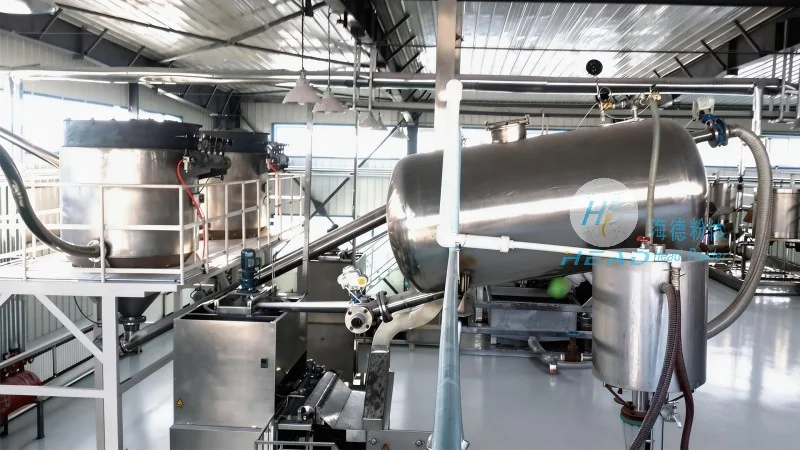
In the production of hydroxide aluminum powder, pneumatic conveying is used to transport raw materials or intermediate products between different processing stages. For example, in the manufacturing of aluminum hydroxide, the powder may need to be transported from a grinding and classification unit to a drying or packaging unit. Pneumatic conveying ensures a continuous and efficient flow of material, reducing downtime and improving overall production efficiency. The technology also helps maintain the quality of the powder by minimizing exposure to air and moisture, which can affect its properties.
For bulk storage and handling of hydroxide aluminum powder, pneumatic conveying systems are used to transfer the material between storage silos, processing equipment, and packaging lines. The systems can be integrated with storage facilities to automate the loading and unloading of powder, improving operational efficiency and reducing labor costs. The ability to transport the powder in a closed system also helps maintain a clean and safe working environment, as it prevents dust from spreading and reduces the risk of contamination.
When applying pneumatic conveying to hydroxide aluminum powder, environmental and safety considerations are crucial. The systems are designed to minimize dust emissions and ensure proper ventilation. Filters and cyclones are used to separate the powder from the air, preventing dust from being released into the atmosphere. Additionally, the systems are equipped with safety features such as pressure relief valves and emergency shut-off mechanisms to prevent accidents and ensure the safety of operators. HeadPowder's solutions are designed to meet these requirements, providing reliable and safe pneumatic conveying systems for hydroxide aluminum powder applications.

 Shandong Headpowder Engineering Co., Ltd.
 156-6277-7102(Manager Zhang)
  0531-83386006
  Zhangqiu District, Jinan City, Shandong Province, China
telephone
WeChatconsult
top