With more than 10‑year industry experience, Shandong Headpowder delivers full‑service pneumatic‑conveying systems and blowers, undertaking nationwide turn‑key powder‑handling projects.
HeadPowder, a leading engineering company based in Shandong, China, specializes in the design and implementation of advanced material handling solutions. This article provides an overview of sponge sand conveying systems, highlighting the key advantages of air-driven transport technology used in these applications.
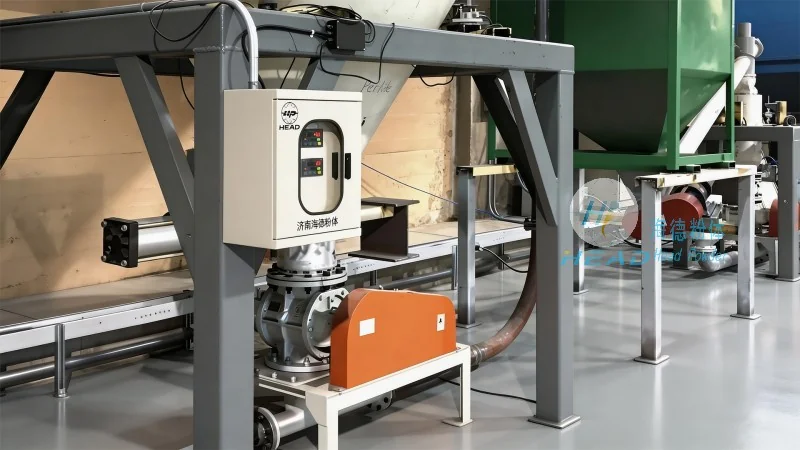
Sponge sand, also known as expanded sand or lightweight sand, is a specialized material commonly used in foundry and casting processes. Its unique properties, including low density and high flowability, make it an ideal medium for efficient material transport. The sponge sand conveying system is engineered to handle these characteristics effectively, ensuring reliable and continuous material movement from storage to processing areas.
The sponge sand conveying system typically consists of several critical components that work in tandem to achieve optimal performance. These include a hopper for material storage, a rotary valve or feeder to control the flow rate, a series of ducts or pipelines for air and material transport, and a receiver or discharge unit for material delivery. Each component is designed to handle the specific demands of sponge sand, ensuring minimal material degradation and efficient operation.
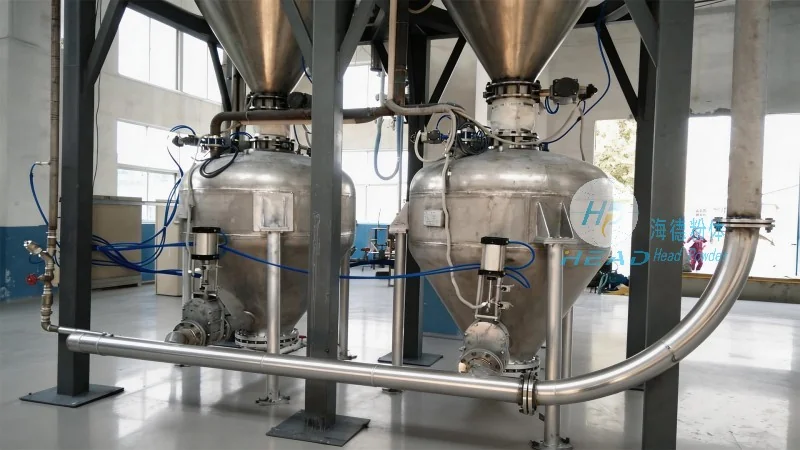
One of the most significant advantages of air-driven transport in sponge sand systems is the ability to move material over long distances without the need for mechanical components like belts or chains. This eliminates the risk of material contamination and reduces maintenance requirements. The system operates by using compressed air to create a flow of material through the ducts, allowing for precise control over the conveying rate and direction.
The air-driven approach to sponge sand transport offers substantial efficiency gains and cost savings for industrial operations. By eliminating the need for multiple transfer points and mechanical conveyors, the system reduces energy consumption and operational downtime. Additionally, the consistent flow of material minimizes waste and improves overall production throughput, making it a cost-effective solution for businesses in the foundry and casting sectors.
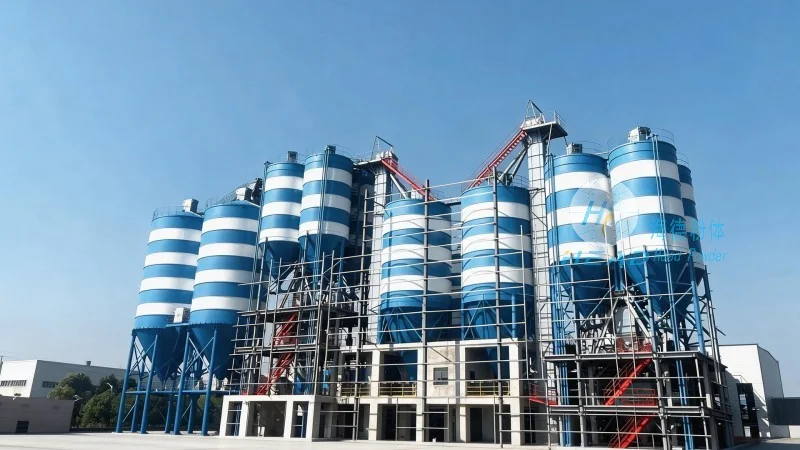
Another key advantage of the air-driven sponge sand conveying system is its positive environmental impact and enhanced safety features. Unlike traditional mechanical systems that may generate dust or require frequent cleaning, the pneumatic system operates in a closed loop, containing dust and preventing air pollution. This not only improves workplace safety but also complies with environmental regulations, making it a sustainable choice for modern manufacturing.
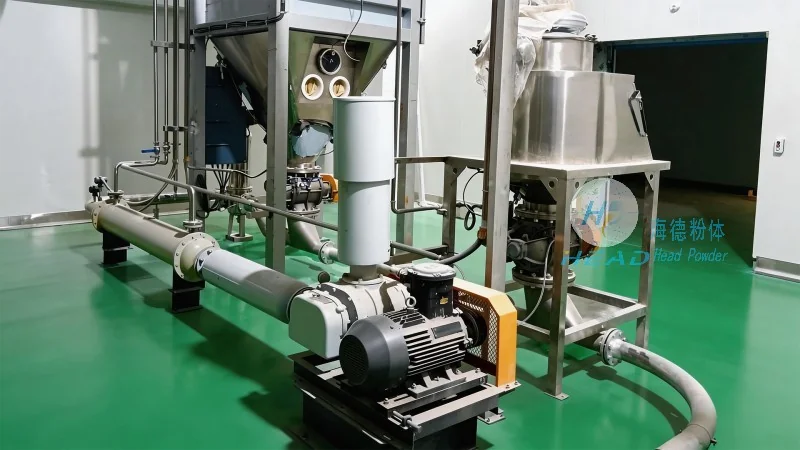
HeadPowder understands that each industrial application has unique requirements. Therefore, the sponge sand conveying systems are highly customizable to meet specific operational needs. Whether it's a small-scale setup for a foundry or a large-scale system for an industrial plant, the company offers tailored solutions that can be scaled up or down as production demands change. This flexibility ensures that clients receive a system that is perfectly matched to their needs, maximizing efficiency and minimizing costs.
In conclusion, the sponge sand conveying system, powered by air-driven technology, represents a sophisticated and efficient solution for material handling in the foundry and casting industries. With its ability to handle specialized materials like sponge sand, the system offers numerous advantages including enhanced efficiency, cost savings, environmental benefits, and scalability. As a trusted provider of engineering solutions, HeadPowder continues to innovate and deliver high-quality systems that meet the evolving needs of its clients in Shandong and beyond.

 Shandong Headpowder Engineering Co., Ltd.
 156-6277-7102(Manager Zhang)
  0531-83386006
  Zhangqiu District, Jinan City, Shandong Province, China
telephone
WeChatconsult
top