

Classification and Composition of Carboxymethyl Cellulose Pneumatic Conveying Systems
Carboxymethyl cellulose (CMC) is a versatile chemical additive widely utilized across diverse industries, including food, pharmaceuticals, and construction. Its role as a thickening, stabilizing, and binding agent makes it essential for many products, and the efficient transportation of CMC powder is critical to maintaining product consistency and operational productivity. Pneumatic conveying systems offer a non-contact, low-maintenance method for moving CMC, which is particularly valuable given its fine particle size and potential for static charge. This article explores the classification and fundamental components of CMC pneumatic conveying systems, providing insights into how these systems are designed to meet the specific demands of CMC handling.
Classification of Carboxymethyl Cellulose Pneumatic Conveying Systems
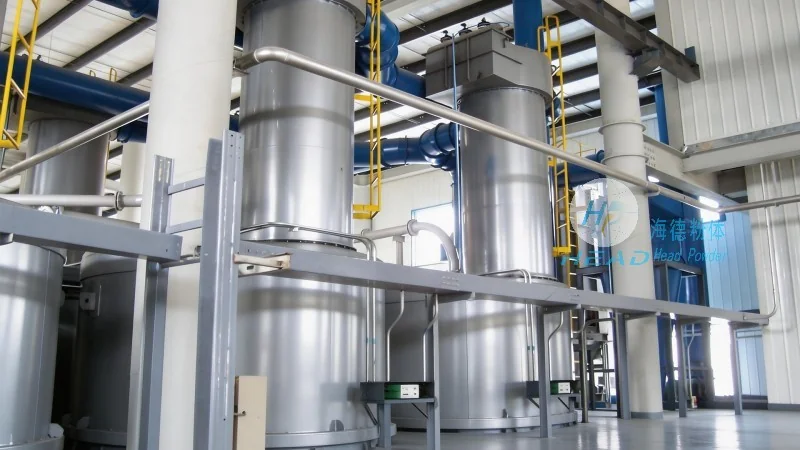
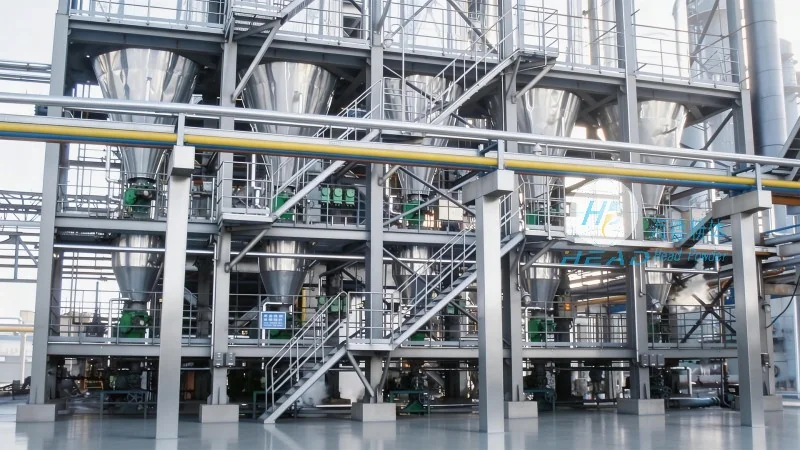
Carboxymethyl cellulose pneumatic conveying systems are typically categorized based on the pressure differential and the direction of material flow. The primary classifications include positive pressure systems, negative pressure (or vacuum) systems, and hybrid systems. Positive pressure systems employ a blower or compressor to generate air pressure, propelling the material through the pipeline. This method is suitable for short to medium conveying distances and is effective for materials that are prone to caking or have a high dust content. Negative pressure systems, conversely, use a vacuum pump to draw material into the system, creating a suction effect that pulls the material through the pipeline. These systems are often preferred for longer distances or when the material is sensitive to pressure changes. Hybrid systems combine elements of both positive and negative pressure, allowing for flexible operation and the ability to adapt to varying material characteristics and system requirements. The choice of classification depends on factors such as the material's physical properties, the required conveying distance, and the available space for system installation.
Key Components of Carboxymethyl Cellulose Pneumatic Conveying Systems
The successful operation of a CMC pneumatic conveying system relies on a series of interconnected components that work together to ensure reliable material transport. The material feed system is the initial stage, responsible for introducing CMC powder into the system. This component often includes a hopper with a rotary valve or a screw feeder, which provides a controlled and consistent flow of material, preventing blockages and maintaining uniform delivery. The air supply unit is the next critical component, which may consist of a centrifugal blower, rotary lobe blower, or vacuum pump, depending on the system's pressure requirements. The blower or compressor generates the necessary air pressure or vacuum to move the material through the pipeline. The conveying pipeline, typically constructed from stainless steel or other corrosion-resistant materials, is designed to handle the abrasive nature of CMC and the potential for moisture or chemical exposure. The pipeline is equipped with bends, elbows, and straight sections to guide the material flow efficiently. At the receiving end, material separation equipment, such as cyclone separators or bag filters, separates the CMC from the air stream. This equipment ensures that the product is recovered in a clean and dry state, while the exhaust air is properly filtered to meet environmental regulations. Additionally, control systems, including pressure sensors, flow meters, and automation controls, monitor and regulate the system's performance, ensuring optimal operation and preventing issues such as overpressure or material buildup.
Company Overview: Shandong HeadPowder Engineering Co., Ltd.
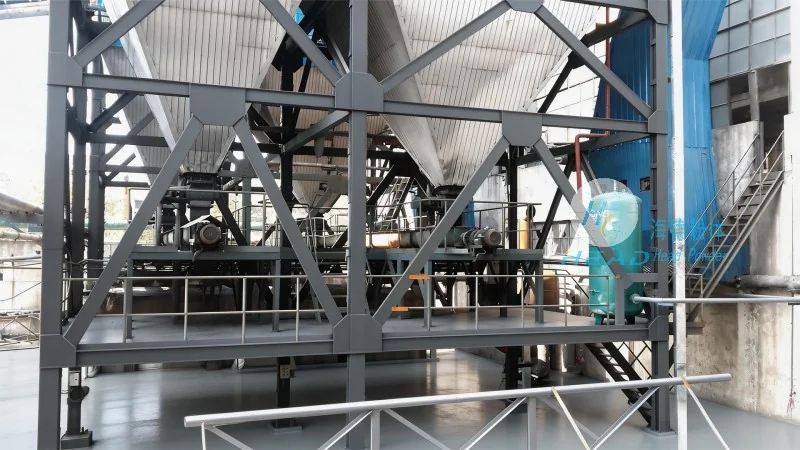
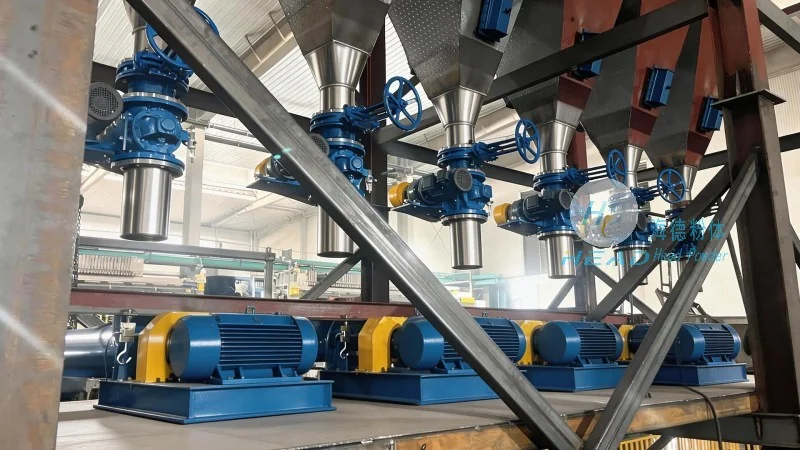
HeadPowder, a leading engineering firm specializing in the design and manufacturing of advanced material handling solutions, is committed to delivering high-performance CMC pneumatic conveying systems. With a strong presence in Shandong, China, HeadPowder leverages its expertise in process engineering and material science to develop customized systems that meet the unique needs of industrial clients. The company's team of experienced engineers and technicians work closely with customers to understand their operational challenges and provide tailored solutions that enhance efficiency and reduce downtime. HeadPowder's focus on quality and innovation has established it as a trusted partner in the industry, with a reputation for delivering reliable, durable, and cost-effective pneumatic conveying equipment. By combining advanced technology with customer-centric service, HeadPowder helps businesses optimize their material handling processes and achieve their production goals.