With more than 10‑year industry experience, Shandong Headpowder delivers full‑service pneumatic‑conveying systems and blowers, undertaking nationwide turn‑key powder‑handling projects.
Bulk material conveying systems, commonly referred to as bulk material handling systems, are specialized industrial solutions designed to transport, store, and manage bulk materials such as powders, granules, and other particulate substances. These systems are integral to various industries, including pharmaceuticals, food processing, chemical manufacturing, and mining, where efficient material handling is critical for operational efficiency and product quality. The core components of a bulk material conveying system typically include a hopper for material storage, a conveyor mechanism for movement, and control systems for operation. The design of these systems is tailored to the specific characteristics of the material being handled, such as particle size, density, and flowability, ensuring optimal performance and minimal material degradation.
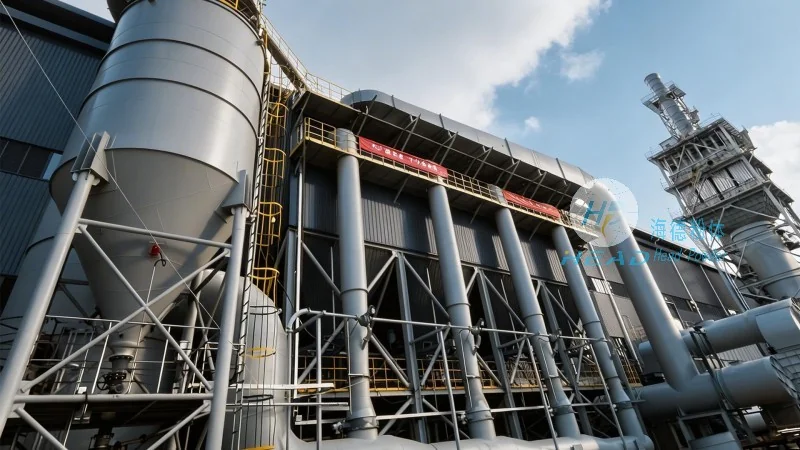
The functionality of a bulk material conveying system relies on several key components that work in harmony to achieve efficient material handling. The primary component is the hopper, which serves as the storage vessel for the bulk material. Hoppers are designed with specific geometries, such as conical or rectangular shapes, to facilitate material flow and prevent clogging. The material is then transferred from the hopper to the conveyor system, which may include screw conveyors, belt conveyors, or pneumatic conveyors, depending on the application. Screw conveyors are ideal for moving materials horizontally or at a slight incline, while belt conveyors are suitable for longer distances and heavier loads. Pneumatic conveyors, on the other hand, use air pressure to transport materials, making them suitable for dusty or abrasive materials. Control systems, including sensors and programmable logic controllers (PLCs), monitor the flow of material and adjust the conveyor speed as needed to maintain consistent operation. These components are carefully integrated to ensure smooth and reliable material transport.
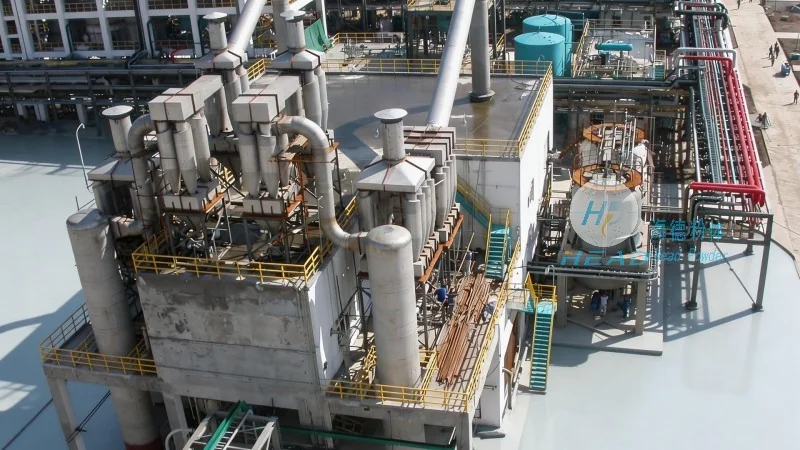
The design of a bulk material conveying system is governed by several fundamental principles aimed at maximizing efficiency, minimizing energy consumption, and ensuring safety. One of the primary design principles is the consideration of material properties. Engineers must account for factors such as particle size distribution, density, and flowability to select the appropriate conveyor type and hopper design. For example, cohesive materials may require a hopper with a steep angle to prevent bridging, while free-flowing materials can be handled with a more moderate angle. Another critical principle is the minimization of material degradation. This involves selecting materials for the hopper and conveyor components that are resistant to abrasion and corrosion, as well as implementing gentle handling mechanisms to avoid breakage or compaction of the material. Energy efficiency is also a key consideration, with designs optimized to reduce power consumption while maintaining the required conveying capacity. Additionally, safety is paramount, with features such as emergency stop buttons, overload protection, and proper ventilation to prevent dust accumulation and explosions.
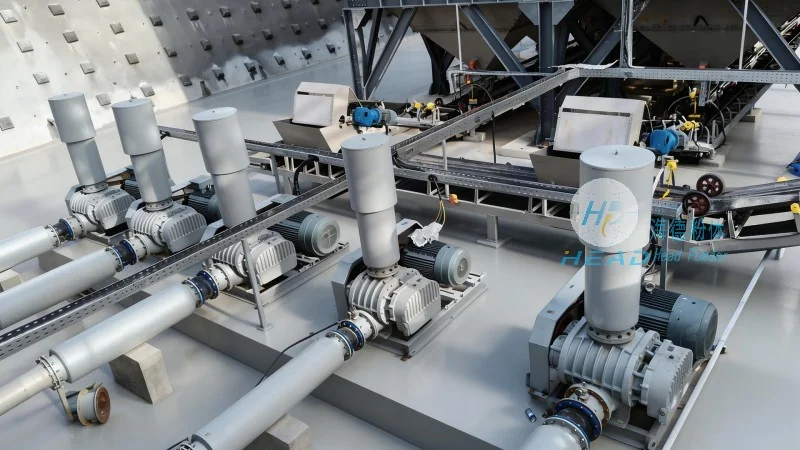
Bulk material conveying systems find widespread application across various industries due to their versatility and efficiency. In the pharmaceutical industry, these systems are used to transport raw materials and finished products, ensuring strict contamination control and compliance with regulatory standards. The food processing industry relies on bulk material conveying systems for handling ingredients like flour, sugar, and spices, where hygiene and product integrity are paramount. In chemical manufacturing, these systems are essential for transporting reactive or hazardous materials, with designs that include explosion-proof components and sealed systems to prevent leaks. The mining industry uses bulk material conveying systems to transport ore from mines to processing facilities, often over long distances and challenging terrain. These systems are also utilized in the agricultural sector for handling grains and other agricultural products, as well as in the construction industry for transporting bulk materials like sand and gravel.
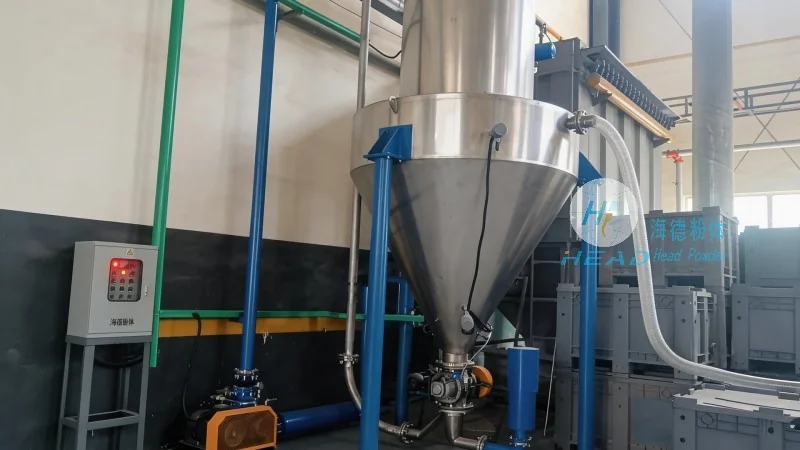
At Shandong HeadPowder Engineering Co., Ltd., we specialize in designing and manufacturing customized bulk material conveying systems tailored to the unique needs of our clients. Our team of experienced engineers works closely with customers to understand their specific material handling requirements, operational constraints, and budget considerations. We offer a range of solutions, from standard conveyor systems to fully integrated bulk material handling solutions that include storage, conveying, and packaging. Our design process follows a systematic approach, starting with a thorough analysis of the material properties and application requirements, followed by the selection of appropriate components and the development of a detailed design. We utilize advanced simulation tools to optimize the system's performance and ensure that it meets the client's performance targets. Our commitment to quality and innovation ensures that our systems are reliable, efficient, and cost-effective. With our headquarters in Shandong, China, we serve clients globally, providing technical support and after-sales service to ensure the long-term performance of our systems.

 Shandong Headpowder Engineering Co., Ltd.
 156-6277-7102(Manager Zhang)
  0531-83386006
  Zhangqiu District, Jinan City, Shandong Province, China
telephone
WeChatconsult
top