With more than 10‑year industry experience, Shandong Headpowder delivers full‑service pneumatic‑conveying systems and blowers, undertaking nationwide turn‑key powder‑handling projects.
Understanding the classification and composition of polyacrylamide pneumatic conveying systems is crucial for selecting the right equipment for various industrial applications. These systems are designed to transport polyacrylamide, a widely used polymer in water treatment and other processes, efficiently and safely. The classification of such systems typically depends on the method of air supply and the direction of material flow.
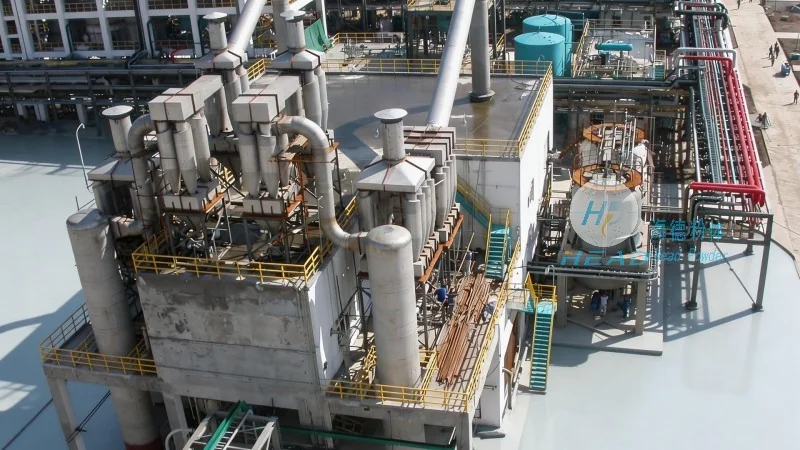
There are primarily two main categories of polyacrylamide pneumatic conveying systems: suction type and pressure type. The suction system operates by creating a negative pressure at the material inlet, drawing the polyacrylamide particles into the conveying line using a vacuum source. This method is suitable for applications where the material is to be collected from a source and transported to a processing unit. The pressure system, on the other hand, uses a positive pressure to push the material through the pipeline, often employing a blower or compressor to generate the necessary pressure. This type is ideal for long-distance or high-capacity transport needs.
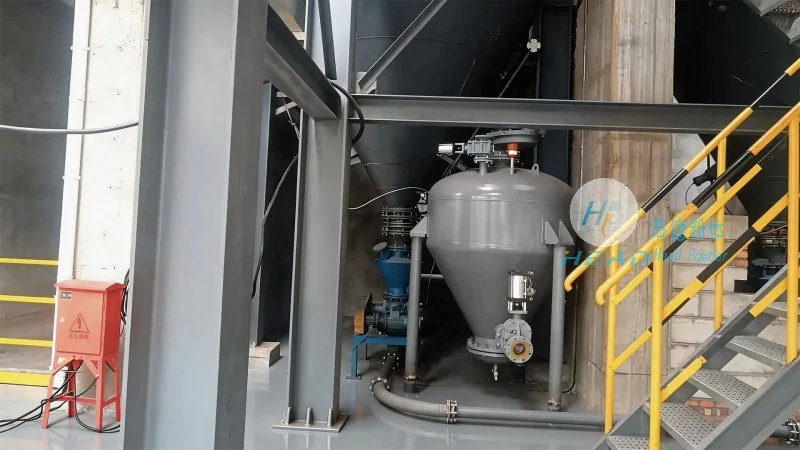
The effective operation of a polyacrylamide pneumatic conveying system relies on several critical components that work in tandem to ensure smooth material transport. The primary components include the conveying pipeline, which is typically made of durable materials like stainless steel or plastic to withstand the abrasive nature of polyacrylamide particles. The pipeline system may consist of straight sections, bends, and elbows, designed to handle the material flow with minimal resistance. A key component is the air supply unit, which can be a vacuum pump for suction systems or a blower for pressure systems, responsible for generating the airflow that propels the material. The material inlet and outlet are also essential, with the inlet designed to feed the polyacrylamide into the system and the outlet to deliver it to the target location. Additionally, a separation or filtration system may be included to remove any air or fine particles from the conveyed material, ensuring the final product is free from contaminants.
Shandong HeadPowder Engineering Co., Ltd., a leading manufacturer in the field, specializes in providing comprehensive solutions for polyacrylamide pneumatic conveying systems. With a focus on quality and innovation, HeadPowder designs and manufactures components that meet the specific requirements of industrial applications. The company’s expertise lies in understanding the unique challenges of transporting polyacrylamide, such as its tendency to clump or adhere to surfaces, and develops systems that address these issues effectively. By integrating advanced engineering principles and using high-quality materials, HeadPowder ensures that its systems deliver reliable performance and long service life. The company’s products are tailored to various industries, including water treatment, paper manufacturing, and chemical processing, where polyacrylamide is commonly used. HeadPowder’s commitment to customer satisfaction and technical support further enhances the value of its solutions, making it a trusted partner for businesses seeking efficient polyacrylamide handling solutions.
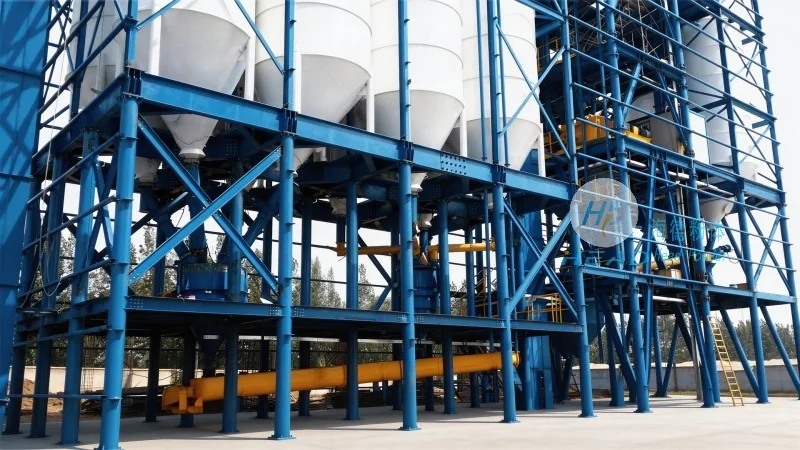
Choosing the appropriate polyacrylamide pneumatic conveying system involves careful consideration of the application requirements, material characteristics, and operational conditions. Whether a suction or pressure system is preferred, the key is to select a design that maximizes efficiency while minimizing energy consumption and maintenance costs. The components of the system, from the pipeline to the air supply unit, play a vital role in achieving optimal performance. For businesses in need of reliable polyacrylamide handling solutions, Shandong HeadPowder Engineering Co., Ltd. offers a range of products and services that cater to diverse industrial needs. By leveraging the company’s expertise and advanced technology, industries can enhance their operational efficiency and ensure the safe and effective transport of polyacrylamide in their processes.

 Shandong Headpowder Engineering Co., Ltd.
 156-6277-7102(Manager Zhang)
  0531-83386006
  Zhangqiu District, Jinan City, Shandong Province, China
telephone
WeChatconsult
top