Classification and Composition of Plastic Pneumatic Conveying Systems
Release time:2026-09-14 10:38:20
name of the company:Shandong Headpowder Engineering Co., Ltd.
telephone:156-6277-7102
contacts:Manager Zhang
Plastic pneumatic conveying systems are crucial in industrial processes for efficiently transporting plastic materials from one location to another. These systems utilize air or gas as the conveying medium, offering advantages such as reduced contamination, improved safety, and flexibility in layout. Understanding the classification and composition of these systems is essential for selecting the right equipment for specific applications.
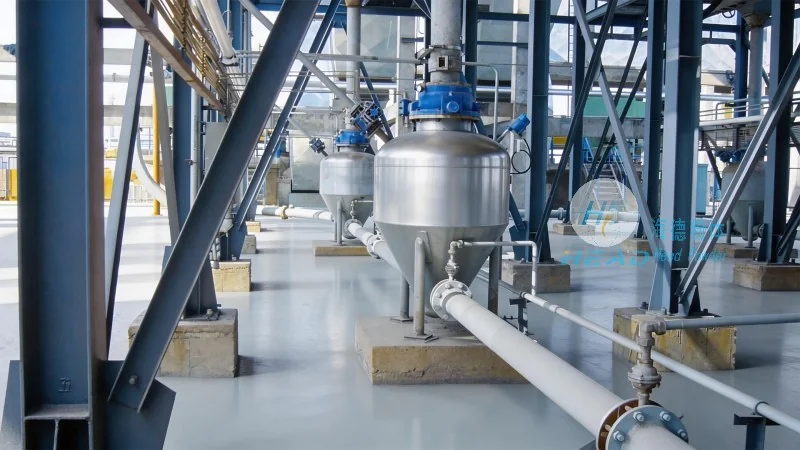
Classification of Plastic Pneumatic Conveying Systems
Plastic pneumatic conveying systems can be classified based on the method of material transport and the pressure used. The primary categories include:
- Absorption (Suction) Systems: These systems operate under negative pressure, drawing material from a hopper or storage area into the conveying line. They are ideal for applications requiring gentle handling of plastic powders or granules, minimizing product degradation.
- Compression (Pressure) Systems: In these systems, material is pushed through the pipeline using positive pressure generated by a blower or compressor. This method is suitable for transporting bulk plastic materials over longer distances with higher throughput.
- Mixed (Combined) Systems: A hybrid approach combining both suction and pressure elements. This configuration allows for flexible material handling, accommodating both loading and unloading operations with enhanced efficiency.
Key Components of Plastic Pneumatic Conveying Systems
The effective operation of plastic pneumatic conveying systems relies on several critical components, each playing a vital role in the overall process. These components include:
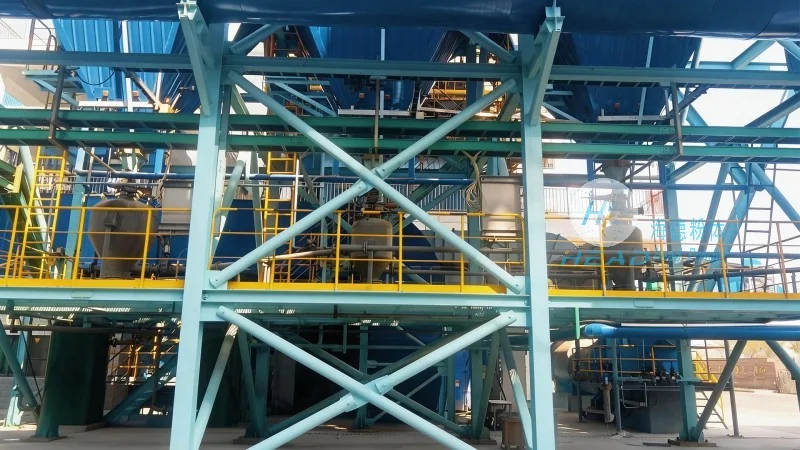
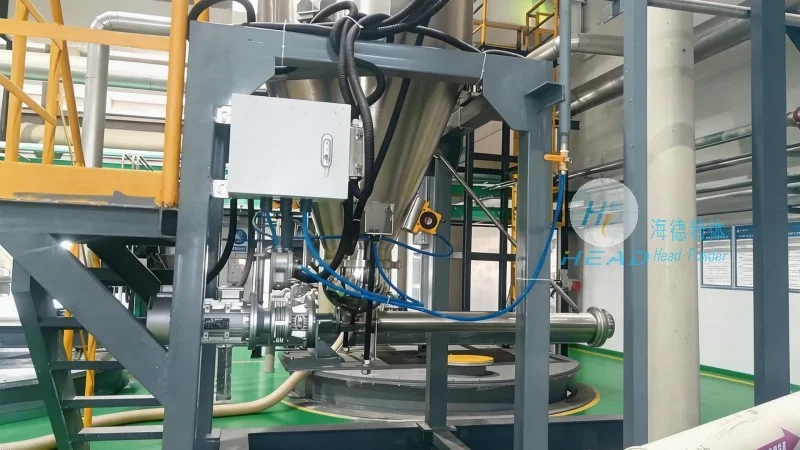
- Material Feeders: Devices designed to feed plastic materials into the conveying line at a controlled rate. Common types include rotary valves, star feeders, and vibratory feeders, which ensure consistent material flow and prevent blockages.
- Pneumatic Conveying Lines: The pipeline network that transports the plastic material mixed with air. These lines are typically made of materials like stainless steel, PVC, or polyethylene to withstand the abrasive nature of plastic particles and maintain system integrity.
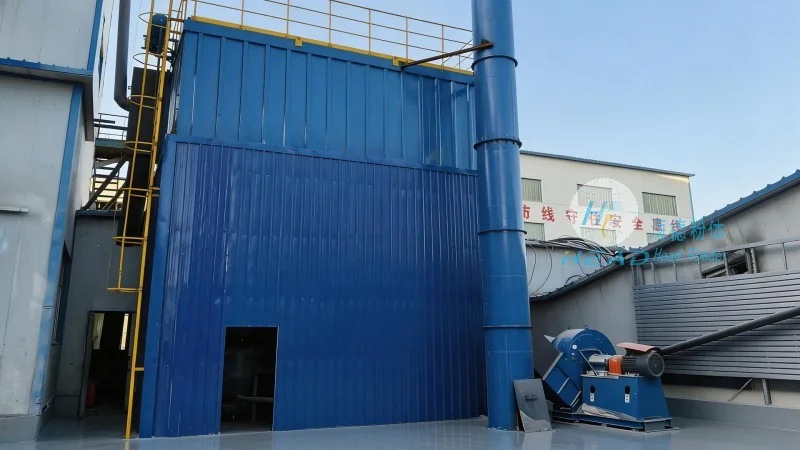
- Separators and Filters: Equipment used to separate the conveyed material from the air stream, ensuring clean material delivery and preventing dust contamination. Cyclone separators, bag filters, and cartridge filters are commonly employed in these systems.
- Air Handling Units (AHUs): The core of the system, including blowers, compressors, and air treatment units. These components generate the necessary air pressure and flow, while also providing filtration to maintain air quality and system efficiency.
Applications and Benefits of Plastic Pneumatic Conveying Systems
Plastic pneumatic conveying systems are widely used in various industries, including plastics manufacturing, food processing, pharmaceuticals, and chemical production. The benefits of these systems include:

 Shandong Headpowder Engineering Co., Ltd.
 156-6277-7102(Manager Zhang)
  0531-83386006
  Zhangqiu District, Jinan City, Shandong Province, China