With more than 10‑year industry experience, Shandong Headpowder delivers full‑service pneumatic‑conveying systems and blowers, undertaking nationwide turn‑key powder‑handling projects.
Red bean pneumatic conveying systems are essential equipment in the food processing industry, designed to transport red bean powders or granules efficiently and hygienically. These systems are crucial for maintaining product quality and operational efficiency in production lines. Shandong HeadPowder Engineering Co., Ltd., a leading manufacturer based in Shandong, China, specializes in the design and manufacturing of such systems, providing customized solutions tailored to the specific needs of food processing facilities.
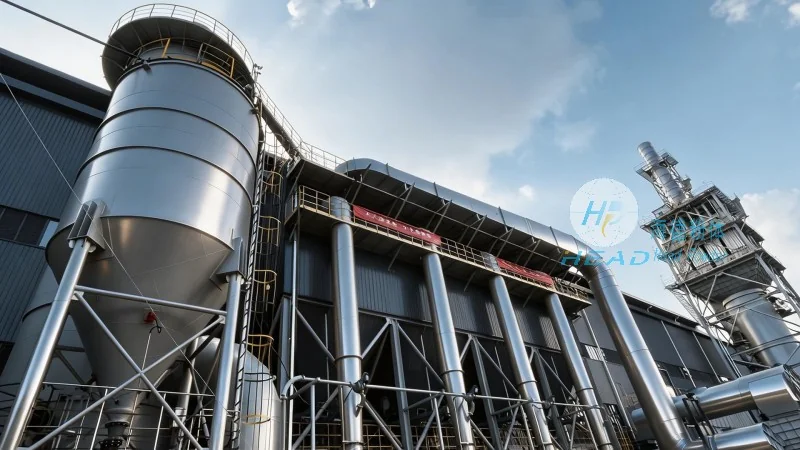
Red bean pneumatic conveying systems utilize air or gas to transport red bean materials through a pipeline network. This method offers several advantages over traditional mechanical conveying, including reduced product contamination, improved hygiene, and the ability to handle delicate or heat-sensitive materials. The systems are widely used in food processing, pharmaceuticals, and chemical industries where maintaining product integrity is paramount.
Red bean pneumatic conveying systems can be broadly classified into two main categories based on the pressure differential within the system: positive pressure systems and negative pressure systems. Each type has distinct characteristics and applications.
Positive pressure systems operate by forcing air or gas into the conveying line, creating a pressure higher than the ambient air. This method is ideal for applications requiring high conveying rates and long distances. The system typically includes a blower or compressor that supplies compressed air to the material feed point, ensuring consistent material flow. Positive pressure systems are commonly used in industries where dust control and explosion prevention are critical.
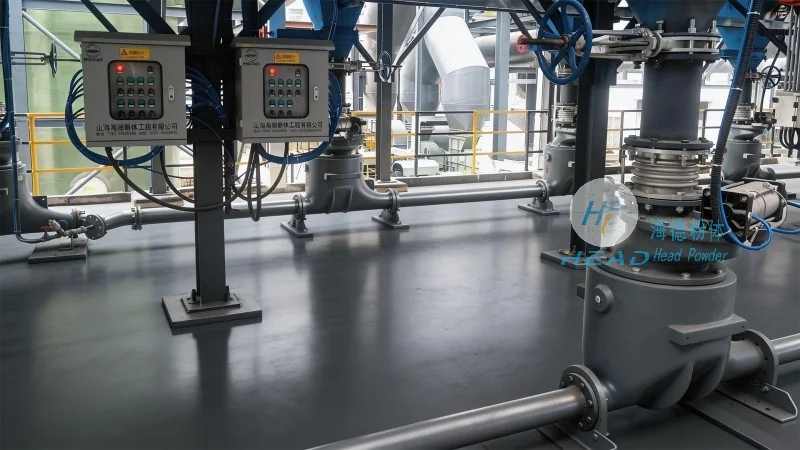
Negative pressure systems, also known as suction systems, operate by creating a vacuum in the conveying line, drawing material from the source. This approach is suitable for applications where the material is to be collected from multiple points or where the material is light and prone to dust. Negative pressure systems are often preferred in environments where dust containment is less critical or where the material is to be transported from a lower elevation.
The effective operation of a red bean pneumatic conveying system relies on several critical components, each playing a specific role in the material handling process. These components work in tandem to ensure efficient, reliable, and safe operation.
The feeder and hopper are the initial components of the system, responsible for storing and feeding the red bean material into the conveying line. The hopper is designed to maintain a consistent material level, preventing blockages and ensuring a steady flow. The feeder, such as a rotary valve or screw feeder, controls the rate of material discharge, matching the conveying capacity of the system. Proper design of the hopper and feeder is crucial to avoid material bridging or segregation, which can affect the conveying efficiency.
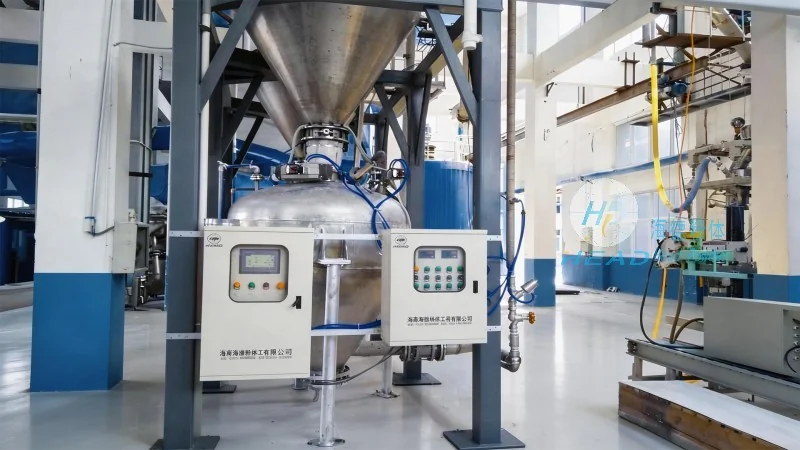
The conveying piping and tubing form the main transport network of the system, carrying the red bean material and air mixture. The choice of material for the piping is critical, as it must be compatible with the red bean product and resistant to corrosion or wear. Common materials include stainless steel, polyethylene, or PVC, depending on the application requirements. The piping system is designed to minimize pressure drop and ensure smooth material flow, with appropriate bends and elbows to maintain the air velocity necessary for conveying.
The air supply unit, typically a blower or compressor, provides the necessary pressure or vacuum to drive the material through the system. The control unit regulates the air flow and pressure, ensuring stable operation and preventing overloading or under-conveying. In positive pressure systems, the blower is sized to handle the required air volume and pressure, while in negative pressure systems, the vacuum pump is selected based on the system's suction capacity. Proper air filtration is also essential to remove contaminants from the air, protecting both the equipment and the product.
The separation and collection units are responsible for separating the red bean material from the air stream and collecting the material at the destination. The most common separation device is a cyclone separator, which uses centrifugal force to separate the solid particles from the air. The cyclone is typically followed by a filter or baghouse to capture any fine particles that may escape. The collected material is then discharged into a storage bin or processing equipment. The design of the separation unit is critical to ensure high efficiency and minimal product loss.
Modern red bean pneumatic conveying systems are equipped with advanced control and monitoring systems to optimize performance and ensure safety. These systems include sensors for pressure, flow, and temperature, as well as control panels for adjusting system parameters. The control system can monitor the entire conveying process, detecting any abnormalities such as blockages or pressure drops, and automatically adjusting the operation to prevent system failure. This level of automation enhances operational efficiency and reduces downtime, making the system more reliable and cost-effective.
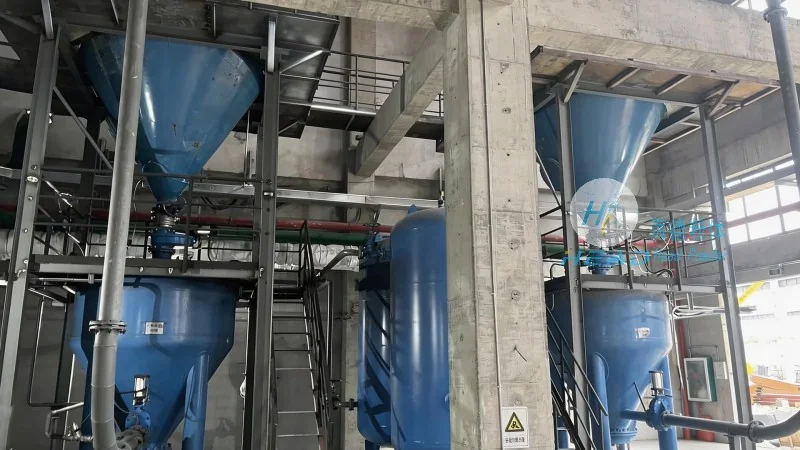
Red bean pneumatic conveying systems are widely used in various industries due to their versatility and efficiency. In the food processing industry, these systems are commonly used to transport red bean powders or granules from storage to processing equipment, such as mixers or extruders. The systems are also used in pharmaceutical applications where the red bean material is used as an ingredient in formulations. The benefits of using pneumatic conveying systems for red bean handling include improved product quality, reduced labor costs, and enhanced safety in the workplace.
One of the key advantages of pneumatic conveying is the ability to handle delicate materials without causing damage or degradation. Red bean powders, for example, are prone to caking and agglomeration, which can affect their quality and usability. Pneumatic conveying systems minimize these issues by maintaining a consistent air velocity and preventing material contact with metal surfaces. Additionally, the systems are designed to be hygienic and easy to clean, which is essential in food processing environments where compliance with regulatory standards is required.
Red bean pneumatic conveying systems are a vital component of modern industrial operations, providing efficient and reliable material handling solutions. The classification and components of these systems are designed to meet the specific needs of the red bean processing industry, ensuring optimal performance and product quality. As technology advances, these systems continue to evolve, incorporating more advanced features and automation to enhance operational efficiency and safety. For businesses in the red bean processing industry, investing in a well-designed pneumatic conveying system is a strategic decision that can improve productivity, reduce costs, and maintain compliance with industry standards.

 Shandong Headpowder Engineering Co., Ltd.
 156-6277-7102(Manager Zhang)
  0531-83386006
  Zhangqiu District, Jinan City, Shandong Province, China
telephone
WeChatconsult
top