With more than 10‑year industry experience, Shandong Headpowder delivers full‑service pneumatic‑conveying systems and blowers, undertaking nationwide turn‑key powder‑handling projects.
Welcome to Shandong HeadPowder Engineering Co., Ltd., a leading manufacturer specializing in pneumatic conveying systems for rice flour and other fine powders. Our company, known as HeadPowder, is based in Shandong, China, and has established itself as a trusted provider of efficient and reliable pneumatic conveying solutions. This article will explore the classification and key components of rice flour pneumatic conveying systems, highlighting the technology and design principles that ensure optimal performance in handling delicate and high-value powders like rice flour.
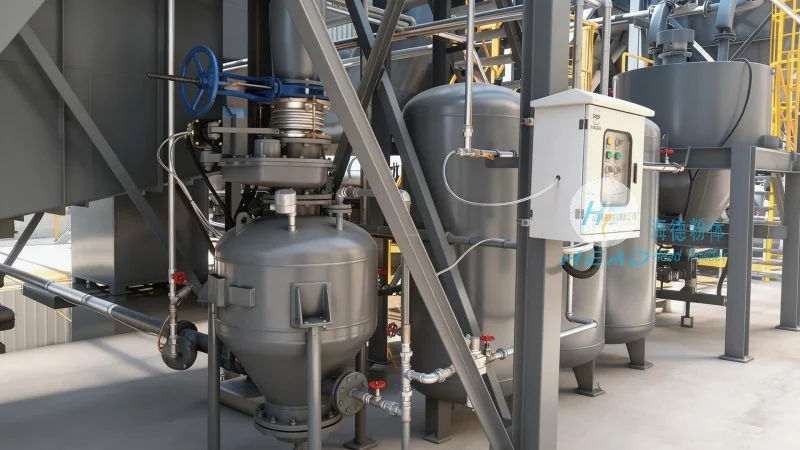
Pneumatic conveying systems are widely used in the food processing industry to transport rice flour and other fine powders due to their ability to handle sensitive materials without contamination or degradation. These systems use air or other gases to move materials through a network of pipes, offering advantages such as low maintenance, flexibility in layout, and the ability to transport materials over long distances. For rice flour, which is a delicate product prone to caking and agglomeration, the choice of system type and components is critical to maintaining product quality and ensuring efficient operation.
Rice flour pneumatic conveying systems can be broadly classified into two main categories based on the pressure of the conveying medium: positive pressure systems and negative pressure systems. Each type has distinct characteristics and is suitable for different applications, depending on factors such as the distance to be covered, the volume of material to be transported, and the need for material containment.
Positive pressure systems operate by blowing air or gas into the conveying line, creating a pressure higher than the ambient air pressure. This method is commonly used for short to medium-distance conveying and is particularly effective for transporting rice flour from a storage silo to a processing line or packaging area. The system typically includes a blower or compressor, a hopper for material storage, and a series of pipes with appropriate fittings and valves. Positive pressure systems are known for their simplicity and reliability, making them a popular choice for many rice flour processing facilities.
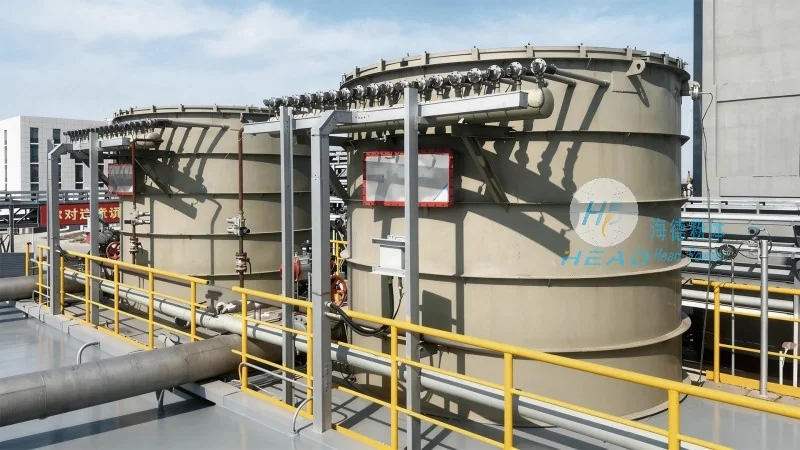
Negative pressure systems, also known as vacuum conveying systems, operate by creating a vacuum in the conveying line, which draws material from the source into the system. This method is ideal for longer distances and for handling materials that are difficult to move by positive pressure, such as rice flour that may have a tendency to stick to surfaces. Negative pressure systems are often preferred for applications where the material needs to be transported from multiple points or where the receiving point is at a lower elevation than the source. The system includes a vacuum pump, a filter to remove dust and particles from the air, and a collection hopper at the receiving end.
Regardless of the system type, rice flour pneumatic conveying systems consist of several essential components that work together to ensure efficient and safe operation. These components are designed to handle the unique properties of rice flour, such as its fine particle size, hygroscopic nature, and potential for caking. The key components include:
The material hopper is the primary storage container for rice flour, providing a consistent supply of material to the conveying system. It is typically made of stainless steel or other food-grade materials to prevent contamination and ensure durability. The feeder, often a rotary valve or a screw feeder, regulates the flow of rice flour from the hopper into the conveying line, ensuring a controlled and steady feed rate. This component is crucial for maintaining consistent system performance and preventing blockages or surges in the conveyor.
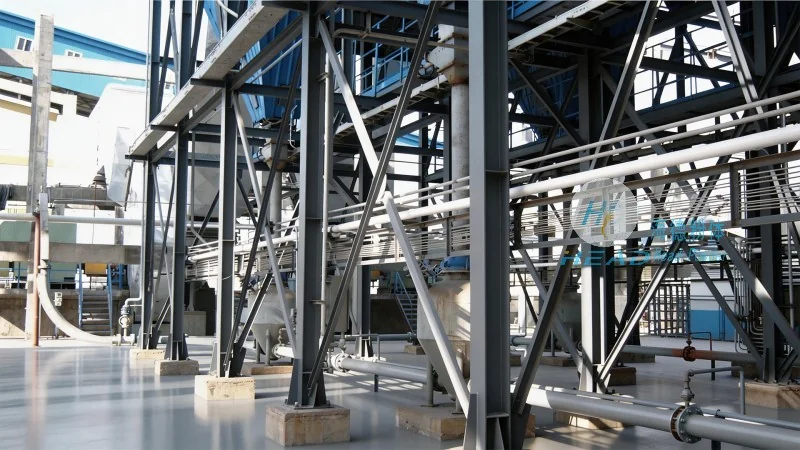
The conveying pipes form the backbone of the pneumatic system, transporting rice flour from the source to the destination. For rice flour, which is a fine powder, the pipes are usually made of smooth, corrosion-resistant materials such as stainless steel or polyethylene to minimize friction and prevent material buildup. The fittings, including elbows, tees, and reducers, are designed to maintain the flow of material and air efficiently, reducing pressure losses and ensuring smooth operation. The pipe diameter and length are carefully selected based on the material's properties and the required conveying capacity.
The air source equipment provides the necessary air or gas to power the conveying system. For positive pressure systems, a blower or compressor is used to generate the required pressure, while for negative pressure systems, a vacuum pump is employed to create the vacuum. The air source is typically equipped with filters and regulators to ensure clean, dry air that is free from contaminants that could affect the quality of the rice flour. The capacity of the air source is matched to the system's conveying requirements to avoid under- or over-pressurization, which can impact performance and energy efficiency.
Due to the fine nature of rice flour, separation and filtration are critical components of the pneumatic conveying system. These systems are designed to remove any particles or dust from the air before it is released into the environment, ensuring compliance with environmental regulations and maintaining air quality. The separation system typically includes a cyclone separator or a bag filter, which captures the rice flour particles from the air stream. The collected material is then returned to the hopper or disposed of appropriately, preventing loss and maintaining product integrity.
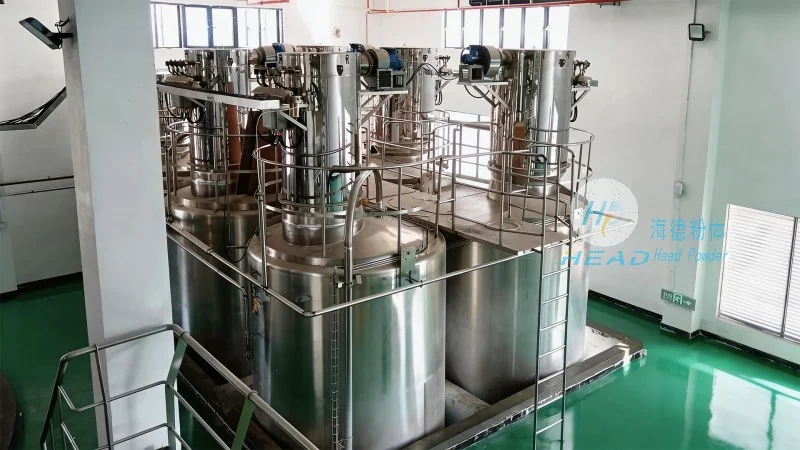
Modern rice flour pneumatic conveying systems are equipped with control and monitoring systems to ensure optimal operation and safety. These systems may include pressure sensors, flow meters, and alarms that monitor key parameters such as air pressure, material flow rate, and system temperature. The control system allows operators to adjust the conveying rate, pressure, or vacuum level as needed, adapting to changes in material feed or system conditions. This automation helps to improve efficiency, reduce downtime, and maintain consistent product quality.
When selecting a pneumatic conveying system for rice flour, several factors must be considered to ensure the best performance and cost-effectiveness. These factors include the distance between the source and destination, the volume of material to be transported, the required conveying speed, and the need for material containment. For example, a positive pressure system may be sufficient for short-distance conveying of small quantities of rice flour, while a negative pressure system may be necessary for longer distances or for handling larger volumes. Additionally, the system design must account for the hygroscopic nature of rice flour, which can cause it to absorb moisture from the air and potentially clog the system. Proper moisture control and material handling techniques are essential to maintain system efficiency and product quality.
Shandong HeadPowder Engineering Co., Ltd. specializes in the design, manufacturing, and installation of high-quality pneumatic conveying systems for rice flour and other fine powders. By understanding the classification and key components of these systems, food processing facilities can select the most appropriate technology to meet their specific needs. Whether using positive or negative pressure systems, the key is to ensure that the system is designed to handle the delicate properties of rice flour while maintaining efficiency, safety, and product quality. With our expertise and commitment to quality, HeadPowder provides reliable solutions that help our clients optimize their rice flour handling processes and improve overall operational performance.

 Shandong Headpowder Engineering Co., Ltd.
 156-6277-7102(Manager Zhang)
  0531-83386006
  Zhangqiu District, Jinan City, Shandong Province, China
telephone
WeChatconsult
top