With more than 10‑year industry experience, Shandong Headpowder delivers full‑service pneumatic‑conveying systems and blowers, undertaking nationwide turn‑key powder‑handling projects.
When it comes to handling activated carbon, selecting the right transport method is crucial for efficiency and cost-effectiveness. The choice of transport method depends on various factors, including the type of activated carbon, the distance it needs to be moved, and the specific requirements of the application. In this article, we explore the common methods used for activated carbon transport, highlighting their advantages and practical applications. Shandong HeadPowder Engineering Co., Ltd. specializes in providing tailored transport solutions for activated carbon, ensuring efficient and reliable handling of this important material.
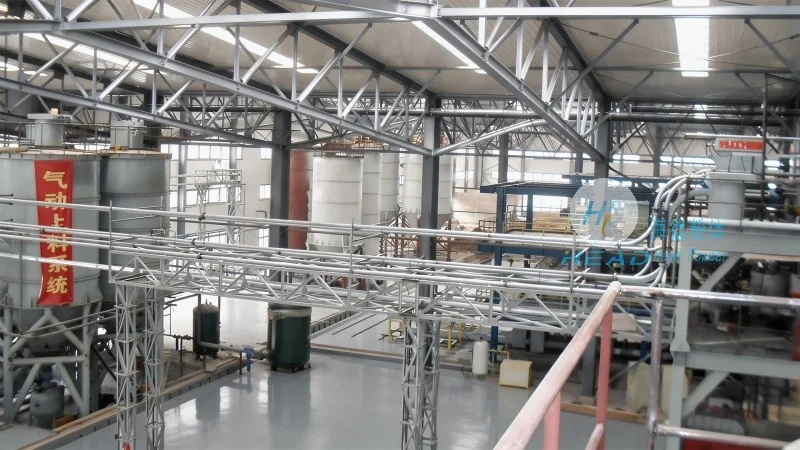
Pneumatic conveying, or air-assisted transport, is a popular method for moving activated carbon, especially in industrial settings. This system uses air pressure to propel the carbon particles through a pipeline. There are two main types: pressure and vacuum systems. Pressure systems are ideal for long-distance transport and can handle larger quantities of material. Vacuum systems, on the other hand, are better suited for shorter distances and require less energy. The choice between these depends on the specific needs of the operation. Pneumatic conveying offers advantages such as low maintenance, the ability to transport materials in a closed system, and reduced dust exposure. However, it may not be suitable for all types of activated carbon, particularly those with high moisture content or fine particles that can cause blockages.
Belt conveyors are a classic and reliable method for transporting activated carbon. These systems use a continuous belt to move the material from one point to another. They are commonly used in bulk material handling and are particularly effective for transporting activated carbon in large quantities over short to medium distances. Belt conveyors are known for their durability and ability to handle a wide range of materials, including activated carbon with varying particle sizes. They can be customized with different belt materials and speeds to suit specific operational requirements. One of the key advantages of belt conveyors is their low operating cost and minimal maintenance. However, they require more space compared to other methods and may not be suitable for vertical transport or steep inclines.

Screw conveyors, also known as auger conveyors, are another effective method for transporting activated carbon. These systems use a rotating screw to move the material along a tube or trough. Screw conveyors are particularly useful for vertical or inclined transport, as they can lift materials to higher levels. They are also suitable for handling materials with a high moisture content or those that tend to clump together. The design of the screw, including its pitch and diameter, can be adjusted to optimize the transport efficiency. Screw conveyors offer advantages such as compact design, low power consumption, and the ability to handle a wide range of materials. However, they may not be suitable for very fine or powdery activated carbon, as this can lead to increased wear and tear on the screw and the trough.
Hydraulic conveying is a method that uses water or a slurry to transport activated carbon. This system is particularly effective for transporting materials with high moisture content or those that are difficult to handle by other means. The activated carbon is mixed with water to form a slurry, which is then pumped through a pipeline. Hydraulic conveying is commonly used in the mining and chemical industries. One of the main advantages of this method is its ability to handle materials with high moisture content and fine particles. It also offers a closed system, reducing dust and environmental impact. However, hydraulic conveying requires more energy and maintenance compared to other methods, as it involves pumps and pipelines.
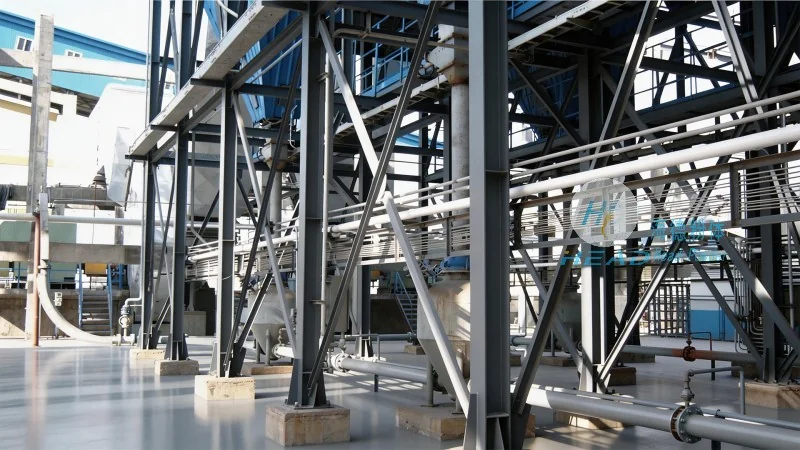
For smaller quantities or in situations where other methods are not feasible, manual handling and small-scale transport methods may be used. This includes using containers, buckets, or carts to move activated carbon. While this method is simple and requires minimal equipment, it is not suitable for large-scale operations or for materials that are difficult to handle manually. Manual handling is often used in laboratory settings or for small-scale production. It offers the advantage of flexibility and low cost, but it is labor-intensive and may not be efficient for large volumes.
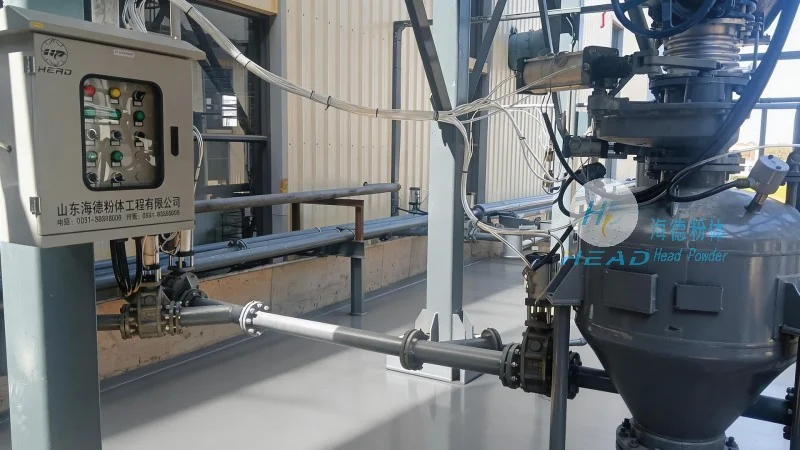
When selecting a transport method for activated carbon, several factors need to be considered. The first is the type of activated carbon being transported. Different types of activated carbon have different particle sizes and moisture content, which can affect the choice of transport method. For example, fine-grained activated carbon may require a different method than coarse-grained carbon. The second factor is the distance and layout of the facility. The distance the material needs to be moved and the layout of the plant will determine the most suitable method. The third factor is the budget and operational requirements. The cost of the equipment, maintenance, and energy consumption must be considered. The fourth factor is the environmental impact. The method should minimize dust and other emissions to comply with environmental regulations.
Choosing the right activated carbon transport method is essential for efficient and cost-effective operations. The methods discussed above—pneumatic conveying, belt conveyors, screw conveyors, hydraulic conveying, and manual handling—each have their own advantages and limitations. The best method depends on the specific needs of the operation, including the type of activated carbon, the distance to be moved, and the budget. By carefully considering these factors, companies can select the most suitable transport method for their activated carbon handling needs. Shandong HeadPowder Engineering Co., Ltd. offers expert guidance and customized solutions to help businesses optimize their activated carbon transport processes.

 Shandong Headpowder Engineering Co., Ltd.
 156-6277-7102(Manager Zhang)
  0531-83386006
  Zhangqiu District, Jinan City, Shandong Province, China
telephone
WeChatconsult
top