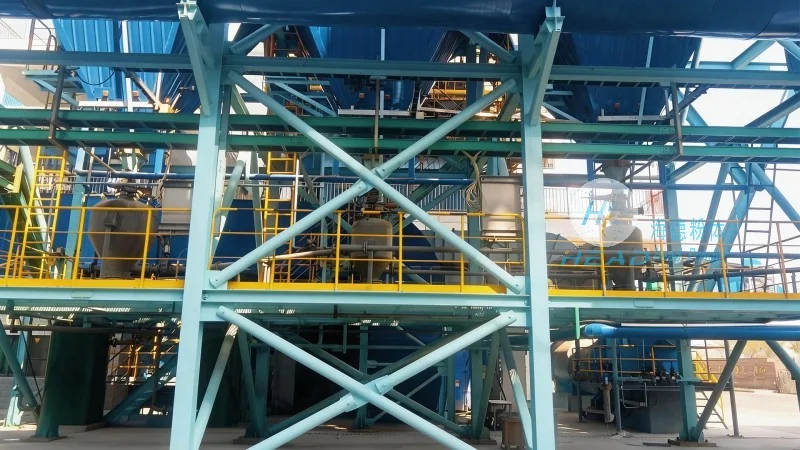
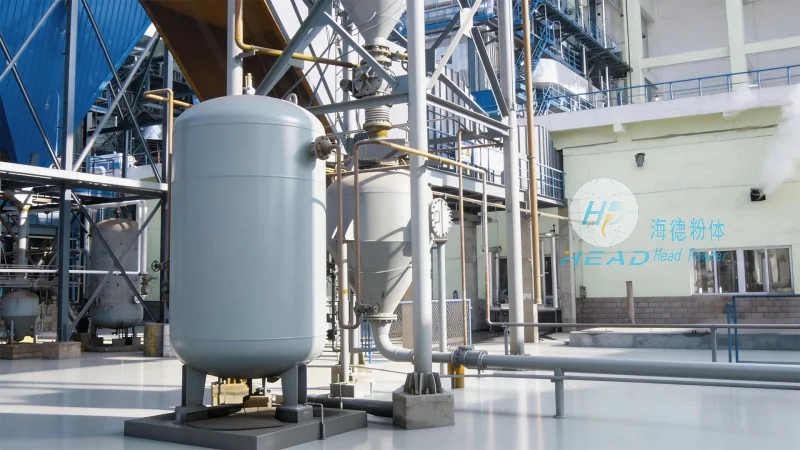
With more than 10‑year industry experience, Shandong Headpowder delivers full‑service pneumatic‑conveying systems and blowers, undertaking nationwide turn‑key powder‑handling projects.
The handling of puffed granules presents unique challenges within the industrial processing sector. Due to their porous structure and inherent fragility, traditional mechanical conveying methods, such as belt conveyors or screw conveyors, often lead to significant product breakage and reduced quality. To address these issues, advanced pneumatic conveying technologies have become the industry standard. Pneumatic conveying utilizes a controlled flow of air or gas to transport materials through pipelines, offering a gentle yet efficient method for moving delicate products. Shandong Headpowder Engineering Co., Ltd. specializes in providing robust engineering solutions that mitigate the risks associated with granule handling while maximizing throughput efficiency.
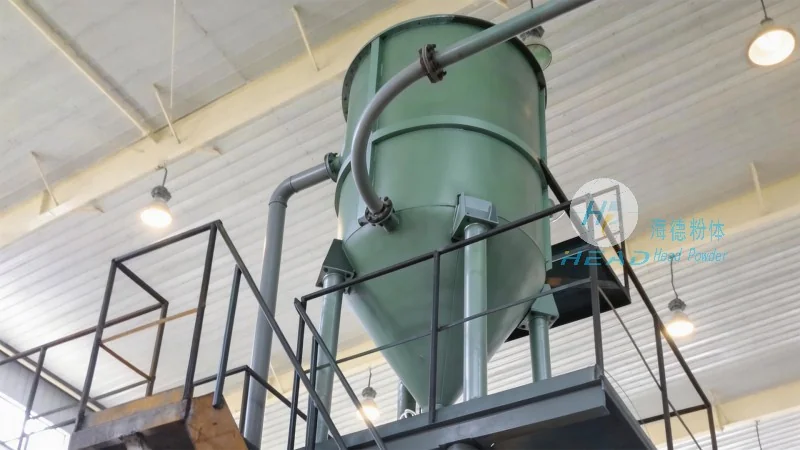
One size does not fit all in industrial engineering, particularly when dealing with specific material properties like puffed granules. A standardized system may fail to account for site constraints, specific production capacities, or environmental regulations. Therefore, the implementation of a tailored puffed granule pneumatic conveying scheme is critical for operational success. Our engineering team at Shandong Headpowder Engineering Co., Ltd. conducts thorough site assessments to design systems that integrate seamlessly into existing production lines. This customization ensures that the pipeline layout optimizes space utilization and minimizes energy consumption while maintaining a consistent flow of material. By tailoring the velocity, pressure, and pipeline diameter to the specific characteristics of the granules, we prevent dust generation and ensure the integrity of the product from the source to the destination.
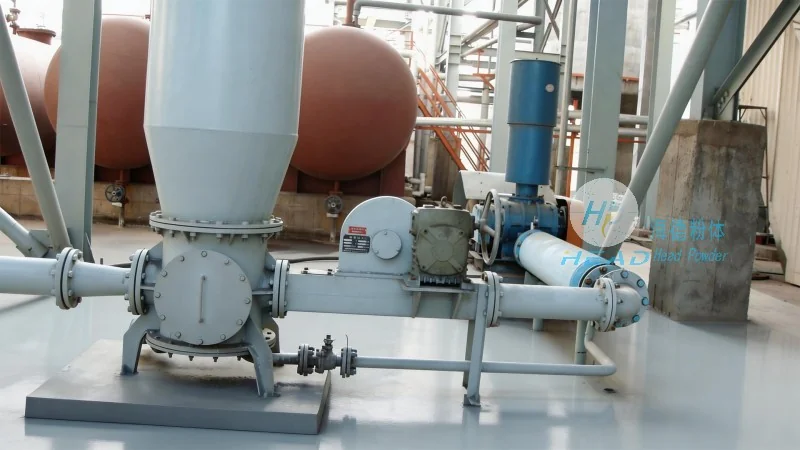
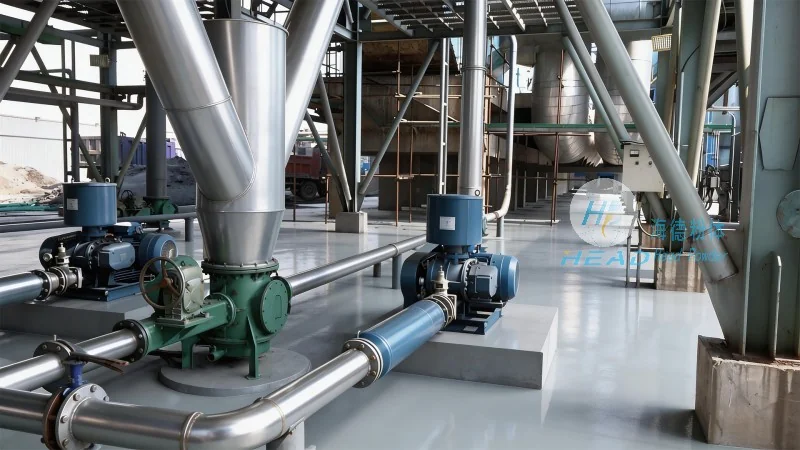
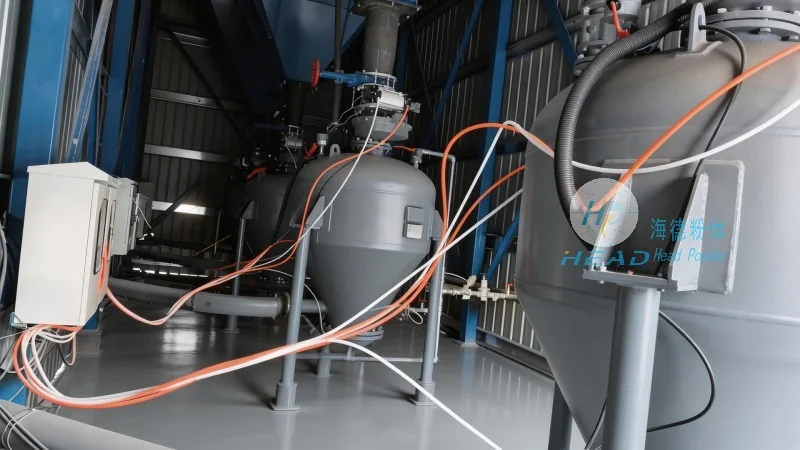
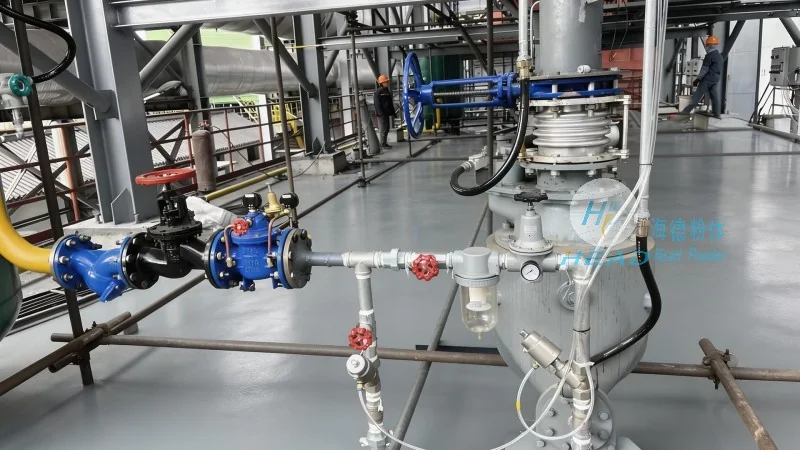
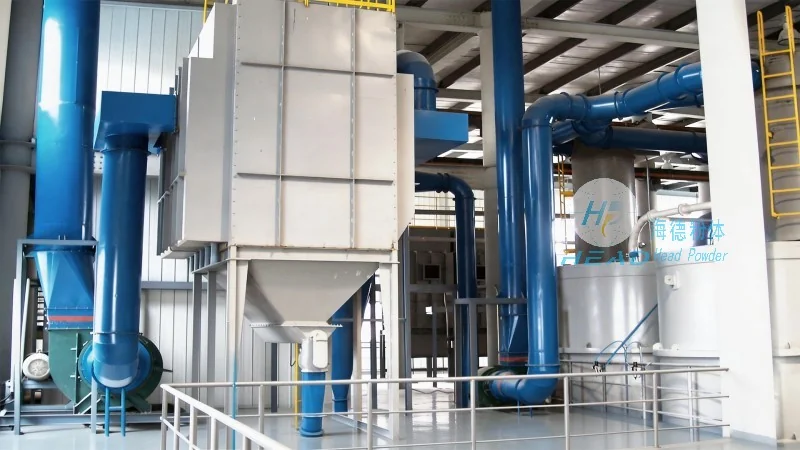
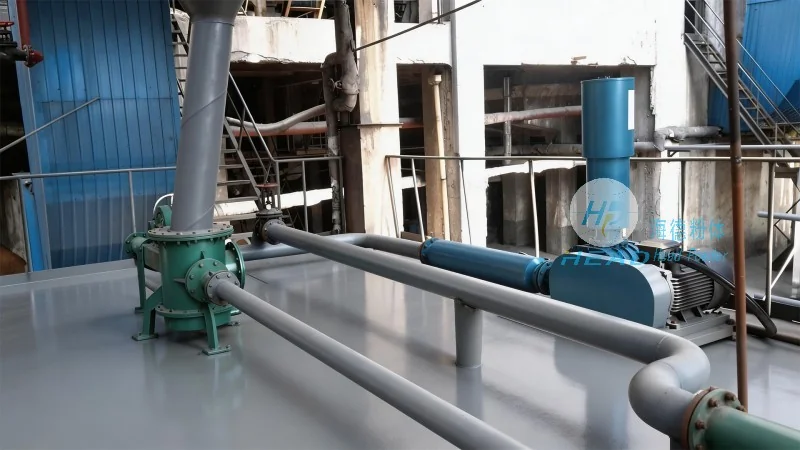
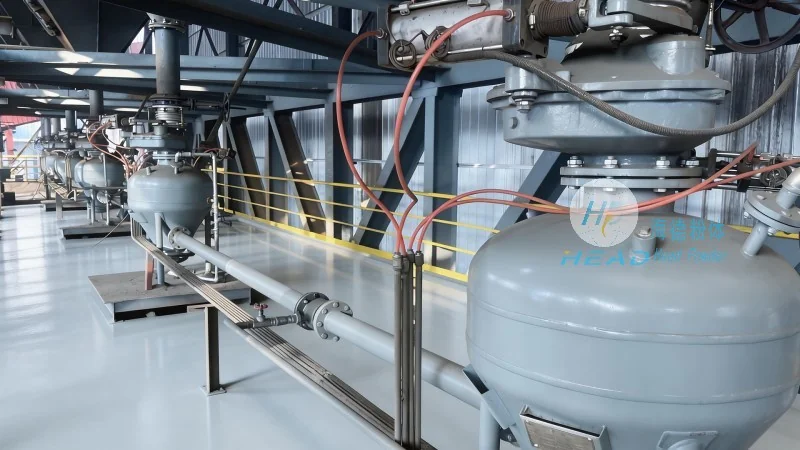
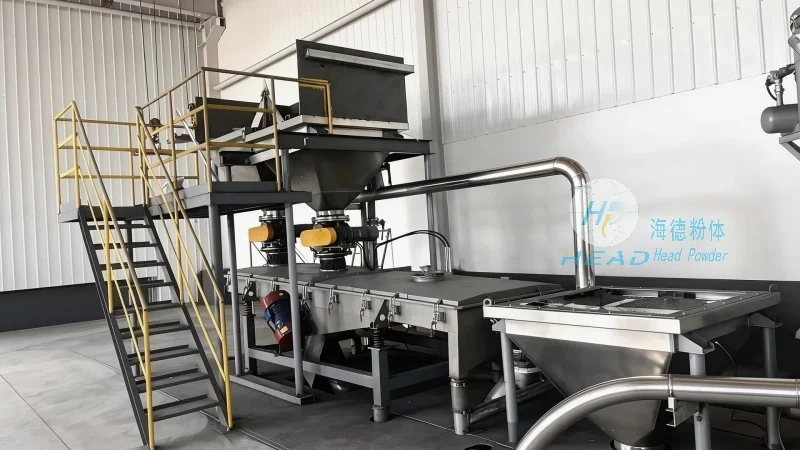
A reliable puffed granule conveying system relies on high-quality, durable equipment. At Shandong Headpowder Engineering Co., Ltd., we provide a complete range of machinery designed to withstand the demands of continuous operation. Our product lineup includes specialized airlocks, rotary valves, and pneumatic conveying blowers that are engineered to handle low-density, high-volume materials without causing compaction or crushing. The core components are constructed from wear-resistant materials to extend the service life of the machinery. Furthermore, our systems are equipped with advanced dust collection units to maintain a clean working environment, which is essential for food and chemical safety standards. Investing in professional-grade puffed granule conveying system equipment ensures that your facility operates with minimal downtime and maximum reliability.
The adoption of pneumatic conveying technology offers distinct advantages over traditional mechanical methods. The primary benefit is the preservation of product quality. Because the material is suspended in the air stream rather than being physically contacted by machinery, the risk of breakage is significantly reduced. This is particularly vital for puffed granules used in the pet food, aqua feed, and snack industries, where texture and appearance directly impact market value. Additionally, pneumatic systems are fully enclosed, which prevents contamination from external elements and eliminates the spread of dust. This containment also allows for the easy transfer of materials between different floors or distant processing units without the need for multiple transfer points, streamlining the overall production logistics.
Choosing the right partner for your material handling needs is a decision that impacts the entire supply chain. Shandong Headpowder Engineering Co., Ltd. stands out as a dedicated provider of puffed granule pneumatic conveying solutions. With a strong presence in China and a commitment to technical excellence, our company focuses on delivering systems that are both innovative and practical. We understand the nuances of granule physics and fluid dynamics, allowing us to design systems that are energy-efficient and easy to maintain. Our team of engineers is dedicated to providing ongoing support, from the initial design phase through to installation and after-sales service. We pride ourselves on being a responsive and knowledgeable partner in the engineering sector.
To discuss your specific requirements and explore how our solutions can benefit your facility, please do not hesitate to reach out to our team. We are ready to provide detailed proposals and technical support. You may contact our project manager, Zhang Manager, for direct assistance. For a quick and convenient communication channel, you can also add our WeChat account: 15662777102. Shandong Headpowder Engineering Co., Ltd. looks forward to collaborating with you to optimize your production processes.

 Shandong Headpowder Engineering Co., Ltd.
 156-6277-7102(Manager Zhang)
  0531-83386006
  Zhangqiu District, Jinan City, Shandong Province, China
telephone
WeChatconsult
top