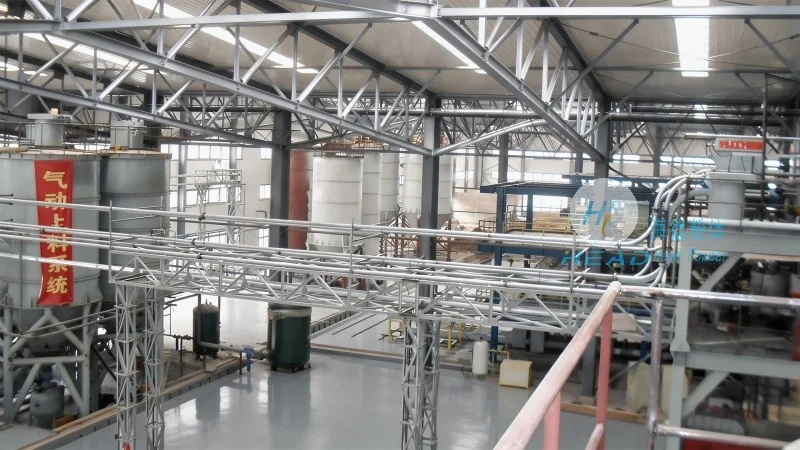
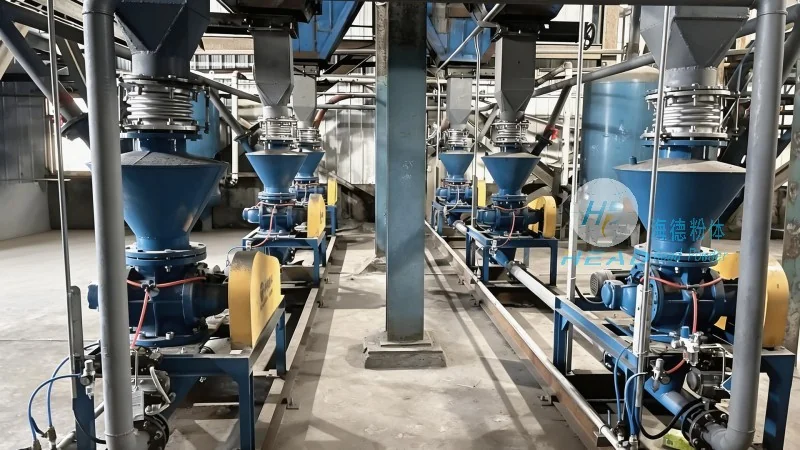
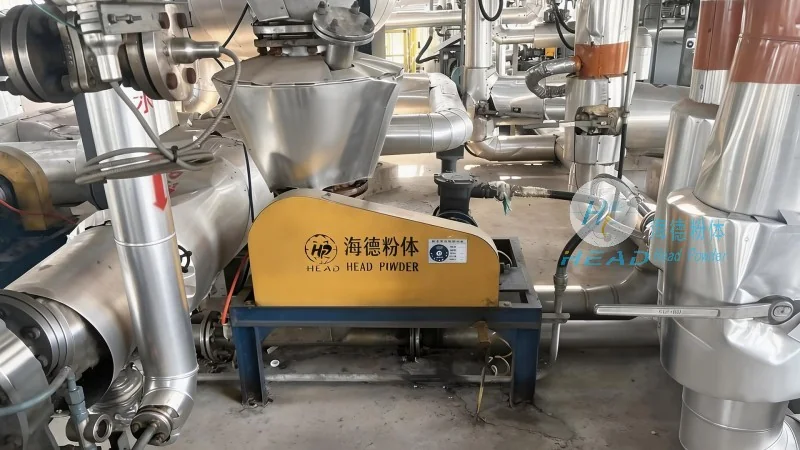
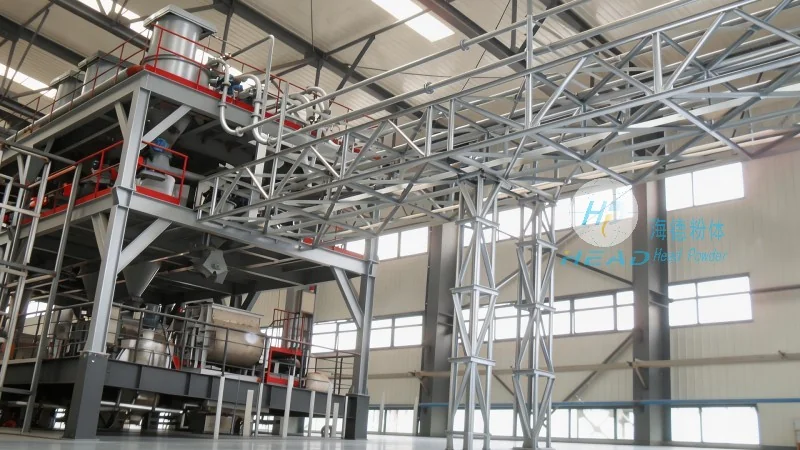
With more than 10‑year industry experience, Shandong Headpowder delivers full‑service pneumatic‑conveying systems and blowers, undertaking nationwide turn‑key powder‑handling projects.
In the rapidly evolving landscape of the energy storage and battery manufacturing sectors, the efficient handling of raw materials is paramount. Among these materials, artificial graphite has emerged as a critical component for lithium-ion battery anodes due to its high specific capacity and excellent cycling stability. However, the physical properties of artificial graphite—being fine, lightweight, and prone to dust generation—present significant challenges during the material transfer process. This necessitates the implementation of specialized material handling infrastructure. This article provides an in-depth exploration of advanced artificial graphite pneumatic conveying solutions, focusing on the engineering excellence provided by Shandong Headpowder Engineering Co., Ltd.
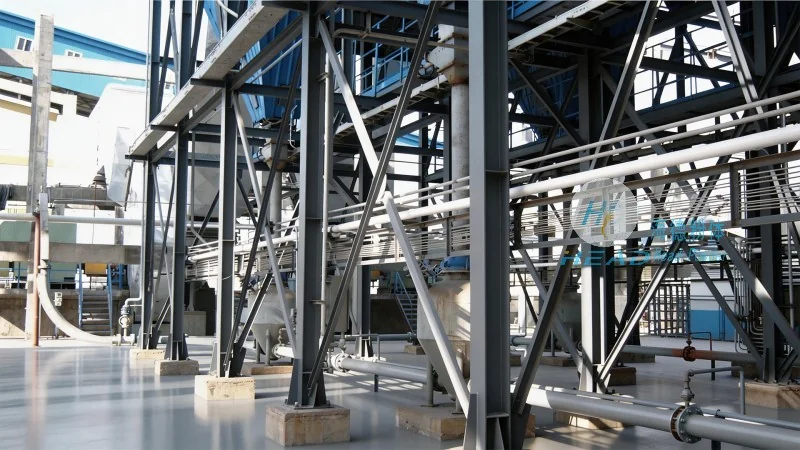
Traditional mechanical conveying methods, such as bucket elevators or screw conveyors, often fall short when handling fine powders like artificial graphite. These methods can lead to material degradation, excessive dust generation, and cross-contamination risks. Furthermore, the accumulation of graphite dust poses serious safety hazards, including explosion risks in enclosed environments. To mitigate these issues, the industry has turned to pneumatic conveying technology. This method utilizes a stream of air to transport materials through pipelines, offering a clean, dust-free, and energy-efficient alternative. A robust artificial graphite conveying system is not merely a luxury but a fundamental requirement for modern battery material processing plants.
Located in Shandong, China, Shandong Headpowder Engineering Co., Ltd. has established itself as a premier entity in the field of powder handling and engineering. The company, commonly referred to by its abbreviated name headpowder, specializes in the research, design, and manufacture of high-quality pneumatic conveying equipment. With a strong commitment to engineering precision, the company serves a diverse range of clients requiring reliable material transfer solutions. Their expertise lies in bridging the gap between complex material properties and mechanical engineering, ensuring that every system they deliver meets the rigorous demands of the modern chemical and battery industries.
One of the standout features of Shandong Headpowder's service offering is their dedication to customization. Every manufacturing facility has unique spatial constraints, production capacities, and material handling requirements. A "one-size-fits-all" approach rarely works in industrial engineering. Therefore, the company excels in providing bespoke artificial graphite pneumatic conveying schemes. These customized solutions are tailored to the specific layout of the client's factory, taking into account factors such as the distance between silos, the vertical height of transfer, and the required hourly throughput. By analyzing these variables, engineers at Shandong Headpowder can design a system that maximizes efficiency while minimizing operational costs.
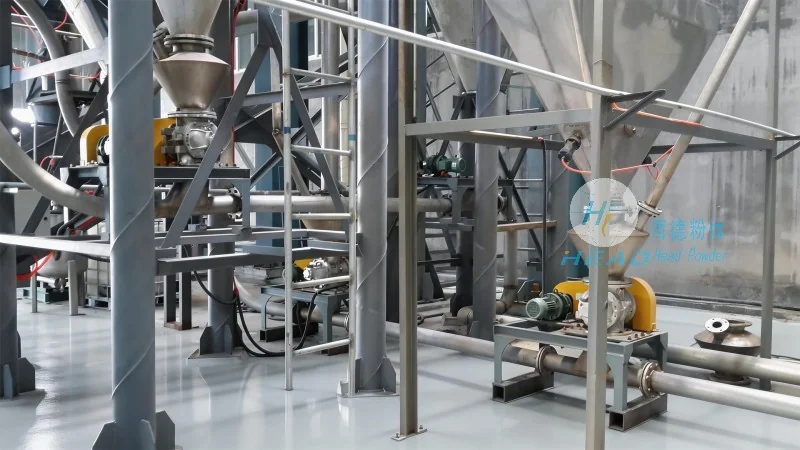
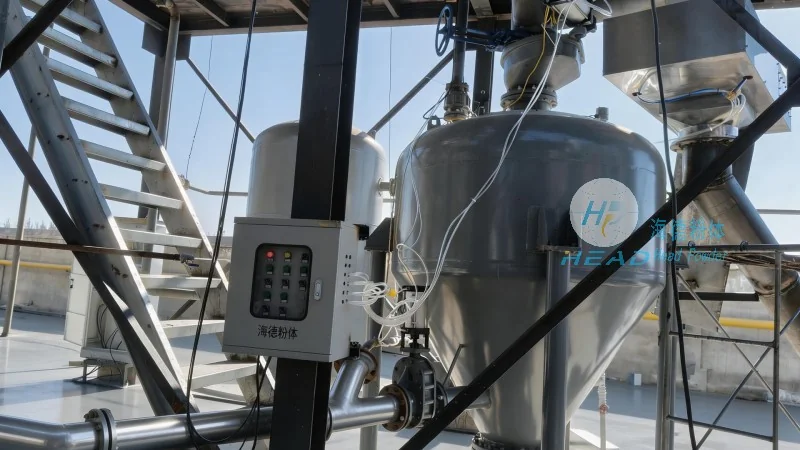
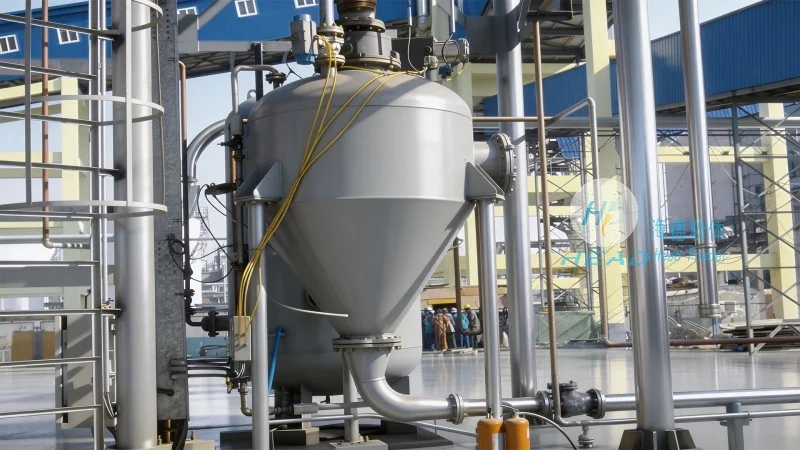
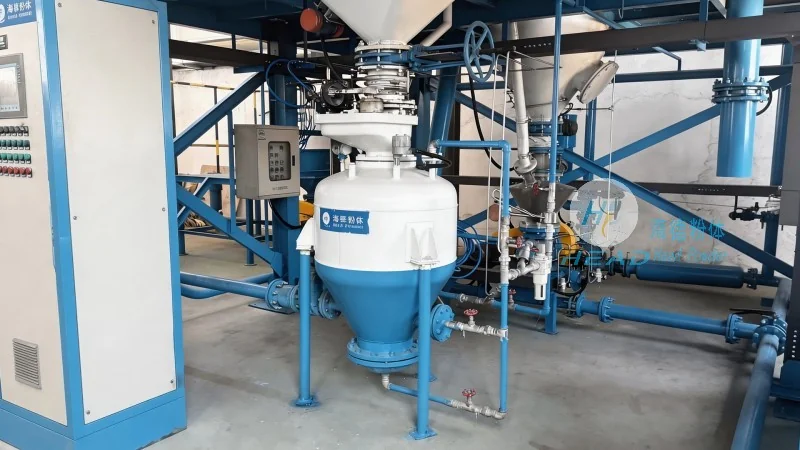
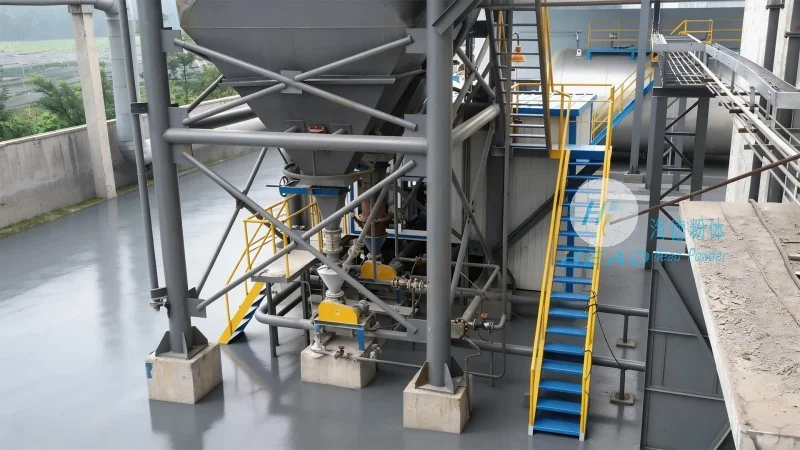
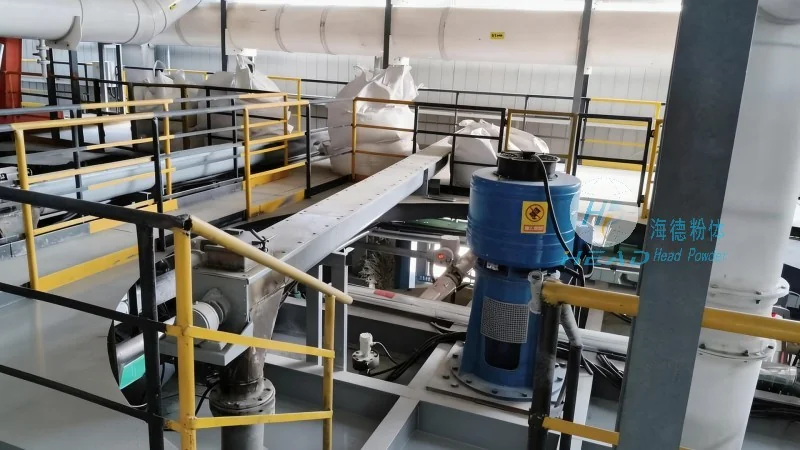
A high-performance artificial graphite conveying system relies on a sophisticated integration of components. Shandong Headpowder Engineering Co., Ltd. utilizes state-of-the-art technology to ensure system longevity and reliability. Key components typically include high-efficiency air compressors, rotary valves, and advanced dust collection units. The system operates on the principle of positive or negative pressure, depending on the specific project requirements. For instance, a negative pressure system is often preferred for smaller facilities as it effectively pulls material through the pipeline, ensuring that any potential leaks are sucked back into the filtration system rather than released into the atmosphere. This design philosophy ensures a safe working environment and compliance with environmental regulations.
Artificial graphite is a material that requires careful handling to maintain its structural integrity and purity. The conveying system must be designed to prevent material attrition, which can reduce the quality of the graphite used in battery production. Shandong Headpowder’s engineering team focuses on optimizing air velocity and pipeline diameter to ensure gentle yet effective transport. Additionally, the materials used in the construction of the conveying lines are selected for their durability and resistance to wear. By employing advanced control systems, the company ensures that the flow of artificial graphite is consistent and stable, preventing blockages and ensuring a continuous production line.
As a leading artificial graphite pneumatic conveying manufacturer, Shandong Headpowder Engineering Co., Ltd. goes beyond simple equipment supply. They provide comprehensive technical support, from the initial site survey to the final installation and commissioning. Their team of experienced engineers possesses deep knowledge of fluid dynamics and powder mechanics, allowing them to troubleshoot complex issues that may arise during operation. This holistic approach ensures that clients receive not just a machine, but a complete material handling solution that enhances their overall production efficiency.
Choosing the right partner for material handling infrastructure is a critical decision that impacts the entire supply chain. Shandong Headpowder Engineering Co., Ltd. stands out due to its technical prowess, local presence in Shandong, and commitment to customer satisfaction. The company understands the nuances of the Chinese industrial market as well as global standards. Their artificial graphite pneumatic conveying schemes are designed to be scalable, allowing clients to expand their production capacity without the need for a complete system overhaul. This flexibility makes them an ideal partner for both established manufacturers and new entrants in the battery material sector.
In the handling of graphite, safety is non-negotiable. The company places a heavy emphasis on designing explosion-proof systems. Their equipment is built to withstand the specific dust explosion characteristics of artificial graphite. Furthermore, the pneumatic conveying process significantly reduces the environmental footprint of material transfer. By containing dust within the closed pipeline system, the risk of occupational respiratory diseases is minimized, and the surrounding environment remains clean. This commitment to safety and sustainability reinforces the reputation of Shandong Headpowder as a responsible industry leader.
For those interested in upgrading their material handling infrastructure or require a detailed proposal for a new facility, direct communication with the engineering team is essential. The project management team at Shandong Headpowder Engineering Co., Ltd. is available to discuss specific project requirements. You may contact Mr. Zhang, the project manager, to initiate a consultation. For immediate communication via messaging platforms, you can reach out using the WeChat ID provided: 15662777102. Engaging with the team at headpowder ensures that your artificial graphite handling needs are met with professional expertise and tailored solutions.

 Shandong Headpowder Engineering Co., Ltd.
 156-6277-7102(Manager Zhang)
  0531-83386006
  Zhangqiu District, Jinan City, Shandong Province, China
telephone
WeChatconsult
top