With more than 10‑year industry experience, Shandong Headpowder delivers full‑service pneumatic‑conveying systems and blowers, undertaking nationwide turn‑key powder‑handling projects.
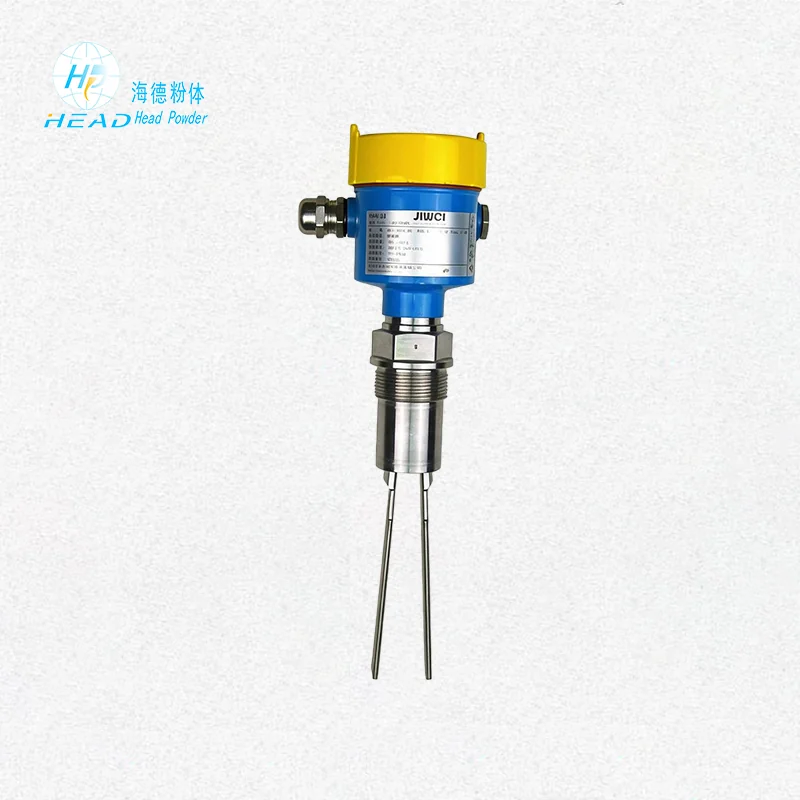
In the realm of industrial automation and process control, the accurate measurement of material levels is critical for operational efficiency and safety. Among the various technologies available, the radio frequency admittance level meter has emerged as a superior solution for measuring both solid and liquid levels. Unlike traditional capacitive sensors, which can be affected by changes in dielectric constant or material buildup, the radio frequency admittance level meter utilizes a broader frequency spectrum to measure the complex electrical impedance of the process medium. This technology ensures that the sensor maintains accuracy even when the material properties fluctuate or when the surface is irregular. As a leading provider of measurement solutions, Shandong Headpowder Engineering Co., Ltd. specializes in the development and production of high-performance **radio frequency admittance level meters**, ensuring that industries can rely on precise data for their inventory and process management.
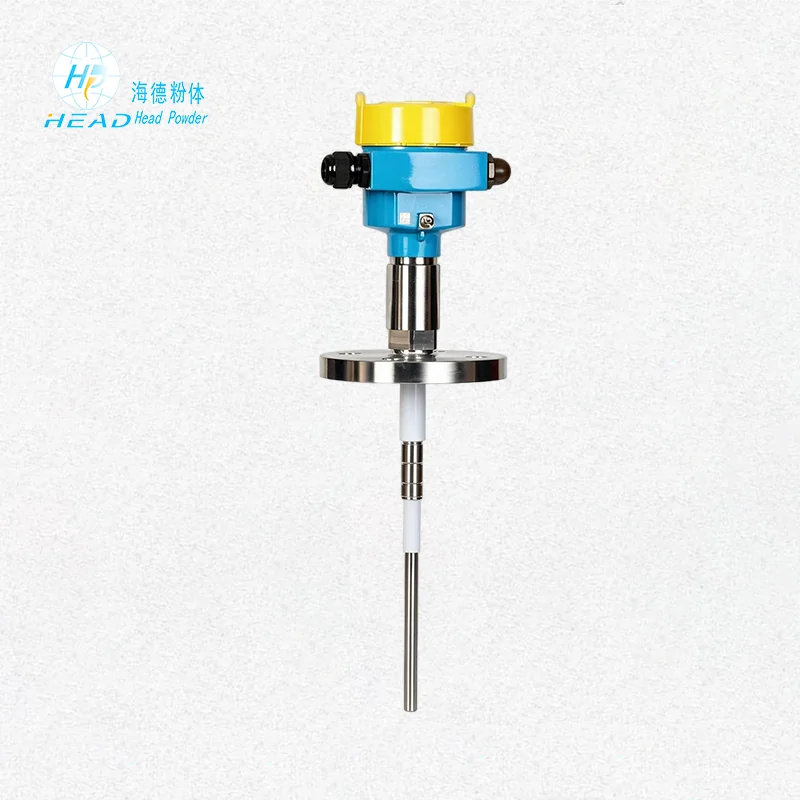
The core innovation behind the **radio frequency admittance level meter** lies in its ability to measure both conductance and capacitance simultaneously. This dual measurement capability allows the device to detect the level of materials that are highly conductive, such as water or salt solutions, as well as non-conductive materials like powders and plastics. One of the most significant benefits of this technology is its resistance to material buildup, often referred to as "coating" or "hanging." Because the sensor measures the entire surface area rather than just the probe tip, any accumulation of material on the probe does not interfere with the measurement signal. This feature drastically reduces maintenance requirements and downtime, making it an ideal choice for harsh industrial environments where cleaning and maintenance are frequent.
The versatility of the **radio frequency admittance level meter** makes it suitable for a wide range of industries. In the chemical sector, it is used to monitor corrosive liquids and powders. In the food and beverage industry, it helps track ingredients like flour, sugar, and starch without contamination risks. Furthermore, it is extensively utilized in the cement and mineral processing industries to measure levels of coal, cement, and ores. The device can handle extreme temperatures and pressures, making it a robust choice for silos, hoppers, and tanks. By providing continuous and reliable data, these meters help operators optimize production schedules and prevent overfilling or emptying of storage vessels.
Selecting the right equipment requires partnering with a reputable **level meter manufacturer**. Shandong Headpowder Engineering Co., Ltd. is a distinguished company based in Shandong, China, dedicated to providing high-quality measurement instruments. As a professional **level meter manufacturer**, the company integrates research, development, and production to ensure that every product meets international standards. Their **radio frequency admittance level meters** are designed with user-friendly interfaces and durable construction to withstand the rigors of industrial use. By choosing a manufacturer with a strong engineering background, clients ensure that they receive not only a product but also technical support and reliability.
When purchasing industrial instrumentation, cost is always a consideration. The **level meter price** can vary significantly based on several factors, including the range of measurement, the material of the probe, the type of connection required, and the specific features of the sensor. At Shandong Headpowder Engineering Co., Ltd., the company strives to offer competitive **level meter prices** without compromising on quality. They understand that budget constraints are real, so they provide transparent pricing structures that reflect the true value of the technology. By analyzing the specific needs of the client, the engineering team can recommend a cost-effective solution that maximizes return on investment. It is essential to look beyond the initial purchase price and consider the total cost of ownership, which includes durability, accuracy, and after-sales service.
Shandong Headpowder Engineering Co., Ltd. is a comprehensive enterprise located in Shandong, China. The company is committed to innovation and quality, holding a prominent position in the market as a trusted **level meter manufacturer**. Their product portfolio includes various types of **radio frequency admittance level meters** designed to meet diverse industrial challenges. For clients interested in learning more about their products or discussing specific requirements, direct communication is highly recommended. You may contact Mr. Zhang, the contact person at the company, to discuss your needs. You can reach him via WeChat at 15662777102. The company is ready to provide professional guidance and support to help you select the best measurement solution for your facility.

 Shandong Headpowder Engineering Co., Ltd.
 156-6277-7102(Manager Zhang)
  0531-83386006
  Zhangqiu District, Jinan City, Shandong Province, China
telephone
WeChatconsult
top