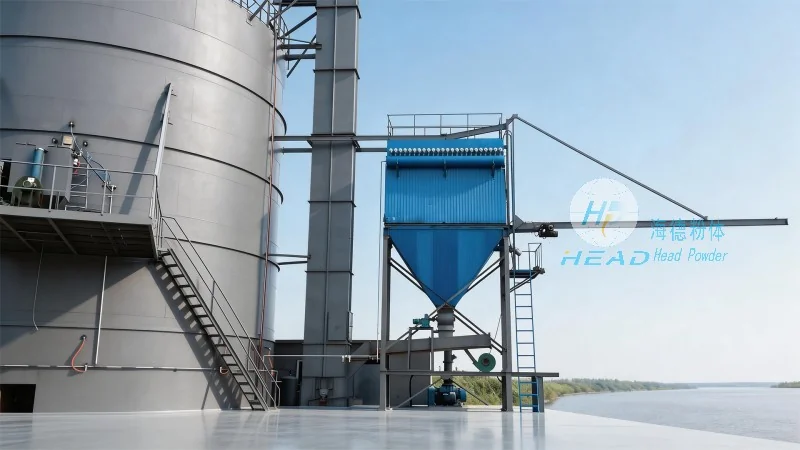
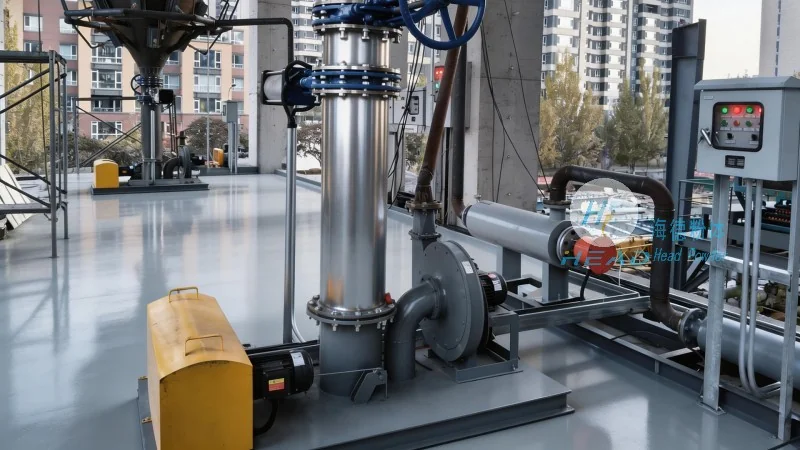
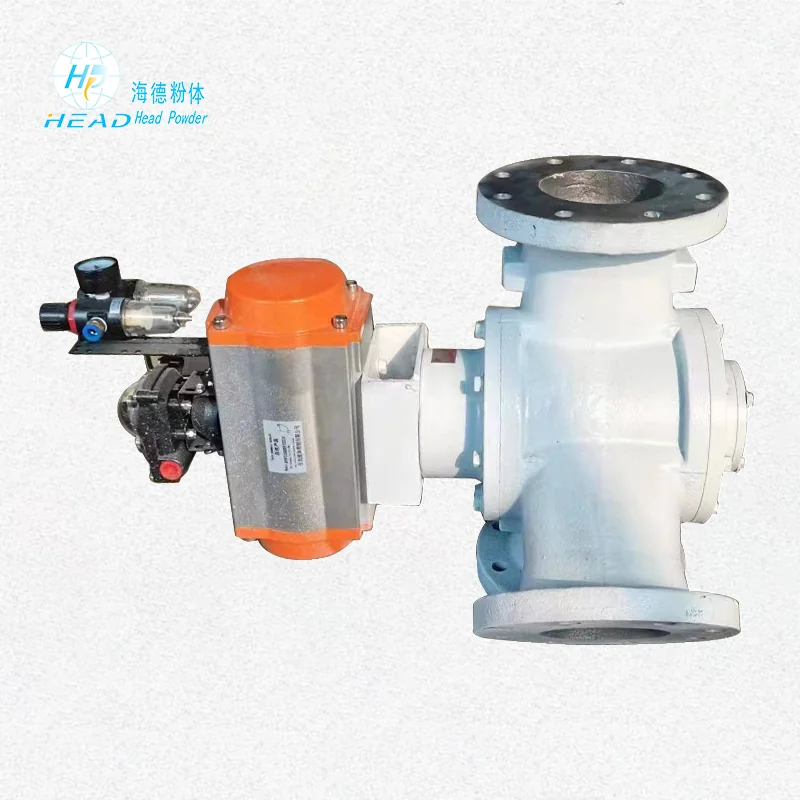
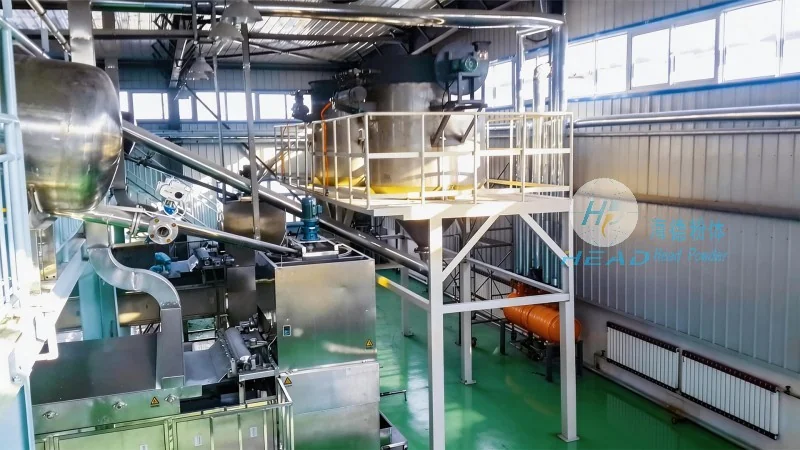
With more than 10‑year industry experience, Shandong Headpowder delivers full‑service pneumatic‑conveying systems and blowers, undertaking nationwide turn‑key powder‑handling projects.
In the complex world of industrial material handling, efficiency and reliability are paramount. Among the various components used in pneumatic conveying systems, the rotary airlock valve and discharger stands out as a critical element. Often referred to simply as a "airlock," this device serves as the essential interface between a storage vessel and a conveying line. It is responsible for maintaining a pressure differential, preventing material backflow, and ensuring a steady, controlled flow of powders and granules into the system.
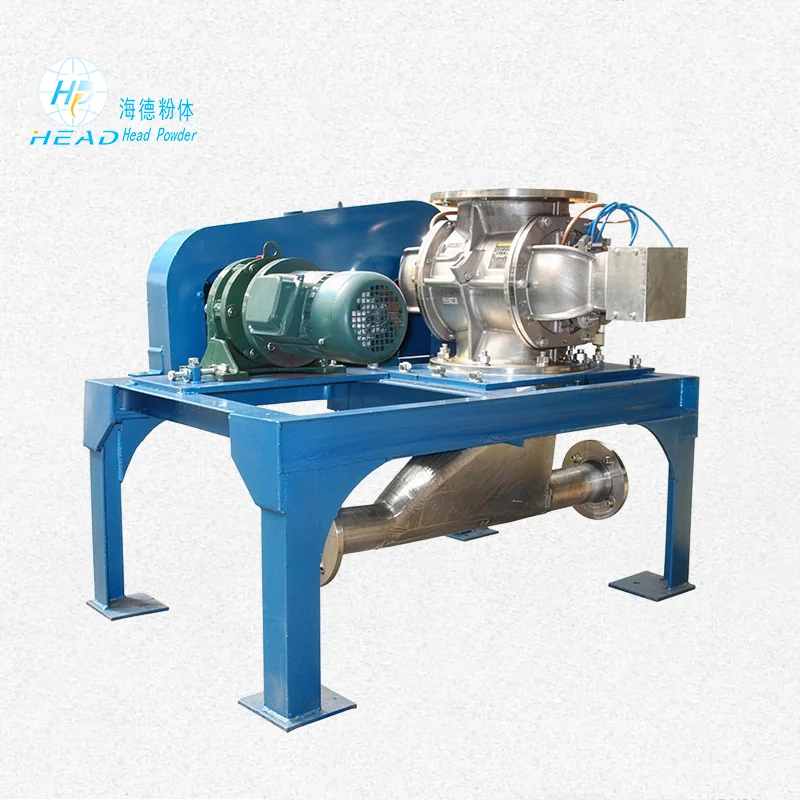
The primary function of a rotary airlock valve is to act as a seal and a metering device. By utilizing a rotating impeller (or rotor) inside a housing, the valve allows material to drop through under the force of gravity while simultaneously preventing air from escaping upward. This mechanism is vital for maintaining the negative or positive pressure required in pneumatic conveying systems, such as dilute phase or dense phase transport. Whether handling fine flour or heavy cement, the rotary airlock ensures that the process remains continuous and leak-free.
The operation of a rotary airlock valve is based on a simple yet sophisticated mechanical principle. The rotor, typically equipped with several vanes or pockets, rotates within a stationary housing. As the rotor turns, it scoops up material from the hopper above and carries it around the housing curve until the pocket aligns with the discharge outlet. At this point, gravity takes over, and the material is released into the downstream conveying line.
A key aspect of this design is the sealing capability. The clearance between the rotor blades and the housing is precisely manufactured to minimize leakage. High-quality models often feature mechanical seals or labyrinth seals to prevent air bypassing the material. This tight seal is what allows the device to function as an "airlock," maintaining the pressure balance necessary for efficient material transfer. Without this functionality, the conveying system would suffer from air loss, leading to reduced conveying capacity and potential equipment damage.
The versatility of the rotary airlock valve makes it indispensable across a wide range of industries. In the cement and construction sectors, these valves are used to feed raw meal into kilns or to discharge clinker from silos. In the food and pharmaceutical industries, where hygiene is critical, stainless steel variants of the valve are used to handle flour, sugar, and powdered milk. The food-grade coatings and sanitary designs ensure that no contamination occurs during the transfer process.
Furthermore, the chemical industry relies on these devices to handle corrosive powders, utilizing materials like Hastelloy or specialized alloys. Dust collection systems also employ rotary airlocks to remove collected particulates from hoppers without releasing dust into the atmosphere. Regardless of the application, the ability to handle abrasive, cohesive, or free-flowing materials makes the rotary airlock a universal tool in bulk material processing.
Selecting the right equipment requires partnering with a reputable supplier. A professional rotary airlock manufacturer understands that every material has unique characteristics. For example, handling abrasive materials requires hardened steel vanes, while handling sticky materials requires specific pocket designs to prevent bridging. Shandong Headpowder Engineering Co., Ltd. specializes in providing tailored solutions that meet these diverse needs.
As a leading engineering company based in China, we prioritize quality and performance. Our manufacturing processes adhere to strict international standards, ensuring that every unit leaving our factory is durable and efficient. We do not just sell a product; we provide a solution that integrates seamlessly into your existing production line. Our team of engineers works closely with clients to analyze their specific material properties and flow rates, recommending the optimal configuration for their operations.
When considering a new piece of equipment, cost is always a significant factor. The price of a rotary airlock is determined by several variables, including size, material of construction, and torque requirements. Larger models with higher flow capacities naturally cost more due to increased material usage and more robust motor requirements. The choice between carbon steel and stainless steel (such as 304 or 316L) also significantly impacts the cost, with stainless steel being more expensive due to its corrosion resistance.
Additionally, specialized features such as explosion-proof motors, high-temperature liners, or custom gearboxes will affect the final pricing. It is crucial for buyers to communicate their exact requirements to the manufacturer to receive an accurate quote. At Shandong Headpowder Engineering Co., Ltd., we offer competitive pricing structures that reflect the quality of our materials and the precision of our engineering, ensuring that clients receive the best value for their investment.
For businesses looking to upgrade their material handling systems or require a reliable supply of rotary airlock valves, Shandong Headpowder Engineering Co., Ltd. is your trusted partner. Located in Shandong, China, we are dedicated to delivering high-performance machinery that enhances operational efficiency. Our commitment to customer satisfaction extends beyond the sale, offering comprehensive after-sales support and technical guidance.
If you are interested in discussing your specific needs or obtaining a detailed quotation, please do not hesitate to reach out. You can contact our Manager Zhang directly via WeChat at 15662777102. We look forward to assisting you in optimizing your production processes with our top-tier rotary airlock solutions.

 Shandong Headpowder Engineering Co., Ltd.
 156-6277-7102(Manager Zhang)
  0531-83386006
  Zhangqiu District, Jinan City, Shandong Province, China
telephone
WeChatconsult
top