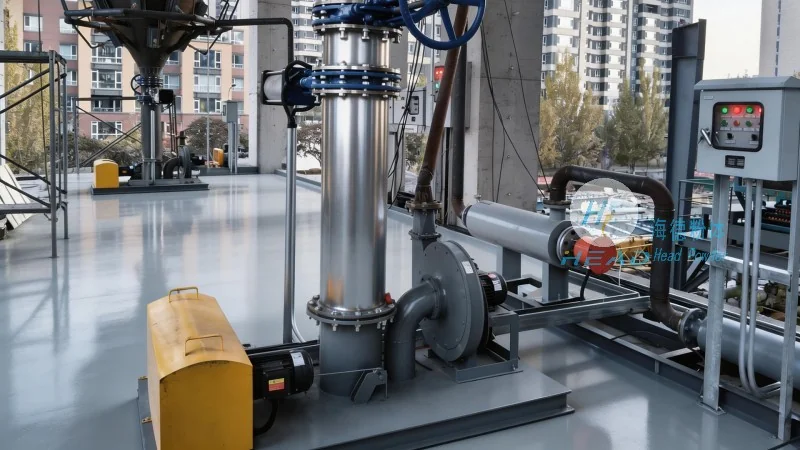
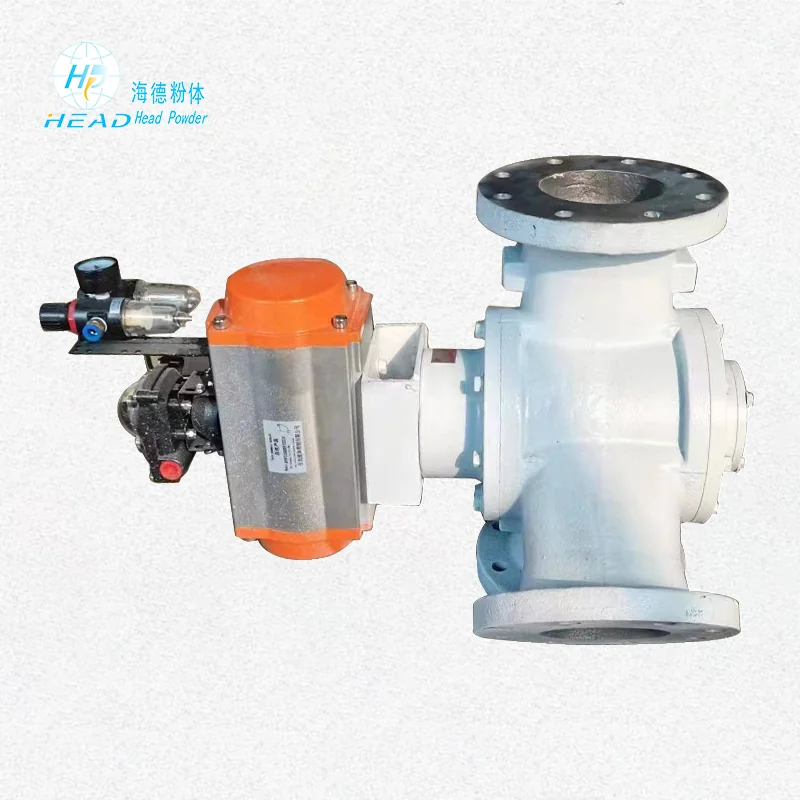
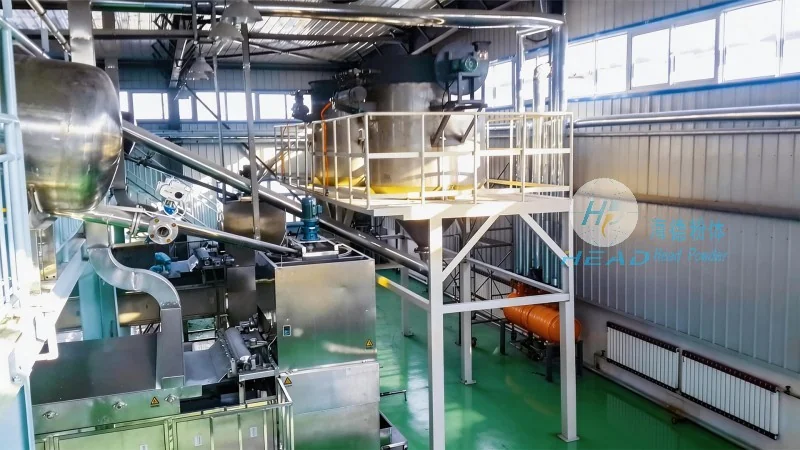
With more than 10‑year industry experience, Shandong Headpowder delivers full‑service pneumatic‑conveying systems and blowers, undertaking nationwide turn‑key powder‑handling projects.
In the complex landscape of industrial manufacturing and processing, the reliable transfer of bulk materials is a critical operational requirement. Whether in the chemical, pharmaceutical, cement, or food processing sectors, the efficiency of the production line is often dictated by the performance of the feeding equipment. Among the various devices employed for this purpose, the rotary feeder stands out as a versatile and essential component. It serves as a gatekeeper, regulating the flow of materials from storage hoppers into processing systems or conveying lines. For industries requiring precise control over material throughput and pressure differential, the through-type rotary feeder has emerged as a superior solution. This device is engineered to provide a continuous, controlled discharge of bulk solids, ensuring that production lines operate without interruption while maintaining optimal pressure within the system.
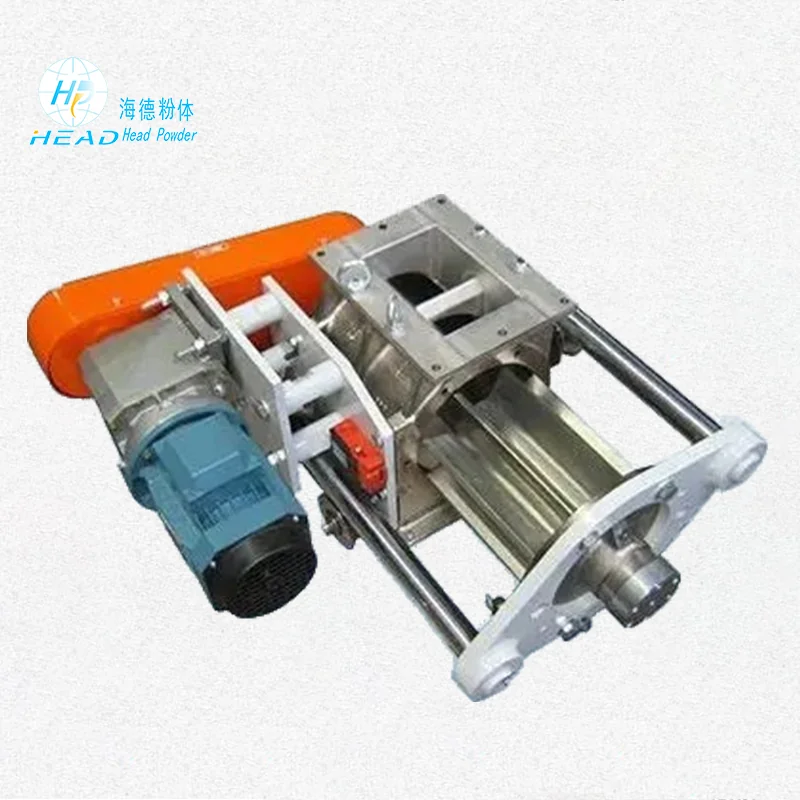
The defining characteristic of the through-type rotary feeder is its unique design architecture, which facilitates a direct path for the material. Unlike standard models where the inlet and outlet are offset or require complex transition chambers, the through-type design allows for a straight-through flow of material. This structural integrity is achieved through a specialized housing and a precisely machined rotor. The rotor, or impeller, is typically equipped with vanes or pockets that scoop up the material from the hopper and carry it through the discharge port. As the rotor turns, the pockets are filled and then emptied, creating a consistent discharge rate. This design is particularly advantageous in applications where space is limited or where a direct connection to downstream equipment is necessary. The seamless integration reduces the risk of material bridging and ensures a uniform feed, which is crucial for the stability of downstream processes such as pneumatic conveying or grinding.
When evaluating the performance of a rotary feeder, several technical attributes must be considered to ensure it meets the rigorous demands of industrial environments. One of the primary advantages of the through-type design is its superior pressure balancing capability. The rotor is designed to be a tight fit within the housing, minimizing the pressure differential between the inlet and outlet. This feature is vital for applications involving fine powders or materials that tend to aerate, as it prevents backflow and ensures that the material moves only in the desired direction. Additionally, the construction of the feeder often includes high-quality seals, such as labyrinth seals or mechanical seals, which prevent dust leakage and maintain a clean working environment.
Another critical feature is the durability of the materials used in manufacturing. High-quality rotary feeders are constructed from robust materials like carbon steel, stainless steel (such as 304 or 316L), or specialized alloys that resist corrosion and abrasion. The wear surfaces, including the housing liner and the rotor vanes, are often hardened or replaceable to extend the service life of the equipment. This focus on longevity translates to lower maintenance costs and reduced downtime for the facility. Furthermore, the through-type design often allows for easier cleaning and maintenance, as access ports can be strategically placed to allow for inspection and servicing without the need to dismantle the entire unit.
The versatility of the rotary feeder allows it to handle a wide array of bulk materials, ranging from free-flowing granules to cohesive powders. In the cement and construction industry, these feeders are used to meter raw meal or clinker into kilns. In the chemical sector, they handle reactive powders and granules, ensuring safe and controlled transfer. The pharmaceutical industry relies on them for precise dosing of active ingredients, where hygiene and accuracy are paramount. Even in the food industry, where material purity is critical, stainless steel rotary feeders are the standard choice.
The adaptability of the through-type rotary feeder extends to its ability to handle various operating conditions, including high temperatures and corrosive atmospheres. By selecting the appropriate materials of construction and wear parts, manufacturers can tailor the feeder to specific chemical compositions and physical properties of the material being handled. This flexibility makes the rotary feeder an indispensable tool in modern bulk material handling systems, capable of integrating into diverse production lines with ease.
The quality of a rotary feeder is intrinsically linked to the expertise and capabilities of its manufacturer. A leading rotary feeder manufacturer does not simply assemble parts; they engineer solutions based on deep understanding of fluid dynamics and mechanical engineering. Shandong Headpowder Engineering Co., Ltd. exemplifies this commitment to excellence. Located in Shandong, China, the company has established itself as a reputable entity in the field of powder engineering. Their facility is equipped with advanced manufacturing machinery, allowing for the precise machining of rotors and housings that ensure a tight tolerance and minimal leakage.
Customization is a cornerstone of their service offering. Recognizing that every production line has unique requirements, the company offers bespoke solutions. This includes modifications to the rotor design, changes in shaft specifications, and the implementation of specialized coatings or linings. Whether a client requires a feeder for a high-temperature application or one that must handle abrasive materials like silica sand, the engineering team can design a solution that fits the exact specifications. This ability to provide tailored products ensures that clients receive equipment that operates at peak efficiency, rather than a generic off-the-shelf product that may not address specific operational challenges.
When procuring industrial equipment, the rotary feeder price is a significant factor in the decision-making process. However, it is essential to view the price in the context of the total cost of ownership. A lower upfront cost might be tempting, but if the equipment requires frequent repairs, has a short lifespan, or causes production inefficiencies due to poor performance, the long-term costs can far outweigh the initial savings. A high-quality rotary feeder, such as those produced by Shandong Headpowder Engineering Co., Ltd., represents a sound investment. The pricing reflects the use of premium materials, precision engineering, and rigorous quality control testing.
Investors and plant managers should consider the total lifecycle cost, which includes installation, operation, maintenance, and eventual replacement. A well-engineered feeder will operate smoothly with minimal energy consumption and require infrequent maintenance. The durability of the components ensures that the unit can withstand the rigors of continuous operation, providing a reliable return on investment. By choosing a manufacturer that balances cost-effectiveness with high performance, companies can secure a reliable component for their infrastructure that will serve them for years to come.
Choosing the right partner for industrial equipment is as important as selecting the equipment itself. Shandong Headpowder Engineering Co., Ltd. offers a comprehensive suite of services that extend beyond mere product sales. As a dedicated rotary feeder manufacturer, they provide end-to-end support, from initial consultation and design to after-sales service. Their team of experienced engineers works closely with clients to understand their specific material handling needs, ensuring that the proposed solution is technically sound and economically viable.
The company’s location in Shandong, a hub for industrial manufacturing in China, provides logistical advantages, allowing for efficient production and distribution. Their reputation is built on a foundation of customer satisfaction, technical expertise, and a commitment to quality. By partnering with Shandong Headpowder Engineering Co., Ltd., clients gain access to a team that is invested in their success, offering technical guidance and support throughout the lifecycle of the equipment.
For those interested in upgrading their material handling systems or require a custom solution for a specific application, direct communication with the manufacturer is highly recommended. The professionals at Shandong Headpowder Engineering Co., Ltd. are ready to provide detailed quotations and technical specifications. To discuss your requirements or to inquire about the latest rotary feeder prices, please contact Zhang Manager directly. You can reach the sales team via WeChat at 15662777102. Ensuring that your production line operates with the best equipment is just a conversation away.

 Shandong Headpowder Engineering Co., Ltd.
 156-6277-7102(Manager Zhang)
  0531-83386006
  Zhangqiu District, Jinan City, Shandong Province, China
telephone
WeChatconsult
top