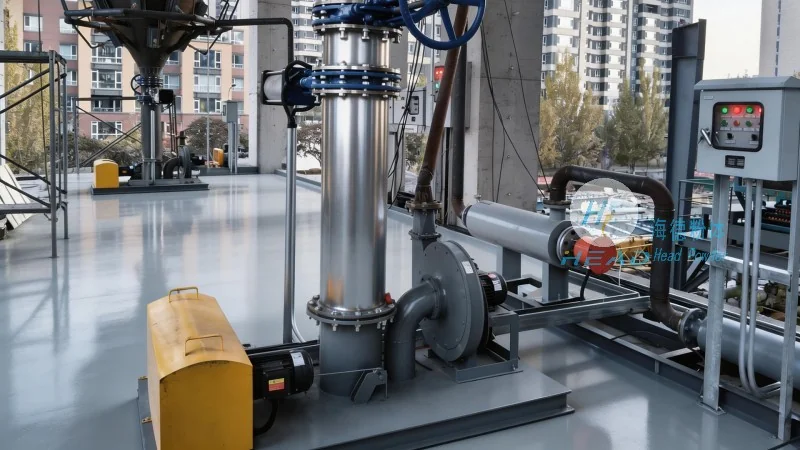
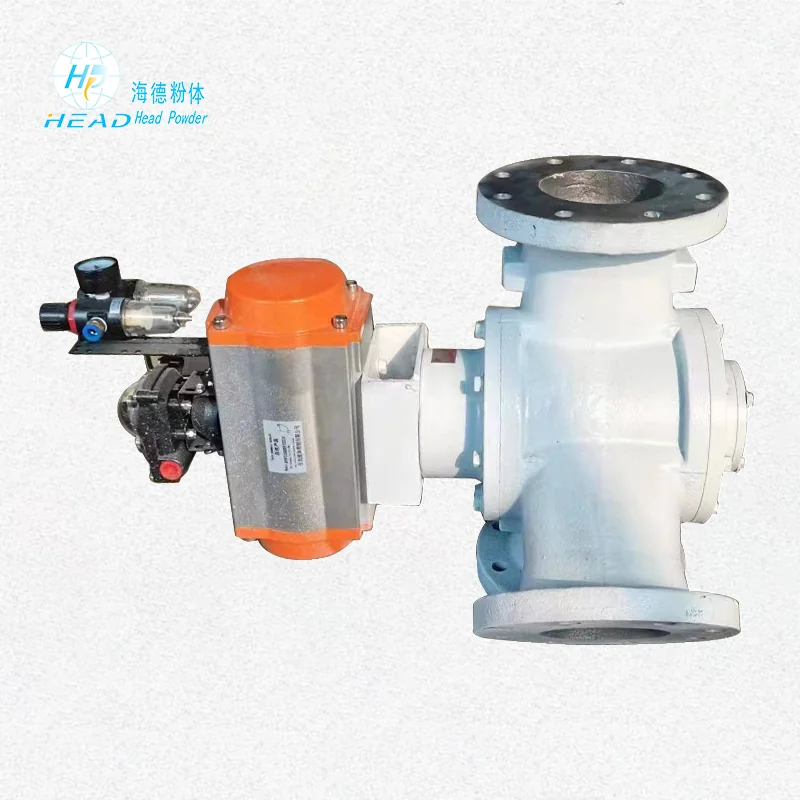
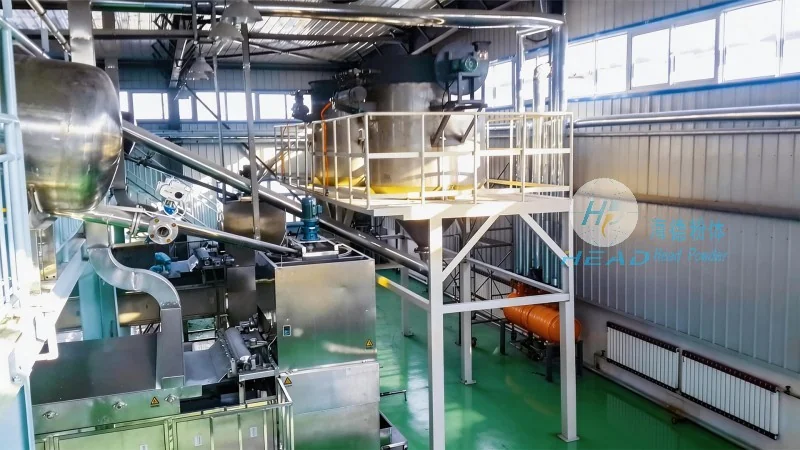
With more than 10‑year industry experience, Shandong Headpowder delivers full‑service pneumatic‑conveying systems and blowers, undertaking nationwide turn‑key powder‑handling projects.
The material sealing pump, often referred to as a pneumatic conveying pump, represents a significant advancement in industrial powder handling. Unlike traditional mechanical conveyors that rely on moving parts prone to wear and tear, the material sealing pump utilizes a unique air-solid two-phase flow principle. This technology is essential for industries that require the efficient, dust-free, and continuous transportation of fine powders. Shandong Headpowder Engineering Co., Ltd. has established itself as a premier expert in this field, providing robust solutions that meet the rigorous demands of modern manufacturing and processing plants.
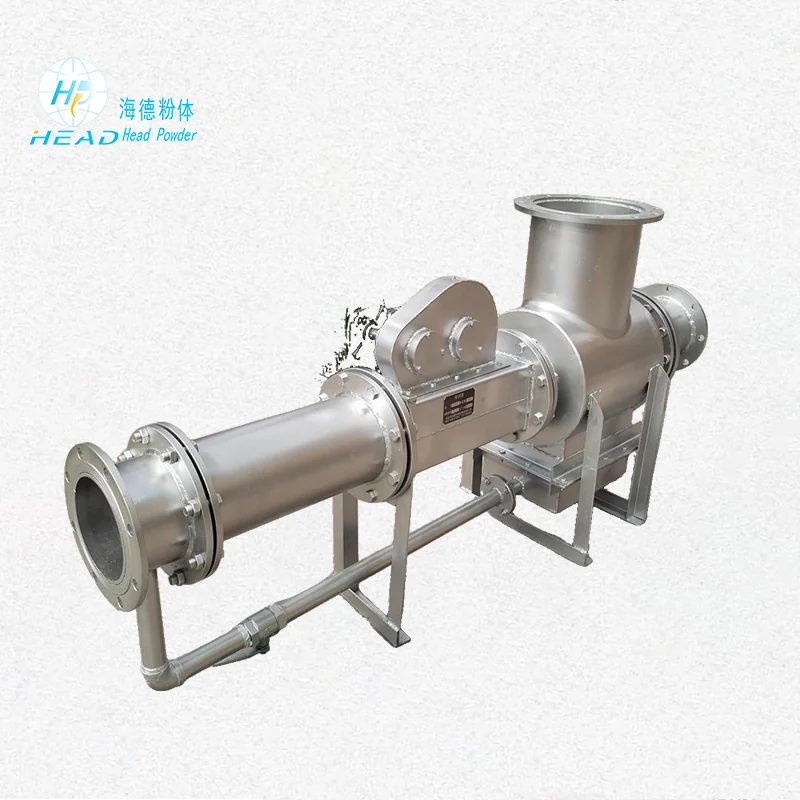
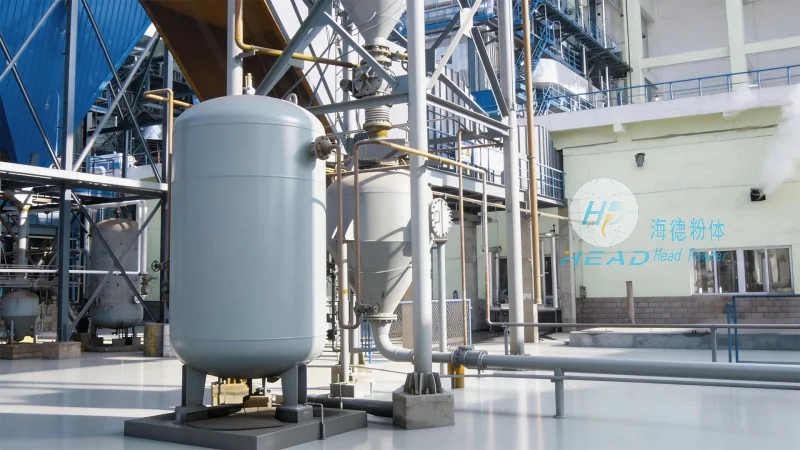
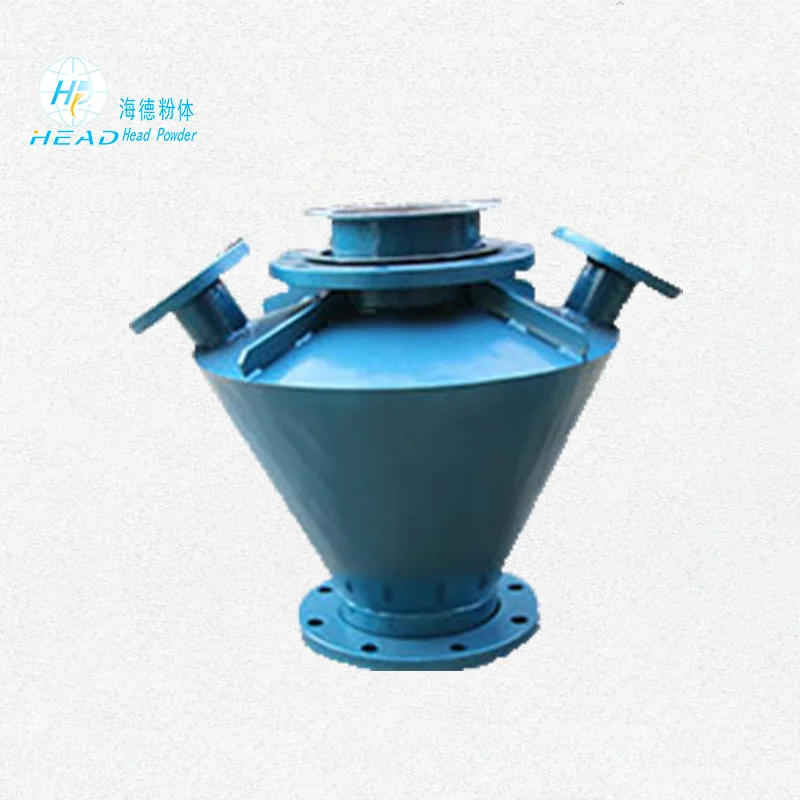
The core functionality of a material sealing pump is grounded in the principles of fluid mechanics and aerodynamics. The device operates by creating a specific air pressure differential within the pump body. When the air supply is initiated, it flows through the air distribution pipe, entering the feed hopper. This flow of air fluidizes the powder material, transforming it from a static state into a fluidized bed. As the fluidized material reaches the discharge pipe, the air velocity increases, entraining the powder particles and propelling them through the pipeline to the destination. This process ensures that the material is transported smoothly without clogging, a common issue found in less sophisticated systems. Shandong Headpowder Engineering Co., Ltd. designs these systems with precise airflow control mechanisms to optimize this transfer efficiency.
Investing in a high-quality material sealing pump offers numerous benefits that contribute to the overall efficiency of a facility. One of the primary advantages is the hermetic sealing capability. The design eliminates the need for rotating seals, which are a major source of leakage in mechanical pumps. This hermetic sealing prevents dust pollution, creating a cleaner and safer working environment for operators. Furthermore, the material sealing pump operates with minimal noise levels compared to traditional conveyors, reducing the acoustic footprint of industrial plants.
Another critical benefit is the low maintenance cost. Since the system lacks complex moving parts like rotors or screws, the wear and tear is significantly reduced. This leads to longer service intervals and lower operational expenses over the equipment's lifespan. Shandong Headpowder Engineering Co., Ltd. emphasizes durability in its manufacturing process, ensuring that every unit delivered withstands the harsh conditions of continuous industrial operation.
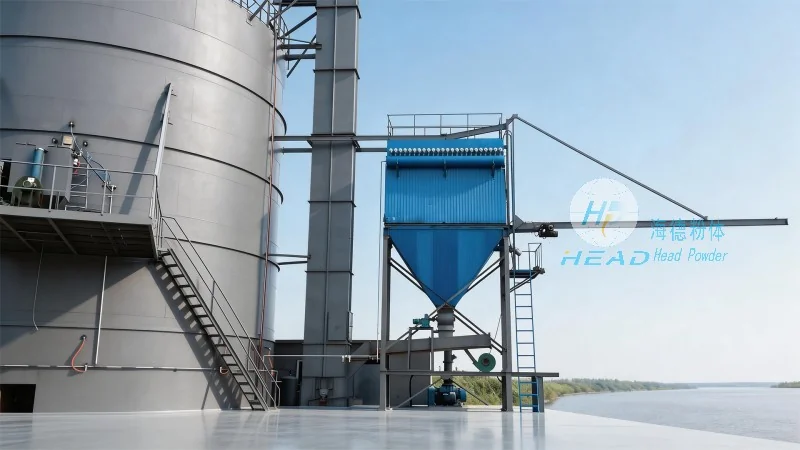
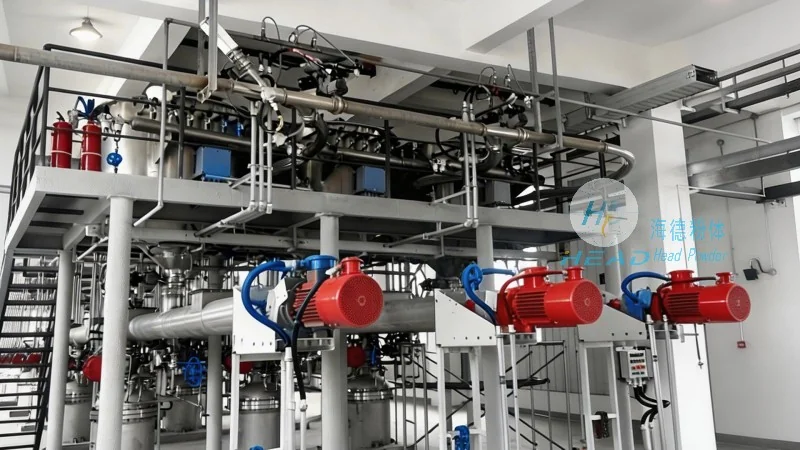
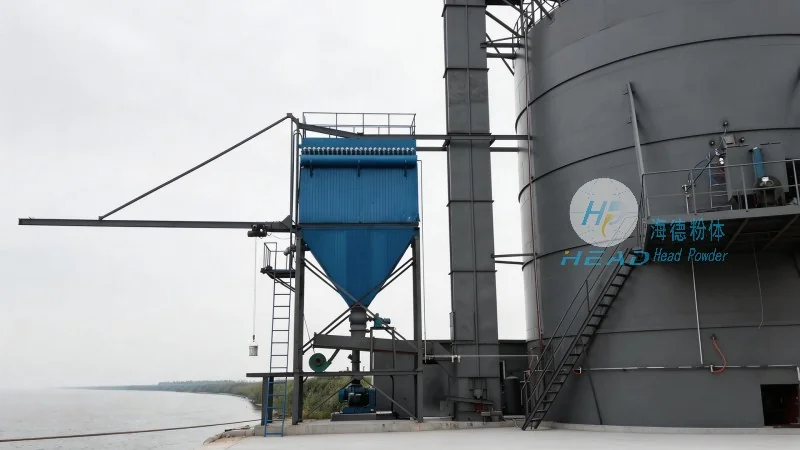
The versatility of the material sealing pump makes it suitable for a wide array of industries. In the cement and construction sector, it is extensively used for transporting raw materials and finished products such as fly ash and limestone powder. Power plants rely heavily on this technology to transfer pulverized coal and ash, ensuring a steady supply for combustion and disposal. Additionally, the chemical industry utilizes material sealing pumps to handle various fine powders and granules, including detergents, flour, and chemical additives.
Food and pharmaceutical industries also benefit from these systems, particularly where hygiene and contamination control are paramount. The ability to transport materials in a closed system ensures that the product integrity remains uncompromised. Shandong Headpowder Engineering Co., Ltd. tailors its material sealing pump solutions to meet the specific material properties of these diverse sectors, providing customized configurations that address unique viscosity and particle size requirements.
Selecting the right supplier is as important as selecting the equipment itself. A professional material sealing pump manufacturer like Shandong Headpowder Engineering Co., Ltd. provides more than just a product; they offer a comprehensive engineering solution. With a strong presence in Shandong, China, the company combines local manufacturing expertise with global quality standards. They offer rigorous testing and quality assurance protocols to ensure every pump meets performance specifications.
As a dedicated material sealing pump manufacturer, Headpowder focuses on innovation and customer satisfaction. They provide detailed technical support, from initial design consultation to after-sales service. Whether a client requires a standard model or a complex, multi-point discharge system, the engineering team at Shandong Headpowder Engineering Co., Ltd. is equipped to deliver. Their commitment to excellence ensures that clients receive equipment that maximizes throughput while minimizing energy consumption.
When evaluating the material sealing pump price, it is essential to understand that cost is determined by several technical and logistical factors. The price varies based on the pump's capacity, the diameter of the discharge pipe, the type of material being conveyed, and the distance of the transportation. High-capacity systems designed for long-distance transport naturally command a higher investment compared to smaller, local transfer units.
Material selection also plays a significant role in the final pricing. For corrosive or abrasive materials, manufacturers use specialized alloys or linings that increase the cost but extend the equipment's life. Additionally, the complexity of the control system and automation features can influence the overall expenditure. Shandong Headpowder Engineering Co., Ltd. provides transparent pricing models, helping clients understand the value proposition behind their investment. By analyzing the specific operational needs of a facility, they help clients optimize their budget without compromising on quality.
For businesses seeking to upgrade their powder handling infrastructure, establishing direct communication with the manufacturer is crucial. Shandong Headpowder Engineering Co., Ltd. welcomes inquiries from potential clients worldwide. The company is led by experienced professionals, including Mr. Zhang, who is available to discuss project requirements and provide expert advice.
To initiate a discussion regarding your specific needs or to request a detailed quotation, please contact Mr. Zhang via WeChat. You can reach him directly at 15662777102. The team at Shandong Headpowder Engineering Co., Ltd. is dedicated to providing responsive service and ensuring that your material sealing pump system operates at peak efficiency for years to come. Whether you are looking to compare specifications or negotiate the material sealing pump price, their contact information is the first step toward a successful partnership.

 Shandong Headpowder Engineering Co., Ltd.
 156-6277-7102(Manager Zhang)
  0531-83386006
  Zhangqiu District, Jinan City, Shandong Province, China
telephone
WeChatconsult
top