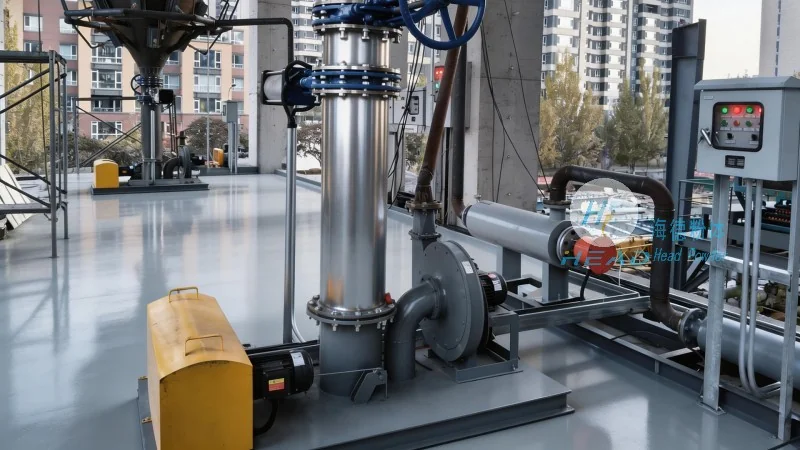
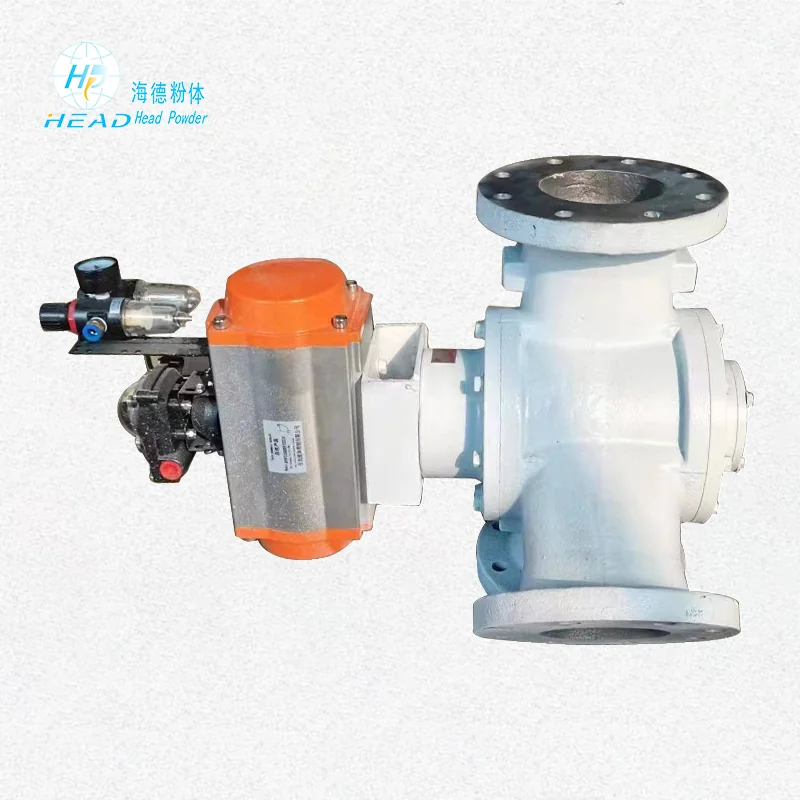
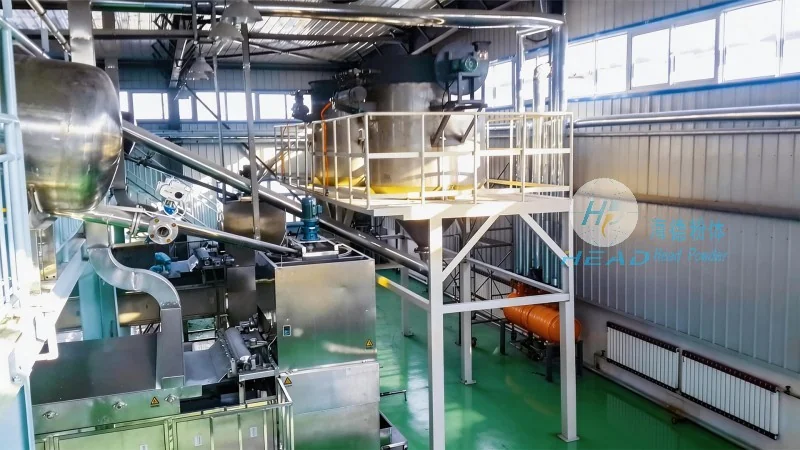
With more than 10‑year industry experience, Shandong Headpowder delivers full‑service pneumatic‑conveying systems and blowers, undertaking nationwide turn‑key powder‑handling projects.
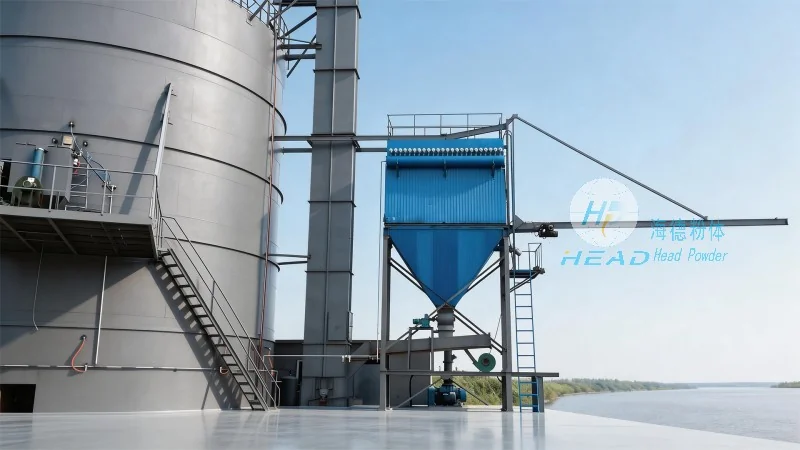
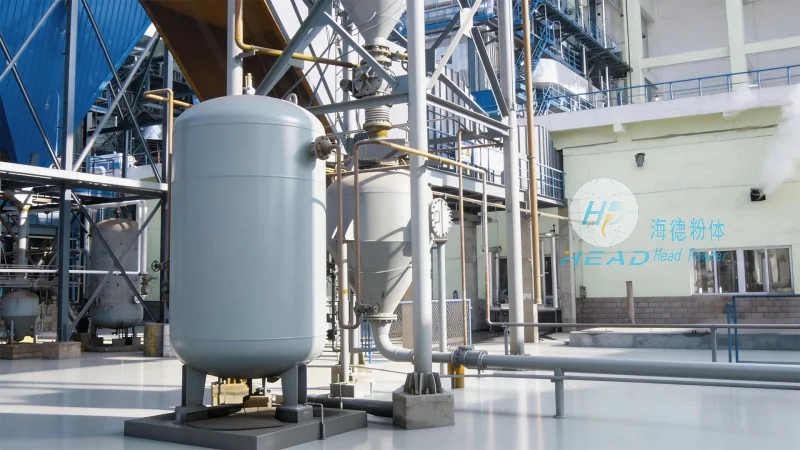
In the realm of industrial material handling, the efficiency and reliability of transporting powders and granules are paramount. Among the various technologies available, the rotary valve dilute phase negative pressure pneumatic conveying system stands out as a preferred solution for many industries. This method utilizes a unique combination of mechanical feeding and aerodynamic transport to move materials from one location to another with high precision. By understanding the operational mechanics and benefits of this system, businesses can optimize their production lines and reduce operational costs significantly.
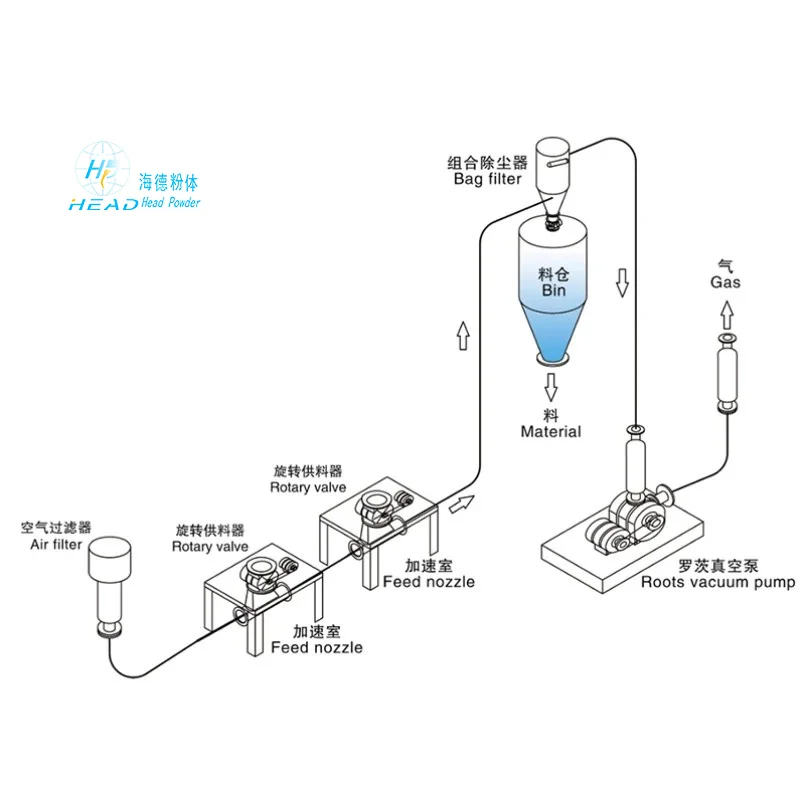
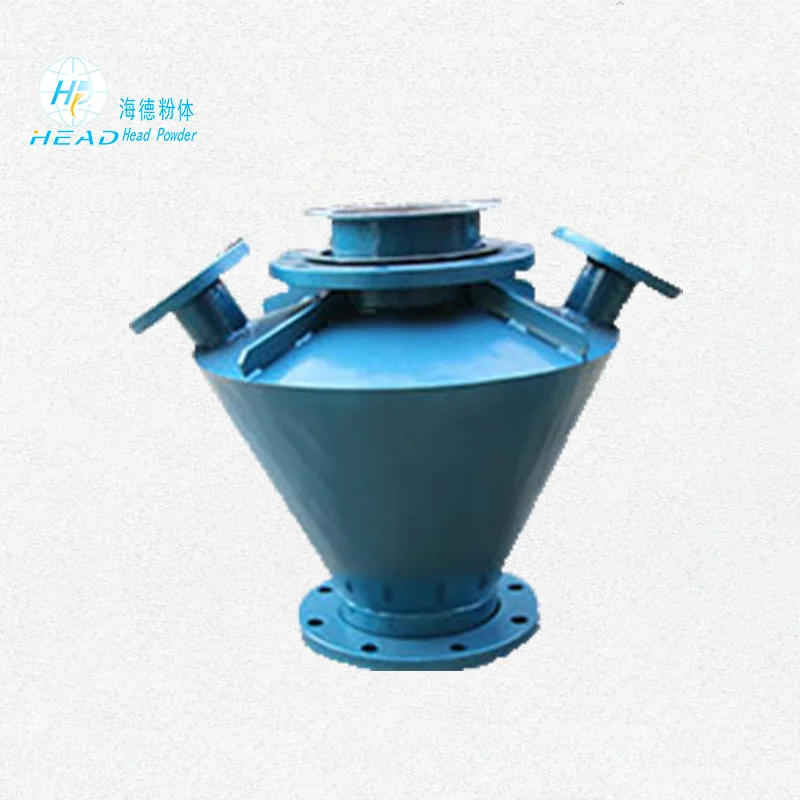
A critical component in this system is the rotary valve, which acts as the gatekeeper for material entry. In a rotary valve pneumatic conveying setup, the rotary valve, also known as a star feeder or rotary airlock, is responsible for providing a continuous and controlled feed of material into the vacuum line. Unlike simple hoppers, the rotary valve ensures a steady flow, preventing air from escaping the system while allowing material to pass through. This mechanism is essential for maintaining the negative pressure required for efficient transport. The rotary valve's design minimizes backflow and ensures that the material is introduced into the air stream at the correct rate, which stabilizes the entire conveying process.
The term "dilute phase" refers to the transport mode where the material is suspended in the air stream at high velocities. In a dilute phase negative pressure pneumatic conveying system, the pressure inside the pipeline is lower than atmospheric pressure. This negative pressure draws the material through the system. The primary advantages of this configuration include low wear and tear on the system components and the ability to handle a wide variety of materials, from fine powders to larger granules. Because the air velocity is high, the material is fluidized quickly, ensuring that the conveying line remains clean and free of blockages. This makes the dilute phase negative pressure pneumatic conveying method particularly suitable for industries such as food processing, chemicals, and plastics where material integrity is crucial.
When selecting a provider for these complex systems, the expertise of the manufacturer cannot be overstated. Shandong Headpowder Engineering Co., Ltd. is a premier pneumatic conveying manufacturer dedicated to providing high-quality solutions. As a specialized company based in Shandong, China, Headpowder integrates research, development, and manufacturing to deliver systems that meet specific industrial requirements. Their expertise spans the design, installation, and maintenance of pneumatic conveying systems, ensuring that clients receive a turnkey solution tailored to their facility layout and material properties. By choosing a reputable pneumatic conveying manufacturer like Headpowder, companies guarantee that their equipment will operate with maximum efficiency and longevity.
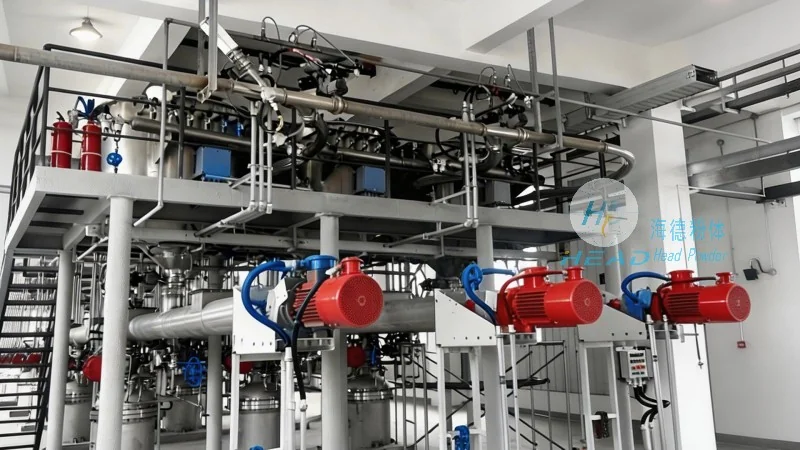
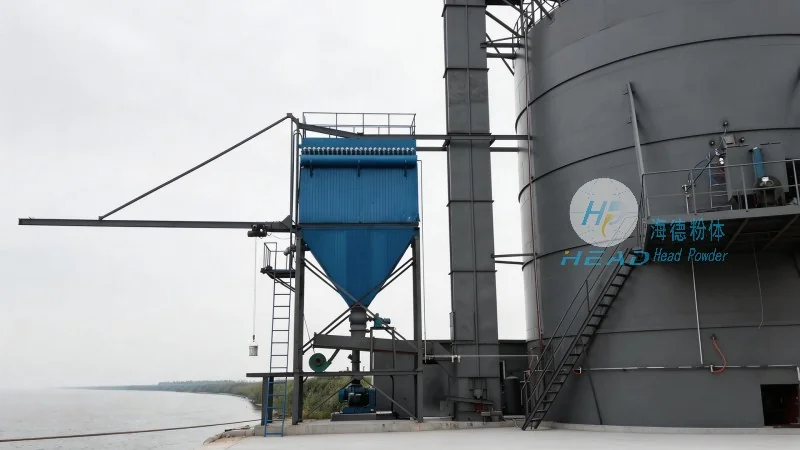
The implementation of a rotary valve dilute phase negative pressure pneumatic conveying system offers numerous technical benefits. The system is highly automated, reducing the need for manual intervention and minimizing labor costs. The negative pressure design also simplifies the cleaning process, as dust collection is integrated directly into the system. Whether transporting flour, cement, or plastic pellets, the system's versatility allows for easy configuration. A qualified pneumatic conveying manufacturer will conduct thorough simulations and material testing to determine the optimal pipeline diameter, air volume, and valve speed for each specific application, ensuring a robust and efficient design.
For businesses looking to upgrade their material handling infrastructure, understanding the capabilities of modern conveying technologies is the first step. The rotary valve dilute phase negative pressure pneumatic conveying system offers a balance of speed, efficiency, and cost-effectiveness. If you are in need of a reliable partner to design and supply these systems, Shandong Headpowder Engineering Co., Ltd. is ready to assist. You can reach out to their team directly to discuss your project requirements. Please contact Manager Zhang at the company's WeChat: 15662777102 to receive detailed quotations and technical support. Headpowder is committed to providing exceptional service and engineering excellence to clients across the globe.

 Shandong Headpowder Engineering Co., Ltd.
 156-6277-7102(Manager Zhang)
  0531-83386006
  Zhangqiu District, Jinan City, Shandong Province, China
telephone
WeChatconsult
top