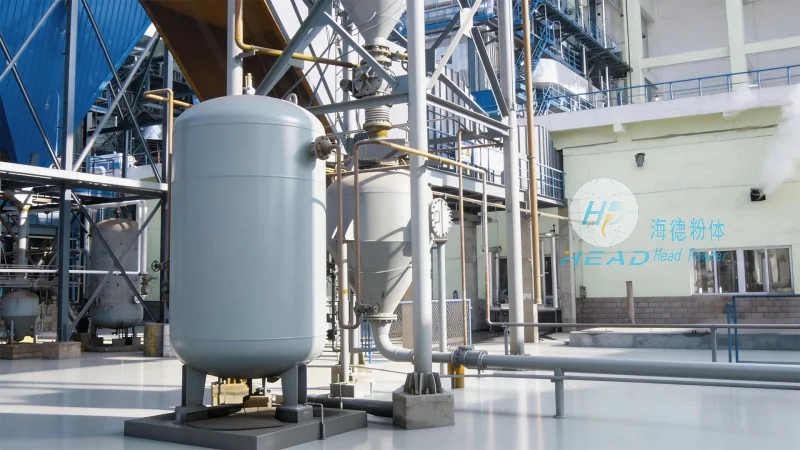
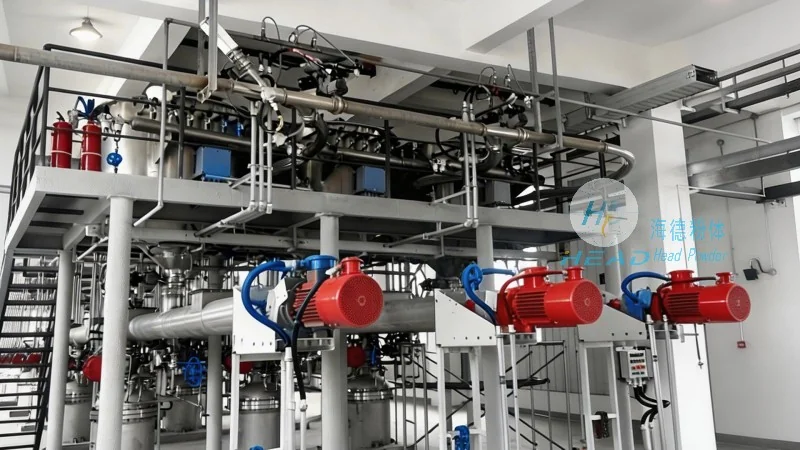
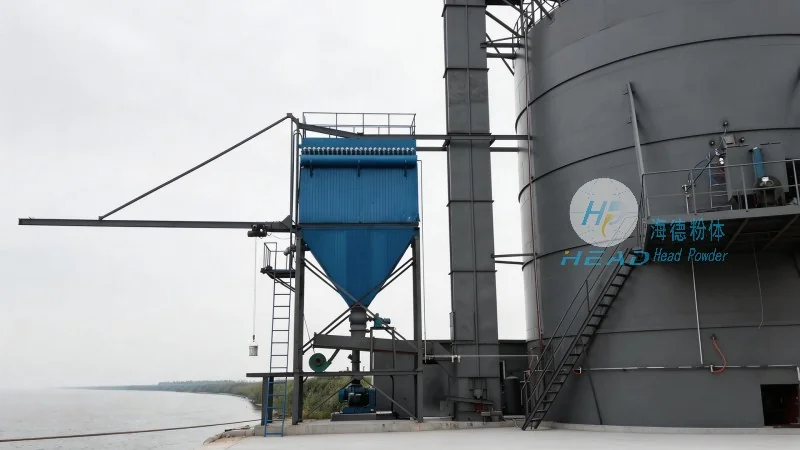
With more than 10‑year industry experience, Shandong Headpowder delivers full‑service pneumatic‑conveying systems and blowers, undertaking nationwide turn‑key powder‑handling projects.
In the realm of industrial material handling, the demand for efficient, clean, and automated transportation systems has never been higher. Companies are constantly seeking advanced solutions to transfer powders and granular materials without compromising product integrity or environmental standards. Shandong Headpowder Engineering Co., Ltd. stands at the forefront of this technological evolution. Located in Shandong, China, we are a dedicated engineering enterprise specializing in the design and manufacturing of cutting-edge pneumatic conveying systems. Our expertise lies in providing robust solutions tailored to the complex needs of modern manufacturing and processing industries. We are proud to be recognized as a premier air conveying manufacturer, delivering high-performance systems that ensure seamless material flow from point A to point B with minimal loss and maximum efficiency.
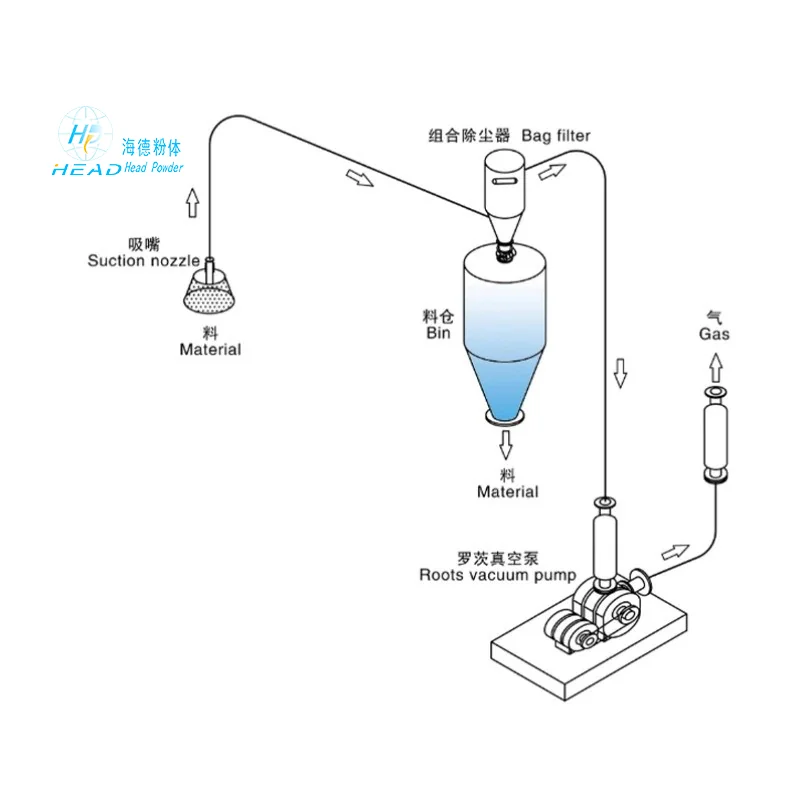
At the heart of our product portfolio is the sophisticated suction type dilute phase negative pressure pneumatic conveying system. This technology represents a significant advancement in material handling, utilizing the principles of negative pressure to transport materials through a pipeline. Unlike positive pressure systems, which push material through the line, our suction system actively draws material into the conveying line, creating a vacuum that pulls the product along. This method is particularly effective for moving a wide variety of bulk materials, including powders, granules, and dry solids, making it an indispensable tool for industries ranging from chemicals to food processing.
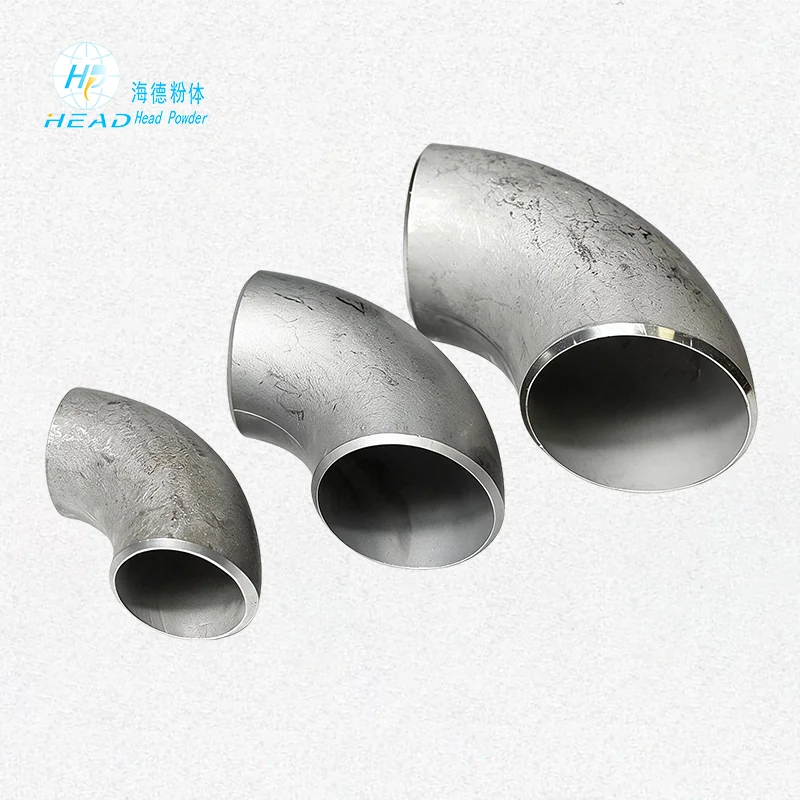
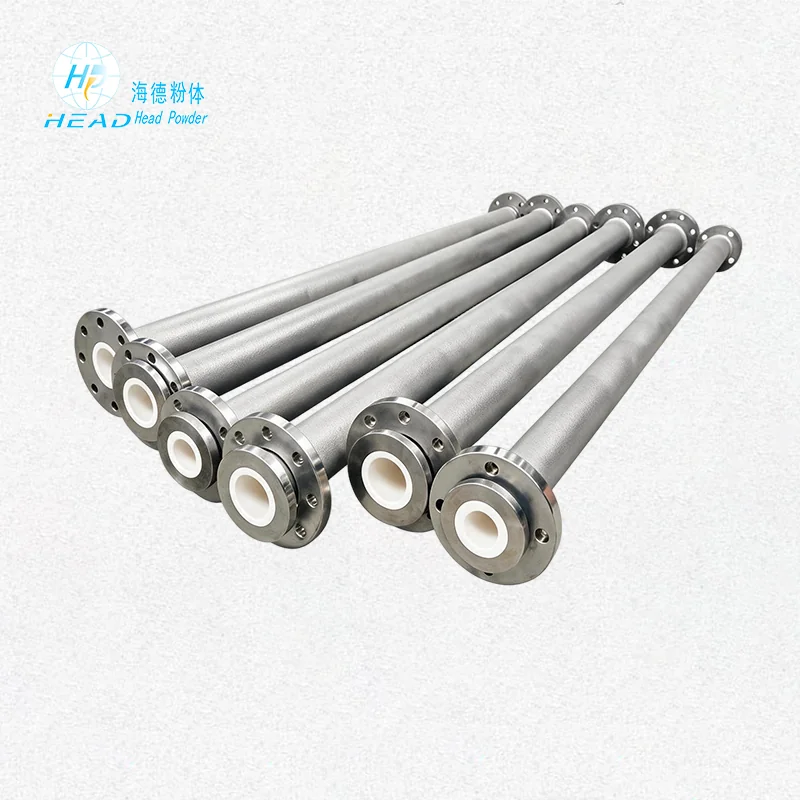
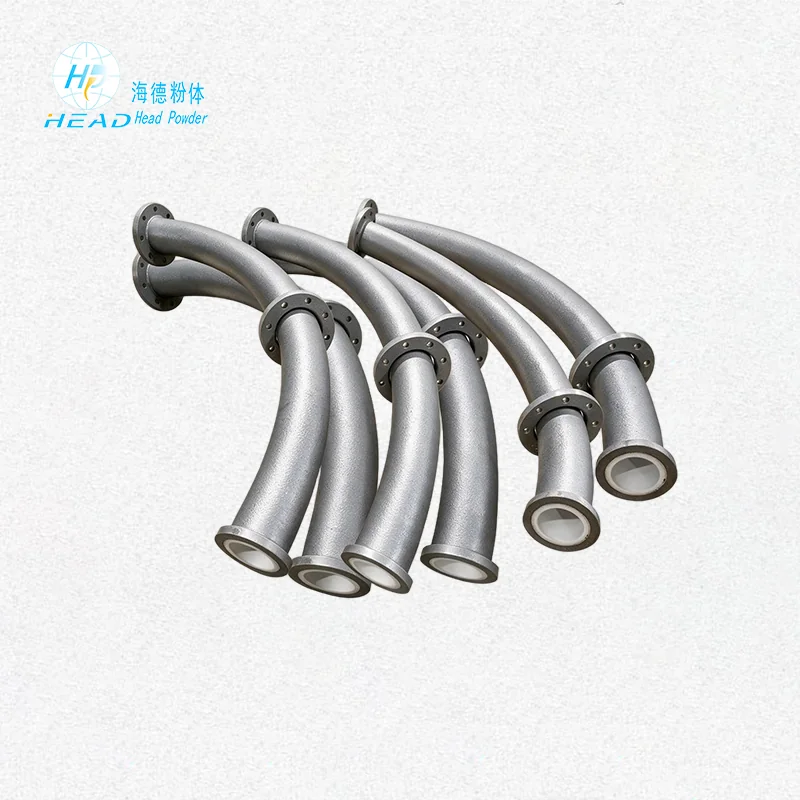
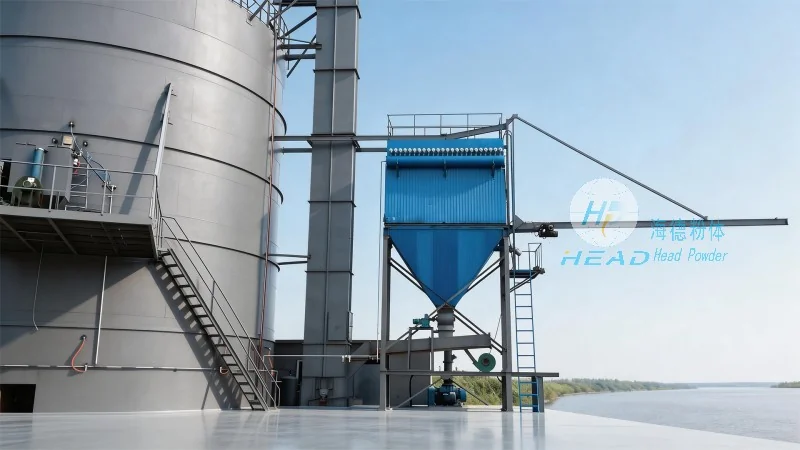
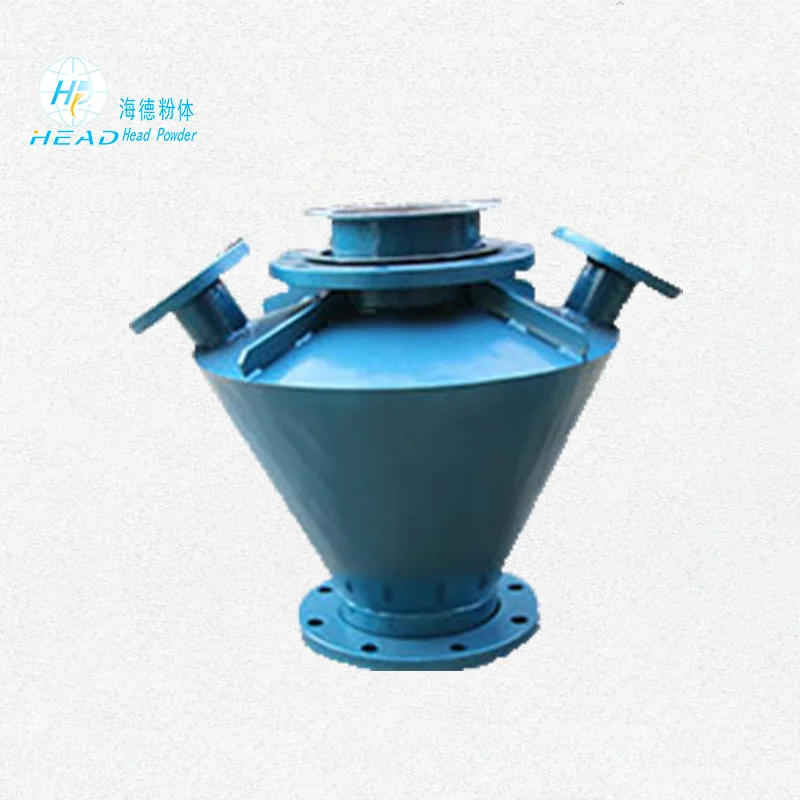
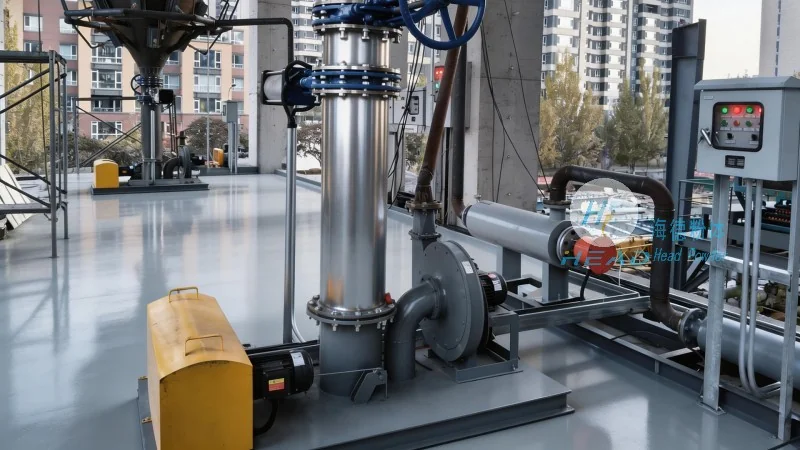
The suction type pneumatic conveying system offered by Shandong Headpowder Engineering Co., Ltd. is designed with versatility and operational ease in mind. The system typically consists of a suction nozzle, a conveying pipeline, a dust separator, and a vacuum source (such as a Roots blower or vacuum pump). The operator simply moves the nozzle over the material source, and the vacuum created by the system draws the material into the pipeline. This suction action allows for the collection of material from multiple points, such as bins, hoppers, or open piles, into a central collection point. This flexibility eliminates the need for manual shoveling or complex mechanical grabbers, significantly reducing labor costs and improving workplace safety by keeping dust contained within the closed system.
The dilute phase negative pressure conveying technology utilized by Shandong Headpowder Engineering Co., Ltd. offers numerous operational benefits. In a dilute phase system, the material is transported in a mixture where the volume of gas is significantly higher than the volume of solid. This results in a high-velocity flow that ensures complete evacuation of the pipeline. The advantages are manifold. Firstly, the high velocity ensures that there is no material buildup or blockage within the pipes, which is a common issue with slower-moving systems. Secondly, because the system operates under negative pressure, any leaks in the system will draw air in rather than blowing dust out, maintaining a clean and safe working environment. Thirdly, this method is highly energy-efficient for lighter loads and shorter distances, providing a cost-effective solution for many industrial applications.
Choosing the right partner for material handling infrastructure is critical to the success of your operations. Shandong Headpowder Engineering Co., Ltd. is not just a supplier; we are a comprehensive engineering partner. As a specialized air conveying manufacturer, we possess the technical know-how to customize systems to meet specific production requirements. Whether you need a system for handling abrasive materials or heat-sensitive powders, our engineering team designs solutions that maximize throughput while minimizing wear and tear on equipment. Our commitment to quality ensures that every component, from the suction nozzles to the final separator, is built to withstand the rigors of industrial use, ensuring longevity and reliability.
Our location in Shandong, a hub for industrial manufacturing in China, allows us to leverage advanced production capabilities and a skilled workforce. Shandong Headpowder Engineering Co., Ltd. integrates research, development, and manufacturing to provide end-to-end solutions. We understand that every project is unique, and we offer detailed consultations to analyze your material properties and facility layout. Our suction type dilute phase negative pressure pneumatic conveying systems are engineered to integrate seamlessly into existing production lines, enhancing overall automation and efficiency. We prioritize customer satisfaction through technical support, installation guidance, and after-sales service, ensuring your pneumatic conveying system operates at peak performance for years to come.
If you are looking to upgrade your material handling processes with a reliable and efficient system, Shandong Headpowder Engineering Co., Ltd. is ready to assist you. Our team of experts is dedicated to providing tailored solutions that meet your specific needs. For inquiries, technical support, or to discuss your project requirements, please do not hesitate to contact our management team. You may reach out to our manager, Mr. Zhang, via WeChat at 15662777102. We look forward to collaborating with you to optimize your production workflow with our advanced pneumatic conveying technologies.

 Shandong Headpowder Engineering Co., Ltd.
 156-6277-7102(Manager Zhang)
  0531-83386006
  Zhangqiu District, Jinan City, Shandong Province, China
telephone
WeChatconsult
top