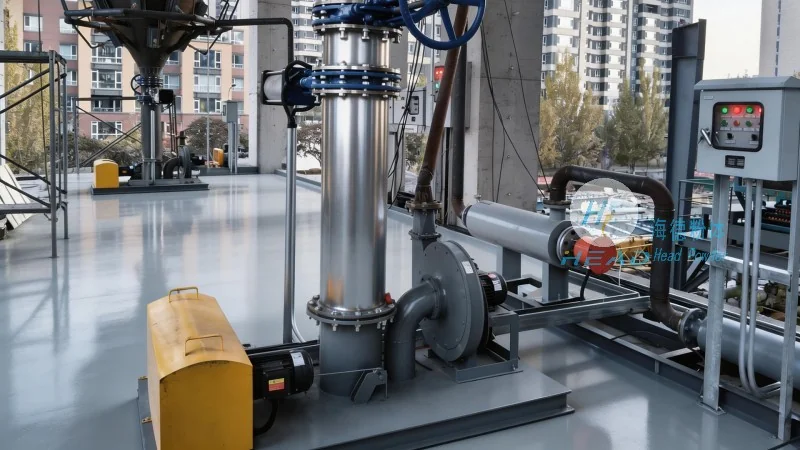
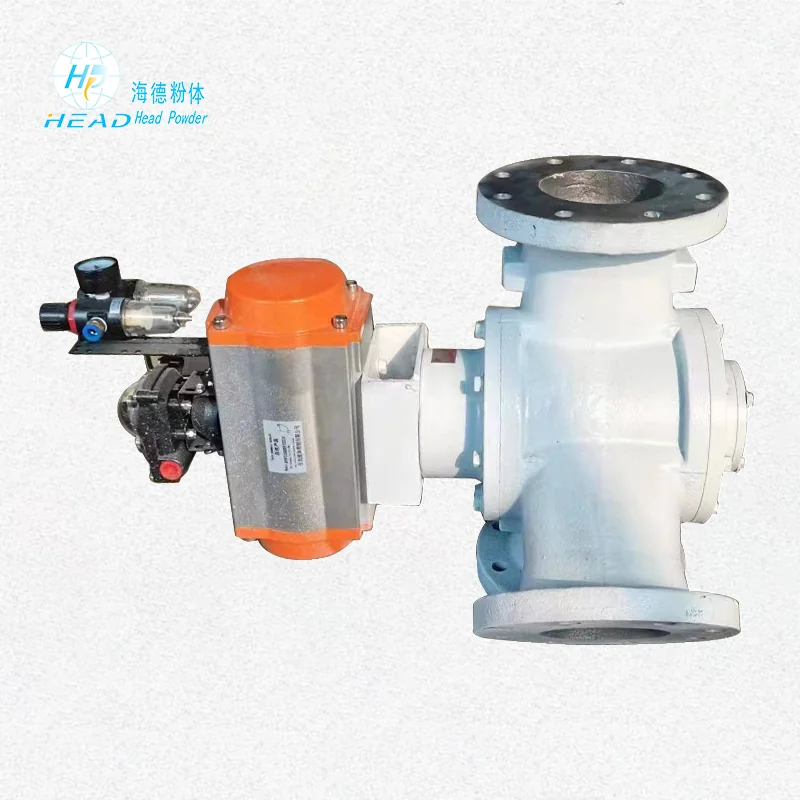
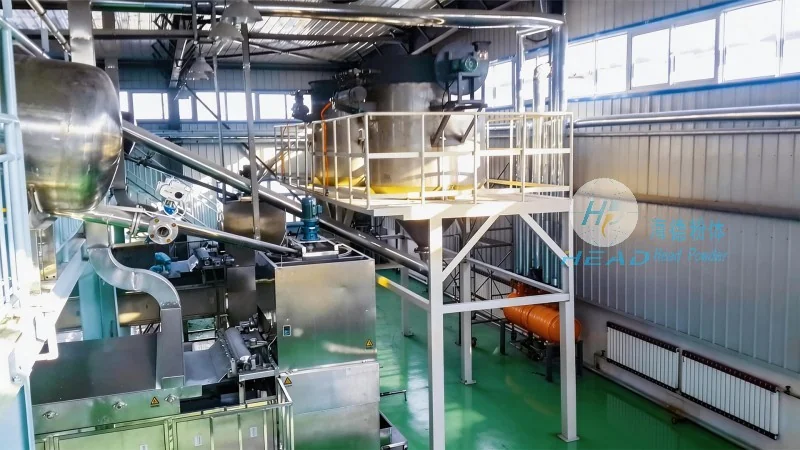
With more than 10‑year industry experience, Shandong Headpowder delivers full‑service pneumatic‑conveying systems and blowers, undertaking nationwide turn‑key powder‑handling projects.
In the modern industrial landscape, the efficient and reliable transportation of bulk solids is a critical component of operational success. Among the various methods available, pneumatic conveying has emerged as the preferred solution for many industries due to its ability to handle powders and granules with minimal contamination and high efficiency. At the forefront of this technology is Shandong Headpowder Engineering Co., Ltd., a premier manufacturer dedicated to providing state-of-the-art solutions. The company specializes in the design, manufacturing, and installation of high-performance pneumatic conveying systems, with a specific focus on the single-bin pump dense phase positive pressure pneumatic conveying system. This technology represents a significant leap forward in material handling, offering a robust alternative to traditional mechanical conveyors.
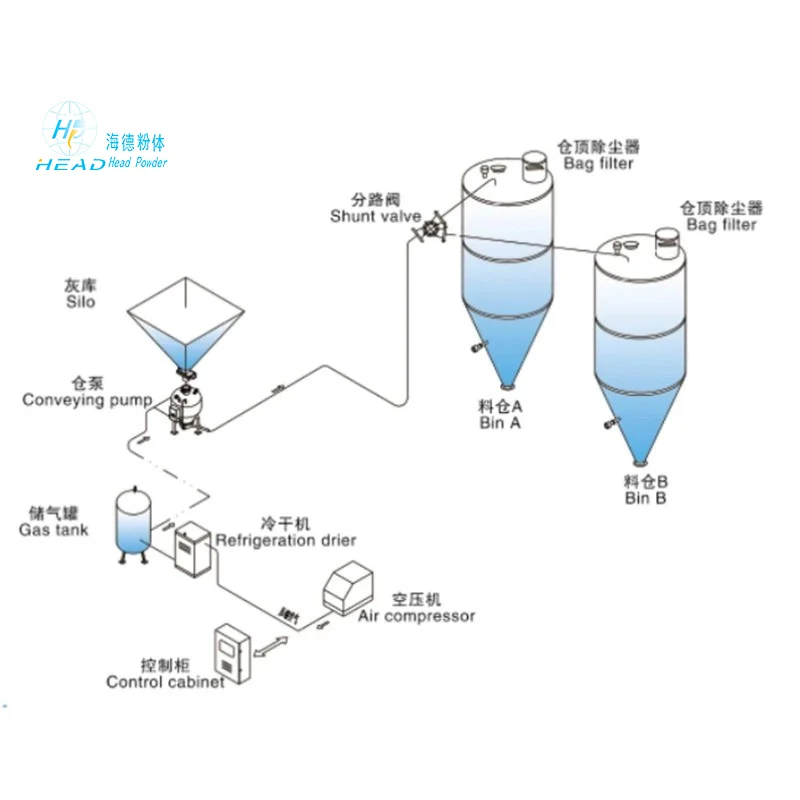
The core of Headpowder's expertise lies in its ability to engineer systems that meet the rigorous demands of diverse sectors, including chemical, food, cement, and plastic industries. By leveraging advanced engineering principles, the company ensures that every system delivered not only meets international standards but also maximizes throughput while minimizing operational costs. For businesses seeking a trusted partner in material handling, Shandong Headpowder Engineering Co., Ltd. stands out as a comprehensive provider of bulk material handling equipment.
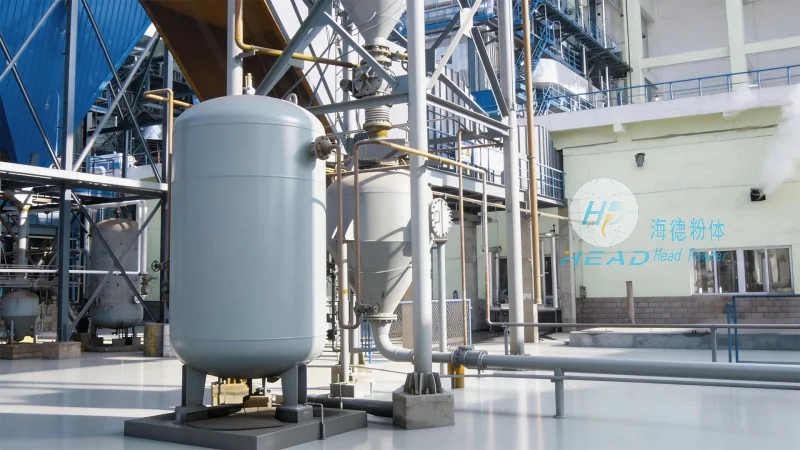
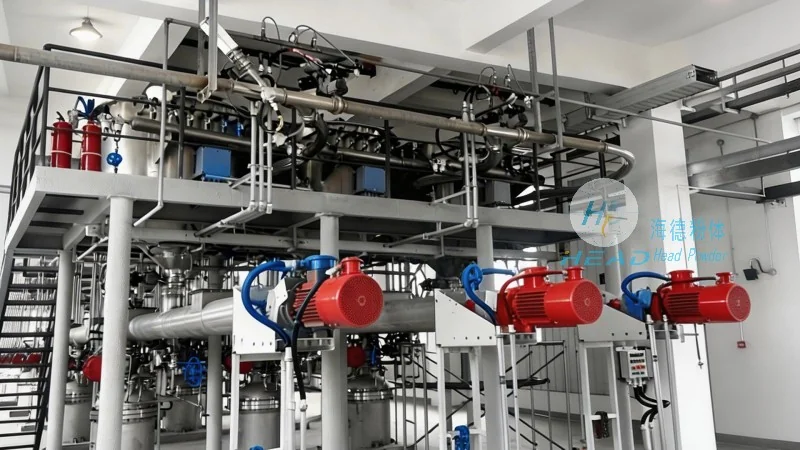
The "single-bin pump dense phase positive pressure pneumatic conveying" system is the flagship product of Headpowder, designed to transport materials over long distances with superior reliability. Unlike dilute phase systems that rely on high-velocity air to carry particles, this technology utilizes a high-pressure system to create a dense slug of material. This dense phase flow ensures that the product moves in a controlled, continuous stream, drastically reducing the impact on the conveyed material and the conveying pipeline.
This system operates on the principle of positive pressure, meaning the air pressure inside the pipeline is higher than the atmospheric pressure. This pressure differential drives the material from the feeding point to the receiving hopper efficiently. The single-bin pump, or the pressure vessel, is charged with the material and then sealed. When the system initiates the cycle, compressed air is injected into the bin pump to push the material through the pipeline. Because the material is in a dense state, the velocity of the particles is significantly lower than in dilute phase systems. This reduction in velocity is the key to the system's longevity and the preservation of product integrity. For companies looking to upgrade their logistics infrastructure, the single-bin pump dense phase positive pressure pneumatic conveying system offers an optimal balance of power and efficiency.
As a leading pneumatic conveying manufacturer, Headpowder is committed to delivering equipment that offers exceptional value and performance. The company's systems are engineered to address the common pain points associated with bulk material handling, such as pipeline wear, blockages, and high energy consumption. By utilizing the dense phase technology, Headpowder systems significantly reduce the abrasion on pipes and valves, extending the service life of the equipment and reducing maintenance downtime.
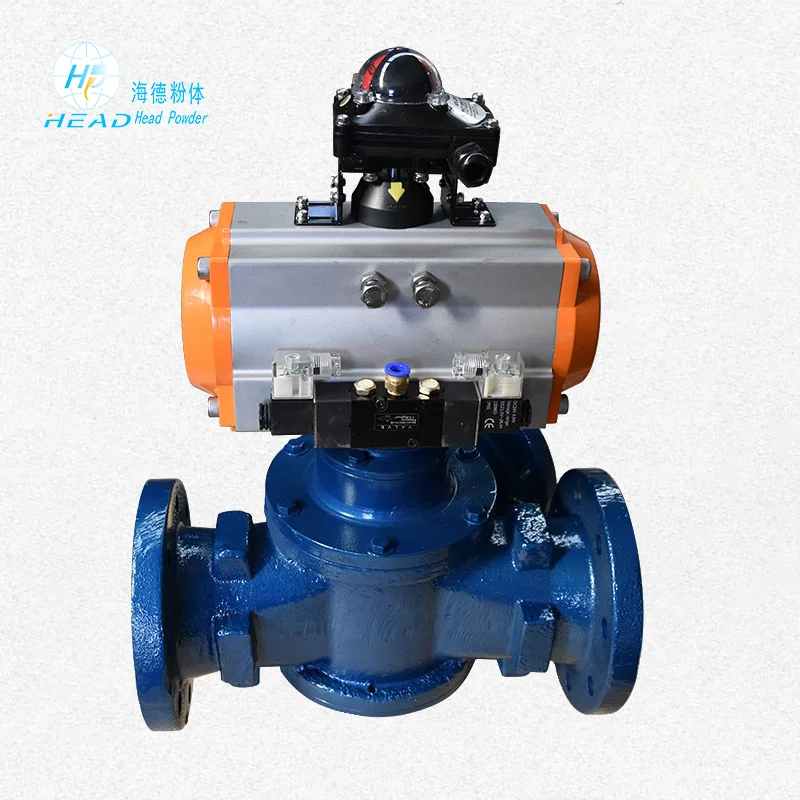
Furthermore, the efficiency of the single-bin pump system translates to lower energy costs for the end-user. The system is designed to use compressed air more effectively, requiring less volume of air to transport a given amount of material compared to traditional methods. This operational efficiency is complemented by the company's rigorous quality control processes. Every component, from the butterfly valves to the air compressor, is selected and tested to ensure seamless integration and long-term reliability. Whether the requirement is for a simple vertical lift or a complex horizontal network with multiple bends, Headpowder provides tailored solutions that enhance production continuity.
The versatility of the single-bin pump dense phase positive pressure pneumatic conveying system makes it suitable for a wide array of materials. It is particularly effective for fragile or easily deformed products, as the gentle transport method prevents breakage and ensures a high-quality output. Industries such as the food and pharmaceutical sectors, which require strict hygiene standards, benefit greatly from the enclosed nature of pneumatic conveying, which prevents dust emissions and cross-contamination.
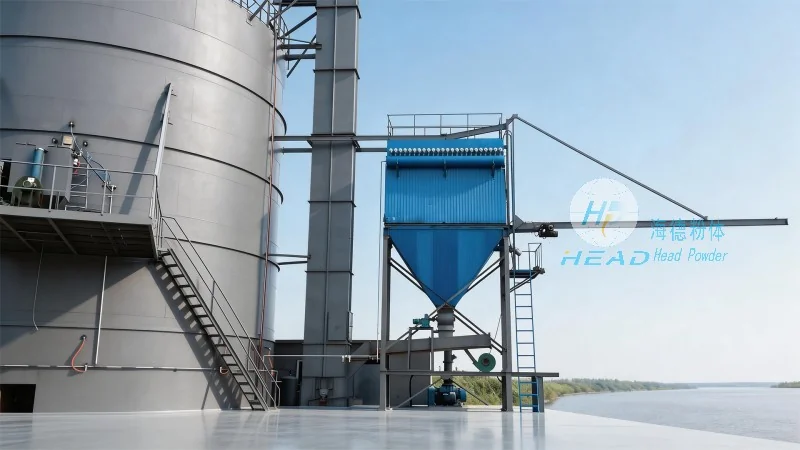
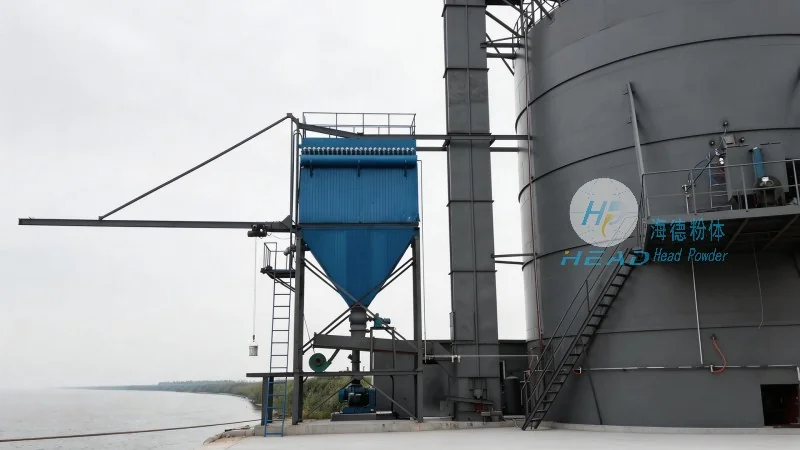
In the chemical and cement industries, the system handles abrasive and heavy materials with ease. The positive pressure design allows for the transportation of materials over significant distances and through multiple elevation changes without the need for intermediate booster stations. This capability is crucial for large-scale facilities where material needs to be moved from storage silos to processing units or packaging lines efficiently. Shandong Headpowder Engineering Co., Ltd. ensures that the technical specifications of the system are customized to the specific properties of the material being conveyed, ensuring optimal flow characteristics and system stability.
Shandong Headpowder Engineering Co., Ltd. is headquartered in Shandong, China, a region renowned for its robust industrial capabilities and engineering talent. The company has established itself as a comprehensive enterprise integrating research and development, design, manufacturing, and sales. With a strong commitment to innovation, Headpowder continuously invests in new technologies to improve the performance of its pneumatic conveying systems. The company's philosophy is rooted in customer satisfaction, aiming to provide equipment that is not only technically superior but also economically viable for the client.
The engineering team at Headpowder comprises experienced professionals who possess deep knowledge of fluid dynamics and material handling. They work closely with clients to analyze their specific logistical challenges and design systems that are tailored to their unique operational environments. This client-centric approach has earned the company a reputation for reliability and excellence in the international market. From the initial consultation to after-sales support, Shandong Headpowder Engineering Co., Ltd. is dedicated to ensuring the success of every project.
Implementing a complex pneumatic conveying system requires expert guidance and ongoing technical support. Headpowder understands that the installation and commissioning phases are as critical as the equipment manufacturing itself. Therefore, the company provides comprehensive service packages that include on-site installation supervision, operator training, and routine maintenance support. This ensures that clients are fully equipped to manage their new systems efficiently.
For potential clients and partners who wish to discuss their specific requirements or request a detailed quotation, the company's contact information is readily available. The project management team is led by experienced professionals who are ready to provide technical consultations. You may contact Mr. Zhang, the manager at Headpowder, for detailed inquiries regarding the single-bin pump dense phase positive pressure pneumatic conveying system. For immediate communication via mobile messaging platforms, please add the contact number 15662777102. The team at Shandong Headpowder Engineering Co., Ltd. looks forward to the opportunity to assist you in optimizing your material handling processes and driving your production efficiency to new heights.

 Shandong Headpowder Engineering Co., Ltd.
 156-6277-7102(Manager Zhang)
  0531-83386006
  Zhangqiu District, Jinan City, Shandong Province, China
telephone
WeChatconsult
top