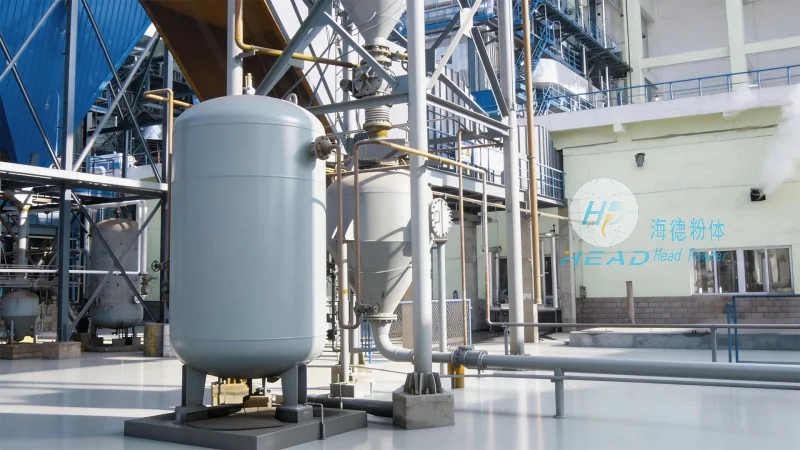
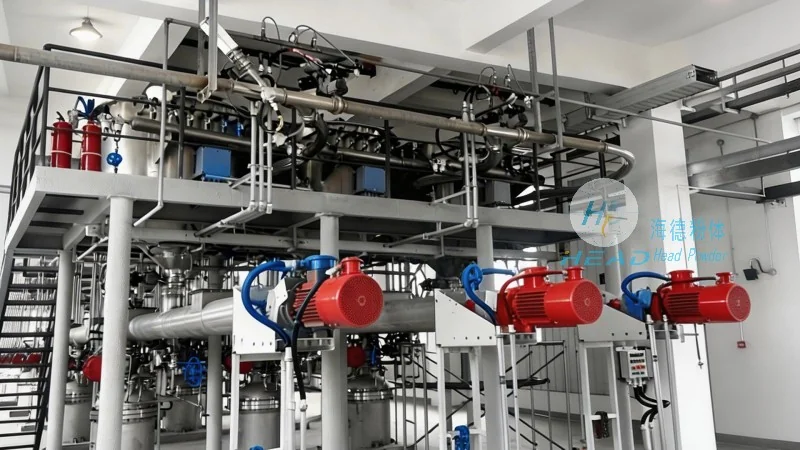
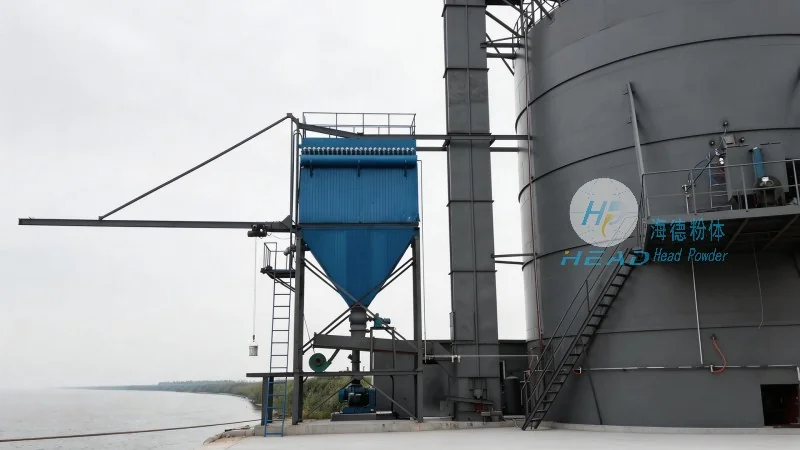
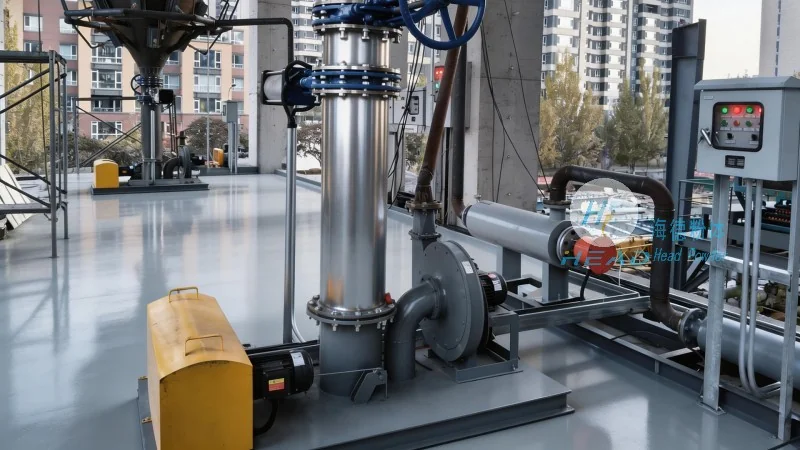
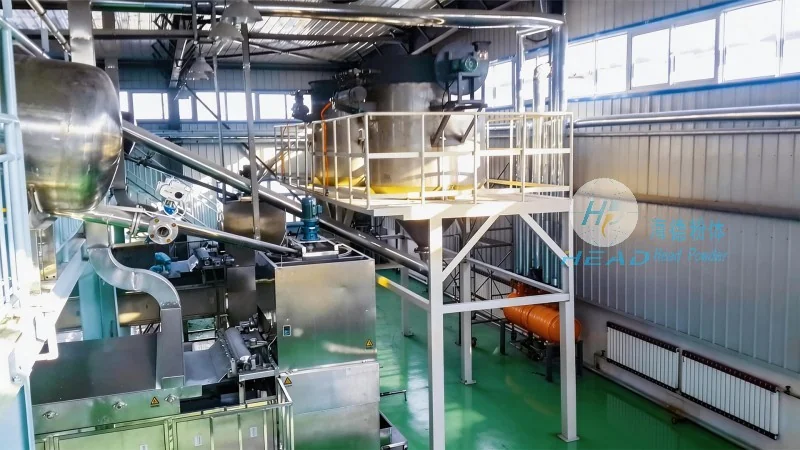
With more than 10‑year industry experience, Shandong Headpowder delivers full‑service pneumatic‑conveying systems and blowers, undertaking nationwide turn‑key powder‑handling projects.
Shandong Headpowder Engineering Co., Ltd. stands as a distinguished entity in the field of bulk material handling, specifically renowned for its expertise in rotary valve dilute phase positive pressure pneumatic conveying systems. As a dedicated manufacturer and engineering firm, the company focuses on providing comprehensive solutions that address the complex challenges associated with moving powdered and granular materials efficiently and cleanly. The core of their operational excellence lies in the sophisticated integration of rotary valves with pneumatic transport systems, ensuring that clients receive equipment that is not only robust and durable but also optimized for specific industrial requirements. Headpowder Engineering has established a strong reputation in the industry by combining technical precision with practical engineering solutions, serving a diverse range of sectors that demand high reliability in material transfer.
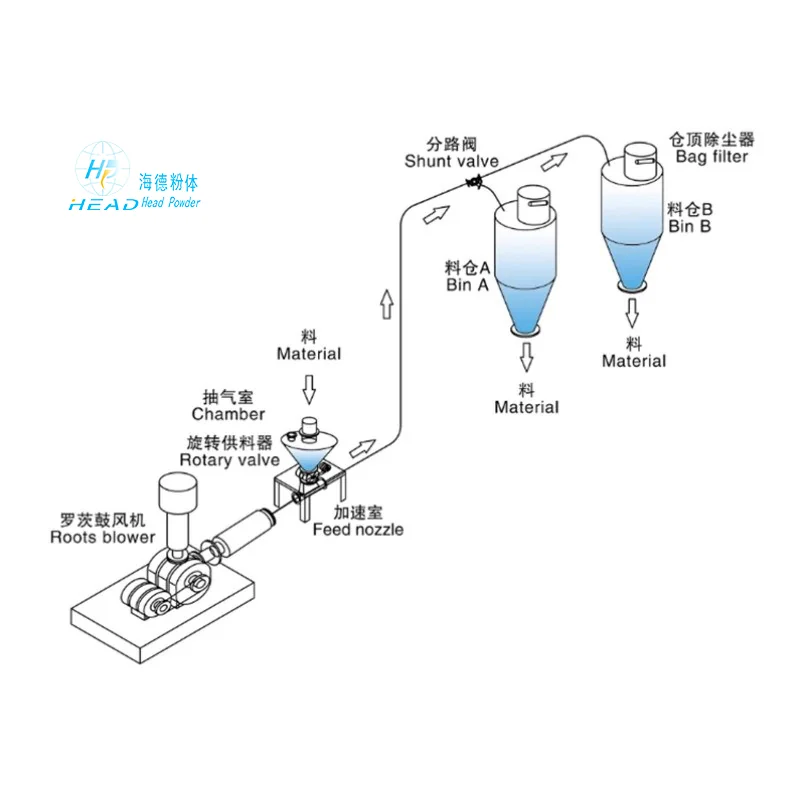
The technology employed by Shandong Headpowder Engineering Co., Ltd. revolves around the principle of rotary valve dilute phase positive pressure pneumatic conveying. This method is a cornerstone in modern powder handling, characterized by the transport of materials using a carrier gas, typically air, at relatively low pressures and high velocities. In this system, the "dilute phase" refers to the ratio of material to air, where the material is suspended in the air stream, resulting in a high velocity flow. This contrasts with dense phase systems, which use higher pressures and lower velocities to move materials in slugs or plugs. The "positive pressure" aspect indicates that the pressure within the conveying pipeline is higher than atmospheric pressure, which effectively pushes the material from the source to the destination. This configuration is particularly favored for its ability to handle a wide variety of free-flowing and non-abrasive powders with minimal degradation, making it an ideal choice for industries ranging from chemicals to food processing.
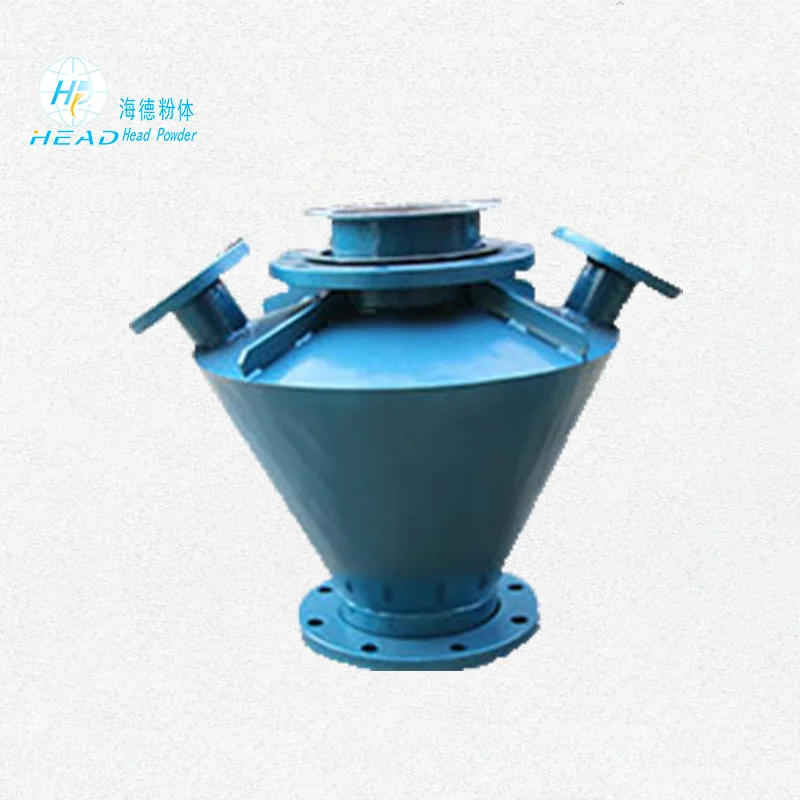
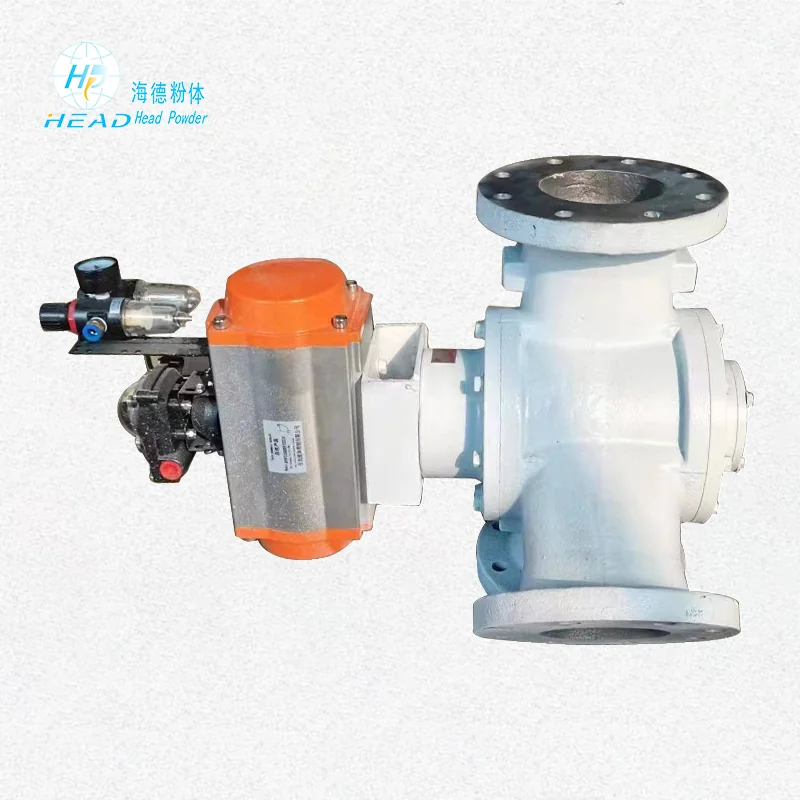
At the heart of the rotary valve dilute phase positive pressure pneumatic conveying system is the rotary valve, often referred to as a star valve or feed valve. This component serves as the critical interface between the hopper or silo and the pneumatic conveying pipeline. The rotary valve operates on a simple yet effective mechanism: a rotor with multiple vanes (usually six) rotates within a housing. As the rotor turns, it creates a series of sealed pockets that trap material from the hopper and transfer it into the pressurized conveying line. This action not only meters the material feed rate but also maintains a seal that prevents air leakage from the pipeline back into the hopper, which is essential for maintaining system pressure and efficiency. Shandong Headpowder Engineering Co., Ltd. designs these valves with precision tolerances to ensure optimal performance, minimizing wear and tear while maximizing throughput. The design of the vanes and the housing material are tailored to withstand the specific abrasiveness and temperature of the conveyed material, ensuring long service life and consistent operation.
Implementing a rotary valve dilute phase positive pressure pneumatic conveying system offers numerous operational benefits that justify its selection for many industrial processes. One of the primary advantages is the cleanliness of the process. Since the material is fully enclosed within the piping system, there is minimal dust exposure to the operator and the environment, which is crucial for maintaining safety standards and product integrity. Furthermore, the high velocity of the dilute phase ensures that materials are transported quickly from the loading point to the receiving vessel, reducing cycle times and increasing overall plant productivity. The positive pressure design also facilitates the transport of materials over long distances and through complex piping layouts, including vertical lifts and multiple bends, without the risk of material settling or blockages that can occur in other conveying methods. Additionally, because the system operates at relatively low pressures compared to dense phase, the wear on the pipeline and valves is significantly reduced, lowering maintenance costs over the system's lifecycle.
As a specialized pneumatic conveying manufacturer, Shandong Headpowder Engineering Co., Ltd. goes beyond simply supplying equipment; they provide a holistic engineering service. The company understands that every material has unique properties, such as particle size, density, and flowability, which dictate the specific parameters required for a successful conveying system. Therefore, the team at Headpowder conducts thorough analyses to design systems that are perfectly matched to the client's specific needs. This includes the selection of the appropriate type of rotary valve, the sizing of the air compressor or blower, and the configuration of the piping network. The company’s commitment to quality is evident in their manufacturing processes, where they utilize high-grade materials and rigorous testing procedures to ensure that every system meets stringent industry standards. By focusing on the rotary valve dilute phase positive pressure pneumatic conveying technology, they provide clients with a reliable solution that minimizes downtime and maximizes material recovery rates.
The versatility of the rotary valve dilute phase positive pressure pneumatic conveying system makes it suitable for a vast array of applications. In the chemical industry, it is used to transport fine powders, pigments, and resins with high precision. In the food and pharmaceutical sectors, the system is valued for its hygienic design, capable of handling ingredients like flour, sugar, and active pharmaceutical ingredients (APIs) without cross-contamination. The construction industry also benefits from this technology for moving cement, fly ash, and lime. Shandong Headpowder Engineering Co., Ltd. tailors each system to the specific environmental and operational conditions of these industries, ensuring that the equipment is not only functional but also compliant with industry-specific regulations such as GMP or FDA standards. The ability to integrate these systems with existing plant infrastructure makes them a versatile choice for modernizing material handling operations.
The engineering team at Shandong Headpowder Engineering Co., Ltd. places a strong emphasis on technical design considerations to ensure the longevity and efficiency of the rotary valve dilute phase positive pressure pneumatic conveying systems. Key factors include the selection of valve materials, which may range from standard carbon steel to stainless steel or specialized alloys depending on the corrosiveness of the material being conveyed. The design also incorporates features to manage the pressure differential across the rotary valve, which is critical for preventing backflow and ensuring consistent material feed. Furthermore, the company focuses on optimizing the air-to-material ratio to achieve the most energy-efficient transport possible. By customizing the valve speed, blade geometry, and housing construction, Headpowder Engineering ensures that the system can handle varying flow rates and material characteristics without compromising performance. This attention to detail sets them apart as a premier pneumatic conveying manufacturer capable of tackling complex engineering challenges.
For businesses seeking a reliable partner in material handling, Shandong Headpowder Engineering Co., Ltd. offers the expertise and equipment necessary to implement rotary valve dilute phase positive pressure pneumatic conveying solutions. The company is strategically located in Shandong, China, a hub for engineering and manufacturing excellence. To discuss specific project requirements, material handling needs, or to inquire about their range of products, clients are encouraged to contact their experienced management team. You may reach out to Manager Zhang directly for detailed consultations and technical support. For quick communication and inquiries, you can connect via WeChat at 15662777102. The team at Headpowder Engineering is dedicated to providing responsive service and engineering support to ensure the successful implementation of your pneumatic conveying projects.

 Shandong Headpowder Engineering Co., Ltd.
 156-6277-7102(Manager Zhang)
  0531-83386006
  Zhangqiu District, Jinan City, Shandong Province, China
telephone
WeChatconsult
top