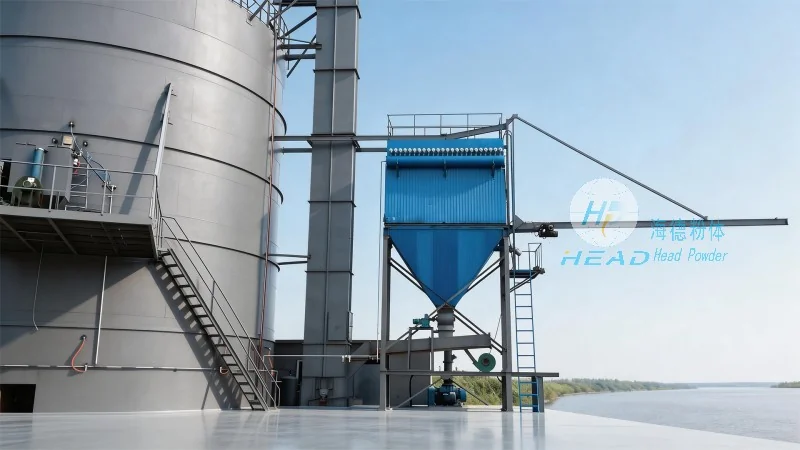
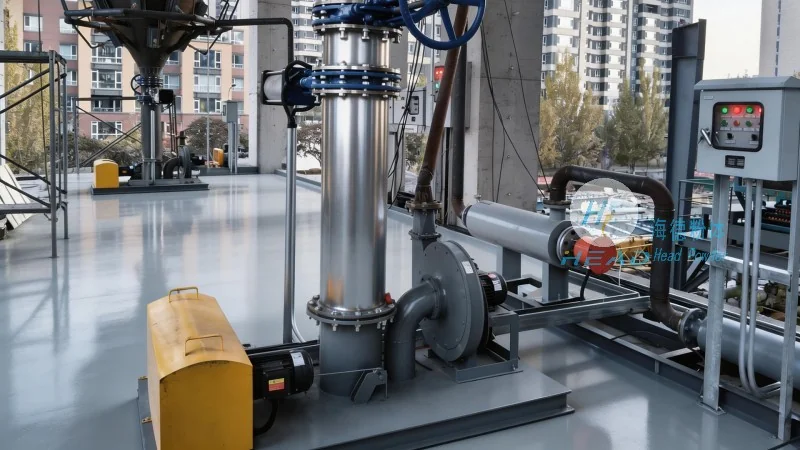
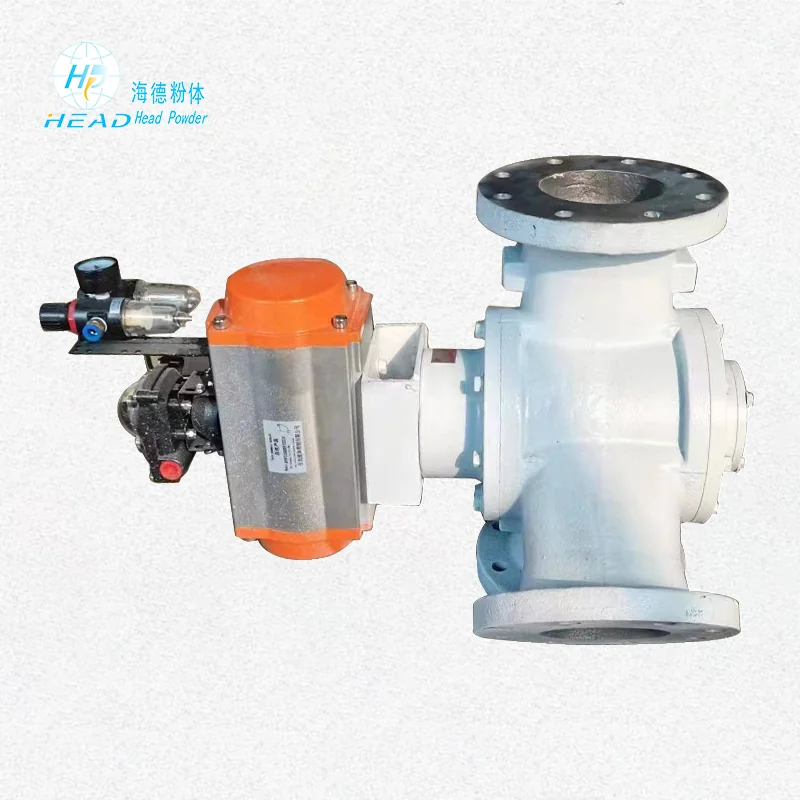
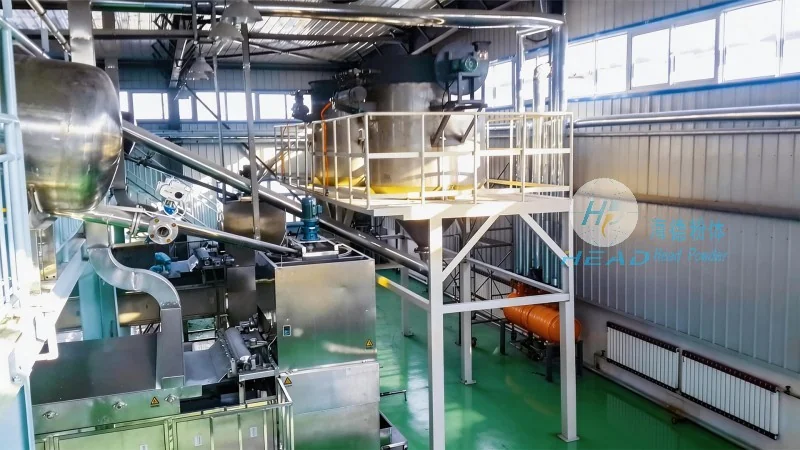
With more than 10‑year industry experience, Shandong Headpowder delivers full‑service pneumatic‑conveying systems and blowers, undertaking nationwide turn‑key powder‑handling projects.
Efficient material handling is a cornerstone of modern industrial operations, ensuring that raw materials and finished products move seamlessly through the production process. Among the various technologies available, the positive pressure pneumatic conveying system stands out as a robust solution for transporting bulk materials. This method utilizes compressed air to push materials through a pipeline system, creating a consistent flow from the feed source to the destination. Unlike suction systems, positive pressure systems are particularly effective for long-distance transport and high-capacity requirements. Understanding the mechanics of this technology is essential for industries looking to optimize their logistics and reduce manual labor.
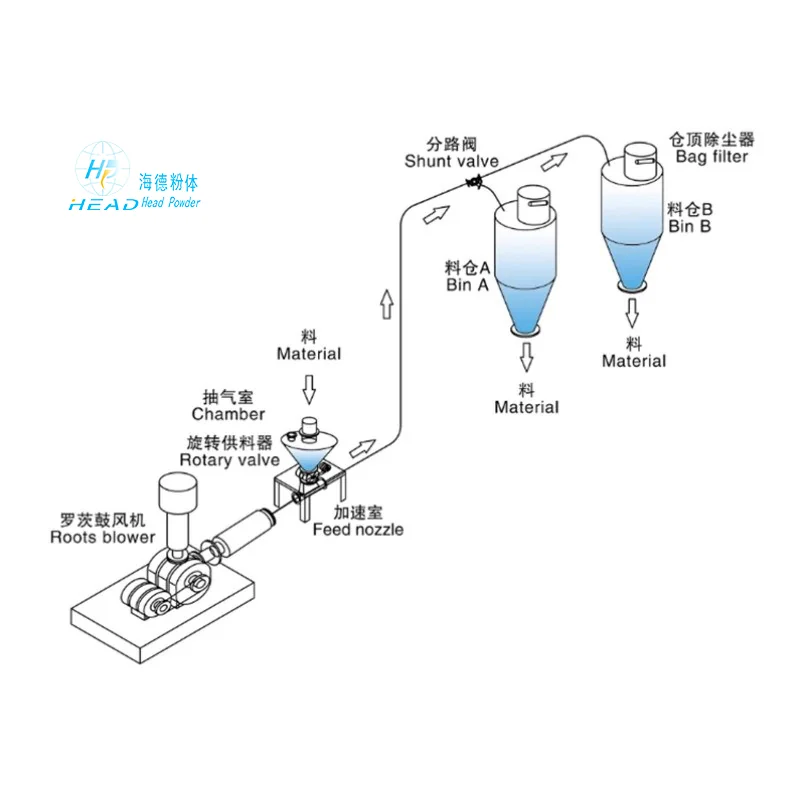
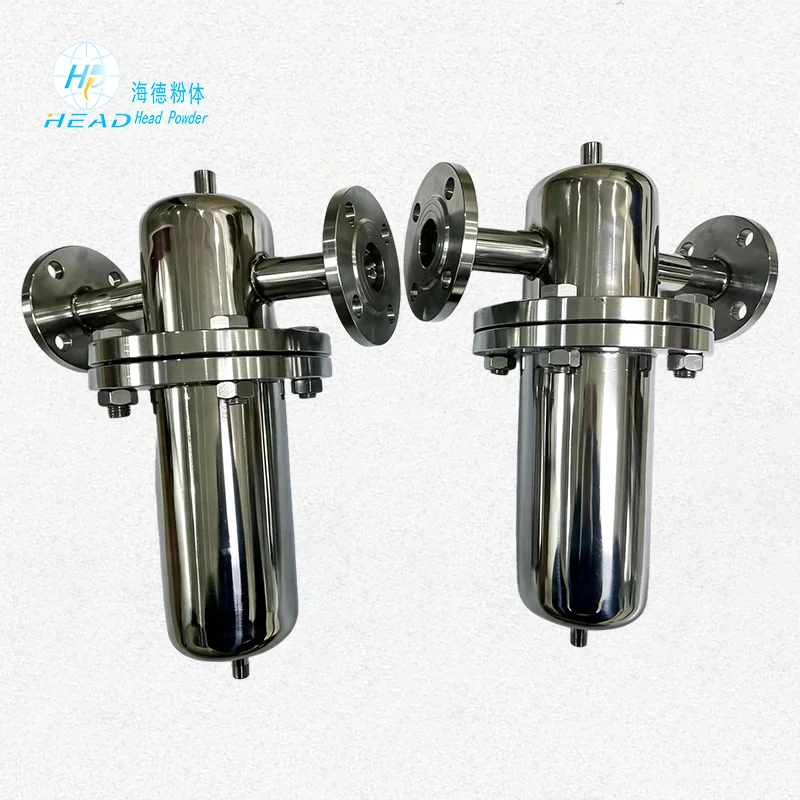
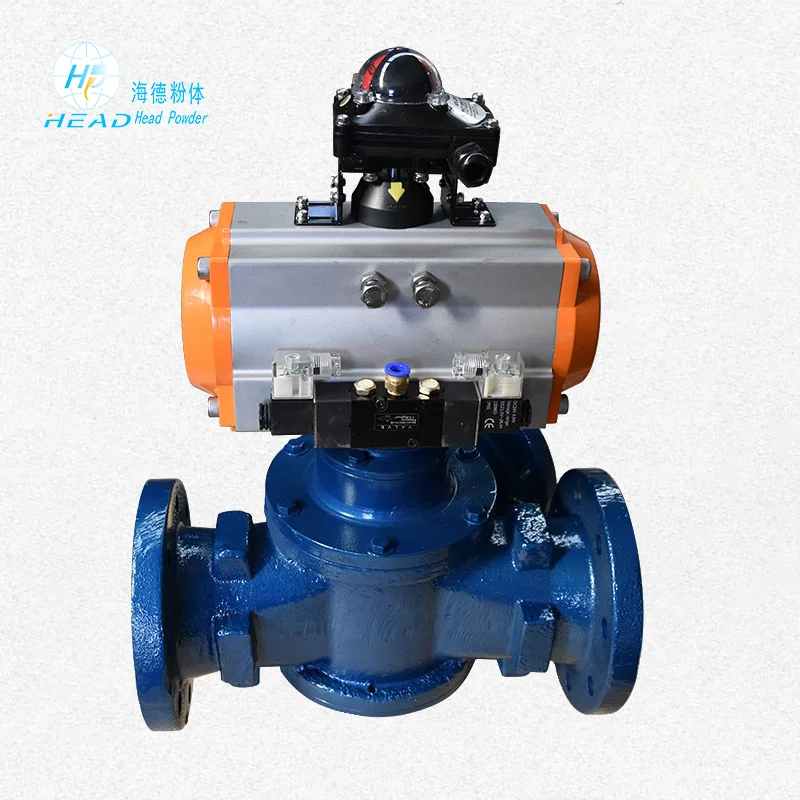
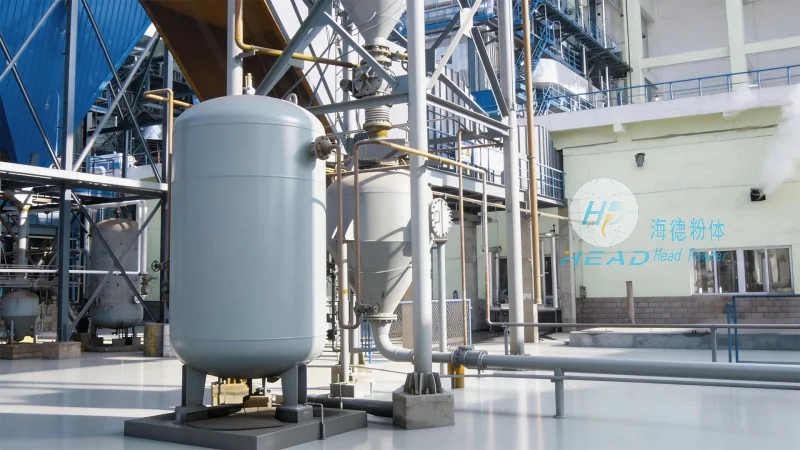
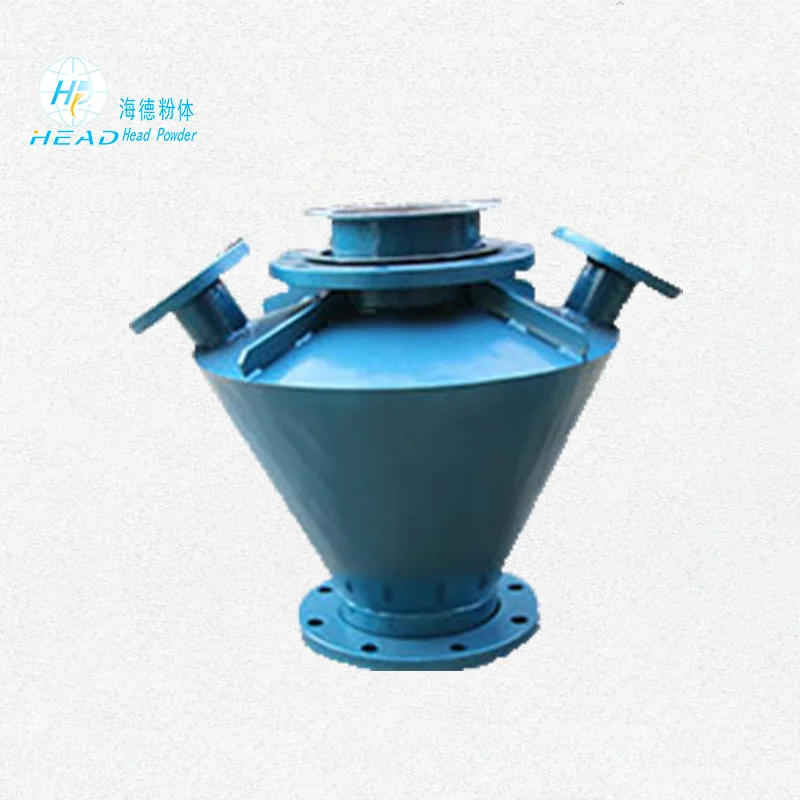
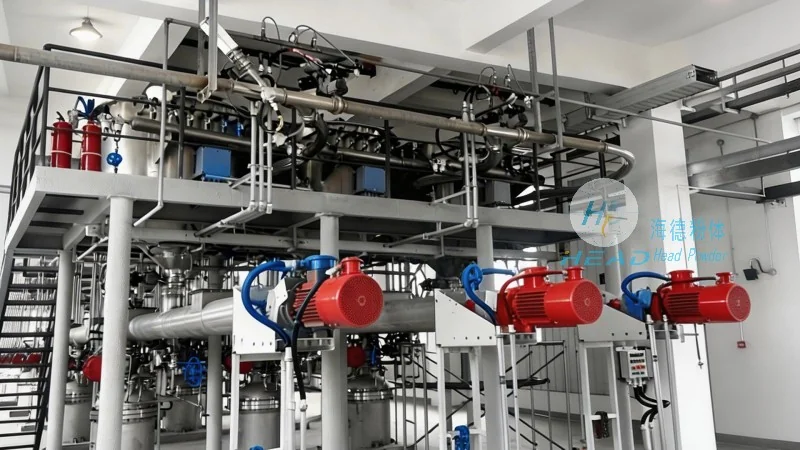
The operation of a positive pressure system is based on the principle of air pressure differential. A central air compressor generates the necessary pressure to propel the material through the piping network. The material is typically mixed with air at the feed point, forming a dense or dilute phase stream depending on the specific design requirements. This mixture is then forced through the pipes by the high-pressure air, overcoming friction and gravity to reach the receiving vessel. The system is designed with specific components, including rotary valves, blow tanks, and filters, all of which work in harmony to ensure a continuous and reliable process. For businesses seeking specialized solutions, consulting a dedicated positive pressure pneumatic conveying manufacturer is crucial to ensure the system is tailored to their specific material characteristics and facility layout.
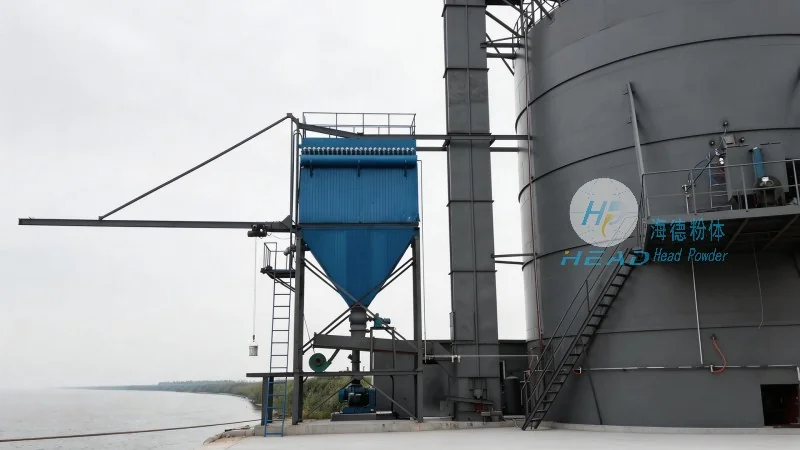
Implementing a positive pressure conveying system offers numerous benefits that contribute to operational efficiency. One of the primary advantages is the ability to transport materials over significant distances without the need for intermediate elevators or conveyors. This not only saves space but also reduces the risk of material spillage and contamination. The enclosed nature of the system makes it ideal for handling hygroscopic, dusty, or otherwise sensitive materials, such as flour, sugar, cement, and chemical powders. Furthermore, the automation of the process significantly reduces labor costs and enhances workplace safety by minimizing human exposure to hazardous environments. When evaluating the positive pressure pneumatic conveying price, it is important to consider the long-term savings in labor, reduced material loss, and the increased lifespan of the facility infrastructure due to the non-mechanical nature of the transport.
The cost associated with a pneumatic conveying system is determined by a variety of technical and logistical factors. The positive pressure pneumatic conveying price is not a fixed figure but varies based on the complexity of the project, the distance of the pipeline, the specific properties of the material being conveyed, and the required flow rate. High-quality systems require precision engineering to ensure durability and energy efficiency. Investing in a system from a reputable positive pressure pneumatic conveying manufacturer ensures that the equipment is built to withstand harsh industrial conditions. A well-designed system minimizes energy consumption and maintenance downtime, providing a superior return on investment over the equipment's operational life. It is essential for procurement managers to request detailed quotations that outline the specifications and the expected performance metrics.
For those in search of reliable and high-performance material handling equipment, Shandong Headpowder Engineering Co., Ltd. has established itself as a leader in the field. As a specialized positive pressure pneumatic conveying manufacturer, the company focuses on delivering customized solutions that meet the rigorous demands of the industry. Located in Shandong, China, the company combines advanced engineering expertise with state-of-the-art manufacturing capabilities to produce systems that are both efficient and durable. Their commitment to quality ensures that every component, from the air compressor to the piping, meets international standards. By choosing a manufacturer with a strong local presence and technical proficiency, clients can expect seamless integration and ongoing support for their material handling needs.
To discuss your specific project requirements or to obtain a detailed quotation, direct communication with the technical team is highly recommended. The company prides itself on providing personalized service to help clients navigate the complexities of system design. You can reach out to the sales department to discuss your operational goals. For direct inquiries, please contact Manager Zhang. You can connect via WeChat at 15662777102. Whether you are looking to upgrade an existing system or design a new facility, Shandong Headpowder Engineering Co., Ltd. is ready to assist you in finding the optimal solution for your material transport challenges.

 Shandong Headpowder Engineering Co., Ltd.
 156-6277-7102(Manager Zhang)
  0531-83386006
  Zhangqiu District, Jinan City, Shandong Province, China
telephone
WeChatconsult
top