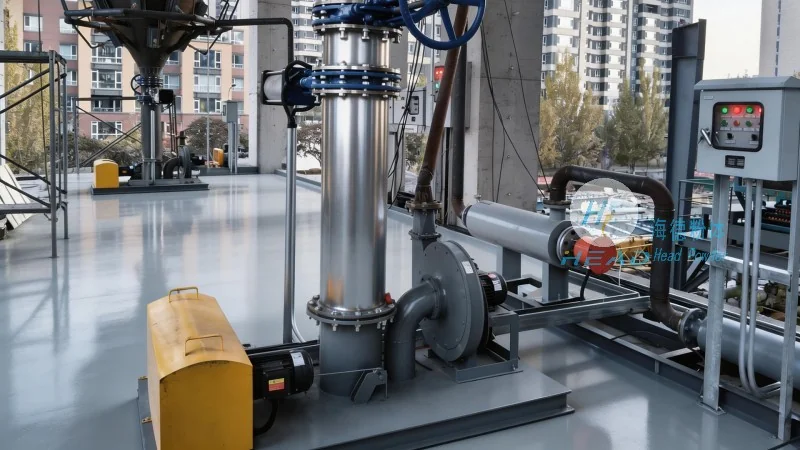
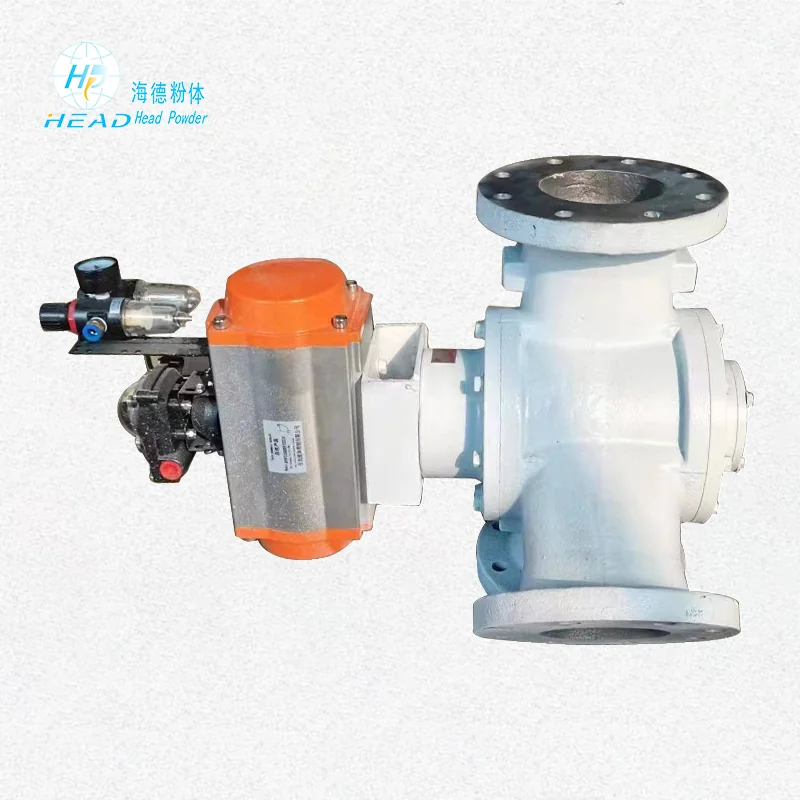
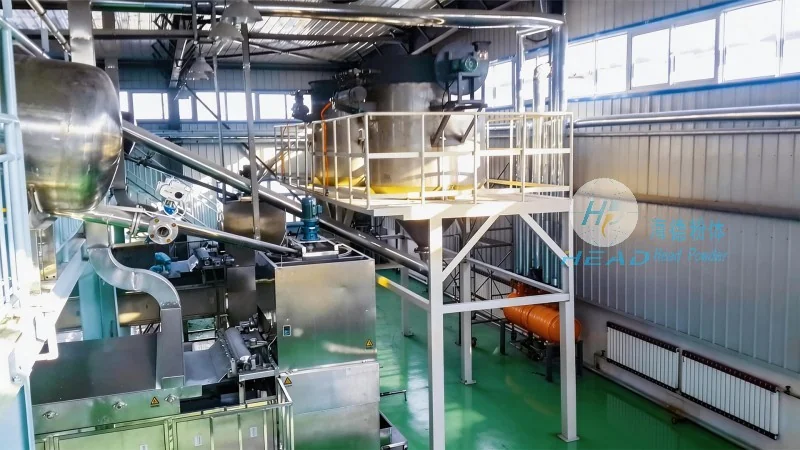
With more than 10‑year industry experience, Shandong Headpowder delivers full‑service pneumatic‑conveying systems and blowers, undertaking nationwide turn‑key powder‑handling projects.
Negative pressure pneumatic conveying is a specialized method of moving bulk materials, such as powders, granules, and fine particles, through a closed pipeline system using a vacuum or negative pressure source. Unlike traditional mechanical conveyors, this technology utilizes airflow to transport materials from a collection point to a destination point, ensuring a completely enclosed process. This method is highly valued in industries where dust control, material integrity, and safety are paramount concerns. Shandong Headpowder Engineering Co., Ltd. stands as a prominent manufacturer and provider of these advanced systems, offering tailored solutions to meet diverse industrial needs.
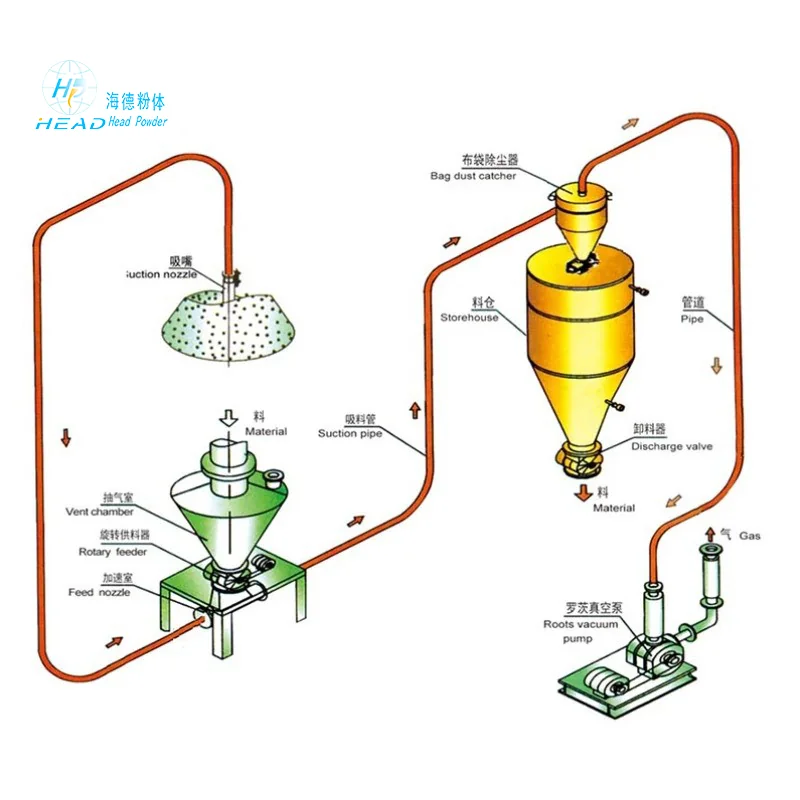
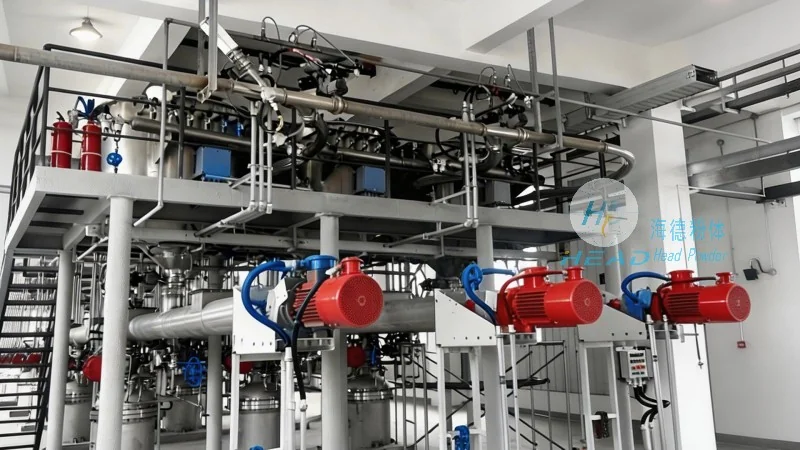
The operational mechanism of a negative pressure pneumatic conveying system is based on the principles of fluid dynamics and vacuum generation. The system typically begins with a vacuum generator or vacuum pump located at the receiving end of the pipeline. This device creates a vacuum that draws air and material into the suction line. As the mixture travels through the piping network, the material is transported from multiple inlet points—such as hoppers, silos, or bags—towards the vacuum source.
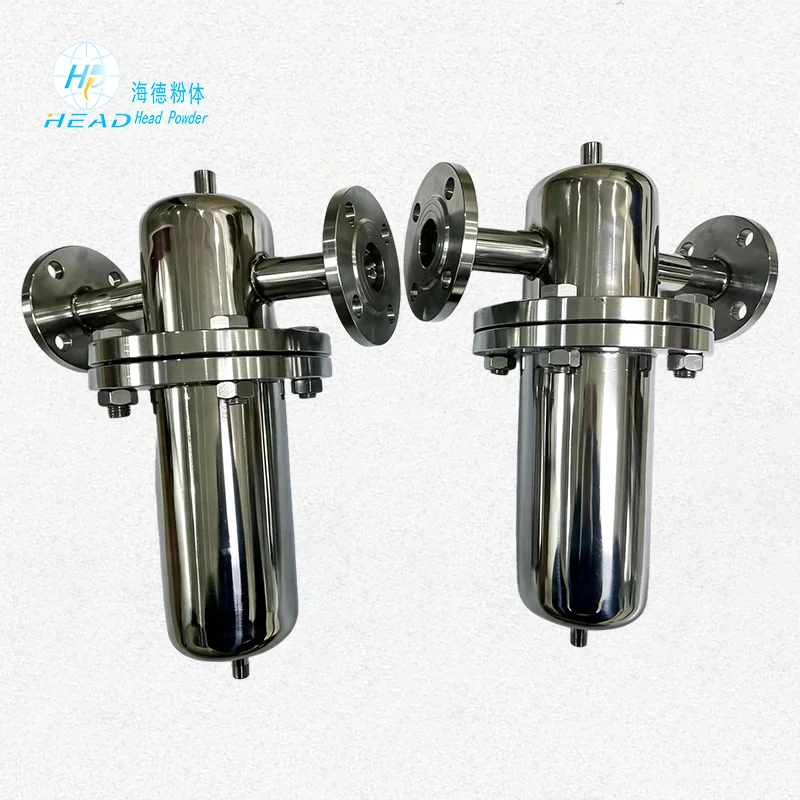
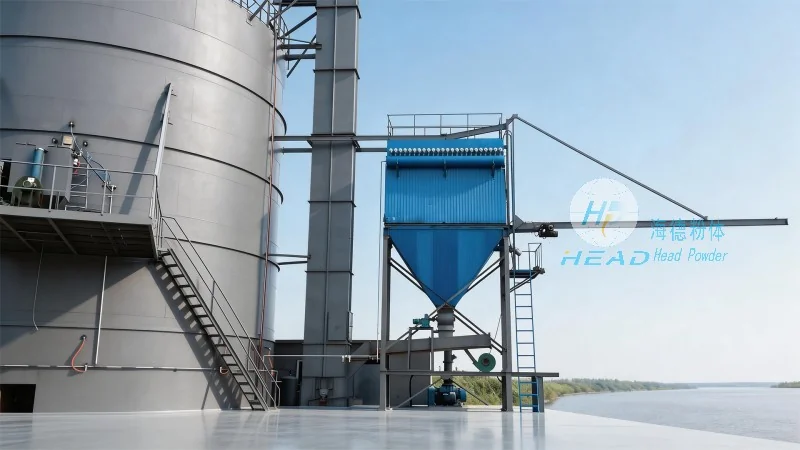
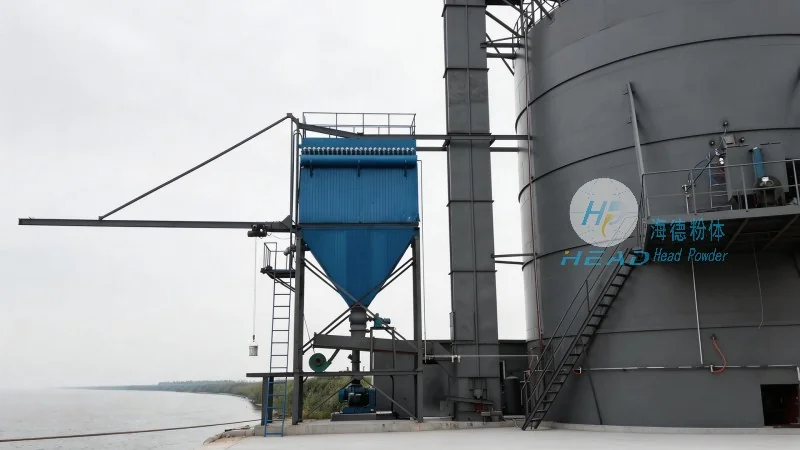
Upon reaching the separation point, the mixture enters a separator or cyclone, where the air and material are separated. The clean air passes through a filter or dust collector to remove fine particles, ensuring the exhaust air meets environmental standards. The material, now separated, is deposited into a storage vessel or directly into the processing equipment. This continuous cycle allows for efficient and automated material handling without the need for manual intervention, significantly reducing labor costs and operational risks.
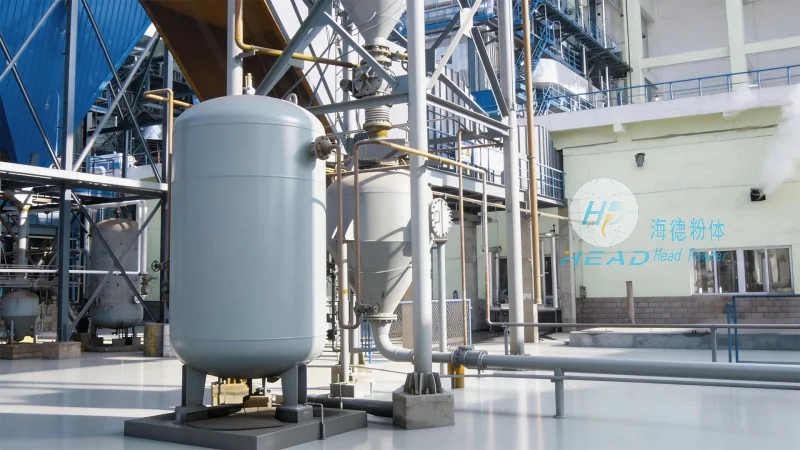
A robust negative pressure pneumatic conveying system comprises several critical components that work in unison to ensure reliable performance. The primary components include the vacuum source, which can be a liquid ring vacuum pump, a Roots blower, or a screw vacuum pump, depending on the specific material and flow rate requirements. The material inlet points, or suction nozzles, are designed to facilitate easy loading of various container types, from bags to bulk bags.
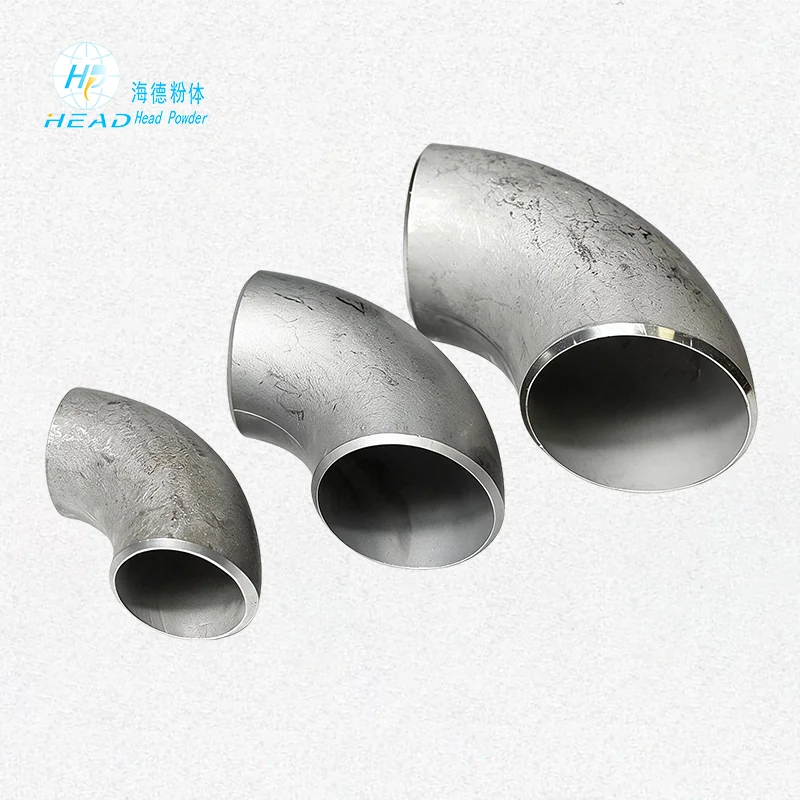
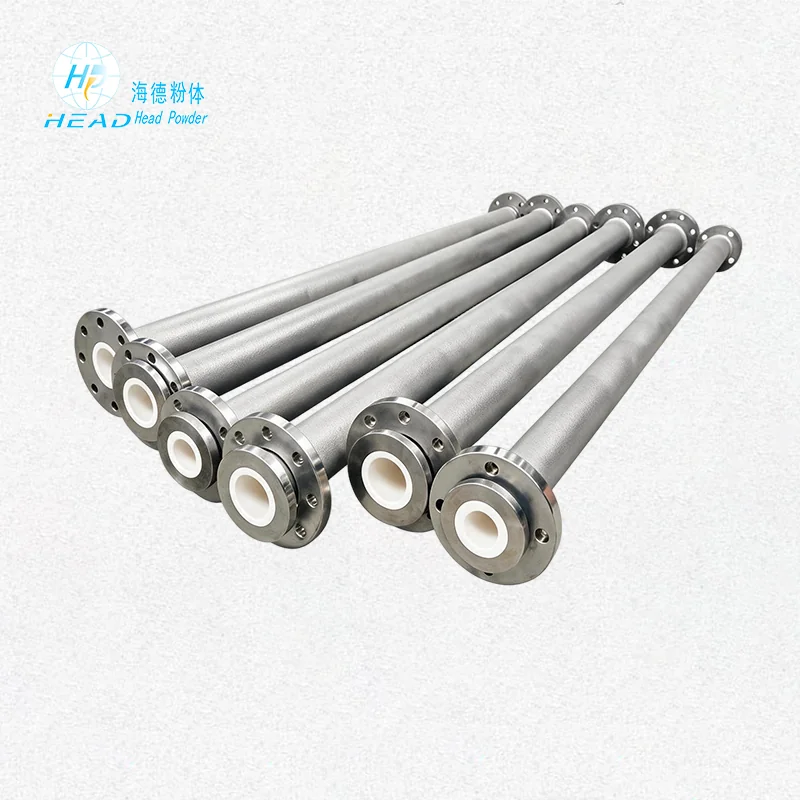
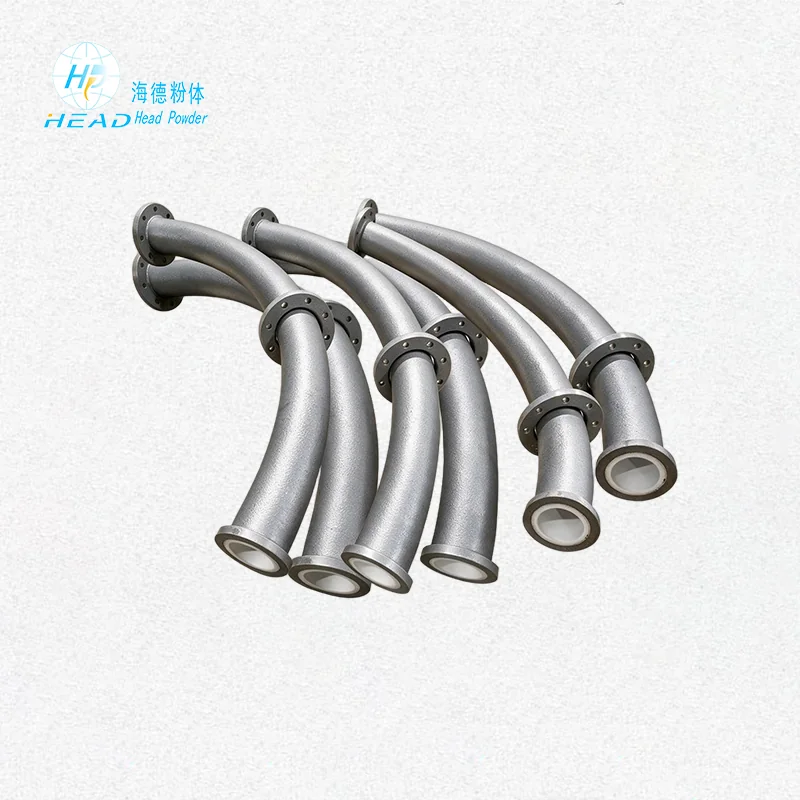
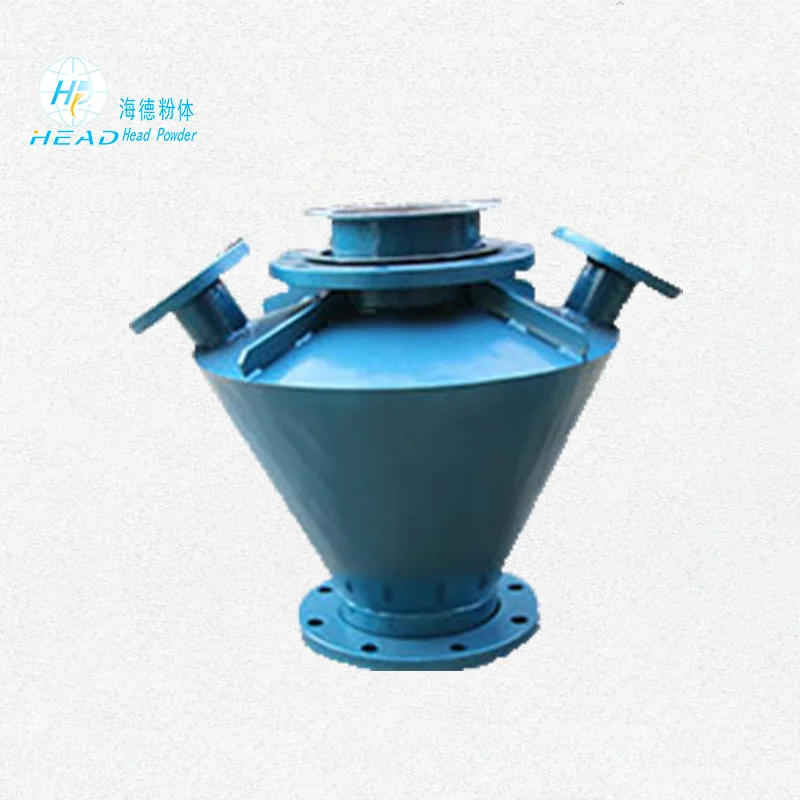
The conveying pipeline is another essential element, constructed from durable materials such as stainless steel or carbon steel to withstand internal pressure and abrasive wear. At the discharge end, a rotary valve or a double-flap discharge valve ensures controlled material release. Additionally, a high-efficiency dust collector or bag filter is integrated into the system to trap fine dust particles, maintaining a clean working environment and protecting the vacuum pump from clogging and damage.
Choosing a negative pressure pneumatic conveying system offers numerous benefits over other material handling methods. One of the most significant advantages is the inherent safety and environmental protection provided by the closed-loop design. Because the system is under negative pressure, there is no risk of dust escaping into the atmosphere, which prevents air pollution and minimizes the risk of dust explosions—a critical safety feature for handling combustible powders.
Furthermore, this technology is highly flexible. Multiple loading points can be connected to a single vacuum source, allowing materials to be collected from different locations and transported to one central location. This "one-out, many-in" configuration optimizes floor space and reduces the need for multiple conveyor lines. Additionally, negative pressure conveying is gentle on the material. Unlike some mechanical conveyors that can cause degradation or heating, pneumatic conveying moves material through the air with low shear forces, preserving the quality and physical properties of the product.
The versatility of negative pressure pneumatic conveying makes it suitable for a wide range of industries. In the food and beverage sector, it is used to transport flour, sugar, cocoa powder, and starch without introducing contaminants. In the chemical industry, it handles fine chemicals, pigments, and powders safely. The pharmaceutical industry relies on this technology for the hygienic transfer of active pharmaceutical ingredients (APIs) and excipients, adhering to strict hygiene standards.
Other applications include the handling of cement, fly ash, plastic pellets, and mineral powders. Whether the goal is to move material from a storage silo to a packing machine or from a mixing vessel to a reactor, the negative pressure system provides a consistent and reliable flow. Shandong Headpowder Engineering Co., Ltd. has extensive experience in designing systems for these diverse applications, ensuring that each installation is optimized for the specific material characteristics.
Shandong Headpowder Engineering Co., Ltd. is a dedicated engineering company based in Shandong, China, specializing in the design, manufacturing, and installation of pneumatic conveying systems. As a professional manufacturer, the company focuses on providing high-quality equipment and comprehensive technical support. With a strong commitment to innovation and customer satisfaction, Headpowder has established itself as a trusted partner for businesses seeking efficient material handling solutions.
The company's expertise lies in understanding the unique challenges of transporting different materials. By leveraging advanced engineering principles and high-quality components, Headpowder delivers systems that are not only efficient but also durable and cost-effective. Their team of engineers works closely with clients to analyze their specific requirements, ensuring that the proposed system meets operational goals and budget constraints.
The cost of a negative pressure pneumatic conveying system is influenced by several factors that must be carefully evaluated during the planning phase. The primary factor is the distance and height of the conveying route; longer distances and vertical lifts require more powerful vacuum pumps and larger diameter pipes to maintain adequate flow rates. The characteristics of the material also play a crucial role. Materials that are abrasive, sticky, or have a high moisture content may require specialized equipment, such as wear-resistant liners or heated pipes, which can increase the price.
Additionally, the complexity of the system, including the number of suction points, the type of separation equipment, and the level of automation required, will affect the final investment. Shandong Headpowder Engineering Co., Ltd. provides detailed quotations based on a thorough analysis of these factors. While the initial investment may vary, the long-term savings in labor, reduced material loss, and minimized downtime often justify the cost of a high-quality pneumatic conveying system.
Selecting the right supplier is as important as selecting the right technology. Headpowder offers a complete service package that begins with initial consultation and ends with after-sales support. Their team of experienced engineers possesses deep knowledge of pneumatic conveying dynamics, allowing them to solve complex engineering problems. They prioritize quality control, ensuring that every component meets international standards before assembly.
By choosing Headpowder, clients benefit from a system that is designed for longevity and efficiency. The company's commitment to continuous improvement means that they stay abreast of the latest technological advancements in the field. Whether for a small-scale operation or a large industrial plant, Headpowder delivers solutions that enhance productivity and safety.
If you are interested in learning more about negative pressure pneumatic conveying solutions or require a customized design for your facility, please contact us. Our team is ready to assist you with technical inquiries and provide professional advice. You may reach out to Manager Zhang for detailed discussions regarding your project requirements. Manager Zhang can be contacted via WeChat at 15662777102. We are located in Shandong, China, and are proud to serve clients both locally and internationally.

 Shandong Headpowder Engineering Co., Ltd.
 156-6277-7102(Manager Zhang)
  0531-83386006
  Zhangqiu District, Jinan City, Shandong Province, China
telephone
WeChatconsult
top