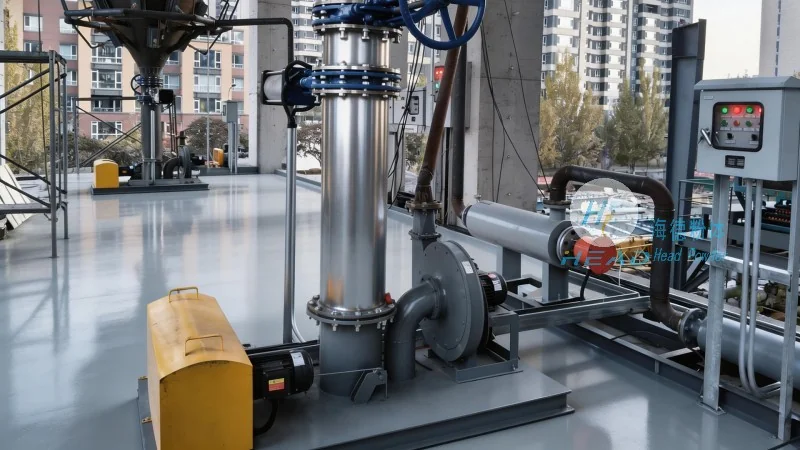
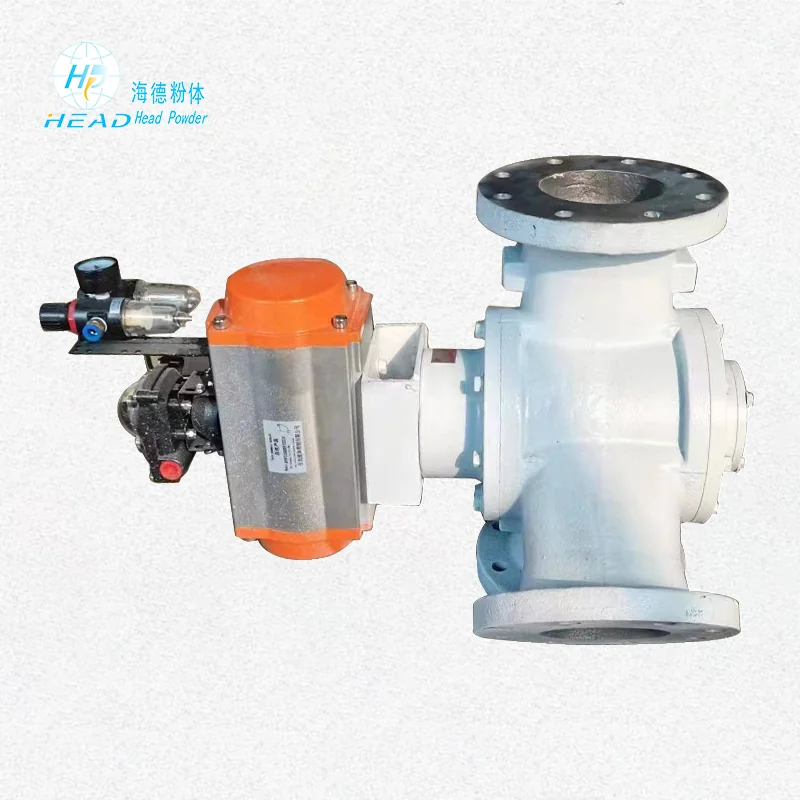
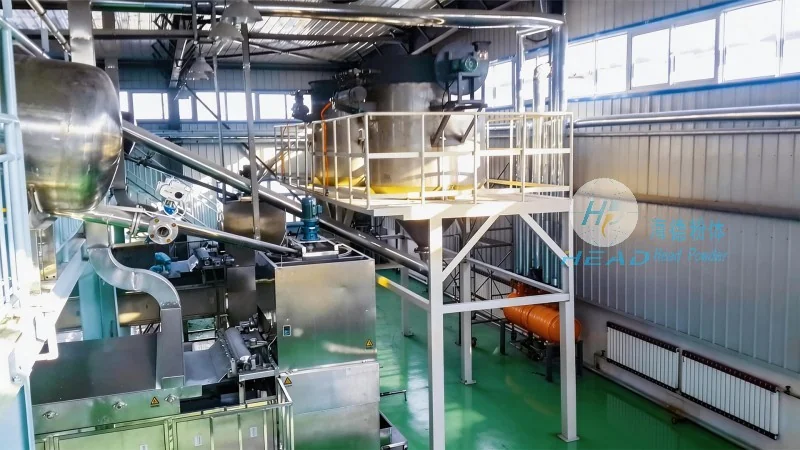
With more than 10‑year industry experience, Shandong Headpowder delivers full‑service pneumatic‑conveying systems and blowers, undertaking nationwide turn‑key powder‑handling projects.
In the complex landscape of bulk material handling, the efficiency and reliability of transferring powders and granules are critical factors that determine the productivity of manufacturing and processing plants. Traditional pneumatic conveying methods often face significant limitations when dealing with high-density materials or long-distance transport. To overcome these challenges, Shandong Headpowder Engineering Co., Ltd. has developed a sophisticated solution that integrates the benefits of both suction and pressure systems. This technology represents a significant leap forward in the field of industrial automation, offering a robust and flexible approach to material logistics.
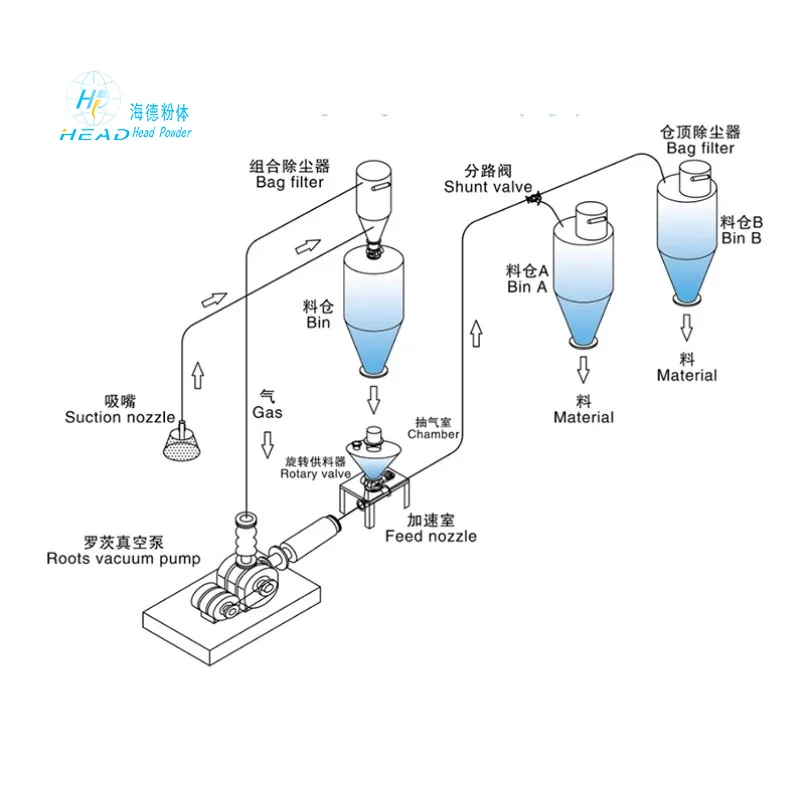
As a leading **pneumatic conveying manufacturer**, Headpowder specializes in the design and fabrication of systems that are tailored to the specific needs of various industries. Our expertise lies in creating equipment that minimizes material degradation, reduces dust emissions, and ensures a continuous, stable flow of materials from the source to the destination. The core of our offering is the **mixed-pressure pneumatic conveying system**, a technology that harmonizes the strengths of vacuum and pressure conveying into a single, highly efficient process.
The **mixed-pressure pneumatic conveying** system operates on a unique dual-mode mechanism that sets it apart from conventional single-method systems. Unlike standard vacuum systems, which struggle with high-density materials due to high suction resistance, or pressure systems, which require high-pressure storage tanks, the Headpowder hybrid system intelligently switches between modes to optimize performance.
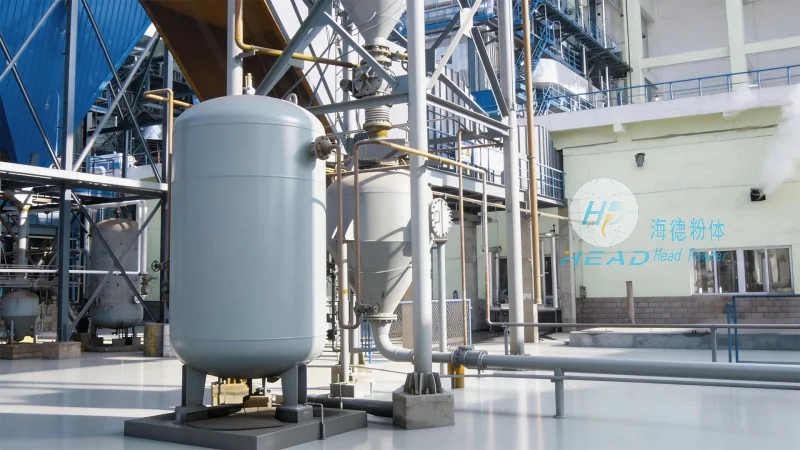
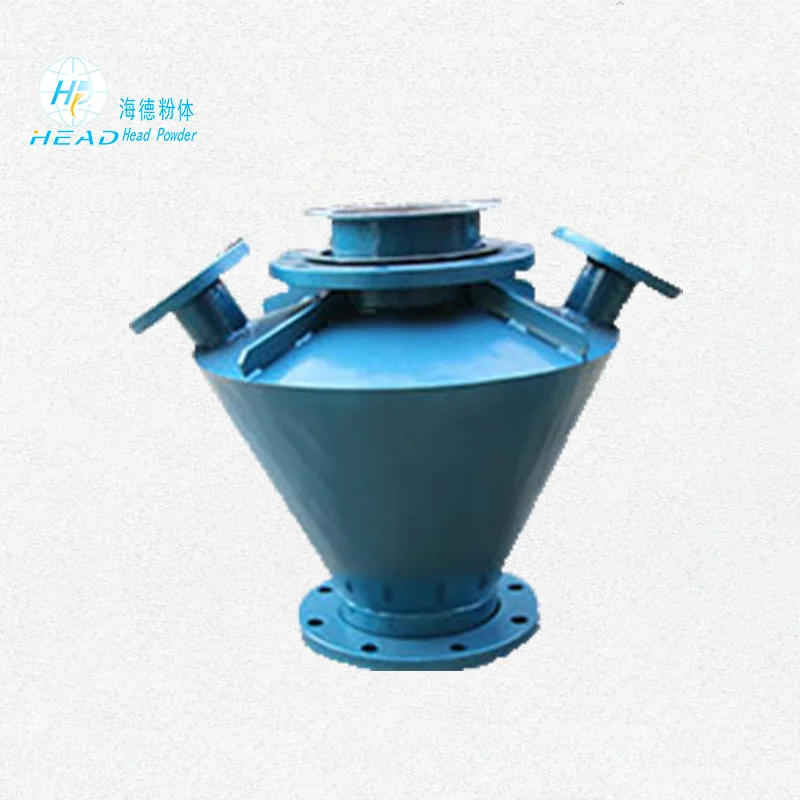
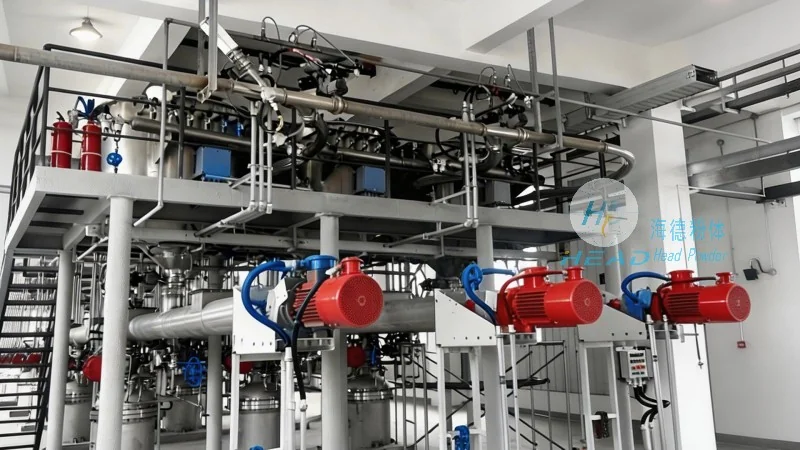
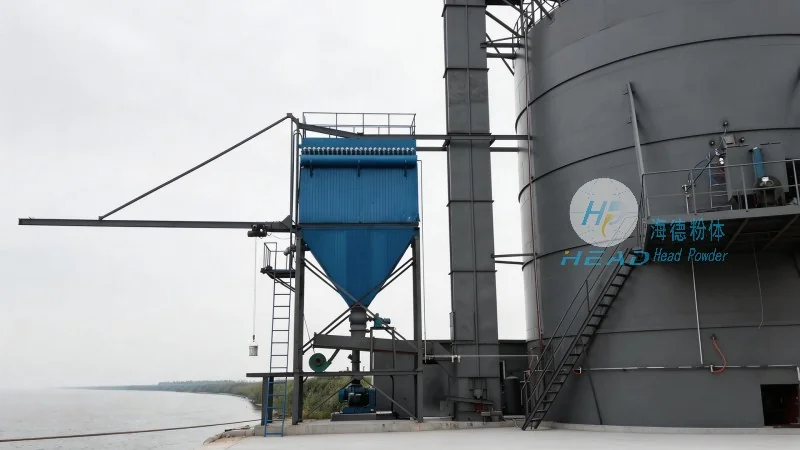
The process begins with the suction phase, where a vacuum generator creates a negative pressure within the pipeline. This effectively draws materials from multiple collection points or hoppers into the system. Once the material is collected, the system seamlessly transitions to the pressure phase. Here, a pressure vessel or booster is utilized to push the accumulated material through the pipeline to the final destination. This seamless transition allows for the handling of materials that are difficult to transport using only vacuum or only pressure, such as heavy powders, flakes, or granules with high bulk density.
One of the primary advantages of this **vacuum-pressure hybrid conveying** method is its ability to transport materials over long distances. By utilizing pressure at the tail end of the transport line, the system can overcome frictional losses that would otherwise cause a vacuum system to stall. Furthermore, the system is designed to minimize pipeline wear and tear. By controlling the velocity of the material and optimizing the air-to-material ratio, Headpowder systems ensure a gentle yet efficient transport process that preserves the integrity of the product.
Located in Shandong, China, Shandong Headpowder Engineering Co., Ltd. has established itself as a premier provider of industrial material handling equipment. We are not merely suppliers; we are engineering partners dedicated to solving the logistical challenges of our clients. Our facility is equipped with state-of-the-art manufacturing technology and staffed by a team of experienced engineers who understand the nuances of powder mechanics.
As a dedicated **pneumatic conveying manufacturer**, we pride ourselves on our ability to provide customized solutions. We recognize that every production line is unique, and a one-size-fits-all approach rarely yields the best results. Our team works closely with clients to analyze their specific requirements, whether it involves high-temperature materials, corrosive substances, or extremely fine powders. We design our systems to be durable, energy-efficient, and easy to maintain, ensuring a high return on investment for our customers.
The implementation of a **mixed-pressure pneumatic conveying** system offers numerous operational benefits that directly impact the bottom line of a business. Firstly, the system significantly reduces the risk of dust explosions, a critical safety concern in powder handling. By maintaining a closed-loop system and utilizing advanced filtration, we ensure a clean and safe working environment.
Secondly, the automation provided by the Headpowder system reduces the need for manual labor. The automated switching between suction and pressure modes ensures a continuous operation without the need for constant operator intervention. This not only saves labor costs but also increases the overall throughput of the facility. The system is also highly flexible, allowing for easy reconfiguration of the pipeline layout to accommodate changes in production requirements.
For companies looking to upgrade their material handling capabilities, Shandong Headpowder Engineering Co., Ltd. stands ready to provide expert consultation and top-tier equipment. Our commitment to quality and innovation has made us a preferred choice for clients across the globe. If you are interested in learning more about our **mixed-pressure pneumatic conveying** systems or require a customized solution for your specific industrial application, please do not hesitate to contact our team.
Our project manager, Zhang Manager, is available to discuss your needs in detail. You can reach Zhang Manager via WeChat at 15662777102. We look forward to collaborating with you to optimize your production processes and achieve superior material handling efficiency.

 Shandong Headpowder Engineering Co., Ltd.
 156-6277-7102(Manager Zhang)
  0531-83386006
  Zhangqiu District, Jinan City, Shandong Province, China
telephone
WeChatconsult
top