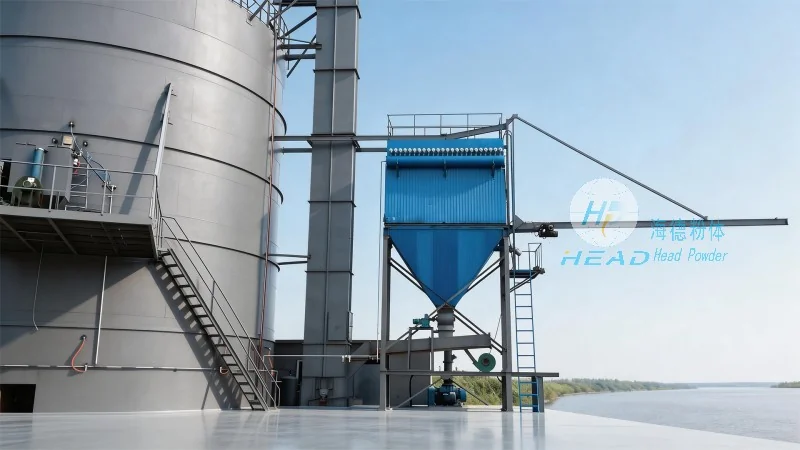
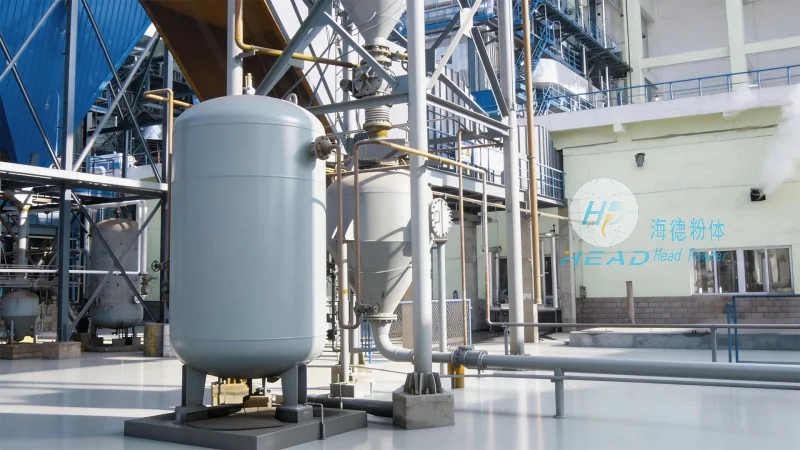
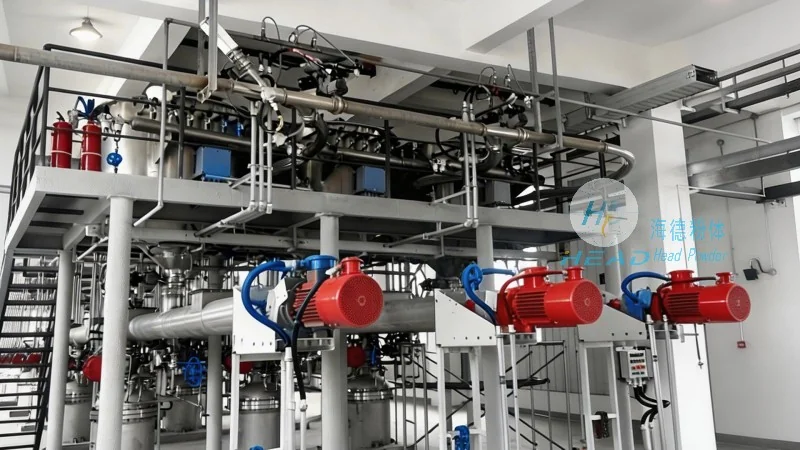
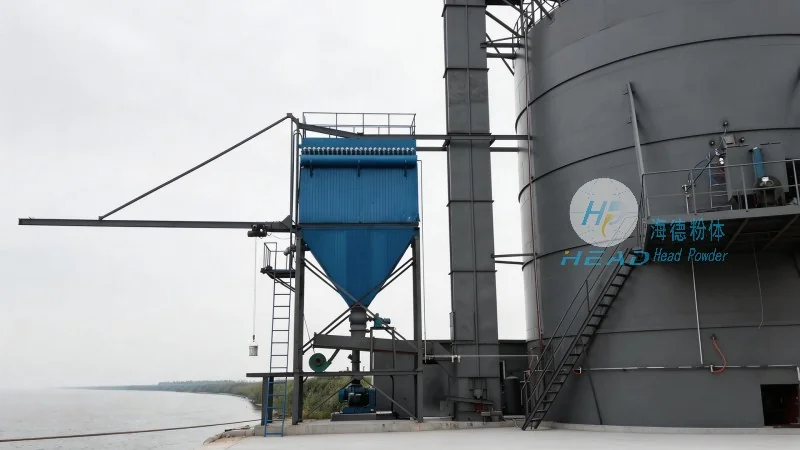
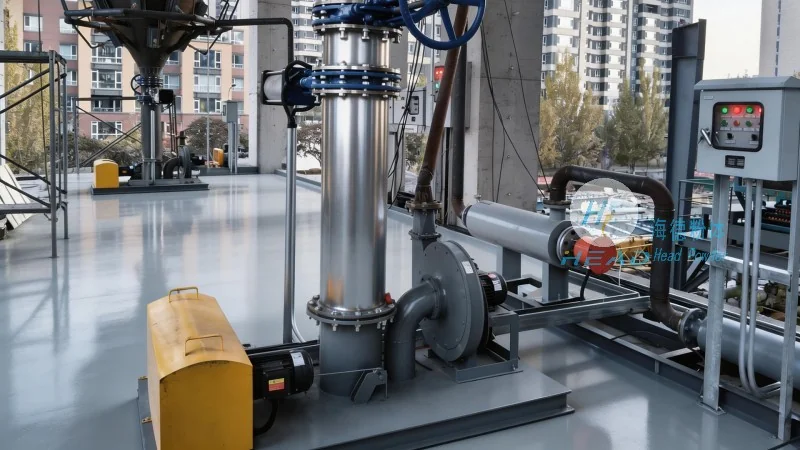
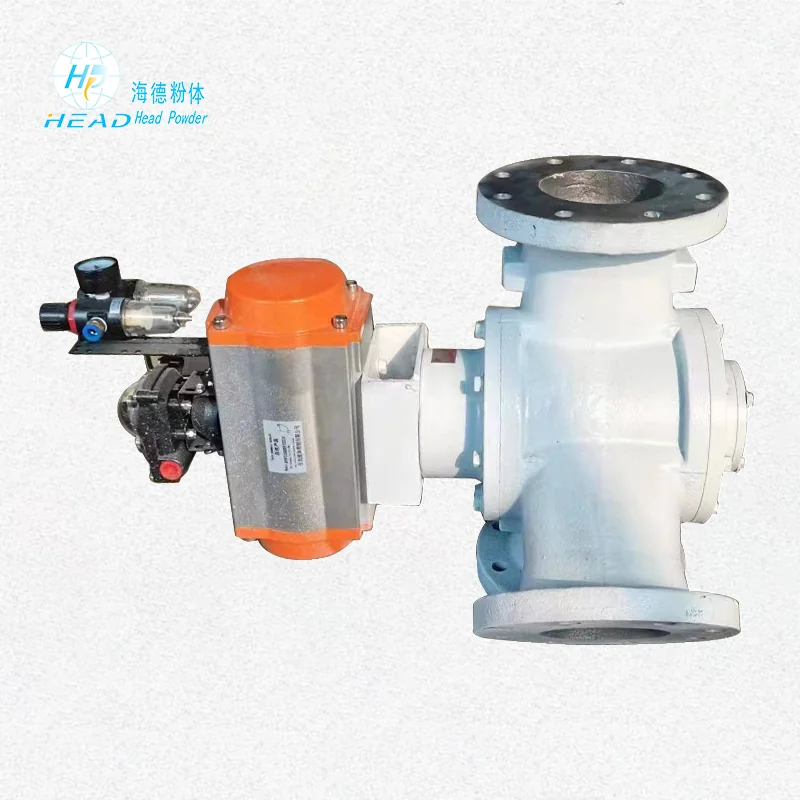
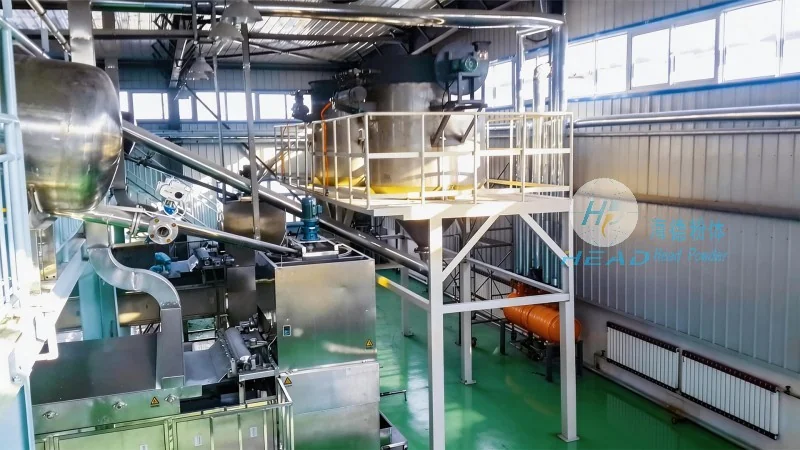
With more than 10‑year industry experience, Shandong Headpowder delivers full‑service pneumatic‑conveying systems and blowers, undertaking nationwide turn‑key powder‑handling projects.
In the complex landscape of industrial fluid control, the reliability of individual components often dictates the success of entire systems. Shandong Headpowder Engineering Co., Ltd. stands as a premier entity in this sector, dedicated to the research, development, and production of high-performance mechanical valves. Located in the industrial heartland of China, specifically in Shandong province, our company has established a reputation for precision engineering and robust manufacturing capabilities. We specialize in providing essential components that ensure the safety and efficiency of hydraulic and pneumatic systems. As a comprehensive engineering enterprise, we focus on delivering solutions that meet the rigorous demands of modern industry, ensuring that every unit we produce functions with optimal precision.
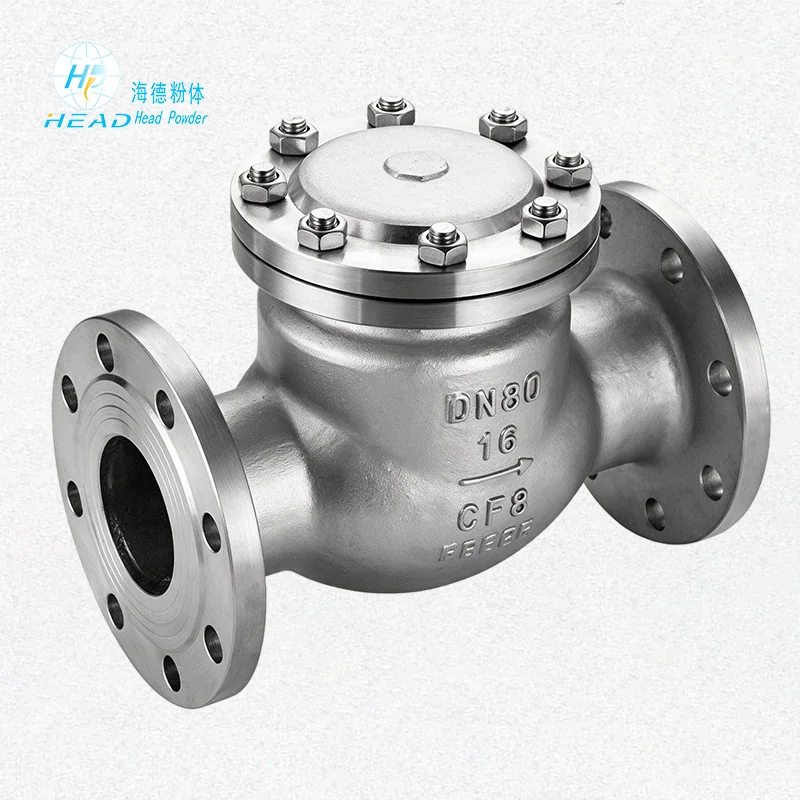
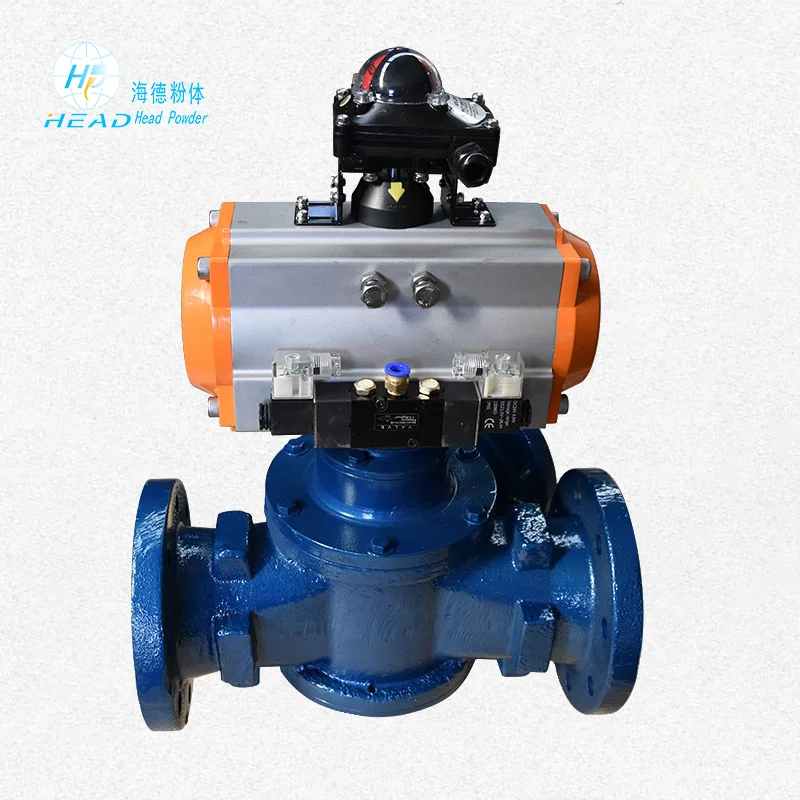
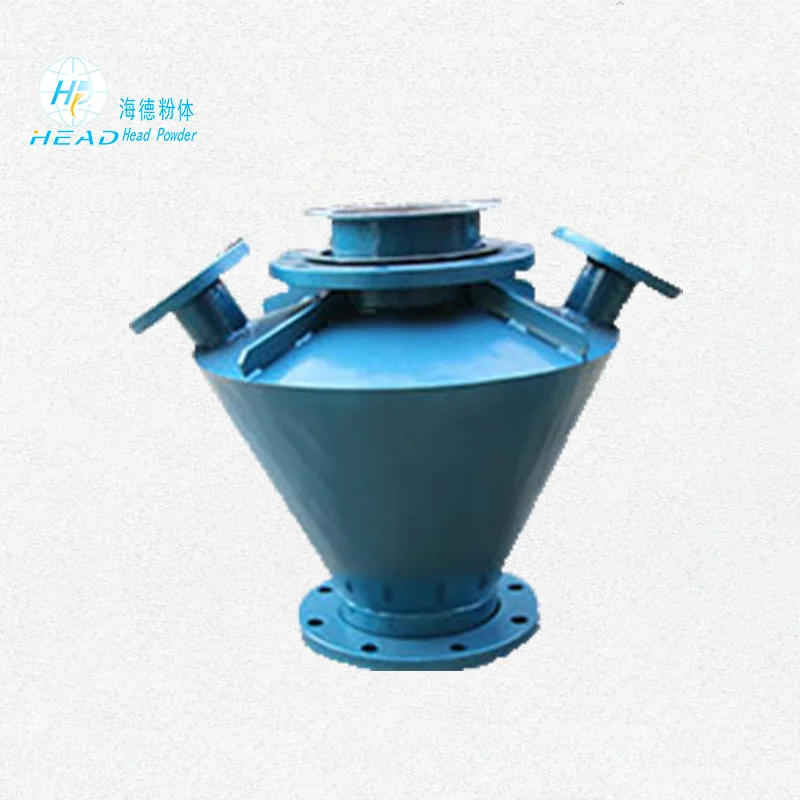
The one-way valve, also known as a check valve, is a critical device in any piping system where the directional flow of fluid must be controlled. Its primary function is to allow fluid to flow in only one direction, thereby preventing backflow which could damage pumps, cause system failure, or contaminate the process fluid. Shandong Headpowder Engineering Co., Ltd. manufactures these valves with a focus on creating a fail-safe mechanism that operates smoothly under varying pressure conditions. Whether the application involves high-pressure hydraulic fluids or low-pressure water systems, the design of our one-way valves ensures that flow proceeds unidirectionally, providing peace of mind to engineers and operators alike.
Understanding the internal mechanics of our products is essential for selecting the right component for a specific application. The core design of our one-way valves typically features a simple yet effective mechanism: a disc, ball, or poppet that is pushed open by the pressure of the incoming fluid. When the flow stops or reverses, the pressure drops, and the valve closes tightly against the seat. This sealing action is vital for system integrity. At Shandong Headpowder Engineering Co., Ltd., we engineer these components to handle significant differential pressures without leaking. The geometry of the valve body is optimized to minimize pressure drop while maximizing flow capacity, ensuring that the system efficiency is not compromised by the inclusion of the valve itself.
A key factor in the longevity of any valve is the material from which it is constructed. Shandong Headpowder Engineering Co., Ltd. understands that different environments require different materials. We offer a wide range of options to suit corrosive, high-temperature, or abrasive conditions. Our standard materials include high-grade stainless steel, such as 304 and 316, which offer excellent corrosion resistance for chemical and food processing applications. For applications involving higher temperatures or where cost-effectiveness is a priority, we utilize carbon steel and various alloys. Additionally, for water and low-pressure applications, we produce valves in PVC and brass. This versatility allows our clients to select a valve that not only fits the physical dimensions but also withstands the chemical and thermal environment of their specific processes.
The utility of a one-way valve is vast, spanning numerous industrial sectors. In the oil and gas industry, these valves are indispensable for preventing the backflow of hazardous fluids into production wells. In the chemical industry, they protect pumps from the corrosive effects of reversing flow. Furthermore, in the water treatment and municipal engineering sectors, one-way valves are essential for maintaining the pressure in pipelines and preventing sewage backflow into residential areas. Shandong Headpowder Engineering Co., Ltd. designs its products to be versatile enough to be used in HVAC systems, marine applications, and power generation plants. By providing a component that is universally adaptable, we support a broad spectrum of engineering challenges.
When sourcing industrial components, the relationship between the buyer and the manufacturer is paramount. Shandong Headpowder Engineering Co., Ltd. prides itself on being a direct supplier, eliminating intermediaries to offer the most competitive pricing and the highest level of customer service. As a dedicated one-way valve manufacturer, we maintain strict quality control protocols at every stage of production, from raw material inspection to final assembly and pressure testing. Our facility is equipped with advanced machining centers and testing instruments that ensure every valve meets international standards. We believe in transparency and work closely with our clients to understand their specific technical requirements, offering tailored solutions that generic suppliers cannot match.
Cost efficiency is a major concern for engineering projects, and Shandong Headpowder Engineering Co., Ltd. addresses this by optimizing our production processes. We understand that budget constraints often dictate material choices, and we strive to offer the most competitive one-way valve price without compromising on quality. By leveraging our local manufacturing base in Shandong, we reduce logistics costs and offer flexible payment terms. Our goal is to provide high-quality components that offer a low total cost of ownership. We invite potential buyers to request detailed quotations for bulk orders, where we can demonstrate how our pricing structure can significantly reduce project expenses while maintaining superior performance standards.
While our standard catalog offers a wide array of one-way valves, we recognize that many projects require bespoke solutions. Shandong Headpowder Engineering Co., Ltd. offers custom engineering services to meet unique specifications. This includes non-standard sizes, special connection types, and unique pressure ratings. Our engineering team works closely with clients to design valves that integrate seamlessly into existing systems or perform in novel environments. This capability to customize makes us more than just a manufacturer; we act as a technical partner in the development phase of a project, ensuring that the final product is perfectly tailored to the operational needs of the client.
If you are looking for a reliable partner to supply high-quality fluid control components, Shandong Headpowder Engineering Co., Ltd. is ready to assist you. Our commitment to excellence, combined with our technical expertise, ensures that you receive products that perform reliably under pressure. For inquiries regarding specifications, bulk orders, or to discuss your specific project needs, please do not hesitate to contact our sales department. You may reach out to Zhang Manager directly. We encourage you to initiate a conversation to explore how our solutions can enhance the efficiency and safety of your operations. We look forward to establishing a long-term partnership built on trust and quality.

 Shandong Headpowder Engineering Co., Ltd.
 156-6277-7102(Manager Zhang)
  0531-83386006
  Zhangqiu District, Jinan City, Shandong Province, China
telephone
WeChatconsult
top