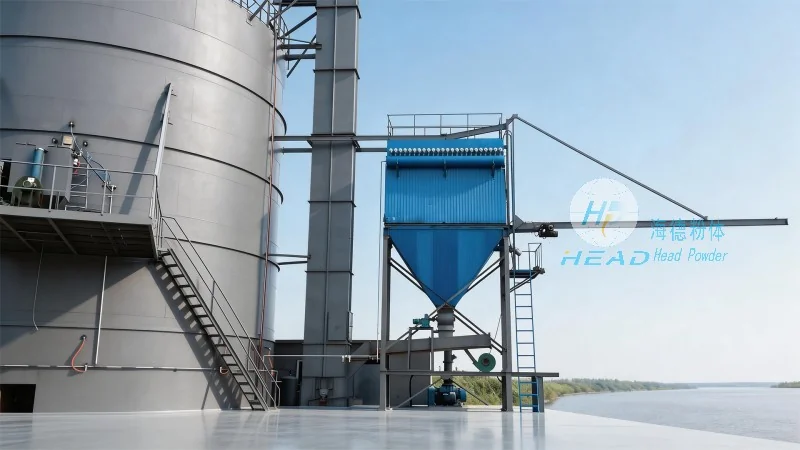
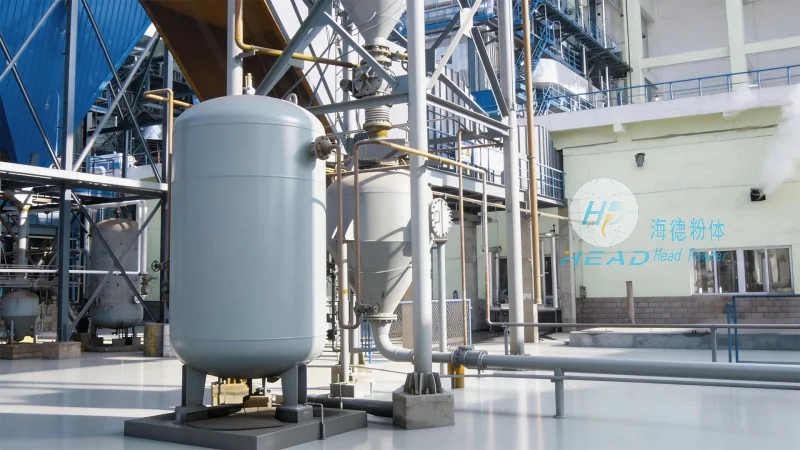
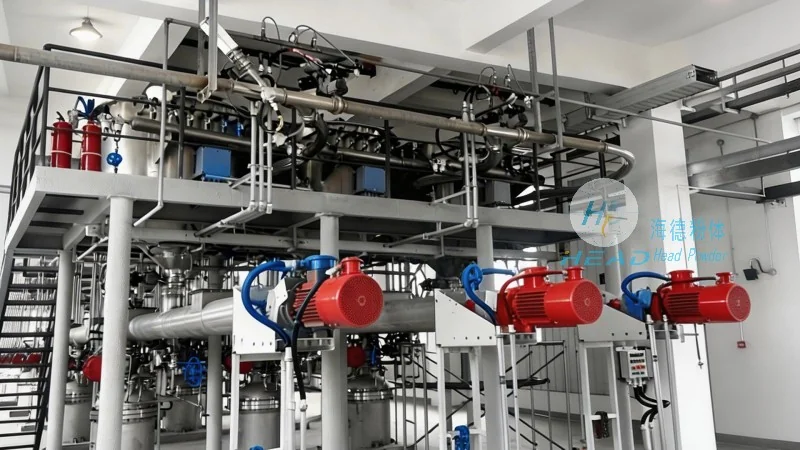
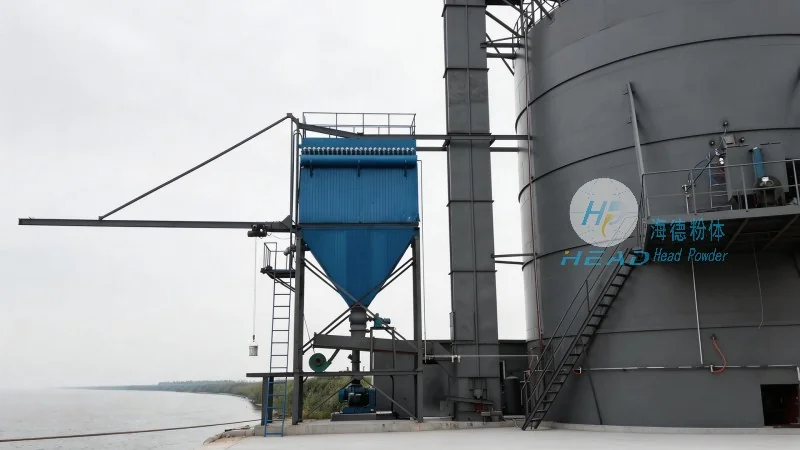
With more than 10‑year industry experience, Shandong Headpowder delivers full‑service pneumatic‑conveying systems and blowers, undertaking nationwide turn‑key powder‑handling projects.
In the highly competitive landscape of modern industrial manufacturing, efficiency, cleanliness, and automation are paramount. Companies across various sectors are constantly seeking ways to optimize their production lines, reduce labor costs, and ensure consistent material quality. Shandong Headpowder Engineering Co., Ltd. is a leading enterprise dedicated to providing these essential solutions. We specialize in the design, development, and installation of advanced automation equipment. As a professional manufacturer, we are committed to delivering superior **central material supply systems** that revolutionize the way raw materials are handled. Our goal is to provide a comprehensive solution that integrates seamlessly into existing production environments, ensuring that manufacturers can focus on what they do best: creating high-quality products. We are recognized as a trusted **central material supply manufacturer**, offering tailored solutions that meet the diverse needs of the plastics, rubber, and chemical industries.
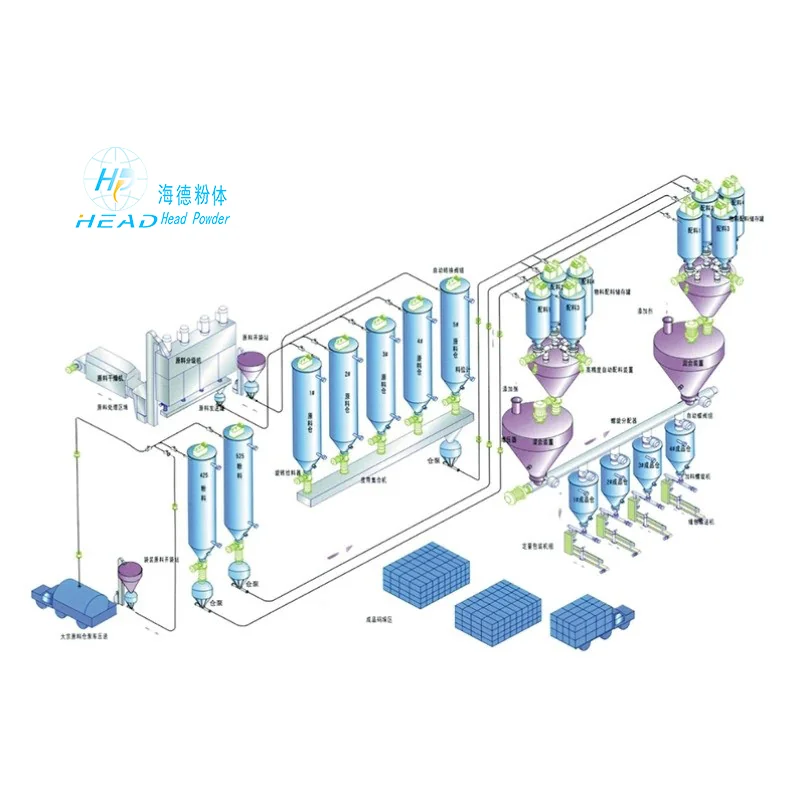
At the core of our offering is the **central material supply system**, a sophisticated network designed to automatically transport raw materials from storage silos directly to processing machines. This system eliminates the need for manual handling, significantly reducing the risk of contamination and human error. By centralizing the material handling process, factories can achieve a higher level of operational efficiency. Shandong Headpowder Engineering Co., Ltd. understands that every facility has unique requirements, which is why we offer customized designs. Whether it is a small-scale workshop or a large-scale industrial plant, our systems are scalable and adaptable. As a leading **central material supply manufacturer**, we pride ourselves on our ability to deliver systems that not only meet international standards but also exceed customer expectations in terms of durability and performance.
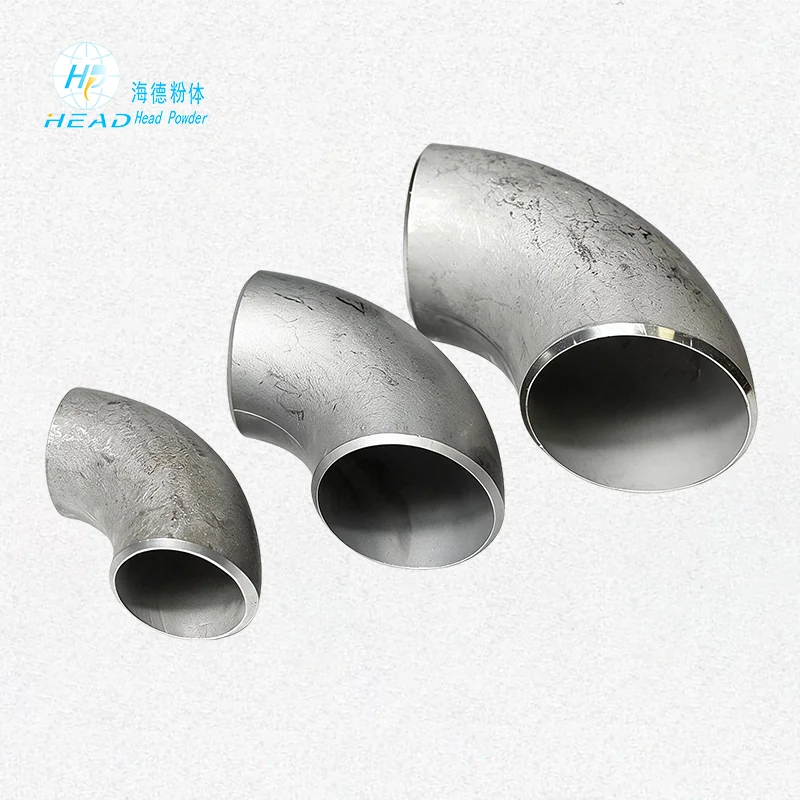
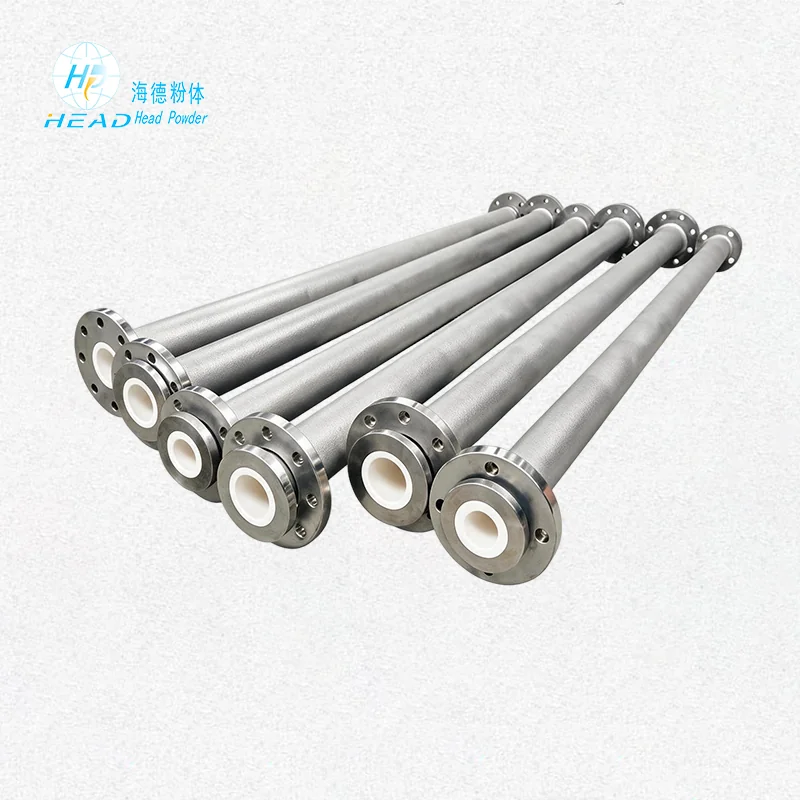
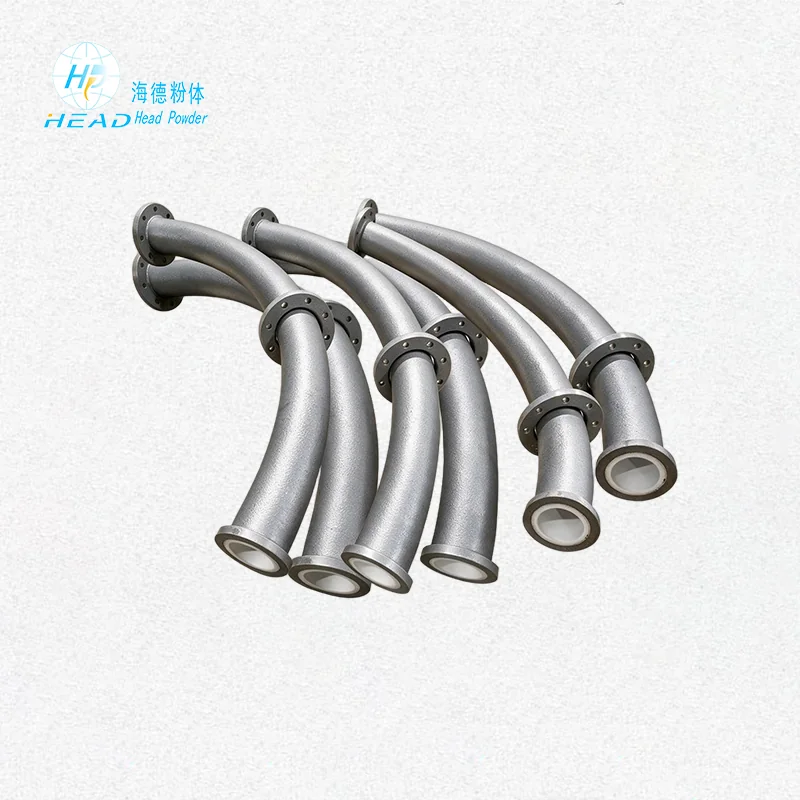
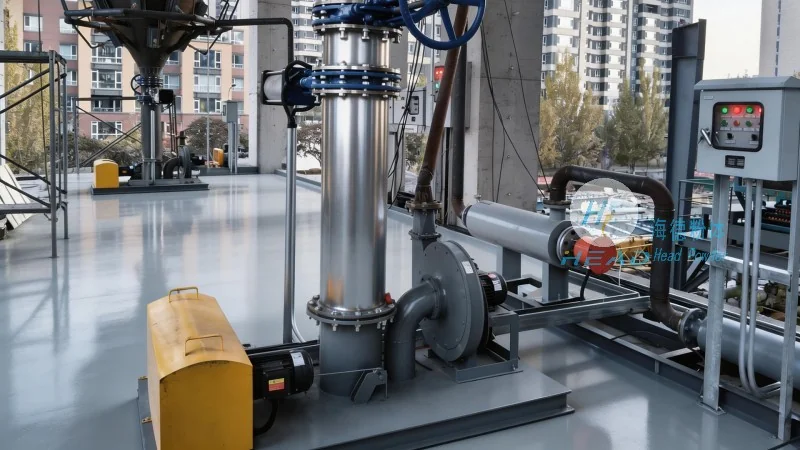
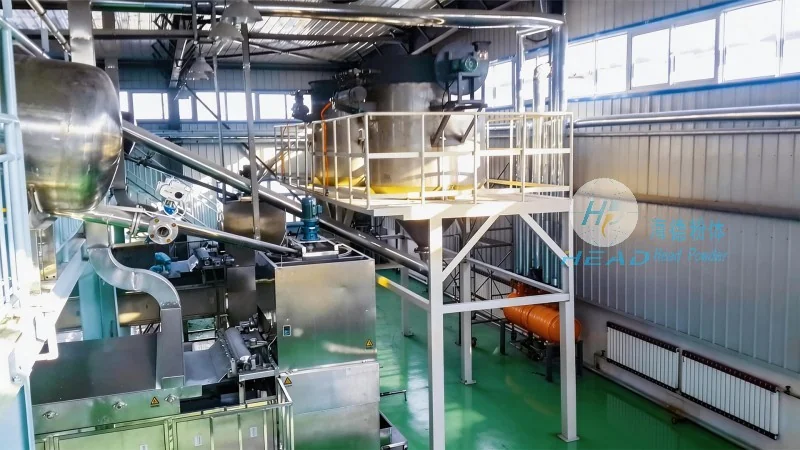
The functionality of a **central material supply system** is based on a network of vacuum conveyors, material hoppers, and a central control cabinet. The process begins at the storage silos where raw materials are kept in a clean, dry environment. The system utilizes vacuum pressure to draw materials through a network of pipelines, which are typically made of stainless steel or high-grade plastic to prevent material degradation or cross-contamination. The materials are then transported to individual hoppers located above the production machinery. Once the hoppers are filled to a preset level, the system automatically stops, ensuring that the exact amount of material required for a production cycle is available. This automated process ensures a continuous supply of material, preventing production stoppages caused by empty hoppers.
One of the standout features of our systems is the advanced control mechanism. Shandong Headpowder Engineering Co., Ltd. equips our systems with state-of-the-art PLC (Programmable Logic Controller) and SCADA software. This allows for real-time monitoring and control of the entire feeding process. Operators can monitor material levels, system pressure, and operational status from a central interface. This level of control not only enhances safety but also allows for precise management of material usage. By automating the feeding process, manufacturers can significantly reduce material waste, as the system only dispenses what is needed. This precision is crucial for industries where material costs are a significant portion of the total production expense. Our **central material supply systems** are designed to be robust and reliable, minimizing maintenance requirements and downtime.
Shandong Headpowder Engineering Co., Ltd. has established itself as a premier name in the industry through years of dedicated research and development. Our company is not just a supplier; we are a partner in your manufacturing success. We combine engineering excellence with practical application to deliver systems that solve real-world problems. Our team of engineers and technicians possesses deep knowledge of material handling dynamics, ensuring that every system we design is optimized for the specific materials being processed. As a specialized **central material supply manufacturer**, we have a deep understanding of the nuances involved in conveying powders, granules, and flakes without compromising their integrity.
Our commitment to quality is reflected in every component we use, from the vacuum pumps to the filtration systems. We ensure that all materials used in our systems are resistant to corrosion and wear, ensuring a long service life. Furthermore, we adhere to strict quality control measures throughout the manufacturing process. When you choose Shandong Headpowder Engineering Co., Ltd., you are choosing a partner that values transparency, reliability, and customer satisfaction. We work closely with our clients to understand their specific production challenges and provide solutions that are both innovative and cost-effective. Our reputation as a reliable **central material supply manufacturer** is built on our ability to consistently deliver high-quality systems that enhance our clients' production capabilities.
When considering the investment in a **central material supply system**, understanding the factors that influence pricing is crucial. Shandong Headpowder Engineering Co., Ltd. believes in transparency and works with clients to provide accurate quotations based on their specific needs. The **central material supply price** is not a fixed figure but depends on several variables. One of the primary factors is the scale of the production line. Larger facilities with more processing machines will require a more extensive network of pipelines and larger storage silos, which naturally increases the cost. Additionally, the type of material being conveyed plays a significant role. Some materials may require specialized handling, such as anti-static measures or temperature control, which can affect the system configuration and cost.
Another key factor is the level of automation and control required. While basic systems may rely on manual switches, advanced systems with PLC control, remote monitoring, and automated batching capabilities represent a higher investment. However, it is important to view these costs in the context of the long-term benefits. The **central material supply price** is an investment in efficiency. By reducing labor costs, minimizing material waste, and increasing production uptime, the system pays for itself over time. Shandong Headpowder Engineering Co., Ltd. offers competitive pricing structures without compromising on quality. We strive to provide the best value for our clients, ensuring that the investment in a central material supply system yields significant returns in operational efficiency and product quality.
Implementing a **central material supply system** from a reputable manufacturer like Shandong Headpowder Engineering Co., Ltd. offers a multitude of operational benefits. The most immediate benefit is the drastic reduction in manual labor. Traditionally, feeding materials to machines involves multiple workers carrying bags or using manual scoops. This process is not only time-consuming but also exposes workers to dust and potential physical strain. Our automated systems eliminate these hazards, creating a safer and more hygienic working environment. The enclosed system also prevents the ingress of dust and moisture, which is critical for maintaining the quality of sensitive materials.
Furthermore, the consistency provided by our systems leads to improved product quality. Inconsistent material feeding can lead to variations in product dimensions, density, or color. With a central system, the material is delivered at a constant rate, ensuring that the production process remains stable. This consistency is vital for maintaining high standards and meeting customer specifications. The reduction in material waste also contributes to better cost management. By precisely controlling the amount of material used, manufacturers can reduce the amount of scrap generated. Shandong Headpowder Engineering Co., Ltd. is dedicated to helping our clients achieve these benefits through our state-of-the-art equipment and expert support.
In conclusion, the transition to an automated **central material supply system** is a strategic decision that can transform a manufacturing operation. Shandong Headpowder Engineering Co., Ltd. is proud to be at the leading edge of this technology, providing systems that enhance efficiency, safety, and product quality. As a dedicated **central material supply manufacturer**, we are committed to continuous innovation and customer service. We invite potential partners to contact our team to discuss their specific needs. For detailed inquiries and to learn more about how we can assist in upgrading your production line, please reach out to our contact person, Manager Zhang. We look forward to the opportunity to work with you and help you achieve manufacturing excellence.

 Shandong Headpowder Engineering Co., Ltd.
 156-6277-7102(Manager Zhang)
  0531-83386006
  Zhangqiu District, Jinan City, Shandong Province, China
telephone
WeChatconsult
top