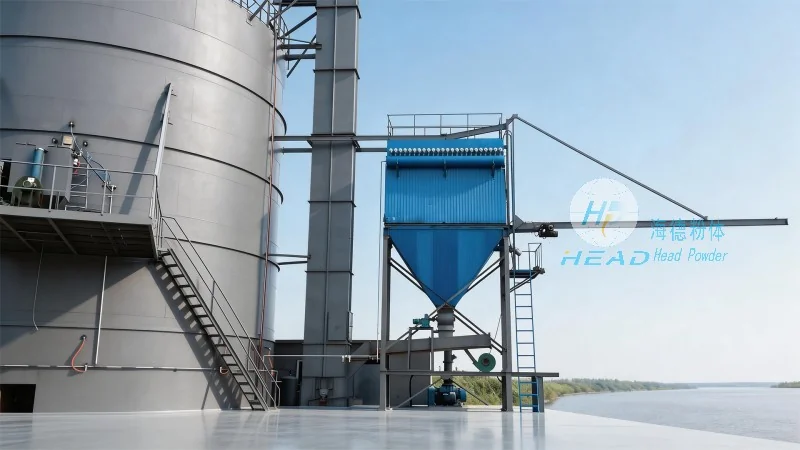
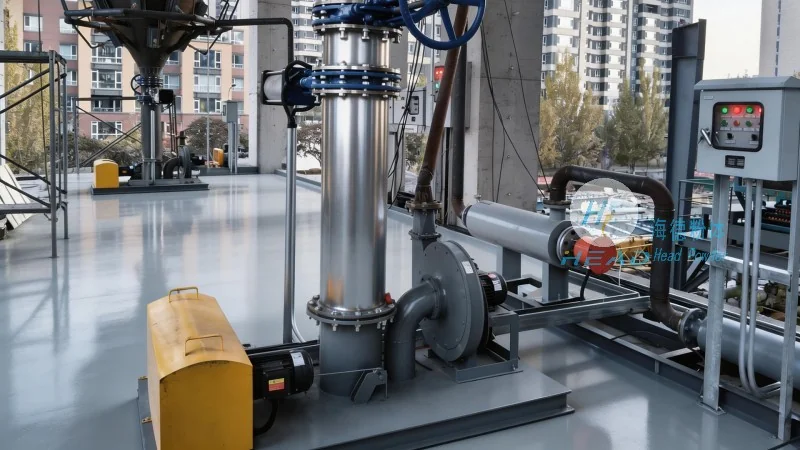
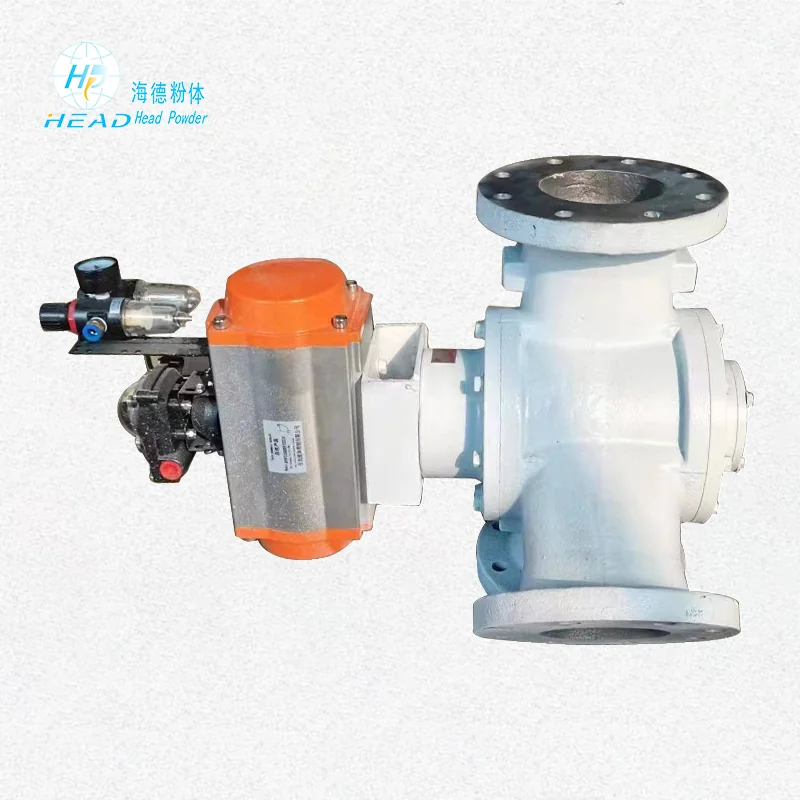
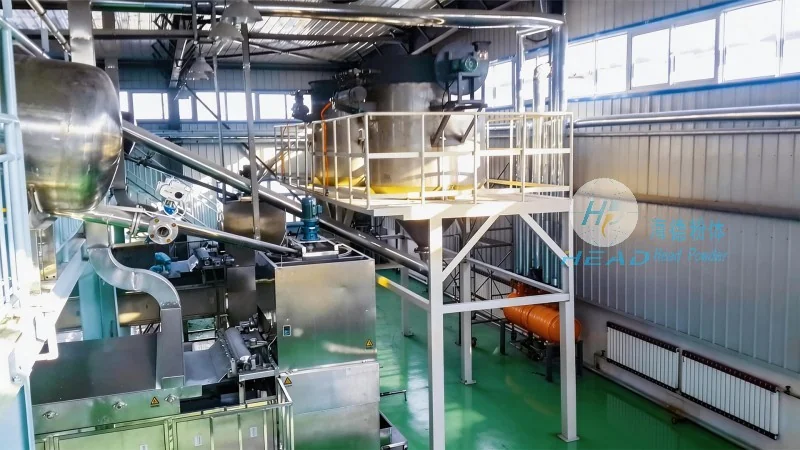
With more than 10‑year industry experience, Shandong Headpowder delivers full‑service pneumatic‑conveying systems and blowers, undertaking nationwide turn‑key powder‑handling projects.
In the modern industrial landscape, the accuracy of material handling is paramount to ensuring product quality and operational efficiency. Shandong Headpowder Engineering Co., Ltd. stands at the forefront of this technological evolution, specializing in the design, manufacturing, and supply of high-performance metering and batching systems. Located in Shandong, China, the company has established itself as a reliable partner for industries requiring precise control over powder and granular material processing. The core of their offering revolves around the metering and batching system, a critical infrastructure component that automates the weighing and dispensing of raw materials with high repeatability. By integrating advanced sensors, PLC control units, and user-friendly interfaces, these systems eliminate the guesswork associated with manual batching, thereby reducing material waste and ensuring batch-to-batch consistency. For any facility looking to upgrade its production line, understanding the capabilities of a robust metering and batching system is the first step toward achieving industrial excellence.
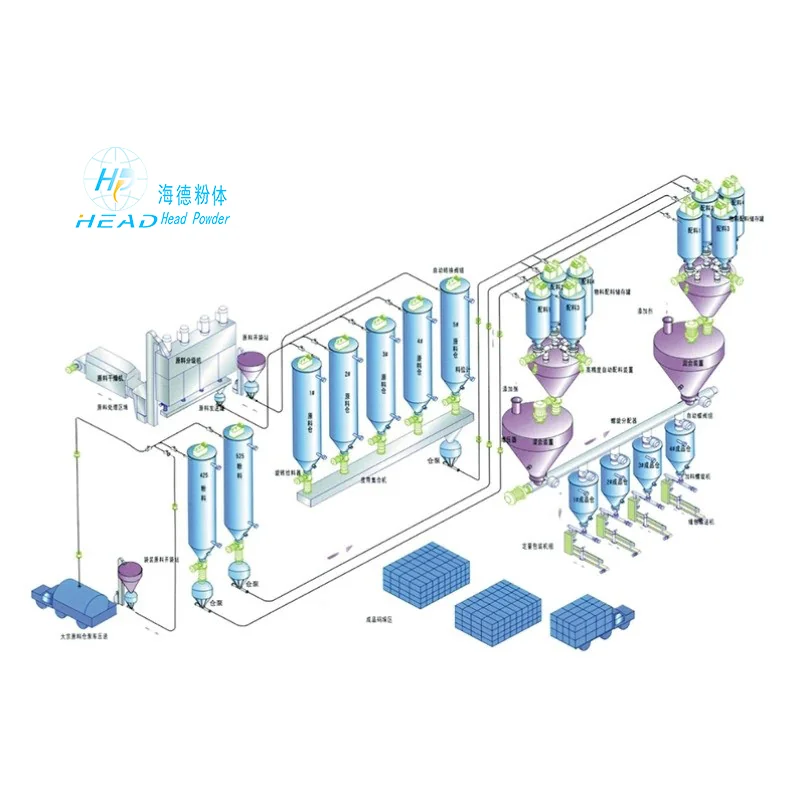
When selecting a partner for material handling solutions, the manufacturer's expertise is a decisive factor. Shandong Headpowder Engineering Co., Ltd. is not merely a supplier but a comprehensive metering and batching manufacturer. This designation implies a deep understanding of the entire production lifecycle, from the initial conceptual design of the batch house to the final installation and commissioning. As a dedicated manufacturer, Headpowder invests heavily in research and development to refine the mechanics of weighing and conveying. Their facilities are equipped with state-of-the-art machinery that allows for the fabrication of heavy-duty hoppers, screw feeders, and weighing bridges that can withstand rigorous daily operations. The company’s philosophy centers on quality assurance; every component is rigorously tested to ensure compliance with international standards. By acting as a direct manufacturer, Headpowder is able to offer tailored solutions that address specific client constraints, such as limited floor space or specific material properties, ensuring that the delivered system is perfectly suited to the user's operational requirements.
One of the most common inquiries from potential clients involves the metering and batching price. It is important to recognize that pricing for these systems is not a one-size-fits-all figure but is determined by a complex interplay of technical specifications and project requirements. The cost of a system is influenced by factors such as the number of weighing points, the complexity of the material handling process, the level of automation required, and the specific brand of electronic components used. Shandong Headpowder Engineering Co., Ltd. adopts a transparent pricing strategy that reflects the actual value and engineering effort invested in each project. While budget considerations are always significant, clients are advised to view the pricing in the context of the system's longevity and return on investment. A higher initial outlay for a system with superior precision and durability often results in lower maintenance costs and higher product quality over time. The company provides detailed quotations that break down the costs associated with mechanical structures, electronic control systems, and installation services, ensuring that clients have a clear understanding of where their investment is directed.
The superiority of a metering and batching system lies in its technical architecture. Shandong Headpowder Engineering Co., Ltd. designs systems that prioritize accuracy and stability. These systems typically employ high-precision load cells and digital signal processors to achieve weighing accuracies that meet stringent industrial standards. The control system is usually based on a PLC (Programmable Logic Controller) interfaced with a touch screen, allowing operators to monitor the batching process in real-time. Key operational advantages include automatic zero tracking, dynamic weighing capabilities, and anti-interference designs that ensure stable performance even in harsh industrial environments. Furthermore, the systems are designed with energy efficiency in mind, utilizing variable frequency drives to control motor speeds based on actual material flow requirements. This not only saves electricity but also prolongs the life of the mechanical components. The modular design of the systems allows for easy scalability; as production needs grow, the batching system can be upgraded or expanded without requiring a complete overhaul of the existing infrastructure.
The versatility of the metering and batching system makes it indispensable across a multitude of sectors. In the chemical industry, it is essential for mixing reactive powders with precise stoichiometry to ensure safety and product efficacy. In the construction sector, it is used for batching cement, sand, and additives to produce consistent concrete mixes. The food and pharmaceutical industries rely heavily on these systems to adhere to strict hygiene standards and regulatory requirements, ensuring that ingredients are measured accurately to guarantee product safety. Additionally, the foundry and ceramic industries utilize these systems for precise dosing of raw materials like clay, feldspar, and glazes. Shandong Headpowder Engineering Co., Ltd. has extensive experience in adapting their standard systems to meet the unique environmental and material handling challenges of these diverse industries, proving their adaptability as a premier engineering firm.
Implementing a new metering and batching system is a significant undertaking that requires expert guidance. Shandong Headpowder Engineering Co., Ltd. provides comprehensive after-sales service to ensure a smooth transition. Their team of engineers is available to assist with site surveys, process optimization, and system configuration. Once the system is installed, the company offers training sessions for the client's operators to ensure they are proficient in using the control software and maintaining the hardware. Maintenance services are also readily available, with spare parts provided to minimize downtime. This commitment to customer support extends to the entire lifecycle of the product, reinforcing the company’s reputation as a dependable partner. Whether it is troubleshooting a minor issue or planning a major system upgrade, the dedicated support team is always ready to assist.
For those interested in exploring how a customized metering and batching solution can benefit their operations, Shandong Headpowder Engineering Co., Ltd. encourages direct contact. The company is located in Shandong, China, a hub for engineering and manufacturing. To discuss specific project requirements, obtain a detailed quote, or inquire about the latest metering and batching price options, please reach out to their sales department. You may contact Manager Zhang directly via WeChat at 15662777102. The Headpowder team is dedicated to providing professional advice and technical support to help you achieve the highest standards of production precision and efficiency.

 Shandong Headpowder Engineering Co., Ltd.
 156-6277-7102(Manager Zhang)
  0531-83386006
  Zhangqiu District, Jinan City, Shandong Province, China
telephone
WeChatconsult
top