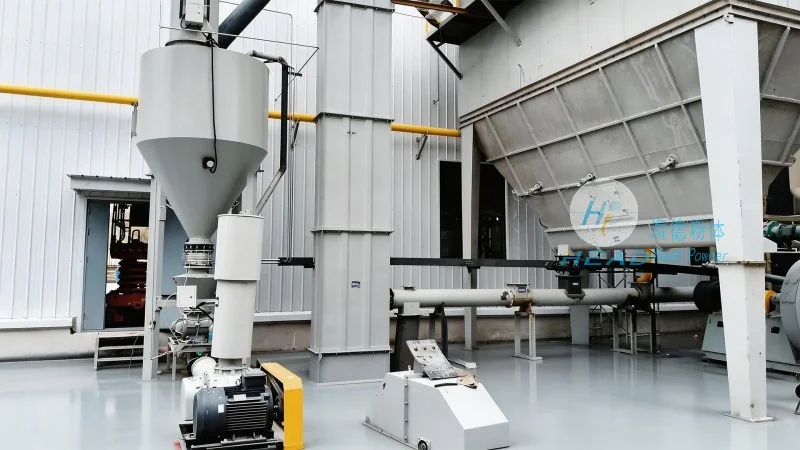
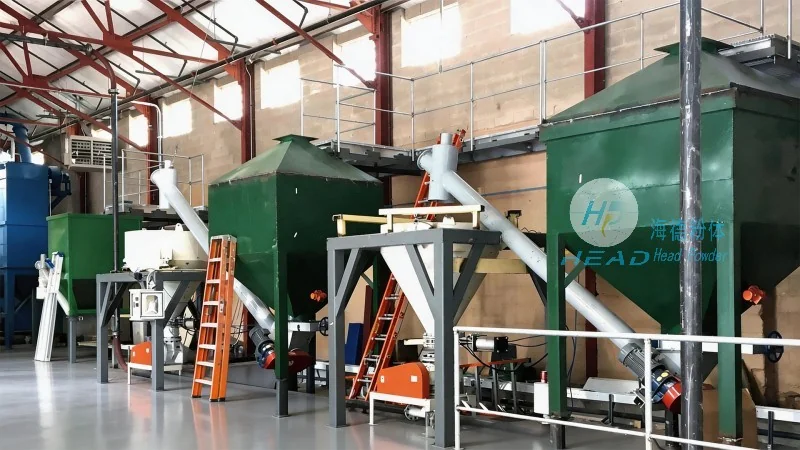
With more than 10‑year industry experience, Shandong Headpowder delivers full‑service pneumatic‑conveying systems and blowers, undertaking nationwide turn‑key powder‑handling projects.
In the modern chemical processing industry, the handling of granular materials presents unique challenges, particularly when dealing with fertilizers. The transition from traditional manual or mechanical handling to automated systems is essential for maintaining hygiene, safety, and production efficiency. Fertilizer particles are often abrasive, hygroscopic, and prone to dust generation, which can lead to operational hazards and product loss. This is where advanced material handling technology becomes critical. By implementing a robust system, manufacturers can ensure that raw materials are moved seamlessly from storage to packaging or blending areas without compromising the integrity of the product. A reliable solution must address these specific material characteristics while providing a continuous, dust-free workflow that enhances the overall productivity of the facility.
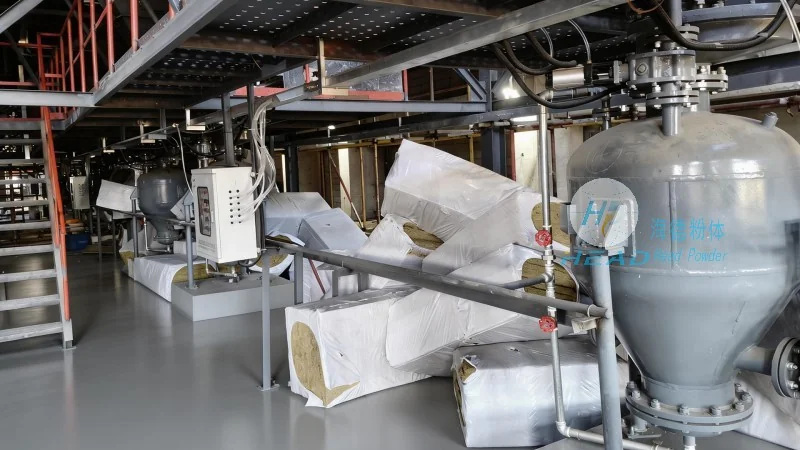
Every chemical plant has a unique layout, production capacity, and material flow requirement. A "one-size-fits-all" approach rarely works effectively in complex industrial environments. This is why the focus on fertilizer particle pneumatic conveying scheme customization is paramount. A tailored solution takes into account the specific physical properties of the fertilizer, such as particle size, bulk density, and flow behavior. Whether the plant requires a vacuum system for clean-in-place operations or a positive pressure system for long-distance transport, the design must be engineered to match the client's exact operational goals. Customization ensures that the system integrates smoothly with existing machinery, minimizes energy consumption, and maximizes the throughput of the fertilizer production line.
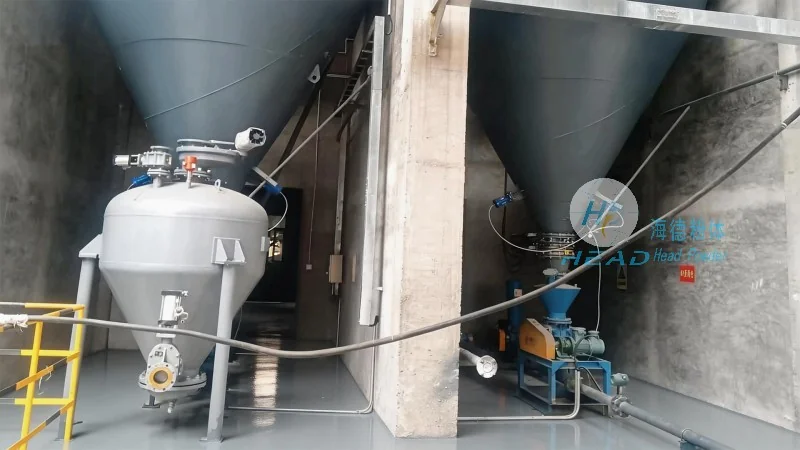
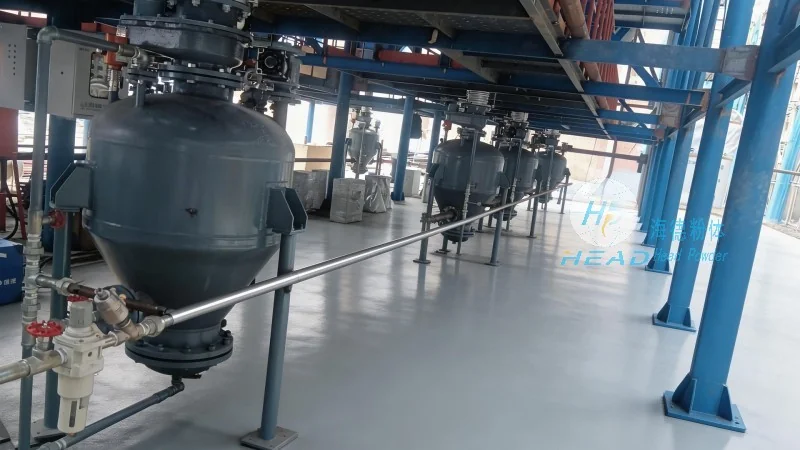
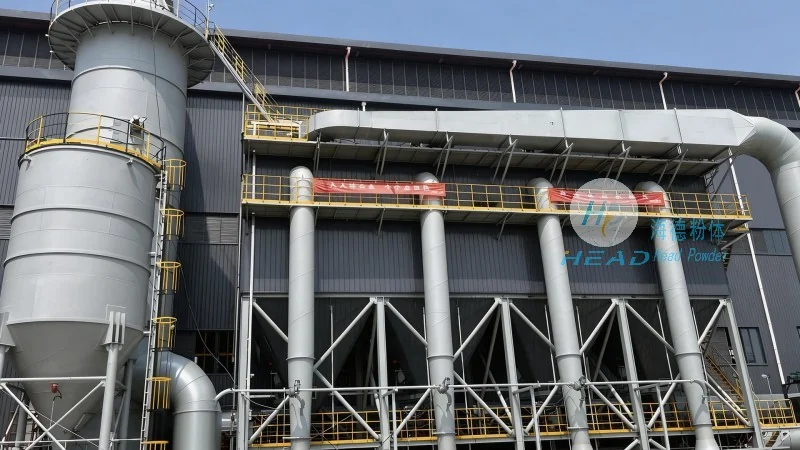
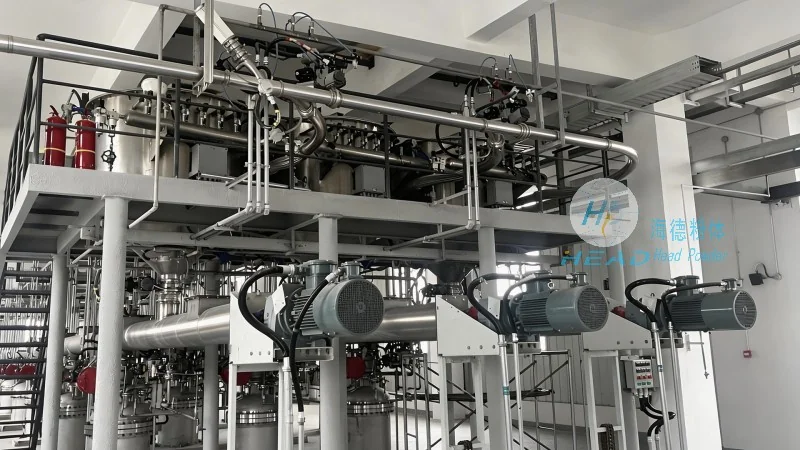
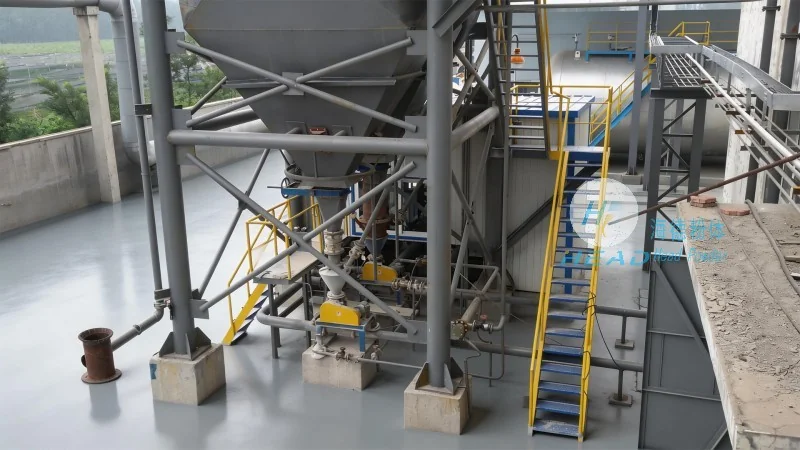
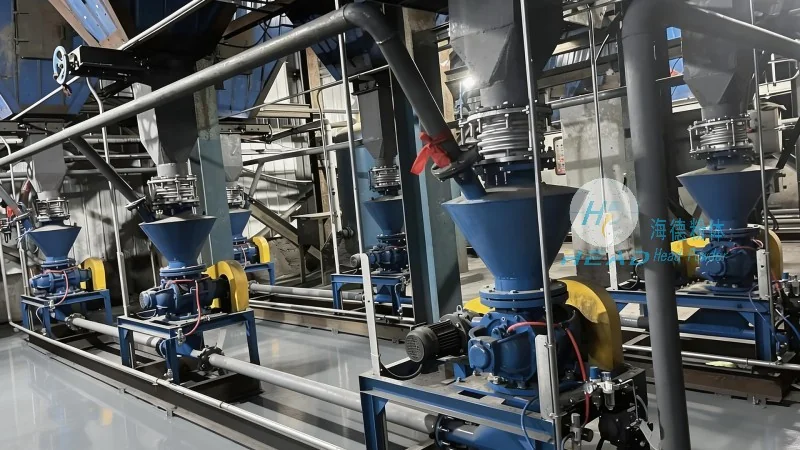
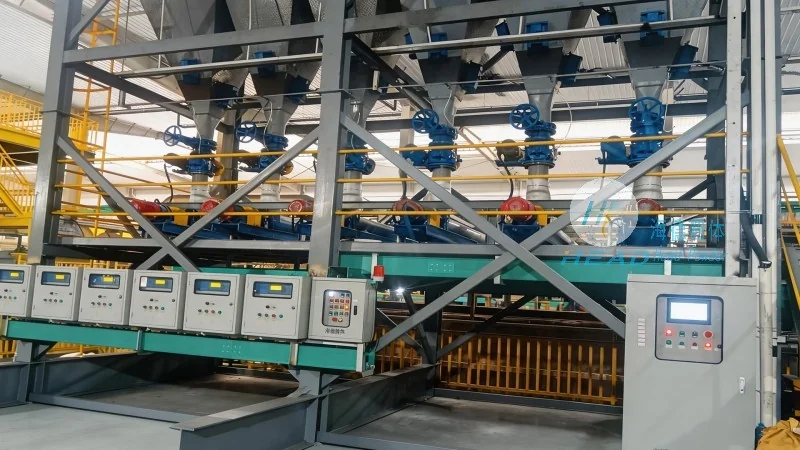
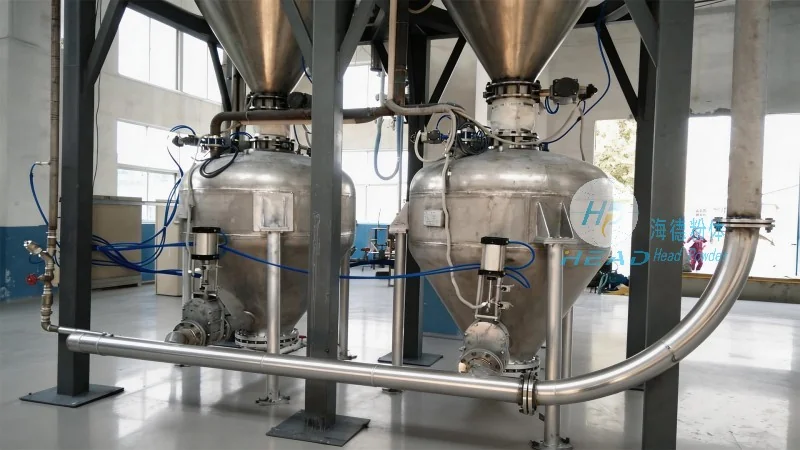
A comprehensive fertilizer particle conveying system is comprised of several critical components working in harmony to achieve efficient material transport. At the heart of the system is the air supply unit, which includes high-efficiency blowers or vacuum pumps capable of generating the necessary pressure differential. This is connected to a network of high-density polyethylene (HDPE) or stainless steel piping, designed to withstand the abrasion and potential chemical reactions associated with fertilizers. The system also features specialized feeding and discharging equipment, such as rotary valves or screw feeders, which regulate the flow of material to prevent blockages. Additionally, advanced filtration systems are integrated to capture any fine dust generated during the transfer process, ensuring a clean working environment and compliance with environmental safety standards. The automation logic controls the entire process, allowing for precise dosing and remote monitoring, which significantly reduces the need for manual intervention.
When seeking a reliable partner for material handling infrastructure, the expertise of the manufacturer is a decisive factor. Shandong Headpowder Engineering Co., Ltd. stands out as a premier fertilizer particle pneumatic conveying manufacturer. With a deep understanding of powder and granular material dynamics, the company specializes in designing and manufacturing equipment that meets the rigorous demands of the chemical industry. Their engineering team utilizes state-of-the-art simulation software to model flow patterns and stress points, ensuring that every system is built for durability and performance. By focusing on the specific nuances of fertilizer handling, Shandong Headpowder Engineering Co., Ltd. provides solutions that are not only efficient but also cost-effective in the long run, helping clients reduce operational downtime and maintenance costs.
Investing in a professional pneumatic conveying system offers numerous advantages that extend beyond simple transportation. Firstly, it drastically reduces the risk of dust explosions, which is a significant safety concern in the fertilizer industry due to the combustible nature of dust clouds. Secondly, the enclosed nature of the system prevents moisture absorption and contamination, preserving the quality of the fertilizer. Thirdly, it optimizes floor space, as the piping can often be installed overhead or underground, freeing up valuable production area for other machinery. Furthermore, these systems are highly flexible, allowing for easy expansion or reconfiguration of the production line as business needs grow. The precision of pneumatic conveying also ensures accurate metering, which is crucial for blending different fertilizer formulations to achieve the desired nutrient ratios.
Implementing a new material handling system requires ongoing technical support and maintenance expertise. Shandong Headpowder Engineering Co., Ltd. is committed to providing comprehensive after-sales service to ensure the longevity and optimal performance of the equipment. The company’s team of engineers is available to assist with installation, troubleshooting, and system upgrades. For clients looking to upgrade their facility or design a new production line, direct consultation is highly recommended. You can reach the company's dedicated project manager, Mr. Zhang, to discuss your specific requirements. For immediate communication via instant messaging platforms, you can contact the company using the WeChat ID: 15662777102. Engaging with a professional team ensures that your fertilizer handling processes remain efficient, safe, and aligned with industry best practices.

 Shandong Headpowder Engineering Co., Ltd.
 156-6277-7102(Manager Zhang)
  0531-83386006
  Zhangqiu District, Jinan City, Shandong Province, China
telephone
WeChatconsult
top