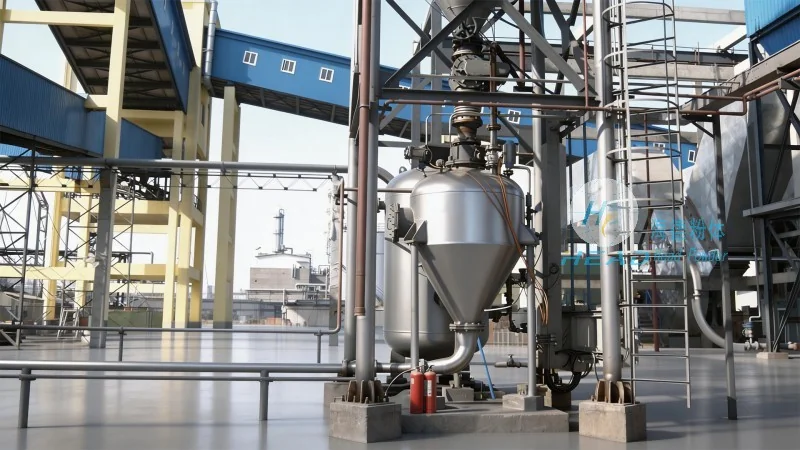
With more than 10‑year industry experience, Shandong Headpowder delivers full‑service pneumatic‑conveying systems and blowers, undertaking nationwide turn‑key powder‑handling projects.
In the complex landscape of industrial manufacturing and mineral processing, the efficient transfer of raw materials is a critical operational requirement. The movement of fine powders, such as mineral powders, poses significant challenges regarding dust containment, system efficiency, and maintenance costs. Traditional mechanical conveying methods often fall short in these areas, leading to operational inefficiencies and safety hazards. To address these challenges, modern industrial facilities require robust, reliable, and high-performance systems designed to handle the unique physical properties of mineral powders. This necessitates a deep understanding of fluid dynamics, material handling engineering, and process automation. By leveraging advanced pneumatic conveying technology, industries can ensure a seamless transition of materials from storage to processing or packaging, minimizing downtime and maximizing throughput. The focus here is on providing a comprehensive look at how specialized systems and tailored engineering solutions can revolutionize the way mineral powders are managed.
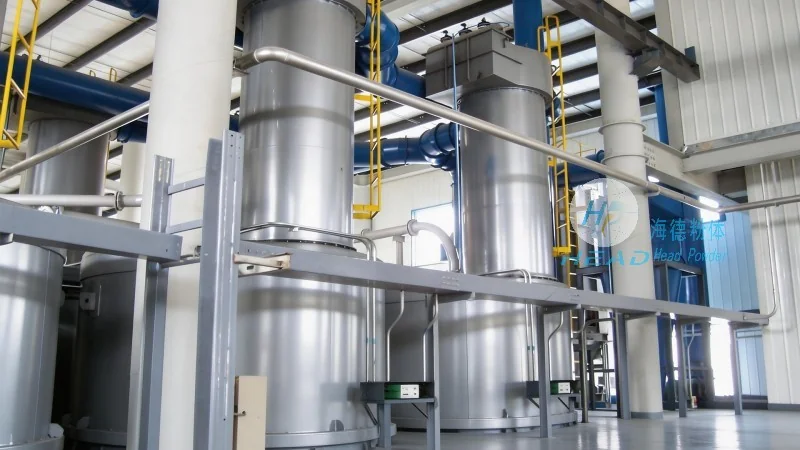
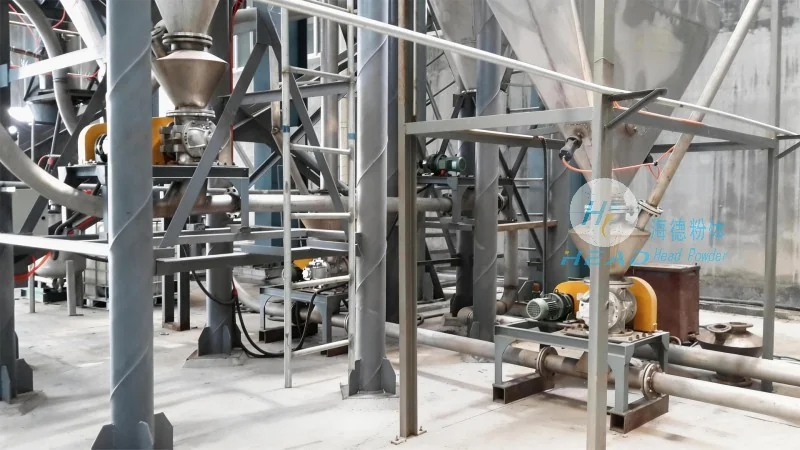
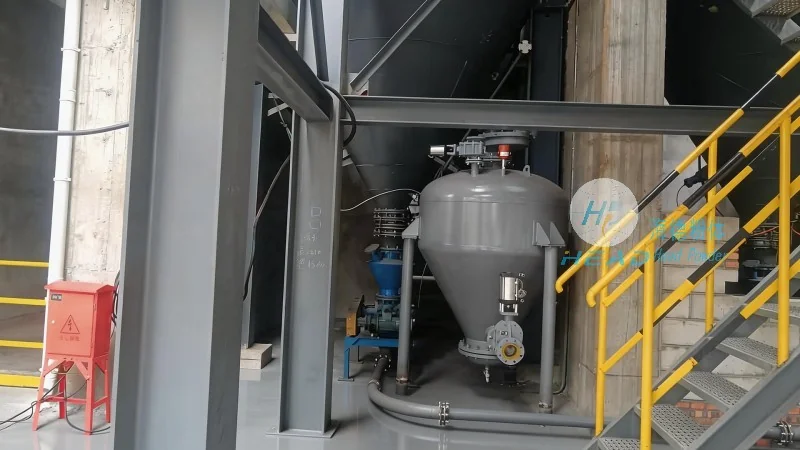
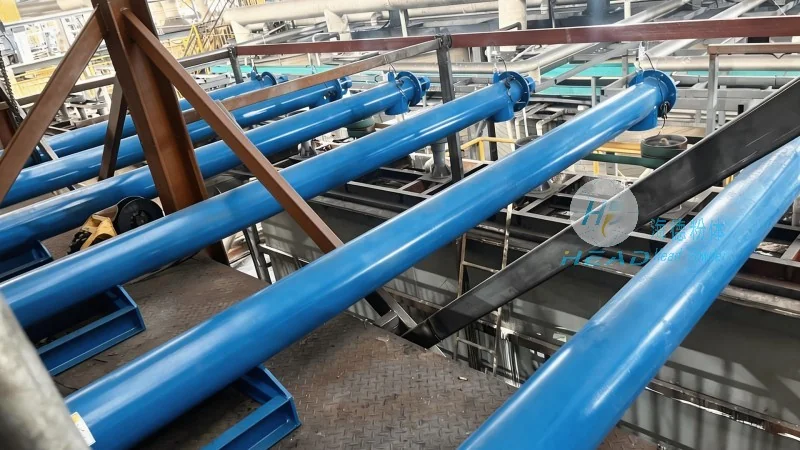
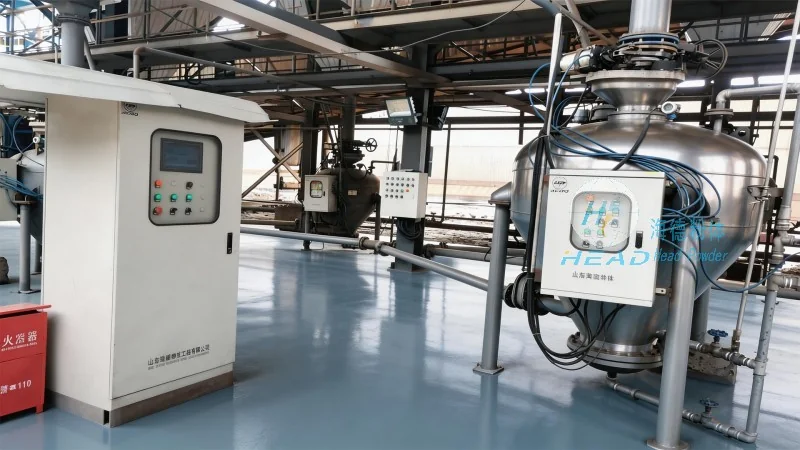
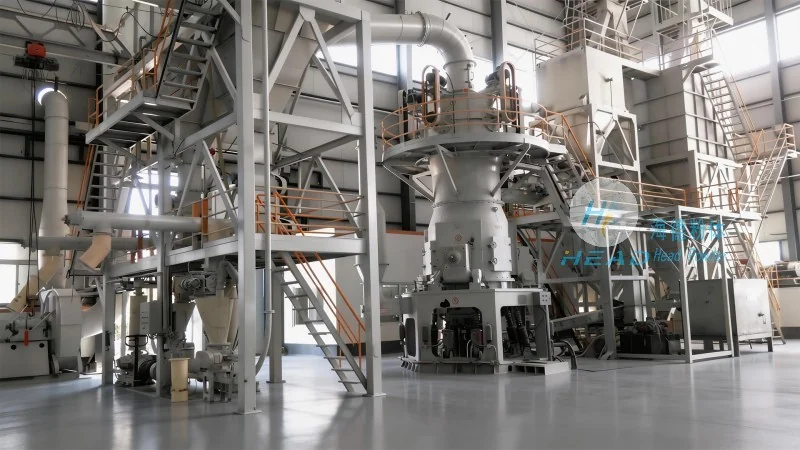
At the core of modern material handling lies the mineral powder pneumatic conveying system. This technology utilizes air pressure or vacuum to transport powdered materials through a closed pipeline network, ensuring that the material remains isolated from the external environment. Unlike traditional belt conveyors or screw feeders, pneumatic systems offer superior sealing capabilities, effectively eliminating dust leakage and preventing cross-contamination between different material batches. These systems are engineered to handle a wide variety of mineral powders, including limestone, gypsum, cement, and various metal powders, adapting to the specific density and flow characteristics of each substance.
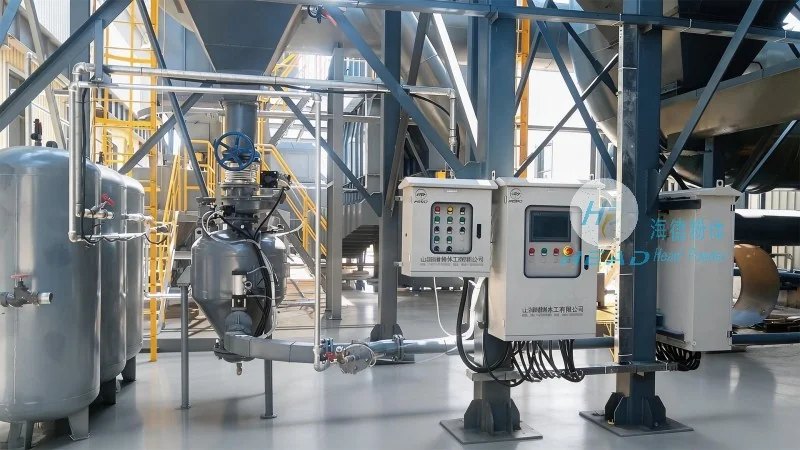
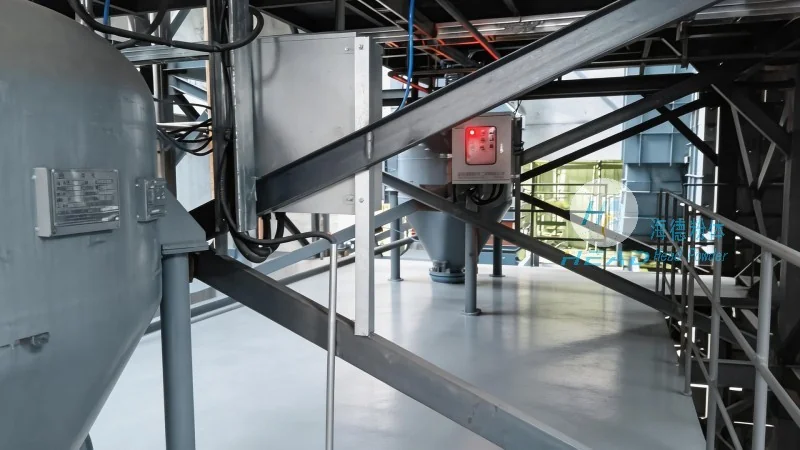
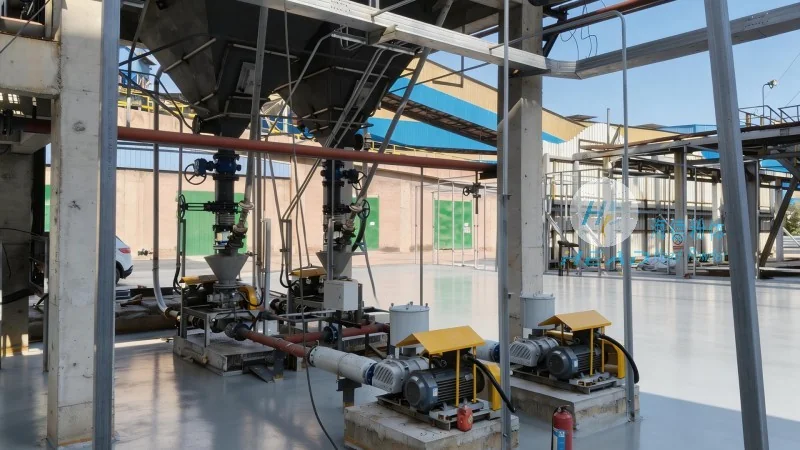
A well-designed mineral powder pneumatic conveying system integrates sophisticated components such as high-pressure blowers, rotary valves, and filtration units. The control logic is often automated, allowing for precise regulation of flow rates and pressure levels to match the requirements of the receiving equipment. This automation reduces the need for manual intervention, thereby lowering labor costs and reducing the risk of human error. Furthermore, the enclosed nature of the system protects the mineral powder from moisture absorption and environmental degradation, preserving the quality of the raw material throughout the transport process. By investing in a high-quality system, manufacturers can achieve a cleaner, safer, and more efficient production line.
Every industrial facility has a unique layout, specific production capacity targets, and distinct material handling requirements. A one-size-fits-all approach is rarely effective in the field of mineral processing. Therefore, the development of a customized mineral powder pneumatic conveying scheme is essential for optimal performance. A professional engineering team will conduct a thorough analysis of the client's site, evaluating factors such as the distance between equipment, vertical and horizontal pipe runs, and the specific properties of the mineral powder being handled.
The creation of a tailored mineral powder pneumatic conveying scheme involves the strategic selection of conveying modes, whether dilute-phase, dense-phase, or vacuum conveying, based on the material's characteristics and the distance it needs to travel. Engineers will design the piping layout to minimize pressure drops and optimize energy consumption. This customization extends to the control systems as well, where specific interface requirements with existing production lines are met. By providing a bespoke solution, the scheme ensures that the system operates at peak efficiency, reducing energy costs and extending the service life of the equipment. This approach guarantees that the mineral powder is transported not just from point A to point B, but in a manner that integrates perfectly with the client's overall production goals.
Choosing the right partner for material handling equipment is as important as the design of the system itself. A reputable mineral powder pneumatic conveying manufacturer provides not only the machinery but also the expertise and support necessary for long-term success. Shandong Headpowder Engineering Co., Ltd. stands out as a dedicated entity in this field, committed to delivering high-quality engineering solutions. As a specialized manufacturer, the company focuses on the research, development, and production of advanced pneumatic conveying equipment tailored for the mineral industry.
Being a leading mineral powder pneumatic conveying manufacturer means adhering to strict quality control standards and utilizing advanced manufacturing technologies. The company’s facility in Shandong, China, is equipped with state-of-the-art machinery that allows for the precise fabrication of components, ensuring durability and reliability under high-pressure conditions. The team comprises experienced engineers who understand the nuances of mineral processing and can provide technical support ranging from initial consultation to after-sales service. By partnering with a professional manufacturer like Headpowder, clients gain access to innovative solutions that are built to withstand the rigors of industrial operation, ensuring consistent performance and peace of mind.
Headquartered in Shandong, China, Shandong Headpowder Engineering Co., Ltd. is a prominent player in the field of industrial automation and material handling. The company is dedicated to providing comprehensive engineering services that bridge the gap between complex technical requirements and practical, efficient solutions. The company’s expertise encompasses the entire spectrum of pneumatic conveying, from initial system design and equipment manufacturing to installation and commissioning.
The company’s operations are driven by a philosophy of innovation and customer-centric service. They understand that the mineral powder handling process is a critical link in the supply chain, and any disruption can have significant economic consequences. Consequently, Shandong Headpowder Engineering Co., Ltd. invests heavily in research and development to improve the efficiency and reliability of their systems. Their portfolio includes a wide range of products designed to meet the diverse needs of the mining, cement, and chemical industries. With a strong presence in the Chinese market and a reputation for quality, the company continues to expand its capabilities, serving clients both domestically and internationally with engineering excellence.
For those seeking to optimize their mineral powder handling processes, direct engagement with experienced professionals is the first step toward a more efficient operation. Whether you require a complete system overhaul or a specific component upgrade, the engineering team is ready to assist. The company prides itself on its ability to listen to client needs and provide technical advice that leads to the best possible outcome.
If you are interested in discussing your specific project requirements or wish to learn more about their capabilities, please feel free to contact the sales department. You may reach out to Mr. Zhang, the contact person, who will be happy to provide detailed information and support. To initiate the conversation, please add their WeChat: 15662777102. The team at Shandong Headpowder Engineering Co., Ltd. looks forward to collaborating with you to create a robust and efficient mineral powder handling system.

 Shandong Headpowder Engineering Co., Ltd.
 156-6277-7102(Manager Zhang)
  0531-83386006
  Zhangqiu District, Jinan City, Shandong Province, China
telephone
WeChatconsult
top