With more than 10‑year industry experience, Shandong Headpowder delivers full‑service pneumatic‑conveying systems and blowers, undertaking nationwide turn‑key powder‑handling projects.
In the realm of advanced chemical processing, the handling of ultrafine powders presents a unique set of engineering challenges that distinguish it from standard bulk material transport. A prime example of this complexity is the recent project undertaken for a chemical client in Seoul, South Korea. This case study highlights the critical need for specialized pneumatic conveying systems capable of preventing powder agglomeration and ensuring consistent flow. The solution provided by Shandong Headpowder Engineering Co., Ltd. demonstrates how targeted engineering can overcome the physical limitations of fine particulate matter in industrial environments.
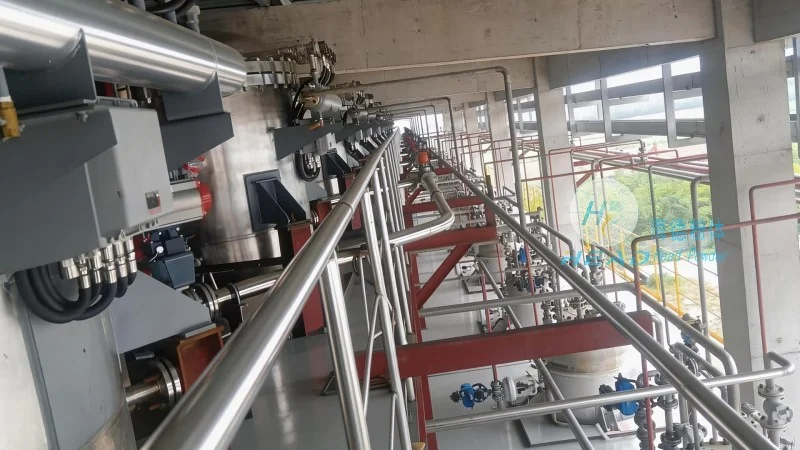
The primary hurdle in transporting ultrafine powders is their high specific surface area, which leads to significant cohesive forces between particles. In the Seoul project, the client faced severe issues with material bridging and caking within storage silos and transfer hoppers. These blockages not only disrupted production schedules but also posed safety risks and increased maintenance costs. To address this, the engineering team had to design a system that maintained a controlled atmosphere and utilized specific fluidization techniques to keep the powder in a free-flowing state throughout the entire transfer process.
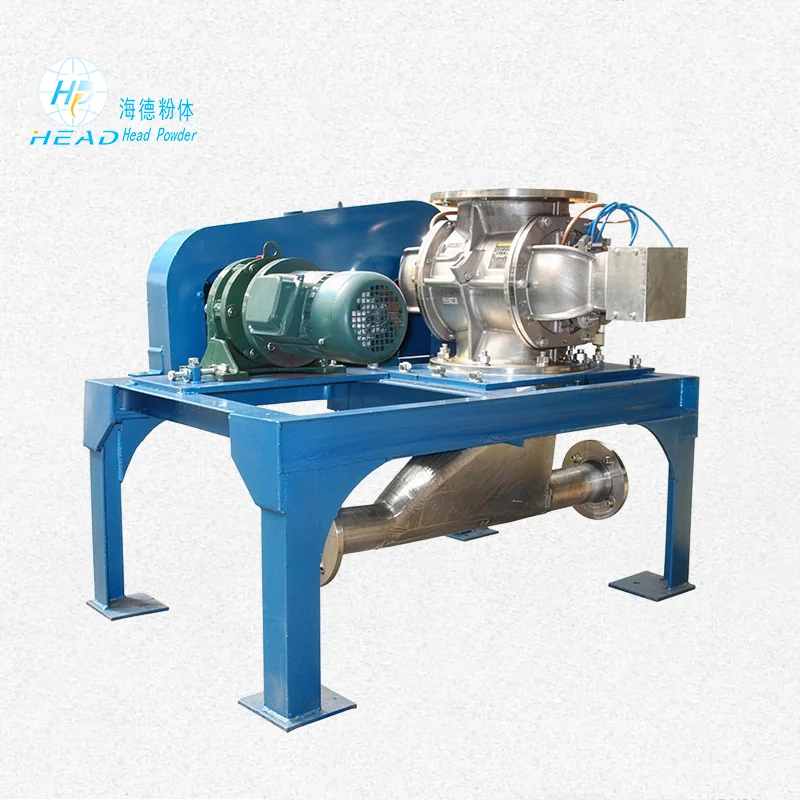
Shandong Headpowder Engineering Co., Ltd. specialized in implementing cutting-edge anti-caking mechanisms within their pneumatic conveying systems. The core of this technology involves the precise regulation of air pressure and flow dynamics. By utilizing a pulse-jet cleaning system and a specialized airlock feeder, the system ensures that the powder is gently fluidized without generating excessive shear forces that could induce static electricity—a common cause of powder clumping.
The system design incorporated a dual-circuit air supply. One circuit handled the primary transport air, while the second circuit managed the pre-fluidization of the powder in the storage vessel. This separation of duties allowed for the maintenance of optimal moisture levels and temperature, both of which are critical factors in preventing the chemical bonding of ultrafine particles. The result was a seamless transfer process where the powder remained as a distinct, non-agglomerated stream from the source hopper to the final destination vessel.
The requirements for material handling in East Asia are often driven by high-density industrial output and stringent environmental regulations. This Seoul chemical plant case serves as a benchmark for high-efficiency operations in the region. The implementation of a robust pneumatic conveying solution is not merely about moving material from point A to point B; it is about integrating into a larger ecosystem of safety and efficiency. Shandong Headpowder Engineering Co., Ltd. tailored the system to meet the specific throughput demands of the Korean market, ensuring that the equipment could withstand high cycle rates without compromising the integrity of the powder.
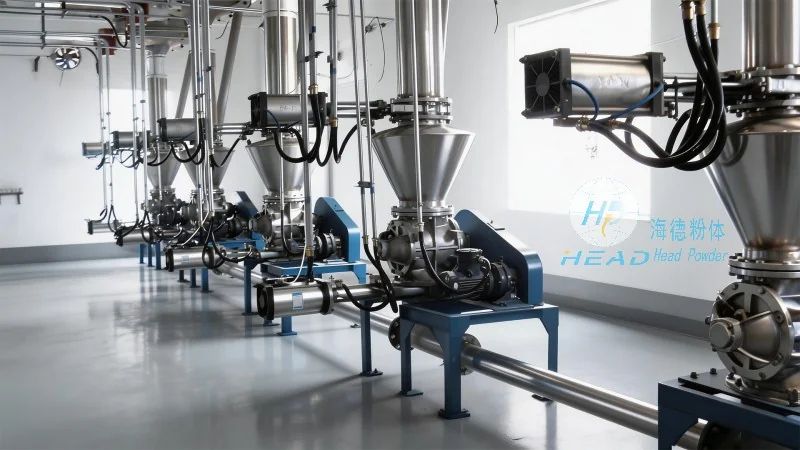
Furthermore, the project emphasized the importance of dust containment. In pneumatic conveying, especially with fine powders, fugitive dust is a major concern. The system designed by Headpowder Engineering utilized closed-loop piping and specialized rotary valves to eliminate leakage points. This adherence to environmental standards is a hallmark of modern East Asian pneumatic conveying projects, ensuring that the process is not only efficient but also compliant with global safety codes.
This successful deployment stands as a definitive pneumatic conveying case study for the chemical industry. It illustrates the transition from traditional mechanical conveying methods, which are prone to clogging with fine materials, to modern pneumatic solutions. The analysis of this case reveals several key performance indicators (KPIs) that were significantly improved, including a reduction in downtime by over 30% and a marked increase in the accuracy of material dosing.
The engineering team at Shandong Headpowder Engineering Co., Ltd. conducted extensive simulations before the physical installation. These simulations predicted the behavior of the ultrafine powder under various pressure conditions, allowing for the optimization of the pipe diameter and the selection of the correct conveying velocity. This data-driven approach minimized the risk of pipeline blockages and ensured that the system operated at peak energy efficiency.
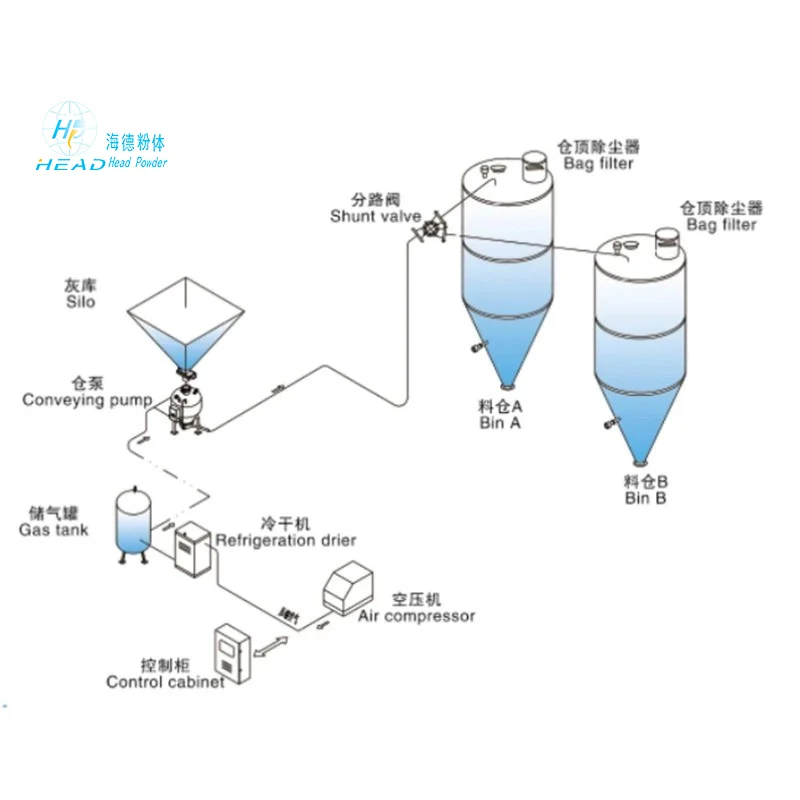
The architecture of the Seoul project featured a vacuum-based pneumatic conveying system, which is particularly effective for fragile powders. The system was equipped with a high-efficiency dust separator to protect the vacuum pump and ensure the purity of the conveyed product. The piping network was designed with smooth bends and minimal elevation changes to reduce the pressure drop, which is a critical factor when transporting fine particles that tend to settle.
One of the standout features of this installation was the automated control panel. It provided real-time monitoring of pressure differentials and flow rates. If the system detected a potential blockage caused by powder caking, it could automatically adjust the air flow or trigger a pulse-jet cleaning cycle to dislodge the material. This level of automation is essential for maintaining continuous operation in a chemical plant environment.
Shandong Headpowder Engineering Co., Ltd. has established itself as a premier provider of bulk material handling solutions, particularly in the niche of ultrafine powder handling. Located in Shandong, China, the company leverages its strategic location and access to advanced manufacturing capabilities to deliver high-quality systems to clients worldwide, including those in South Korea. The company’s portfolio is built on decades of experience in designing, manufacturing, and installing complex pneumatic conveying systems.
The company’s engineering philosophy centers on reliability and innovation. By combining traditional mechanical principles with modern control technologies, Headpowder Engineering creates systems that are not only robust but also adaptable to the specific chemical properties of the materials being transported. Their commitment to quality is evident in every component used in their systems, from the airlocks to the filtration units.
The feedback from the Seoul chemical client was overwhelmingly positive regarding the performance of the Headpowder Engineering system. The elimination of powder caking issues transformed the material handling workflow, allowing for more predictable production cycles. The client noted that the system's ability to handle the ultrafine powder without degradation was a major factor in their operational success.
Moreover, the system’s low maintenance requirements meant that the client could allocate resources more effectively. The durability of the components, such as the wear-resistant liners and the precision valves, ensured that the system remained operational for extended periods with minimal intervention. This reliability is a testament to the rigorous testing and quality assurance processes employed by Shandong Headpowder Engineering Co., Ltd.
Investing in a specialized pneumatic conveying system is crucial for any facility dealing with ultrafine powders. The risks associated with manual handling or inadequate mechanical conveyors are too high to ignore. A professional system like the one provided by Headpowder Engineering ensures that the product quality is preserved, the workplace environment remains safe, and the production efficiency is maximized.
The Seoul project serves as a model for how to approach the challenges of fine powder transport. It highlights the importance of choosing a partner that understands the nuances of material science and engineering. Shandong Headpowder Engineering Co., Ltd. offers the expertise and technical capability to tackle even the most difficult powder handling challenges.
For companies facing similar challenges in powder handling, Shandong Headpowder Engineering Co., Ltd. is ready to provide expert consultation and customized solutions. The company’s team of engineers is experienced in analyzing specific material properties and designing systems that address unique operational needs.
If you are interested in learning more about how a tailored pneumatic conveying system can improve your facility's efficiency, please contact the project manager directly. Zhang Manager is available to discuss your requirements and provide detailed technical proposals. You can reach them via WeChat at 15662777102.
Shandong Headpowder Engineering Co., Ltd. is located in Shandong, China, and serves a global clientele. Whether you are in the chemical, pharmaceutical, or food processing industries, their comprehensive range of pneumatic conveying solutions is designed to meet the highest standards of quality and performance. Do not let powder handling inefficiencies hinder your production; contact Headpowder Engineering today to optimize your material flow.

 Shandong Headpowder Engineering Co., Ltd.
 156-6277-7102(Manager Zhang)
  0531-83386006
  Zhangqiu District, Jinan City, Shandong Province, China
telephone
WeChatconsult
top