With more than 10‑year industry experience, Shandong Headpowder delivers full‑service pneumatic‑conveying systems and blowers, undertaking nationwide turn‑key powder‑handling projects.
High-temperature fine ash, a byproduct commonly generated in industrial processes such as power generation and metallurgy, requires efficient and reliable conveying systems to ensure safe and effective material handling. The selection of an appropriate conveying method is critical for optimizing operational efficiency, minimizing environmental impact, and maintaining system longevity. This article provides a detailed comparison of common high-temperature fine ash conveying methods, analyzing their respective advantages and disadvantages to assist industrial operators in making informed decisions.
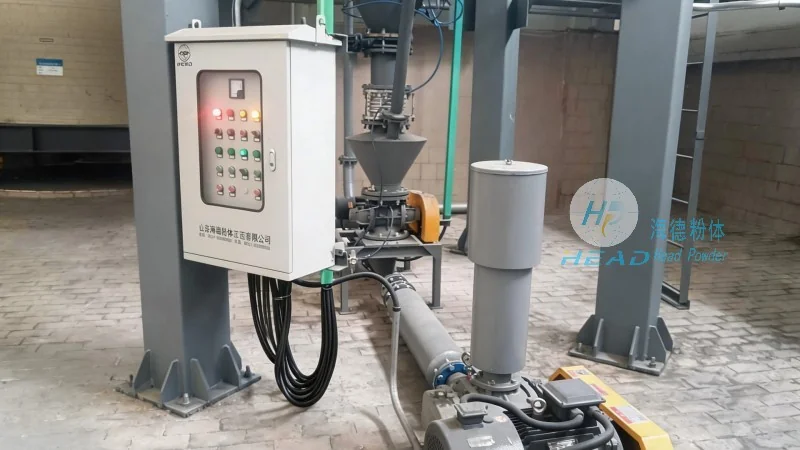
Before delving into specific conveying technologies, it is essential to understand the unique challenges posed by high-temperature fine ash. These materials often exhibit high moisture content, abrasive properties, and the potential to release toxic or corrosive gases when exposed to air. Additionally, the high temperature of the ash can cause thermal stress on conveying equipment, necessitating specialized materials and design considerations. Effective conveying solutions must address these challenges while ensuring compliance with environmental regulations and operational safety standards.
Several conveying methods are widely used for handling high-temperature fine ash, each with distinct characteristics and suitability for different industrial applications. The primary methods include pneumatic conveying, mechanical screw conveyors, and hydraulic systems. Each method has its own set of advantages and limitations, which are discussed below.
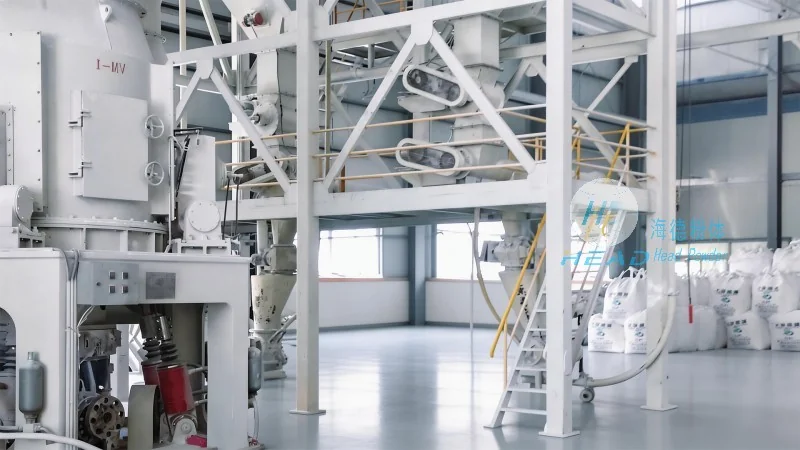
Pneumatic conveying, also known as air-pneumatic transport, utilizes compressed air to transport fine ash particles through a pipeline. This method is particularly effective for handling dry, non-abrasive materials at moderate temperatures. The key advantages of pneumatic conveying include its ability to transport materials over long distances, its relatively low maintenance requirements, and its suitability for applications where dust control is critical. However, pneumatic systems may face challenges when dealing with high-temperature ash, as the air temperature can rise significantly, reducing the conveying efficiency and potentially causing equipment damage. Moreover, the high pressure and velocity of air can lead to increased energy consumption and higher operational costs. For high-temperature applications, specialized designs such as heated pipelines and insulated components are often required to maintain system performance.
Mechanical screw conveyors, also known as auger conveyors, use a rotating screw to move fine ash through a trough or pipe. This method is widely used for handling bulk materials, including high-temperature ash, due to its simplicity and reliability. The primary advantages of screw conveyors include their ability to handle abrasive and corrosive materials, their low energy consumption compared to pneumatic systems, and their suitability for vertical and horizontal conveying. Screw conveyors are particularly effective for applications where the ash is relatively dry and free-flowing. However, their limitations include the risk of material bridging and blockage, especially with fine or sticky ash particles. Additionally, screw conveyors may experience wear and tear more rapidly than other systems due to the abrasive nature of the material, leading to higher maintenance costs over time. For high-temperature applications, the screw and trough must be constructed from heat-resistant materials to prevent deformation and ensure long-term durability.
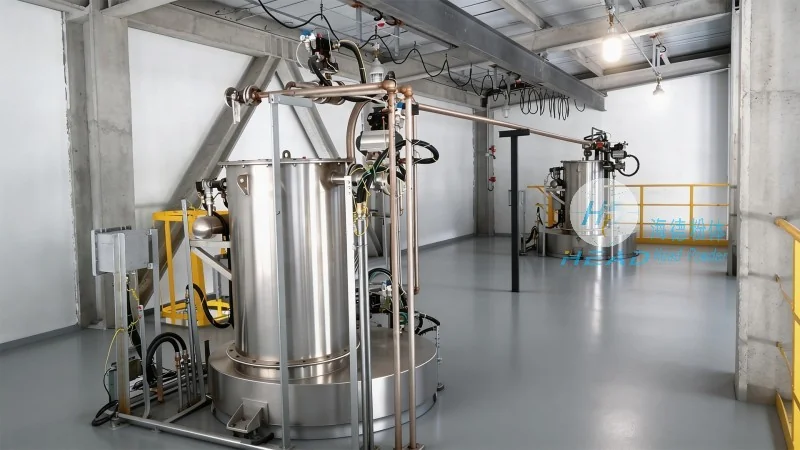
Hydraulic conveying systems use a liquid medium, typically water or a specialized fluid, to transport fine ash particles. This method is commonly employed in applications where the ash is mixed with water, such as in flue gas desulfurization processes. The main advantages of hydraulic systems include their ability to handle high volumes of material, their effectiveness in controlling dust emissions, and their suitability for applications requiring wet material handling. However, hydraulic systems have significant drawbacks, including high energy consumption due to the need to pump the liquid medium, the risk of corrosion and scaling in the system, and the requirement for extensive filtration and treatment to prevent environmental contamination. Additionally, hydraulic systems are less efficient for transporting dry ash and may not be suitable for applications where the ash needs to be handled in a dry state.
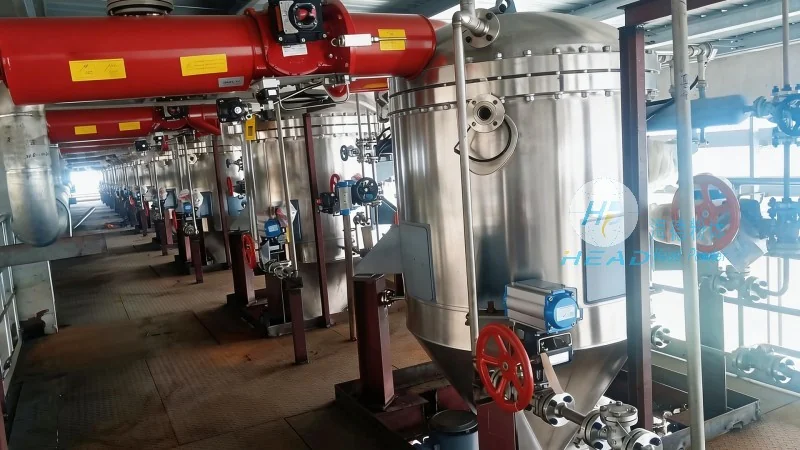
When selecting a high-temperature fine ash conveying method, several factors must be considered to ensure optimal performance and cost-effectiveness. These factors include the material characteristics (e.g., temperature, moisture content, abrasiveness), the conveying distance and layout, the required material flow rate, and the environmental and safety regulations. Pneumatic systems are generally preferred for long-distance, dry material transport, while screw conveyors are more suitable for short to medium distances and abrasive materials. Hydraulic systems are typically used for wet ash handling and high-volume applications. The choice of system also depends on the available space, maintenance capabilities, and initial investment costs. Industrial operators should conduct a thorough analysis of these factors to determine the most appropriate conveying method for their specific needs.
Shandong HeadPowder Engineering Co., Ltd., a leading provider of industrial conveying solutions, specializes in designing and manufacturing customized high-temperature fine ash conveying systems. With years of experience in the industry, HeadPowder has developed advanced technologies and materials to address the unique challenges of handling high-temperature ash. The company's expertise includes the design of specialized pneumatic systems with heated pipelines and insulated components, as well as robust mechanical screw conveyors constructed from heat-resistant materials. HeadPowder's hydraulic systems are engineered to handle wet ash while minimizing environmental impact. The company's team of engineers works closely with clients to understand their specific requirements and provide tailored solutions that meet operational, safety, and regulatory standards. By leveraging their expertise and innovative designs, HeadPowder helps industrial facilities optimize their fine ash handling processes, reduce operational costs, and enhance overall efficiency.

 Shandong Headpowder Engineering Co., Ltd.
 156-6277-7102(Manager Zhang)
  0531-83386006
  Zhangqiu District, Jinan City, Shandong Province, China
telephone
WeChatconsult
top