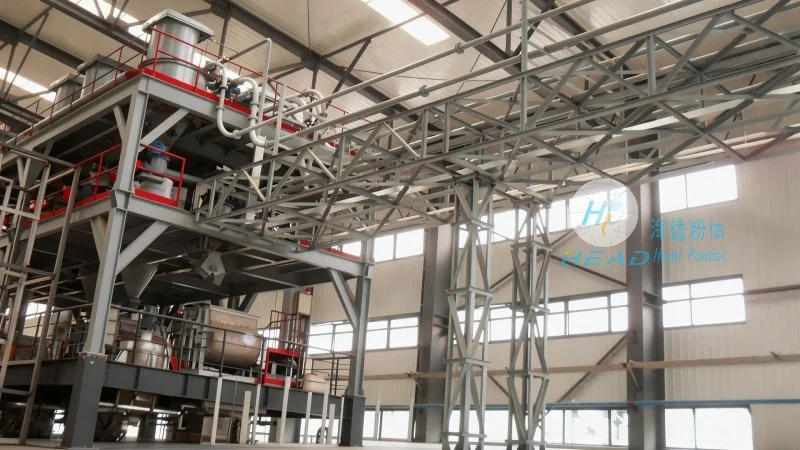
With more than 10‑year industry experience, Shandong Headpowder delivers full‑service pneumatic‑conveying systems and blowers, undertaking nationwide turn‑key powder‑handling projects.
Polyoxymethylene (POM) is a high-performance engineering plastic widely used in precision manufacturing due to its excellent mechanical properties, low friction coefficient, and dimensional stability. When POM is processed into powder form for further compounding or molding, handling it becomes a critical engineering challenge. Unlike bulk materials, POM powder is prone to electrostatic accumulation and poses significant dust explosion risks. Therefore, a specialized approach is required to ensure safe, continuous, and efficient material transfer. This is where professional pneumatic conveying technology becomes indispensable for modern industrial facilities.
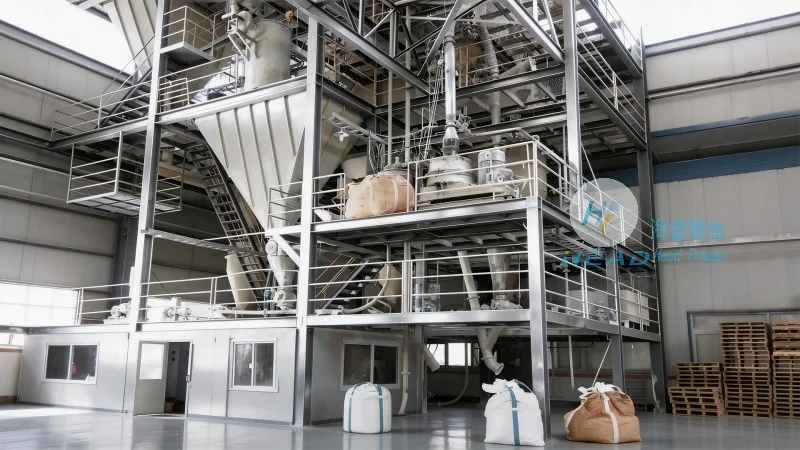
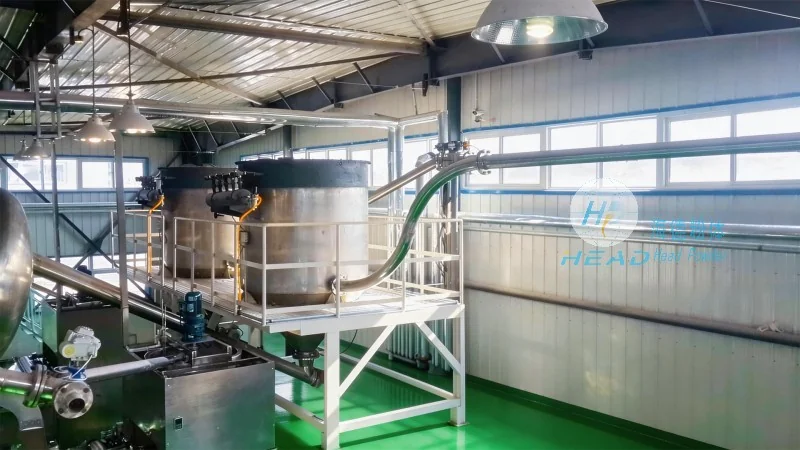
Every manufacturing facility has unique spatial constraints, production capacities, and material characteristics. A one-size-fits-all solution rarely meets the rigorous demands of POM powder handling. At Headpowder, we specialize in providing tailored POM powder pneumatic conveying solution designs that align perfectly with our clients' specific operational needs. Our engineering team conducts thorough site surveys to analyze factors such as pipeline layout, material flowability, and available power sources.
Customization in this context involves selecting the appropriate conveying mode, whether it is dilute-phase or dense-phase, to minimize product degradation and wear. For POM powder, which is relatively brittle, we often recommend dense-phase systems that utilize low-velocity conveying to reduce impact on the powder particles. Furthermore, our solutions are designed to integrate seamlessly with existing production lines, ensuring minimal downtime during installation and operation. By focusing on the specific nuances of the client's environment, we ensure that the POM powder pneumatic conveying solution delivers optimal performance and reliability.
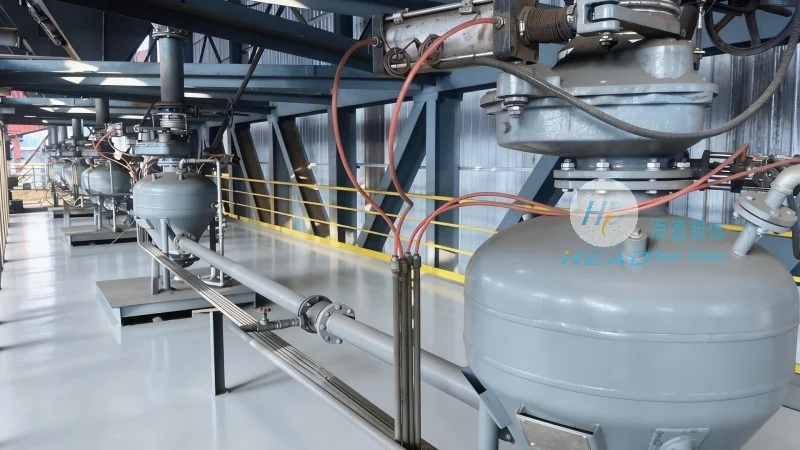
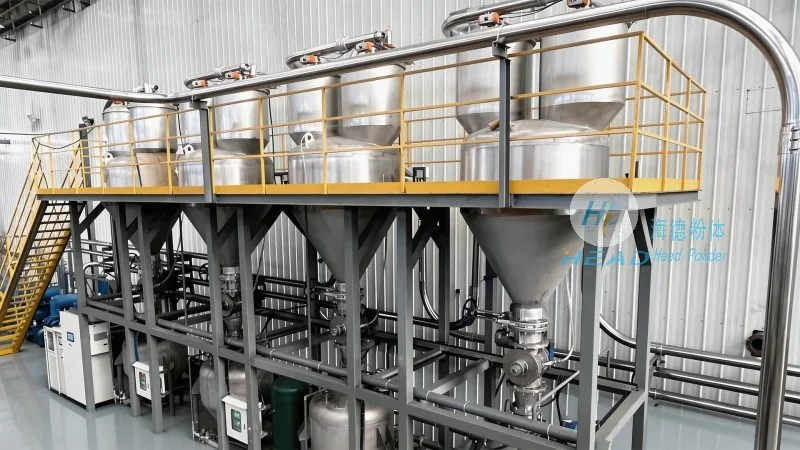
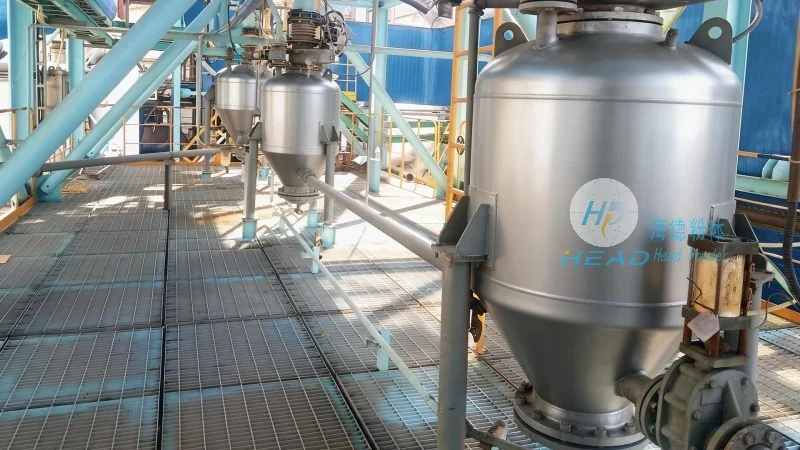
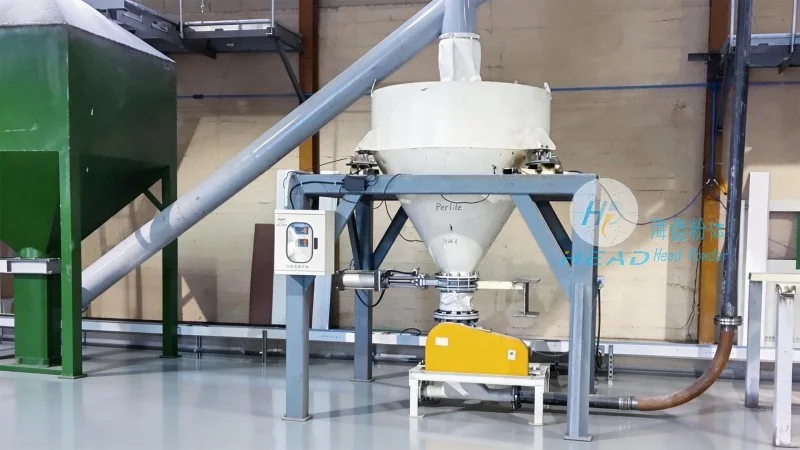
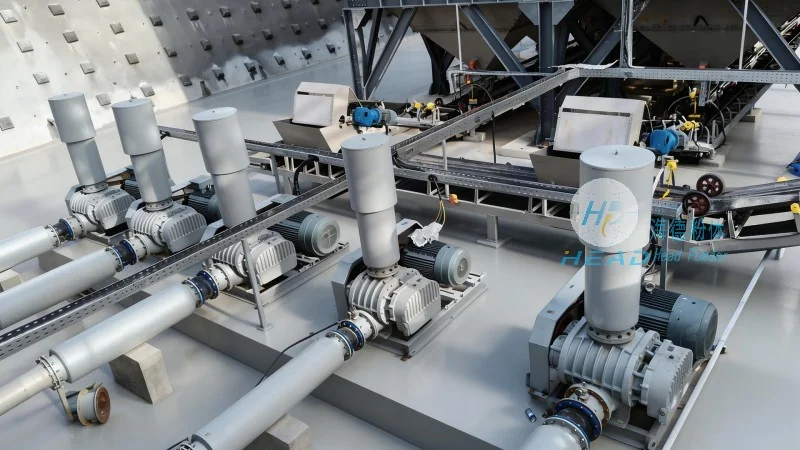
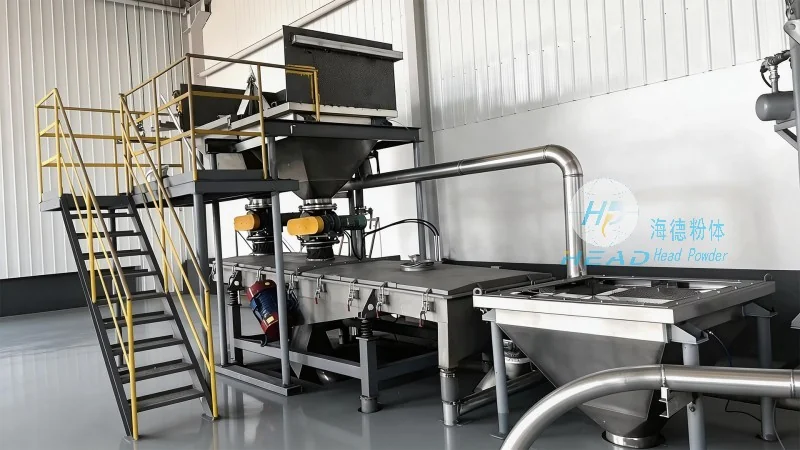
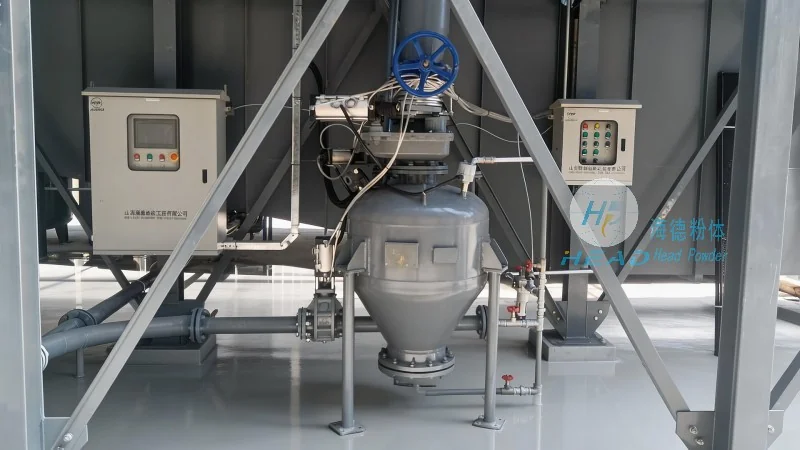
The backbone of any efficient material handling operation is the machinery used to move the product. As a leading POM powder pneumatic conveying manufacturer, Headpowder engineers and fabricates high-quality POM powder conveying system equipment designed to withstand the harsh conditions of industrial processing. Our equipment portfolio includes robust vacuum pumps, air compressors, rotary valves, and specialized feeders.
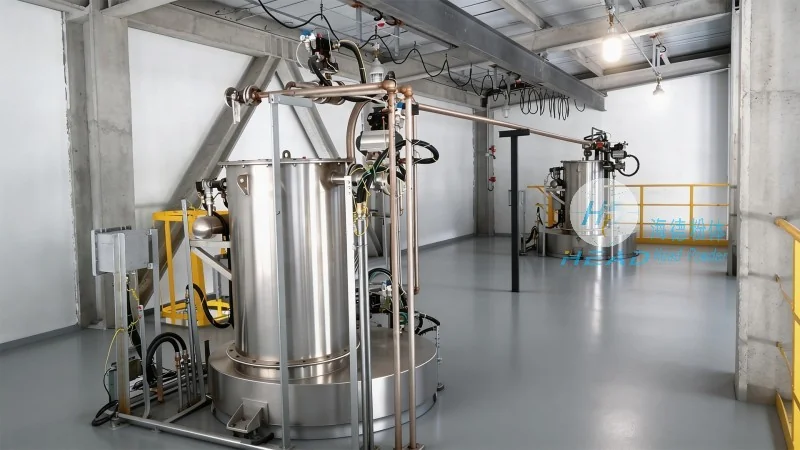
Our manufacturing process adheres to strict quality control standards to ensure that every component is built for durability. Key equipment in our systems includes explosion-proof filters, cyclone separators, and automatic cleaning systems that prevent clogging—a common issue with fine polymer powders. We utilize wear-resistant materials and precise engineering tolerances to extend the service life of the system. Whether the requirement is for a small-scale batch feeder or a large-scale continuous transfer line, our POM powder conveying system equipment provides the necessary power and precision to maintain consistent material flow.
Located in Shandong, China, Shandong Headpowder Engineering Co., Ltd. has established itself as a premier entity in the field of powder handling technology. We are not just a supplier; we are a comprehensive engineering partner dedicated to solving complex material transfer problems. Our expertise lies in bridging the gap between theoretical engineering principles and practical, on-site application.
Our team comprises experienced mechanical engineers and industry veterans who understand the intricacies of polymer processing. We pride ourselves on our ability to provide end-to-end services, from initial concept design and 3D modeling to factory installation and after-sales technical support. Our presence in Shandong, a hub for industrial manufacturing, allows us to leverage advanced local resources and logistics to serve clients efficiently. By choosing Headpowder, clients gain access to a dedicated team that prioritizes safety, efficiency, and technological innovation in every project.
Handling POM powder requires strict adherence to safety protocols, particularly regarding dust explosion prevention. Our systems are engineered with these risks in mind, incorporating features such as grounding straps, inert gas purging options, and explosion-proof electrical components. The design of our POM powder pneumatic conveying solution ensures that the system remains safe even under high-pressure conditions.
Efficiency is another cornerstone of our design philosophy. We utilize advanced control systems that allow for real-time monitoring of pressure, flow rate, and filter status. This automation reduces the need for manual intervention, thereby increasing the overall productivity of the plant. The POM powder conveying system equipment we provide is also designed for easy maintenance, with accessible service points and modular components that simplify repairs and parts replacement.
For businesses looking to upgrade their material handling capabilities or require a new installation, Headpowder is ready to assist. Our commitment to quality and customer satisfaction has made us a trusted name in the industry. If you are interested in discussing your specific requirements or need a detailed quote for a custom system, please do not hesitate to reach out.
You can contact our project manager, Mr. Zhang, for direct consultation. We highly recommend communicating via WeChat for the fastest response time. Please scan the QR code or add the contact number 15662777102 to connect with our team. Shandong Headpowder Engineering Co., Ltd. looks forward to collaborating with you to achieve superior material handling results.

 Shandong Headpowder Engineering Co., Ltd.
 156-6277-7102(Manager Zhang)
  0531-83386006
  Zhangqiu District, Jinan City, Shandong Province, China
telephone
WeChatconsult
top