With more than 10‑year industry experience, Shandong Headpowder delivers full‑service pneumatic‑conveying systems and blowers, undertaking nationwide turn‑key powder‑handling projects.
Handling fine powder materials like ferrous sulfate requires specialized engineering to ensure operational efficiency and safety. Iron sulfate powder, often utilized in agriculture, water treatment, and animal feed production, presents unique challenges due to its flowability and potential for dust generation. To address these challenges, the industry relies on advanced material handling technologies. A professional iron sulfate powder pneumatic conveying manufacturer provides the expertise necessary to design systems that handle these powders smoothly, minimizing dust pollution and ensuring a consistent supply chain. The transition from traditional mechanical conveyors to pneumatic systems has revolutionized how bulk powders are transported, offering a cleaner and more reliable method for industrial applications.
Before selecting a material handling solution, it is crucial to understand the specific physical properties of the iron sulfate powder. This material is typically hygroscopic and can clump under certain humidity conditions. Therefore, the iron sulfate powder pneumatic conveying scheme must account for moisture control and material dispersion. A robust system must prevent clogging and ensure that the powder remains suspended in the air stream without degradation. The design process involves analyzing the flow properties of the powder to determine the optimal air-to-material ratio, ensuring that the material moves at the desired velocity without causing excessive wear on the system components or creating dust explosions.
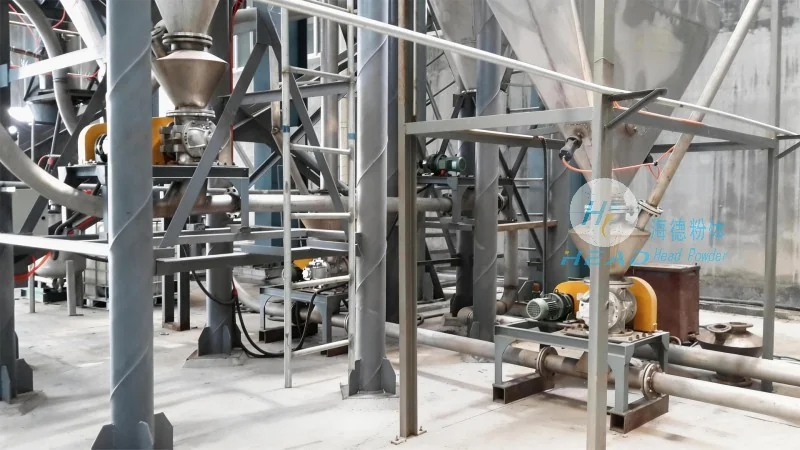
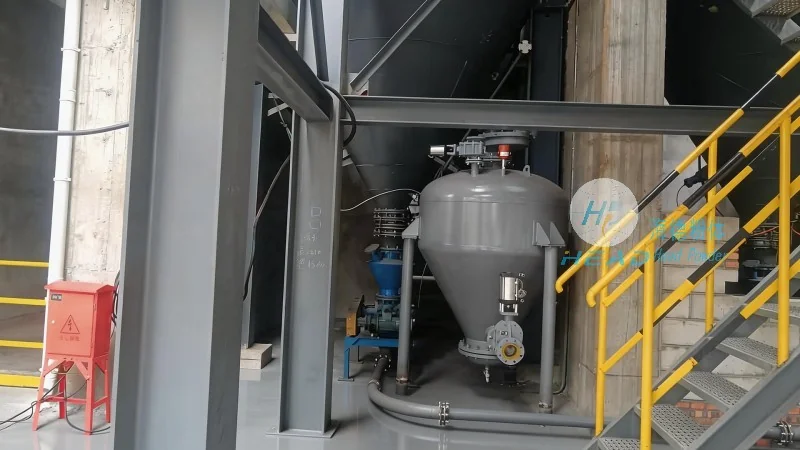
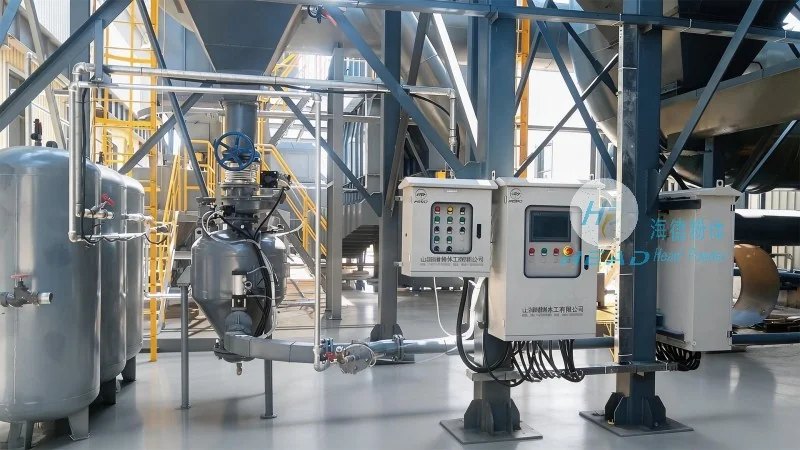
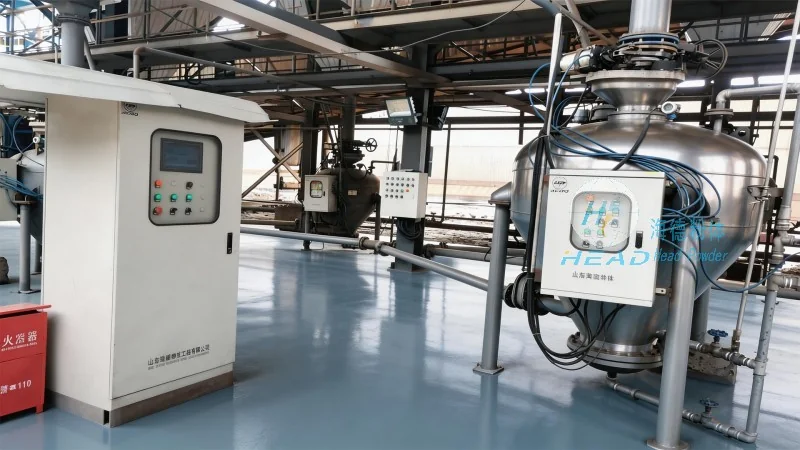
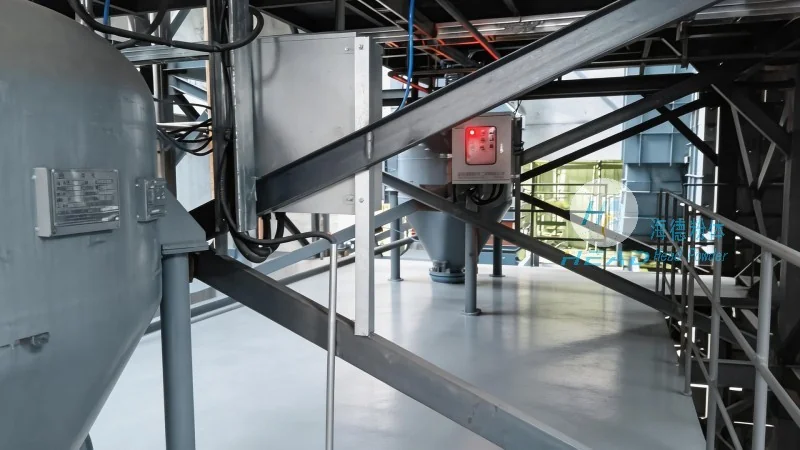
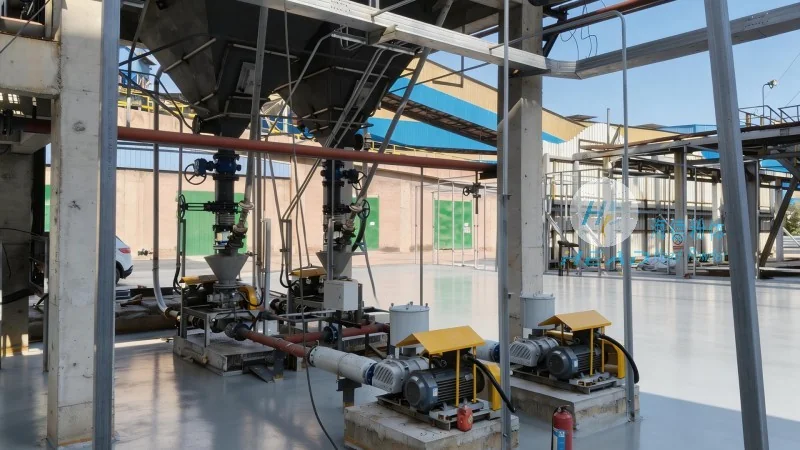
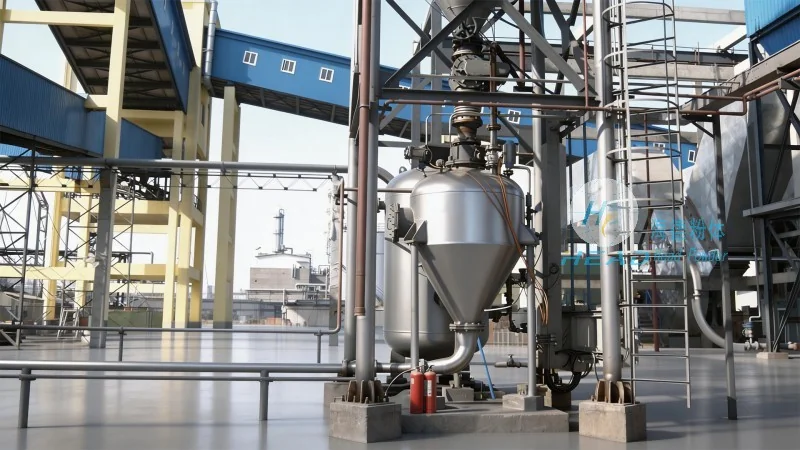
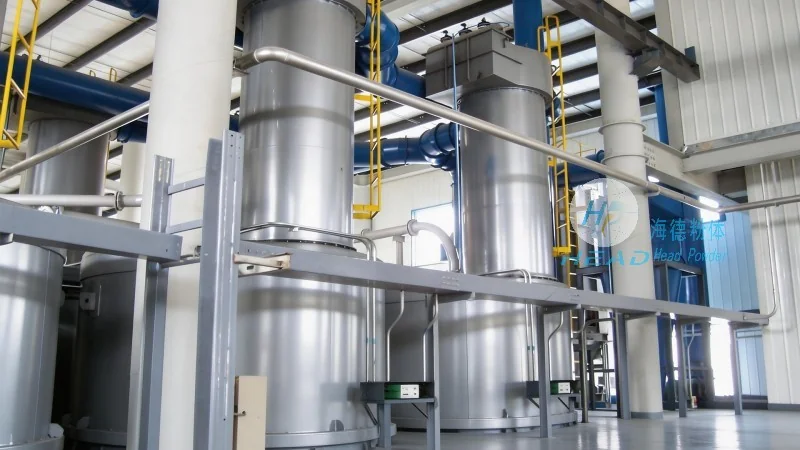
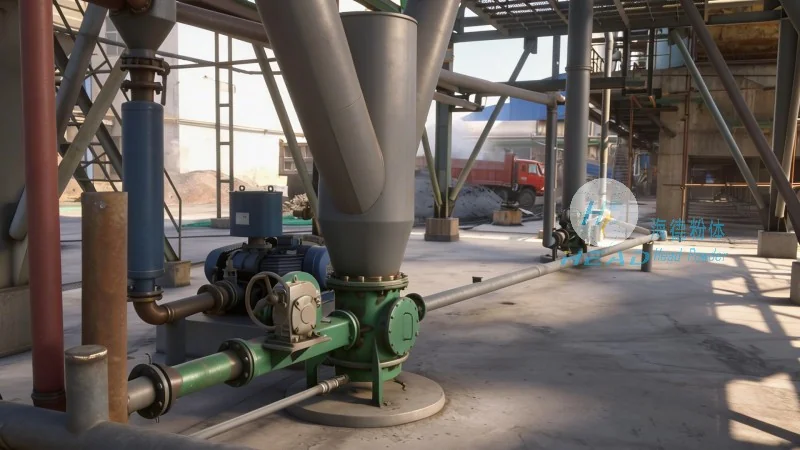
A complete iron sulfate powder conveying system is composed of several critical components working in unison. The primary equipment includes a vacuum generator or a positive pressure blower, which creates the necessary airflow. For iron sulfate powder, which is relatively light and fine, a dilute phase system is often employed. This system uses a high volume of low-pressure air to carry the powder through a network of pipelines. Key accessories include rotary valves, which feed the material into the pipeline, and filters that separate the powder from the air at the destination point. High-quality filters are essential to prevent the release of fine particulates into the environment, ensuring compliance with environmental safety standards.
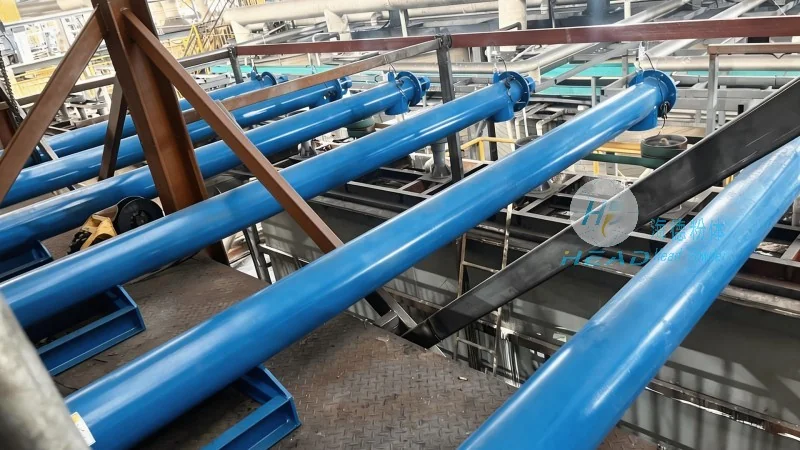
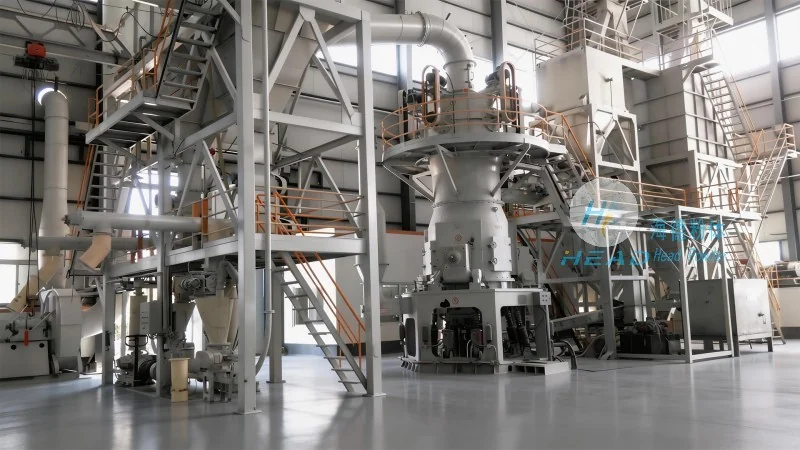
Every facility has unique spatial constraints, production capacities, and material handling goals. Therefore, a one-size-fits-all approach is rarely effective. As a leading iron sulfate powder pneumatic conveying manufacturer, Shandong Headpowder Engineering Co., Ltd. specializes in creating bespoke solutions tailored to the client's specific needs. Whether the requirement is for a vertical lift, a long-distance horizontal transport, or a complex multi-point distribution system, the engineering team designs a configuration that maximizes throughput while minimizing energy consumption. Customization also extends to the choice of materials for the pipeline, ensuring that the system is resistant to corrosion and abrasion caused by the chemical properties of the iron sulfate.
Implementing a modern pneumatic conveying system offers significant advantages over traditional screw conveyors or belt systems. The enclosed nature of the pneumatic transport eliminates dust exposure for workers, creating a safer and healthier work environment. Furthermore, the system is less prone to material degradation compared to mechanical methods, which is vital for maintaining the quality of the iron sulfate powder. Maintenance is streamlined due to the absence of moving parts within the pipeline, reducing downtime. Regular servicing of the blower and filters ensures the longevity of the iron sulfate powder conveying system, providing a low total cost of ownership for the facility.
Located in Shandong, China, Shandong Headpowder Engineering Co., Ltd. has established itself as a premier provider of powder handling solutions. The company is dedicated to innovation and quality, offering a comprehensive range of services from initial consultation to system installation and after-sales support. With a deep understanding of powder mechanics, Headpowder provides reliable solutions that meet international standards. Their expertise spans various industries, making them a trusted partner for companies looking to upgrade their material handling infrastructure.
For businesses seeking to optimize their material handling processes, direct consultation with experts is the first step toward success. If you are looking for a reliable partner to design and implement a robust handling solution, please contact the project manager. You can reach out to Zhang Manager for detailed discussions regarding your specific requirements. Communication is facilitated through WeChat, where you can discuss the technical details and project scope. Please add the contact number 15662777102 to your contacts to initiate the conversation. Shandong Headpowder Engineering Co., Ltd. is ready to assist you in developing an efficient and safe iron sulfate powder handling solution.

 Shandong Headpowder Engineering Co., Ltd.
 156-6277-7102(Manager Zhang)
  0531-83386006
  Zhangqiu District, Jinan City, Shandong Province, China
telephone
WeChatconsult
top