With more than 10‑year industry experience, Shandong Headpowder delivers full‑service pneumatic‑conveying systems and blowers, undertaking nationwide turn‑key powder‑handling projects.
The industrial sector in Odessa, Ukraine, represents a critical hub for material processing and logistics within Eastern Europe. Handling fine granular materials requires precision and reliability to maintain operational continuity. This project specifically focused on the efficient and safe handling of rubber powder, a material known for its bulk density characteristics and potential for dust generation. The client required a robust solution that could integrate seamlessly into their existing processing lines while adhering to strict environmental and safety standards. The complexity of the logistics involved in the region necessitated a system that was not only efficient but also capable of operating under diverse conditions. The objective was to establish a connection between the raw material source and the processing facility without compromising the integrity of the product or the safety of the personnel.
Rubber powder presents unique challenges in material handling compared to other bulk solids. Due to its fibrous nature and fine particle size, it tends to generate significant dust during conventional mechanical conveying methods. This dust poses serious health risks to workers and can create hazardous environments if not properly managed. Furthermore, the accumulation of static electricity is a common concern with rubber powders, which can lead to ignition risks in certain industrial settings. The client in Odessa needed a solution that mitigated these risks while ensuring the powder remained uncontaminated during the transfer process. The traditional methods of handling, such as belt conveyors or screw conveyors, were deemed insufficient due to their inability to seal the system completely, leading to potential environmental contamination and loss of material.
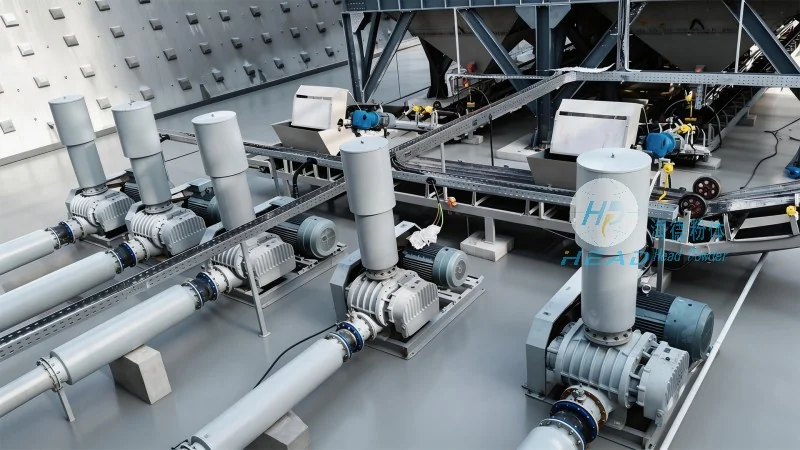
To address these challenges, the solution implemented was a state-of-the-art closed-loop pneumatic conveying system. This technology utilizes a vacuum or pressure differential to move the rubber powder through a sealed pipeline network. Unlike open conveyors, the pneumatic system ensures that the material is contained entirely within the pipe, eliminating exposure to the external environment. This method is particularly effective for fine powders and granules, ensuring a consistent flow rate and preventing blockages. The system was designed to handle the specific flow properties of the rubber powder, ensuring that the material traveled smoothly from the receiving point to the storage or processing area without degradation or separation. This approach represents a significant advancement in pneumatic conveying cases, demonstrating how modern engineering can solve traditional material handling problems.
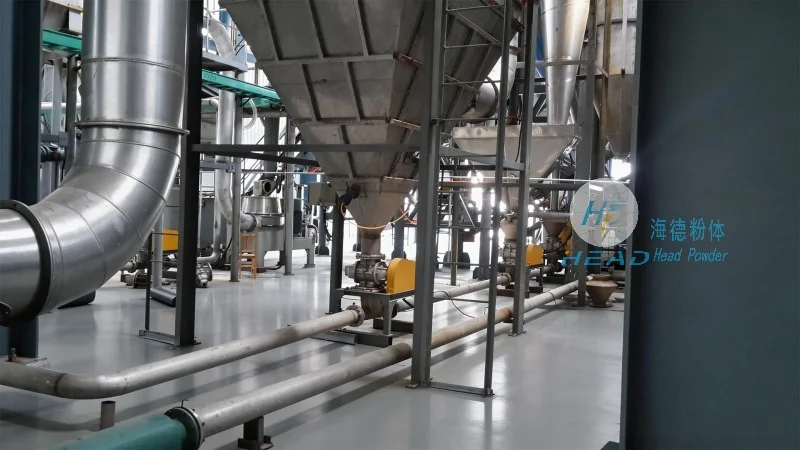
The system design incorporated advanced components to ensure longevity and efficiency. The core of the installation included a high-efficiency vacuum pump or blower, depending on the specific pressure requirements, along with a series of filtration units to separate the powder from the air stream. The piping network was engineered to minimize bends and friction, which are common causes of system failure in pneumatic transport. By optimizing the air-to-material ratio, the system achieved an optimal balance between conveying speed and energy consumption. This technical precision ensures that the rubber powder is delivered with minimal degradation, preserving the quality of the product for downstream applications. The closed pneumatic conveying mechanism also allows for easy integration with dust collectors, further enhancing the safety profile of the facility.
This successful deployment in Odessa highlights the growing demand for high-quality material handling solutions across Eastern European pneumatic conveying sectors. The region has been increasingly investing in infrastructure and industrial automation, creating a need for reliable equipment that can withstand varying operational conditions. By providing a solution that meets international standards, the project has set a benchmark for similar installations in the area. The ability to transport sensitive materials like rubber powder over long distances without leakage is a testament to the engineering capability involved. This case study serves as a prime example of how international engineering expertise can be adapted to meet the specific needs of the local market, fostering better industrial practices and safety protocols.
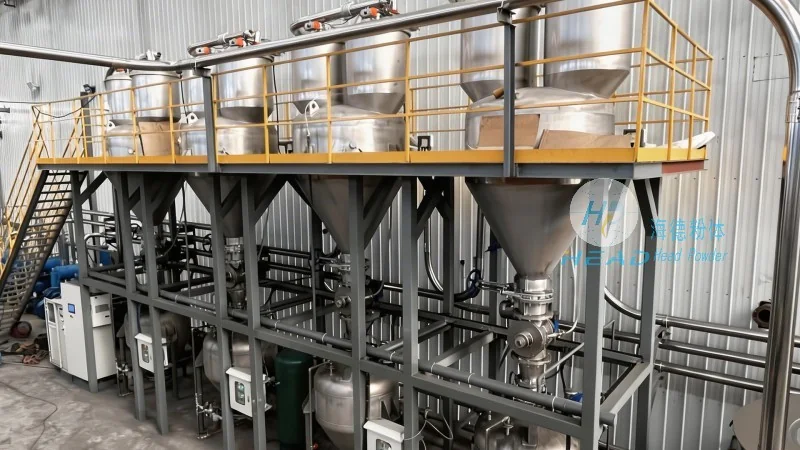
The engineering and design of this system were executed by Shandong Headpowder Engineering Co., Ltd., a company renowned for its specialization in powder handling technologies. Headquartered in Shandong, China, the company has established itself as a leader in the field of pneumatic conveying systems. With years of experience in research and development, Headpowder combines technical innovation with practical application to deliver solutions that are both efficient and durable. Their team of engineers works closely with clients to understand their specific requirements, ensuring that every project is tailored to meet the highest standards of performance. The company's global footprint includes numerous successful projects across different continents, solidifying its reputation as a trusted partner in the industry.
Choosing the right partner for material handling is crucial for the success of any industrial operation. Headpowder offers a comprehensive suite of services that go beyond simple equipment supply. This includes initial site surveys, detailed system design, manufacturing, installation, and after-sales support. The company’s commitment to quality ensures that every component used in the system is of the highest grade, minimizing maintenance requirements and maximizing operational uptime. By leveraging their extensive experience in pneumatic conveying cases, they provide clients with a competitive edge through optimized processes and cost-effective solutions. Their dedication to customer satisfaction is evident in the successful completion of projects like the one in Odessa, where safety, efficiency, and reliability were paramount.
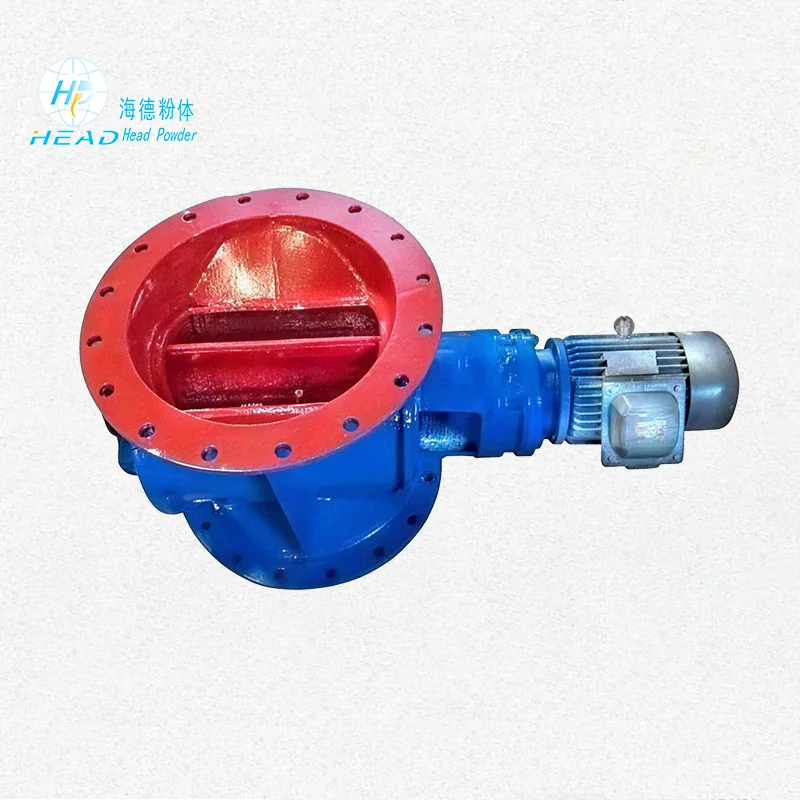
The implementation of the pneumatic conveying system in Odessa has yielded significant benefits for the client. The most immediate result was a drastic reduction in dust emissions, creating a safer and cleaner working environment for the workforce. The system also improved the overall efficiency of the material transfer process, reducing the time and labor required for manual handling. By automating the transfer of rubber powder, the client was able to reduce operational costs and increase production throughput. The reliability of the system ensures that there are minimal disruptions to the production line, allowing for consistent output quality. These outcomes underscore the value of investing in advanced material handling technologies.
In conclusion, the rubber powder conveying project in Odessa, Ukraine, stands as a testament to the effectiveness of modern pneumatic conveying technologies. The successful collaboration between the client and Shandong Headpowder Engineering Co., Ltd. has resulted in a system that meets the rigorous demands of the industry. For businesses looking to upgrade their material handling capabilities or seeking reliable solutions for Eastern European pneumatic conveying, expert consultation is essential. To discuss your specific requirements or to learn more about similar pneumatic conveying cases, please contact our engineering team. You may reach out to Manager Zhang directly via WeChat at 15662777102. Our team is ready to assist you in designing a solution that fits your operational needs perfectly.

 Shandong Headpowder Engineering Co., Ltd.
 156-6277-7102(Manager Zhang)
  0531-83386006
  Zhangqiu District, Jinan City, Shandong Province, China
telephone
WeChatconsult
top