With more than 10‑year industry experience, Shandong Headpowder delivers full‑service pneumatic‑conveying systems and blowers, undertaking nationwide turn‑key powder‑handling projects.
White clay, a critical raw material in sectors like ceramics, pharmaceuticals, and chemical manufacturing, demands efficient handling systems to maintain production flow and material integrity. Pneumatic conveying equipment has become the preferred solution due to its ability to transport fine powders with minimal dust, operational flexibility, and reduced risk of material degradation. This technology is engineered to meet the specific needs of industries where material purity and process efficiency are non-negotiable, ensuring smooth integration into existing production lines.
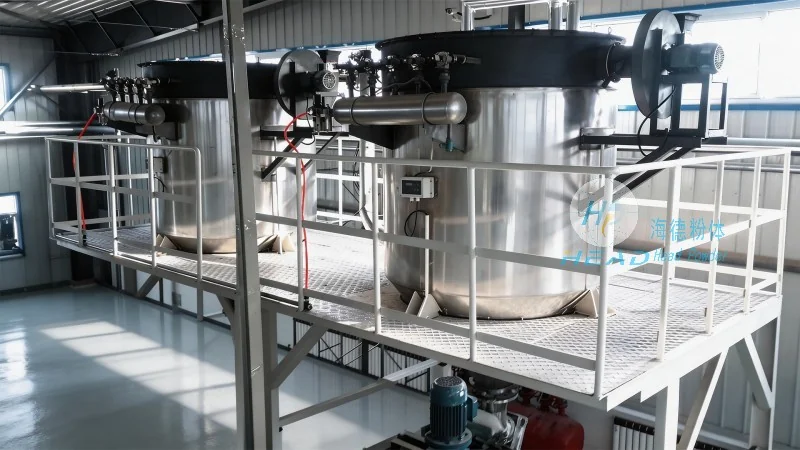
The core structure of a white clay pneumatic conveying system comprises several interdependent components designed for durability, efficiency, and safety. The hopper or feed bin serves as the initial storage unit, holding the white clay and controlling the material flow rate into the system. This component is typically made of corrosion-resistant materials to prevent contamination and ensure long-term reliability. The feeder, often a rotary valve or screw mechanism, regulates the discharge from the hopper, providing a consistent feed rate that matches the system's operational demands. The conveying line, the primary transport channel, can be either positive pressure or negative pressure systems. Positive pressure systems use compressed air to push the material, while negative pressure systems employ vacuum to draw the material. The line is constructed from stainless steel or other materials to withstand the abrasive nature of white clay and prevent material buildup. A filter or cyclone separator may be integrated to capture escaped particles, maintaining a clean environment and ensuring material recovery. The control panel, equipped with sensors and automation, monitors pressure, flow rates, and other parameters in real-time, optimizing performance and preventing operational issues.
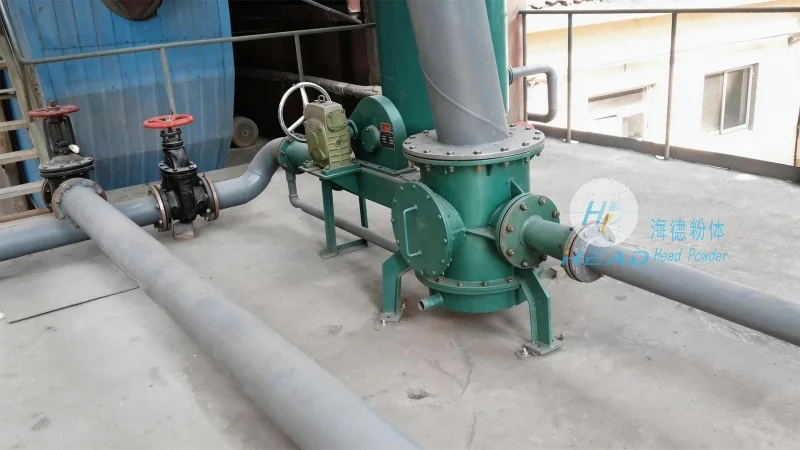
The operation of a white clay pneumatic conveying system is based on fluid dynamics and air movement. In positive pressure systems, compressed air is introduced into the line, creating a pressure differential that propels the white clay particles forward. The air acts as a carrier medium, transporting the fine particles through the pipeline. Negative pressure systems, conversely, use a vacuum to draw air and material from the source, creating a suction effect that pulls the clay into the line. Both systems are engineered to handle the fine particle size and low bulk density of white clay, ensuring efficient transport without clogging or degradation. The interaction between air and material particles is carefully controlled to maintain material integrity, preventing agglomeration or loss of quality. This principle eliminates the need for mechanical components like belts or buckets, reducing maintenance costs and operational downtime. The system's design allows for flexible layout and integration into existing facilities, making it a versatile solution for various industrial applications.
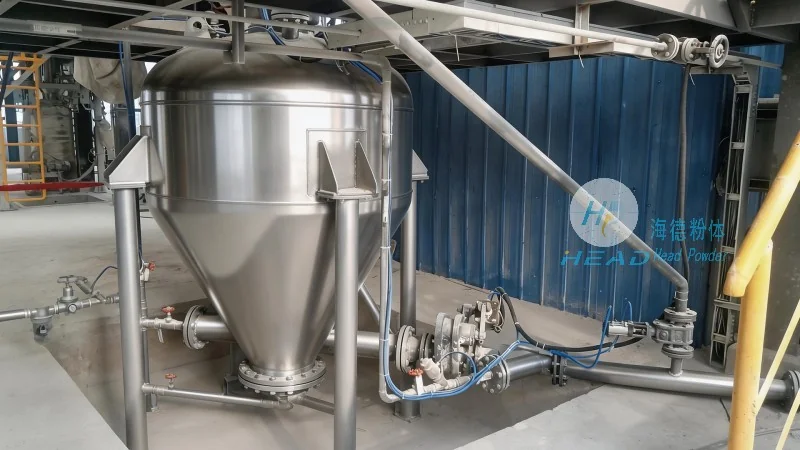
White clay pneumatic conveying equipment is widely utilized across multiple industries where fine powder handling is essential. In the ceramics industry, it transports raw white clay from storage to production lines, ensuring a consistent supply for tile and porcelain manufacturing. In pharmaceutical applications, the equipment handles white clay used in drug formulations, maintaining product purity and quality. The chemical industry also relies on this technology for transporting white clay in coating and pigment production. Key advantages include reduced dust exposure, enhanced workplace safety, and improved material handling efficiency. Compared to traditional methods like belt conveyors or bucket elevators, pneumatic systems offer superior performance in handling fine powders, with lower risk of material degradation or contamination. The flexibility in system design allows for customization to fit specific production layouts, minimizing installation disruptions and optimizing space utilization. Overall, the use of white clay pneumatic conveying equipment contributes to increased productivity, lower operational costs, and higher product quality in diverse industrial sectors.

White clay pneumatic conveying equipment represents a vital advancement in material handling technology, providing efficient and reliable solutions for industries dependent on fine powders. The structural design and working principles are tailored to meet the unique demands of white clay, ensuring optimal performance and durability. Shandong HeadPowder Engineering Co., Ltd., headquartered in Shandong, China, specializes in developing and manufacturing high-quality pneumatic conveying systems. The company's commitment to innovation and customer-centric solutions has established it as a trusted provider in the field. By leveraging advanced engineering and material science, Shandong HeadPowder Engineering Co., Ltd. delivers equipment that enhances operational efficiency and product quality across various industries. Whether for ceramics, pharmaceuticals, or chemical manufacturing, the company's solutions are designed to meet the evolving needs of modern production environments, ensuring long-term reliability and performance.

 Shandong Headpowder Engineering Co., Ltd.
 156-6277-7102(Manager Zhang)
  0531-83386006
  Zhangqiu District, Jinan City, Shandong Province, China
telephone
WeChatconsult
top