With more than 10‑year industry experience, Shandong Headpowder delivers full‑service pneumatic‑conveying systems and blowers, undertaking nationwide turn‑key powder‑handling projects.
Winery slurry, a byproduct of wine production, requires efficient and reliable handling for processing and disposal. The pneumatic conveying equipment designed by Shandong HeadPowder Engineering Co., Ltd. addresses these needs through advanced engineering and robust construction. This equipment is engineered to handle the unique challenges posed by winery slurry, ensuring optimal performance and minimal maintenance.
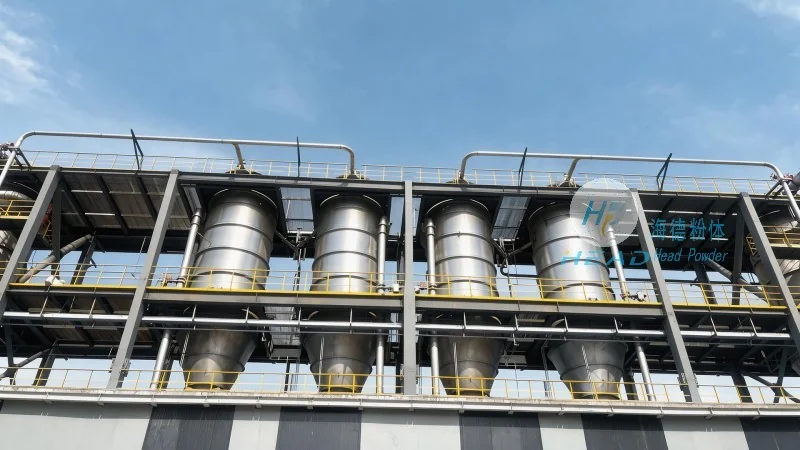
HeadPowder, the brand under Shandong HeadPowder Engineering Co., Ltd., specializes in the design, manufacturing, and supply of industrial conveying solutions. With a focus on innovation and customer satisfaction, HeadPowder has established itself as a trusted provider in the field of material handling equipment. The company's headquarters is located in Shandong, China, where it leverages local expertise and resources to develop cutting-edge solutions tailored to the needs of the wine industry.
The pneumatic conveying system for winery slurry consists of several key components that work in harmony to achieve efficient material transport. The equipment is built with high-quality materials, such as stainless steel and corrosion-resistant alloys, to withstand the acidic and abrasive nature of winery slurry. This ensures long-term durability and reduces the risk of equipment failure due to wear and tear.
At the core of the system is the air compressor, which generates the necessary pressure to move the slurry through the pipeline. The compressor is equipped with advanced control systems that regulate airflow and pressure, optimizing energy consumption while maintaining consistent conveying performance. The pipeline network is designed with flexible and rigid sections, allowing for easy installation and adaptation to different plant layouts.
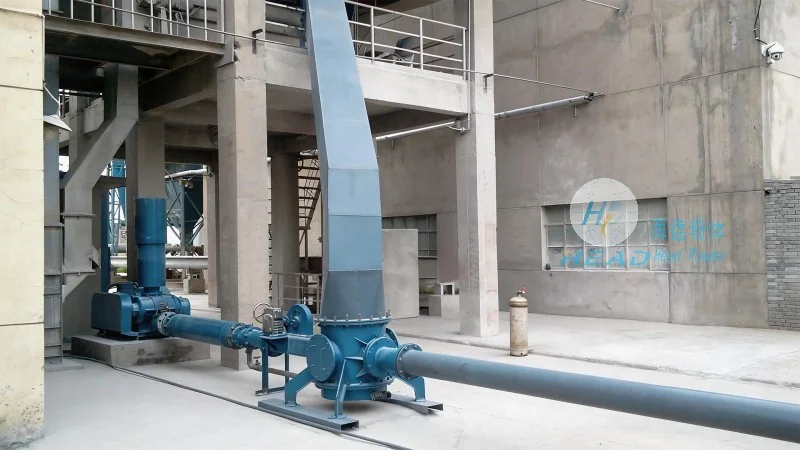
The pneumatic conveying process involves the use of compressed air to transport winery slurry from the source to the destination. The slurry is first fed into the hopper, where it is mixed with a small amount of air or water to create a slurry-air mixture. This mixture is then drawn into the pipeline by the compressor, which propels it through the system. The equipment is designed to handle both dilute and dense phase conveying, allowing for flexibility in application.
Key components include the hopper, which stores the slurry and provides a controlled feed; the airlock or rotary valve, which regulates the flow of slurry into the pipeline; and the filter or separator, which removes any solid particles from the air stream before it is released back into the environment. These components work together to ensure a clean and efficient conveying process, minimizing the risk of contamination and equipment damage.
Compared to traditional conveying methods, such as belt conveyors or screw conveyors, pneumatic conveying offers several advantages for handling winery slurry. One of the primary benefits is the ability to transport materials over long distances without the need for multiple transfer points. This reduces the risk of material spillage and contamination, which is critical in food processing applications like winemaking.
Another advantage is the hygienic design of the equipment. The stainless steel construction and enclosed pipeline system prevent the exposure of slurry to the environment, reducing the risk of bacterial growth and cross-contamination. This is particularly important in winery operations where maintaining product quality and safety is paramount.

The system also offers energy efficiency and cost savings. By optimizing the airflow and pressure, the equipment reduces energy consumption compared to traditional methods. Additionally, the reduced need for maintenance and replacement parts due to the robust design results in lower operational costs over the equipment's lifespan.
The pneumatic conveying equipment from HeadPowder is suitable for a wide range of applications within the winery industry. It can be used for transporting slurry from the fermentation tanks to the processing facilities, or from the processing area to the disposal or recycling systems. The equipment can be customized to meet specific plant requirements, including different pipeline lengths, material flow rates, and pressure levels.
HeadPowder works closely with clients to understand their unique operational needs and design a conveying system that meets their requirements. The company's engineering team provides expert consultation to ensure that the equipment is optimized for performance, reliability, and cost-effectiveness. This collaborative approach ensures that the final solution is tailored to the specific needs of the winery, maximizing efficiency and minimizing downtime.

 Shandong Headpowder Engineering Co., Ltd.
 156-6277-7102(Manager Zhang)
  0531-83386006
  Zhangqiu District, Jinan City, Shandong Province, China
telephone
WeChatconsult
top