With more than 10‑year industry experience, Shandong Headpowder delivers full‑service pneumatic‑conveying systems and blowers, undertaking nationwide turn‑key powder‑handling projects.
HeadPowder, a leading engineering company based in Shandong, China, specializes in the design, manufacturing, and implementation of advanced pneumatic conveying systems for handling coal fly ash. With a focus on efficient material transport solutions, the company's systems are engineered to meet the demands of industrial applications requiring reliable and low-maintenance material handling. The following content provides an in-depth look at the operation process and working principle of such systems, highlighting the key components and operational steps involved.
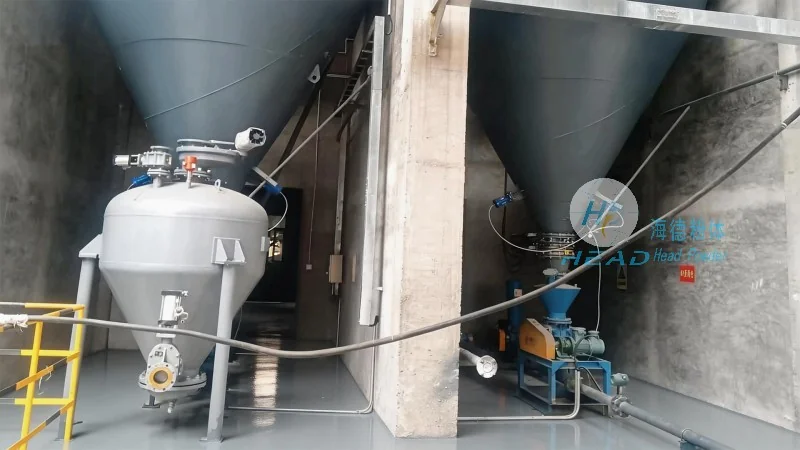
Coal fly ash, a byproduct of coal combustion, poses unique challenges in material handling due to its fine particle size and abrasive nature. Traditional methods like belt conveyors or bucket elevators may not be suitable for such materials, as they can lead to high maintenance costs and material degradation. Pneumatic conveying systems offer a superior alternative by utilizing air pressure to transport dry powders and fine particles over long distances with minimal wear and tear on equipment. These systems are particularly effective for coal fly ash, which is often used in construction materials, cement production, and other industrial applications.
The pneumatic conveying system for coal fly ash typically consists of several critical components that work in tandem to ensure efficient material transport. The main components include:
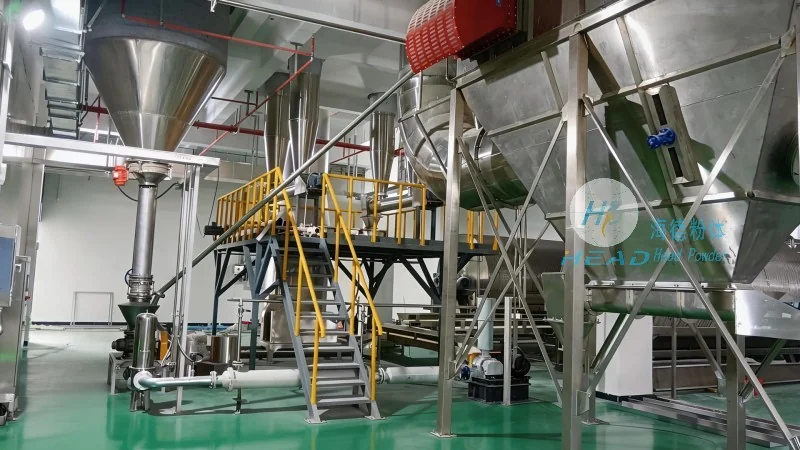
The operation of the pneumatic conveying system for coal fly ash involves a series of steps that ensure smooth and continuous material transport. The process typically begins with the loading of coal fly ash into the feed hopper. The metering valve then opens to allow a controlled amount of material to enter the conveying line. Simultaneously, the air supply system generates the required air pressure, which is introduced into the pipeline at the feed point.
As the air flows through the conveying line, it entrains the coal fly ash particles, creating a slurry-like mixture. This mixture is then propelled through the pipeline to the receiver tank at the destination. The air and material mixture continues to travel until it reaches the end of the line, where the air is separated from the material in the receiver tank. The air is then discharged, while the coal fly ash is collected and stored for further use.
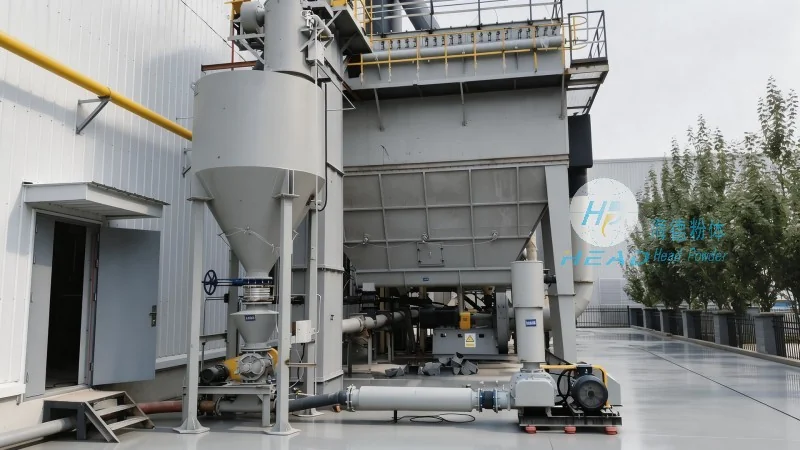
The control system plays a crucial role in monitoring the entire process. Sensors detect changes in pressure, flow rate, and material level, and adjust the system parameters accordingly to maintain optimal performance. For example, if the flow rate decreases, the control system may increase the air pressure or adjust the feed rate to restore the desired transport efficiency.
The working principle of the pneumatic conveying system is based on the principle of fluidization and pneumatic transport. The system uses compressed air to create a flow of air through the conveying line, which entrains the coal fly ash particles and transports them to the destination. The key to efficient transport is the balance between the air velocity and the particle size and density of the coal fly ash. If the air velocity is too low, the particles may settle and cause blockages. If the air velocity is too high, the particles may be carried too quickly, leading to excessive wear on the pipeline and equipment.
HeadPowder's systems are designed to optimize this balance, ensuring that the air velocity is sufficient to transport the material without causing excessive wear or energy consumption. The company's engineers use advanced computational fluid dynamics (CFD) modeling to simulate the flow of air and particles in the pipeline, allowing them to fine-tune the system design for maximum efficiency and reliability.
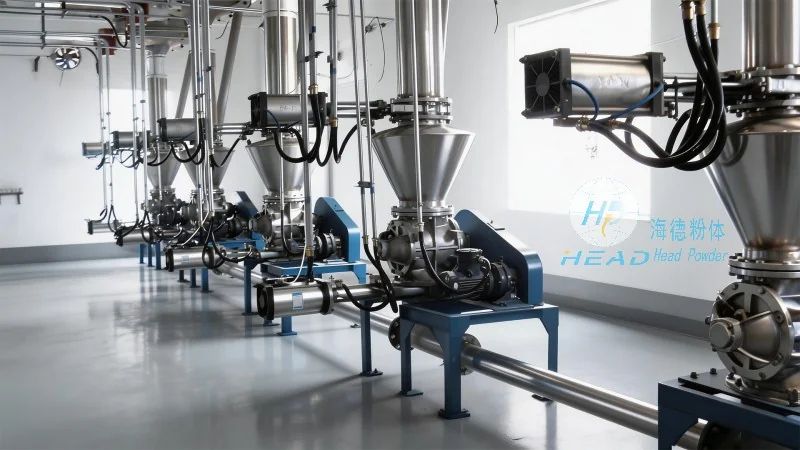
Pneumatic conveying systems offer several advantages over traditional material handling methods, making them an ideal choice for coal fly ash transport. These advantages include:
HeadPowder's pneumatic conveying systems for coal fly ash provide an efficient and reliable solution for material transport in industrial applications. By leveraging advanced engineering and design, the company's systems ensure optimal performance, low maintenance, and environmental compliance. With a focus on customer needs and industry standards, HeadPowder continues to be a leader in providing innovative material handling solutions for coal fly ash and other fine materials.

 Shandong Headpowder Engineering Co., Ltd.
 156-6277-7102(Manager Zhang)
  0531-83386006
  Zhangqiu District, Jinan City, Shandong Province, China
telephone
WeChatconsult
top