With more than 10‑year industry experience, Shandong Headpowder delivers full‑service pneumatic‑conveying systems and blowers, undertaking nationwide turn‑key powder‑handling projects.
HeadPowder, a leading enterprise in the field of material handling technology, specializes in the design, manufacturing, and installation of pneumatic conveying systems. With a focus on high-efficiency and reliable solutions for handling magnesium powder and other fine materials, the company has established itself as a trusted partner for industries requiring precise and safe material transport. This article explores the operation process and working principle of pneumatic conveying systems, particularly as applied to magnesium powder, highlighting the technical aspects and operational benefits.
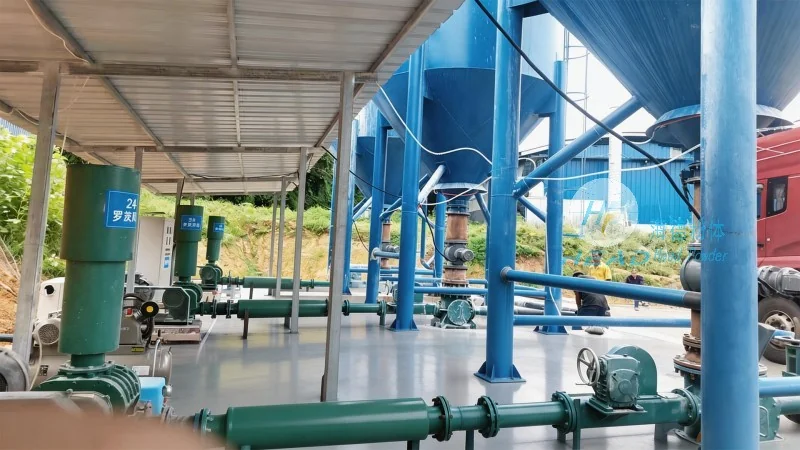
HeadPowder, the brand under Shandong HeadPowder Engineering Co., Ltd., is headquartered in Shandong, China. The company has been dedicated to advancing material handling solutions, leveraging years of experience and technical expertise to develop customized pneumatic conveying systems tailored to the specific needs of clients. By combining innovative engineering with rigorous quality control, HeadPowder ensures that its systems meet the highest standards of performance, safety, and durability. The company's commitment to customer satisfaction and technological excellence has enabled it to serve a diverse range of industries, including chemical, pharmaceutical, food processing, and more.
Pneumatic conveying, also known as pneumatic transport, is a method of transporting bulk materials through a pipeline using a gas stream, typically air. This technology is widely used for handling fine powders like magnesium powder, which are often sensitive to moisture and require controlled transport to maintain their quality and integrity. The system operates by creating a pressure differential between the inlet and outlet of the pipeline, allowing the material to be carried by the moving air stream. There are two primary types of pneumatic conveying systems: pressure and vacuum systems, each with distinct applications and operational characteristics.
The operation process of a magnesium powder pneumatic conveying system involves several key steps, each designed to ensure efficient and safe material transport. The process begins with the loading of the magnesium powder into the hopper or storage silo. From there, the material is fed into the conveying line through a feeder, such as a rotary valve or a screw feeder, which controls the flow rate. The feeder is connected to the pipeline, and a blower or compressor provides the necessary air pressure to initiate the conveying process. As the air flows through the pipeline, it carries the magnesium powder particles, moving them from the source to the destination, such as a processing unit or a storage tank. The system is equipped with various components, including filters, cyclones, and dust collectors, to ensure that the material is conveyed without contamination and that the air is cleaned before being discharged. The entire process is automated, with sensors and control systems monitoring the flow rate, pressure, and temperature to maintain optimal performance. The operation is typically continuous, allowing for a steady supply of magnesium powder to the production line, minimizing downtime and maximizing productivity.
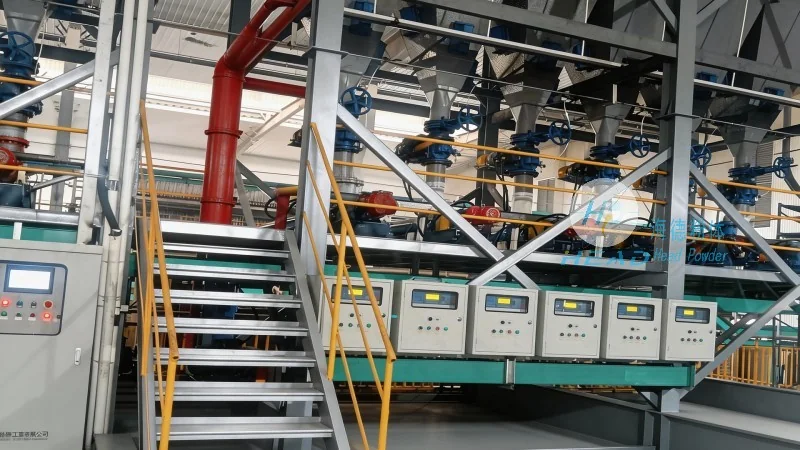
The working principle of a magnesium powder pneumatic conveying system is based on the fundamental principles of fluid dynamics and particle transport. The system relies on the creation of a high-velocity air stream within the pipeline, which provides the necessary kinetic energy to lift and transport the powder particles. The air pressure is generated by a blower or compressor, which can operate at either positive pressure (pressure system) or negative pressure (vacuum system). In a pressure system, the air is introduced at the inlet of the pipeline, and the material is fed into the system from the hopper. The air then carries the powder through the pipeline, exiting at the outlet where the material is deposited. In a vacuum system, the air is drawn from the outlet of the pipeline, creating a negative pressure that pulls the material from the hopper into the system. The velocity of the air stream is critical; it must be sufficient to overcome the gravitational force acting on the powder particles and to maintain the material in suspension. The system also incorporates a series of components to manage the air and material flow, including filters to remove dust and debris, and cyclones to separate the powder from the air stream. The working principle ensures that the magnesium powder is transported efficiently and safely, with minimal loss and contamination. The system's design allows for flexibility in terms of material handling, as it can be adapted to different particle sizes, flow rates, and distances, making it suitable for a wide range of industrial applications.
Several key components are essential to the proper operation of a magnesium powder pneumatic conveying system. The hopper or storage silo serves as the initial container for the magnesium powder, providing a stable and controlled source of material. The feeder, such as a rotary valve or a screw feeder, regulates the flow rate of the powder into the conveying line, ensuring a consistent supply. The blower or compressor generates the air pressure required to move the material through the pipeline. The pipeline itself is typically made of stainless steel or other corrosion-resistant materials to prevent contamination and ensure durability. Filters and dust collectors are crucial for maintaining the quality of the air and preventing the buildup of dust in the system. Cyclones and separators are used to separate the powder from the air stream, allowing the powder to be deposited at the destination and the air to be cleaned and recirculated. Control systems, including sensors and programmable logic controllers (PLCs), monitor the system's performance and adjust parameters as needed to maintain optimal operation. Each component plays a vital role in the overall efficiency and reliability of the pneumatic conveying system, ensuring that the magnesium powder is transported safely and effectively.
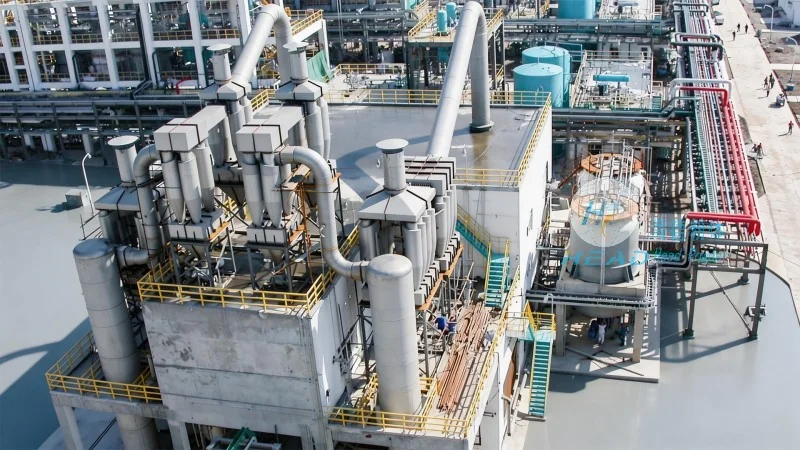
Using pneumatic conveying systems for magnesium powder offers several advantages over traditional methods, such as bucket elevators or belt conveyors. One of the primary benefits is the ability to transport the material in a closed system, which prevents contamination from external sources and minimizes dust emissions. This is particularly important for magnesium powder, which is sensitive to moisture and can degrade if exposed to the air. The closed system also reduces the risk of material loss and improves overall safety in the workplace. Another advantage is the high efficiency and speed of the system, which allows for continuous operation and minimal downtime. The system can transport large quantities of material over long distances with minimal energy consumption, making it a cost-effective solution for industrial applications. Additionally, pneumatic conveying systems are flexible and can be easily adapted to changes in production requirements, such as varying flow rates or different material types. The automated nature of the system reduces the need for manual labor, improving safety and productivity. Overall, the use of pneumatic conveying for magnesium powder provides a reliable, efficient, and safe method of material transport that meets the demands of modern industrial operations.
Magnesium powder pneumatic conveying systems are widely used in various industries that require the handling of fine powders. The chemical industry, for example, uses these systems to transport magnesium powder for the production of magnesium compounds, such as magnesium oxide and magnesium chloride. The pharmaceutical industry utilizes pneumatic conveying to handle magnesium powder in the manufacturing of magnesium-based medications, ensuring that the material is transported in a sterile and controlled environment. The food processing industry also benefits from pneumatic conveying systems, as they are used to transport magnesium powder for food additives and supplements. Additionally, the aerospace and automotive industries use magnesium powder in the production of lightweight components, and pneumatic conveying systems ensure that the material is handled safely and efficiently. The versatility of pneumatic conveying systems makes them suitable for a wide range of applications, from small-scale operations to large industrial plants.
HeadPowder, with its expertise in material handling technology, provides reliable and efficient pneumatic conveying systems for magnesium powder and other fine materials. The operation process and working principle of these systems are designed to ensure safe, continuous, and high-quality transport of the material. By leveraging advanced engineering and rigorous quality control, HeadPowder delivers customized solutions that meet the specific needs of its clients. The advantages of pneumatic conveying, including closed system operation, high efficiency, and flexibility, make it an ideal choice for industries requiring precise and safe material transport. As the demand for advanced material handling solutions continues to grow, HeadPowder remains committed to providing innovative and effective solutions that enhance productivity and safety in industrial operations.

 Shandong Headpowder Engineering Co., Ltd.
 156-6277-7102(Manager Zhang)
  0531-83386006
  Zhangqiu District, Jinan City, Shandong Province, China
telephone
WeChatconsult
top