

Operation Process and Working Principle of Flake Graphite Powder Material Handling System
Flake graphite powder, a vital material in numerous industrial sectors including battery manufacturing, lubricant production, and refractory applications, demands efficient and reliable material handling solutions to ensure seamless production workflows. The flake graphite powder material handling system is engineered to meet these requirements by integrating advanced technology and robust engineering principles. This system is particularly critical where the quality, consistency, and purity of graphite powder are non-negotiable, as any deviation can impact product performance and safety. Understanding the operation process and working principles of this system is essential for optimizing production efficiency, minimizing downtime, and maintaining the integrity of the material.
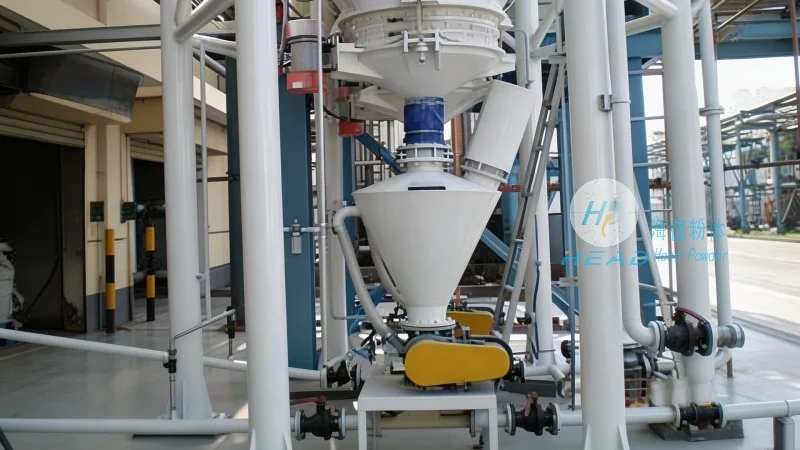
Company Overview: HeadPowder
HeadPowder, formally known as Shandong HeadPowder Engineering Co., Ltd., is a leading provider of specialized material handling systems tailored for the processing and transportation of fine powders. With a strong operational base in Shandong, China, the company has built a reputation for delivering high-quality, customized solutions that address the unique challenges of industries dealing with high-value materials like flake graphite powder. HeadPowder’s expertise lies in the design, manufacturing, and implementation of systems that enhance material flow, reduce operational costs, and improve overall productivity. The company’s commitment to innovation, quality control, and customer-centric service has positioned it as a trusted partner in the material handling sector.
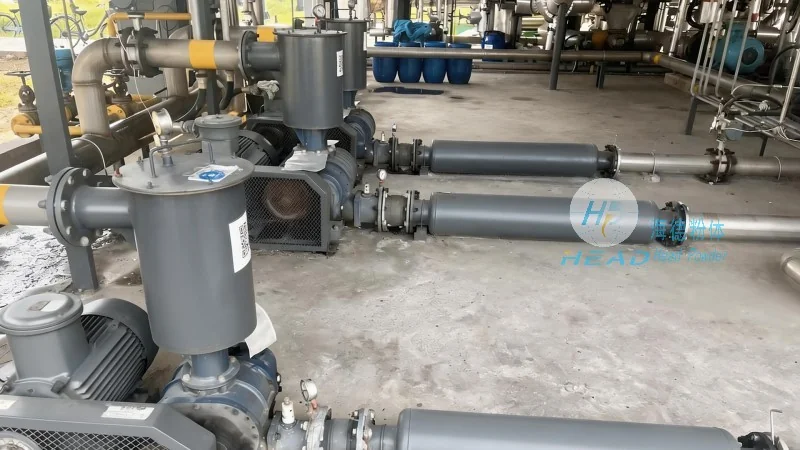
System Architecture and Core Components
The flake graphite powder material handling system comprises several interdependent components, each designed to handle the specific characteristics of flake graphite powder—such as its fine particle size, low bulk density, and tendency to agglomerate. Key components include storage silos, feeders, conveyors (both mechanical and pneumatic), control panels, and dust suppression systems. The storage silos are equipped with aeration and agitation mechanisms to prevent caking and maintain material flowability. Feeders, typically rotary or vibratory types, uniformly discharge the powder from the silo into the conveyor system. Conveyors, often belt or air-based, transport the powder to processing or packaging areas, with airlocks and seals to prevent dust leakage. Control panels integrate sensors and PLC systems to monitor and adjust parameters like flow rate, pressure, and temperature in real-time. Dust suppression systems ensure compliance with environmental and safety standards by capturing and filtering airborne particles.
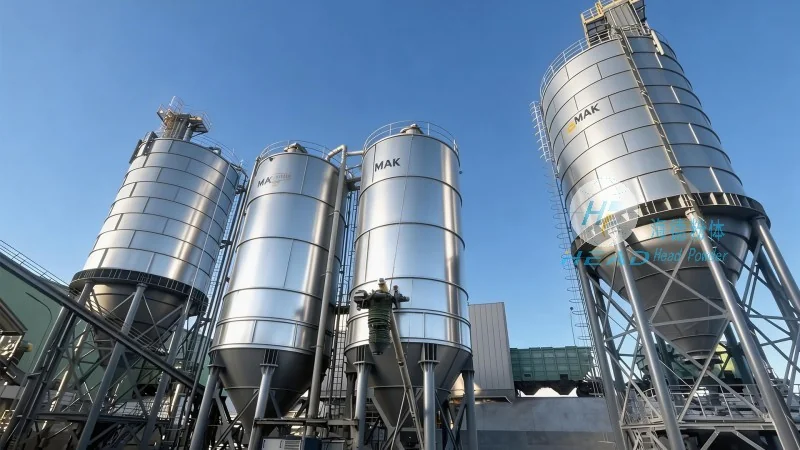
Operation Process: Sequential Workflow
The operation of the flake graphite powder material handling system follows a structured sequence to ensure safe and efficient material transport. The process begins with the startup phase, where all components are activated and checked for proper functionality. This includes verifying the status of feeders, conveyors, and control systems. Once confirmed operational, the feeders initiate the discharge of graphite powder from the storage silo into the conveyor system. The conveyor then transports the powder at a controlled speed, minimizing the risk of spillage or blockages. The control panel continuously monitors flow rate, pressure, and other critical parameters, adjusting system settings as needed to maintain stability. The system continues to operate until the desired quantity of powder is delivered, at which point it can be stopped or transitioned to a different operational mode. This sequential approach ensures consistent performance and reduces the likelihood of material degradation or system failures.
Working Principle: Mechanical and Control Integration
The working principle of the flake graphite powder material handling system combines mechanical engineering with advanced control technology to achieve precise material transport. The mechanical components—feeders, conveyors, and silos—are engineered to handle the unique properties of flake graphite powder, such as its low shear strength and tendency to form dust. Feeders use gravity and mechanical agitation to ensure uniform powder distribution, while conveyors employ specialized belts or airlocks to minimize material degradation. The control mechanisms, typically based on PLC systems, form a closed-loop control loop. Sensors (e.g., flow meters, pressure sensors, temperature probes) collect real-time data on system performance, which is processed by the PLC. The PLC then sends commands to actuators (e.g., motor drives, valves) to adjust feeder speed, conveyor tension, or air pressure. This dynamic adjustment ensures the system operates within optimal parameters, preventing overloading, clogging, or excessive dust generation. The integration of mechanical and control systems enables the system to adapt to varying material conditions and maintain consistent output.
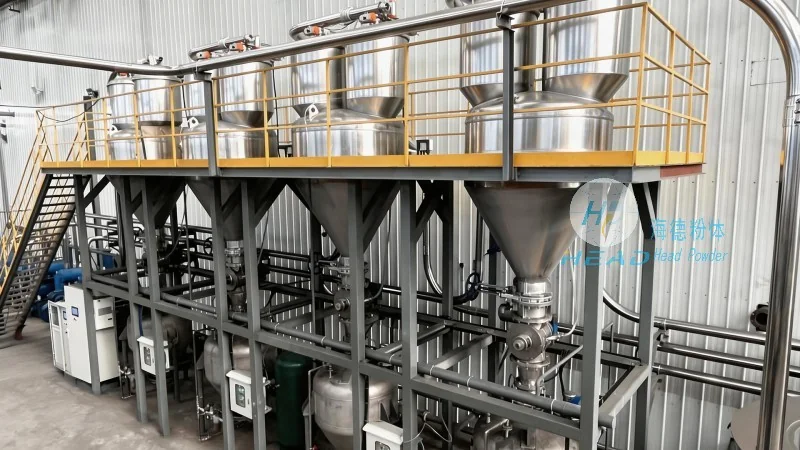
Advantages and Practical Applications
The flake graphite powder material handling system offers several advantages that make it indispensable for industries dealing with fine powders. One primary benefit is the preservation of material quality, as the system minimizes contamination, degradation, or agglomeration during transport. The design reduces dust generation, enhancing workplace safety and compliance with environmental regulations. Additionally, the system’s flexibility allows customization for varying flow rates, material types, or production scales. It is widely utilized in the battery industry, where flake graphite is a critical anode material in lithium-ion batteries. The system ensures consistent powder delivery to production lines, improving battery performance and efficiency. In the lubricant sector, it aids in the incorporation of graphite into greases and oils, enhancing their lubricating properties. For refractory applications, the system transports graphite powder used in high-temperature material production, ensuring uniform material distribution. Overall, the system enhances production efficiency, reduces labor costs, and improves product quality, making it a valuable asset for any business reliant on flake graphite powder.